Rochester soprano Lucy Hall stars in the new big-screen version of the classic operatic tale of artistic struggle La Bohème


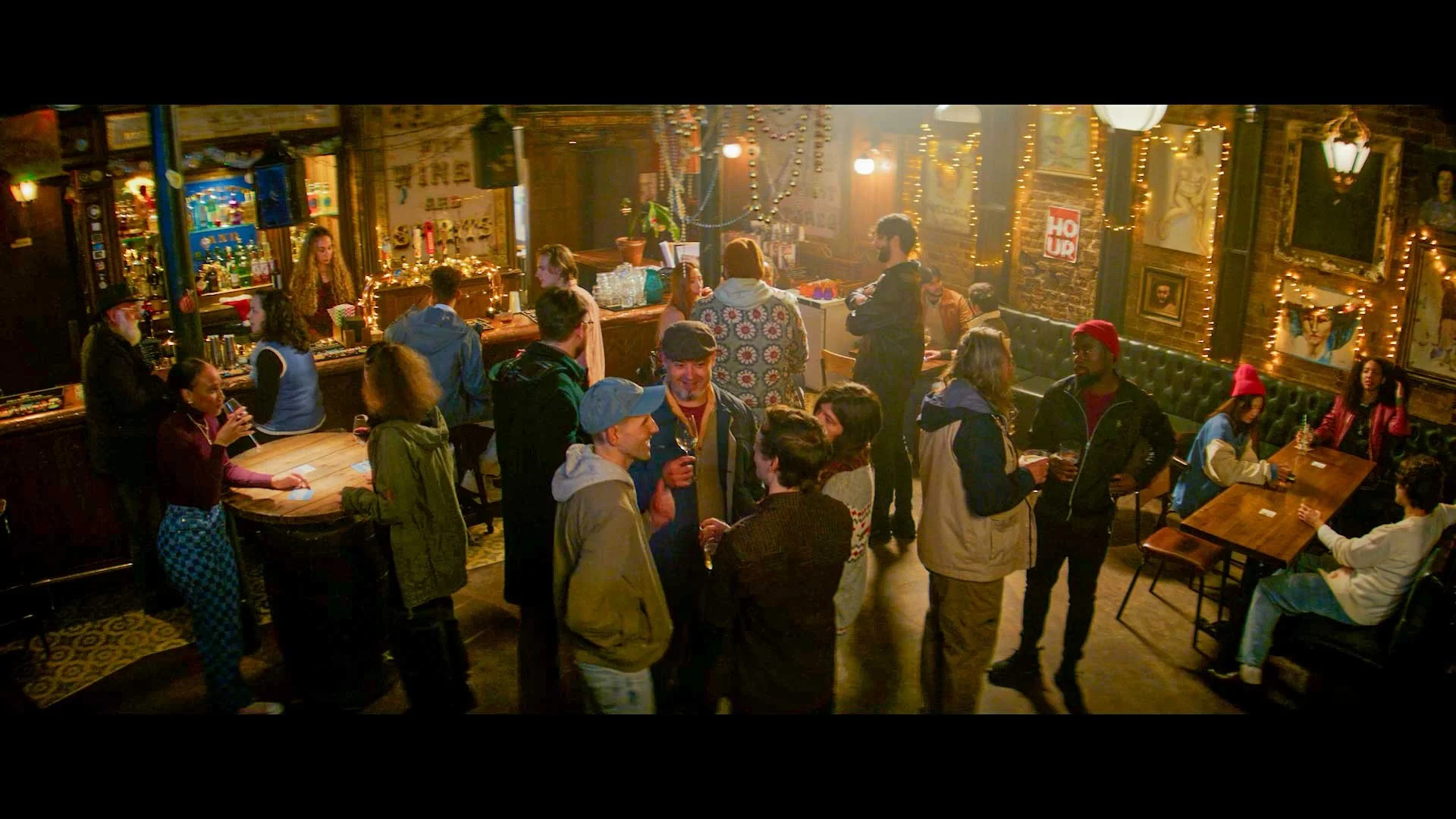
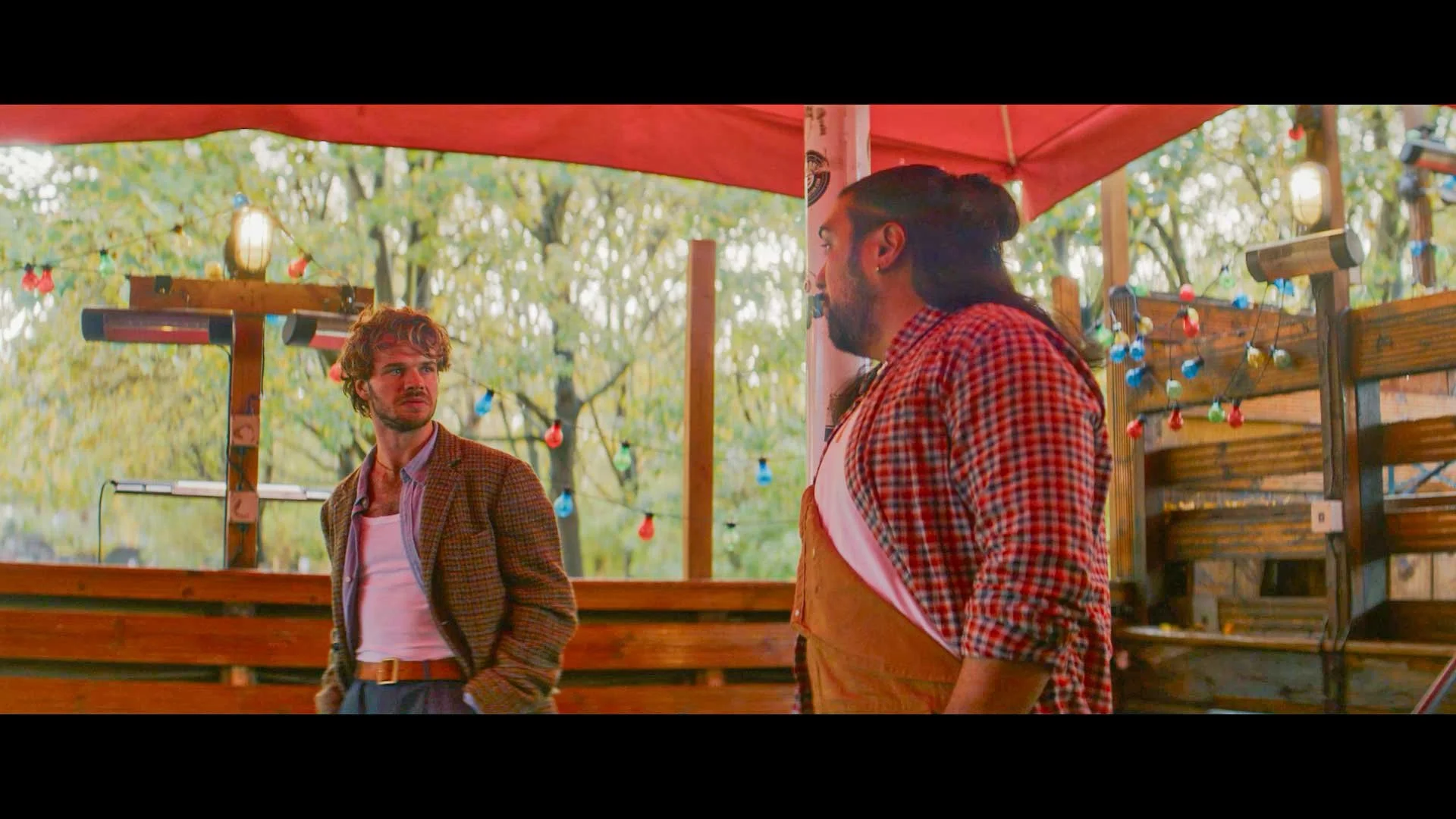
A century after La Bohème first captured audiences with its tale of fragile love and artistic struggle, the opera returns in an unexpected form: a contemporary British film set not in 19th-century Paris but in present-day east London.
Premiering in cinemas across the UK, this reimagining reframes Giacomo Puccini’s masterpiece for a new generation - one grappling with rising rents and leeching landlords against creative ambition and the precariousness of modern life. It’s pretty fitting in a time where creatives are, for want of a better word, skint.
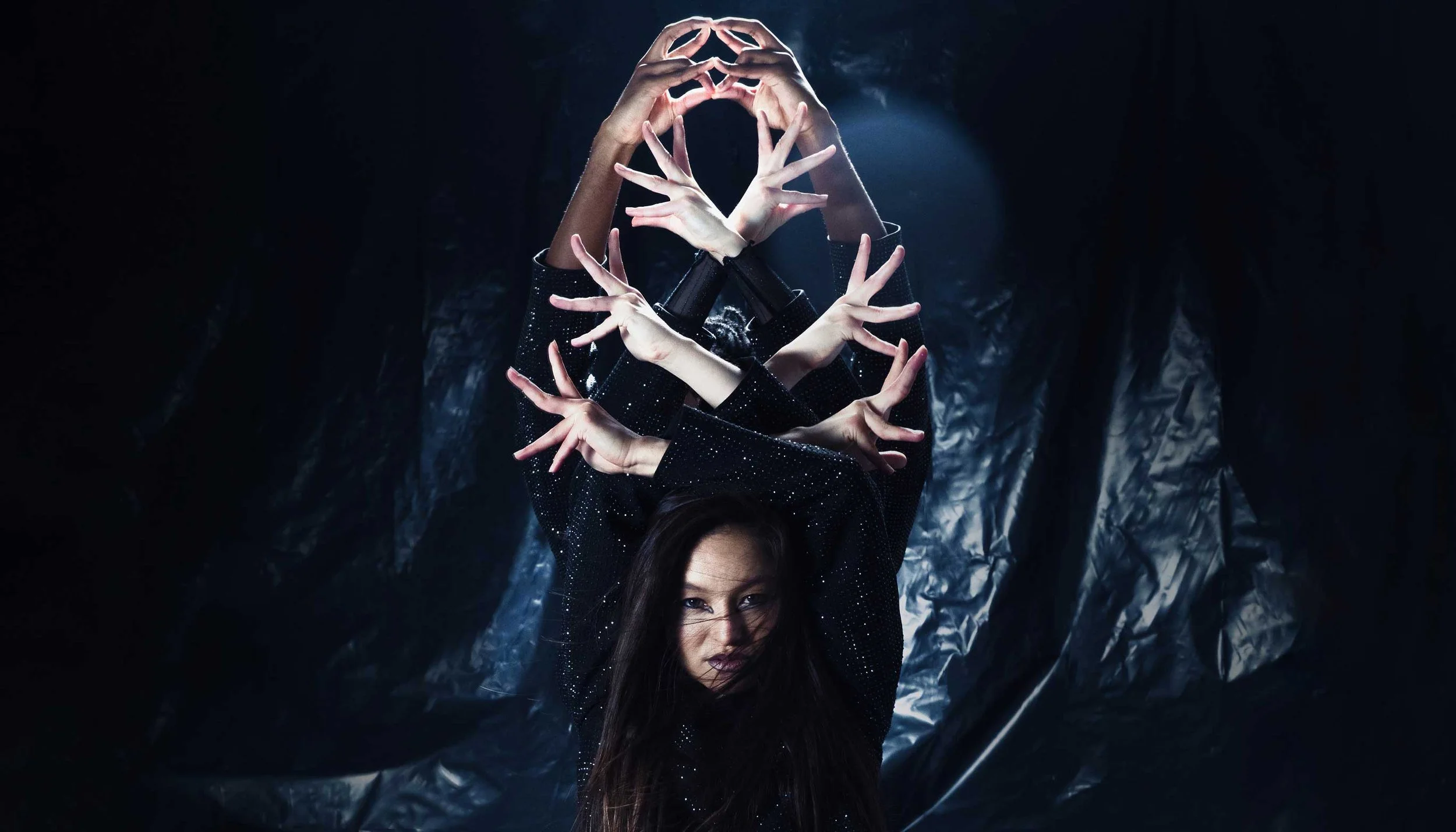
At the heart of the production is soprano Lucy Hall, a rising talent based in Rochester, who takes on the role of Mimì. For Hall, the project represents not only a significant career milestone but also a leap into unfamiliar artistic territory: film.
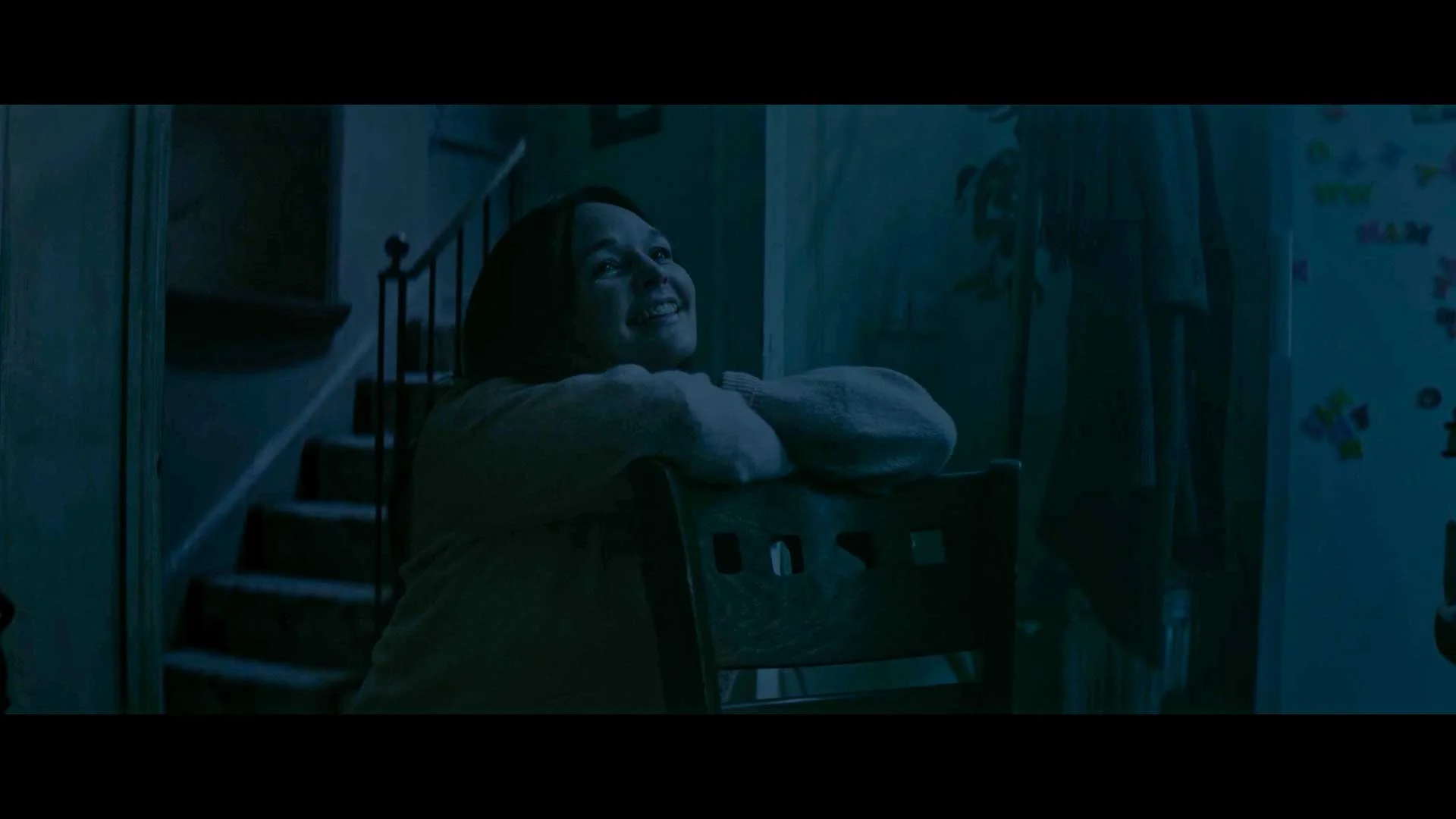
“Yeah, really nervous,” she admits ahead of the release. “I think, you know, it’s not something that I normally do, making a film. In the live theatre world, we don’t really get to watch ourselves that often, so it’s going to be quite a strange experience, I think.”
Directed by Robin Norton-Hale, this version of La Bohème blends operatic tradition with cinematic realism. Set largely in Hackney, it follows a group of young creatives navigating love, illness and survival in a city that feels both vibrant and unforgiving.
The production retains Puccini’s score but reinterprets it through a modern lens, combining orchestration with contemporary sound design. For Hall, that shift in medium required a fundamental change in performance style.
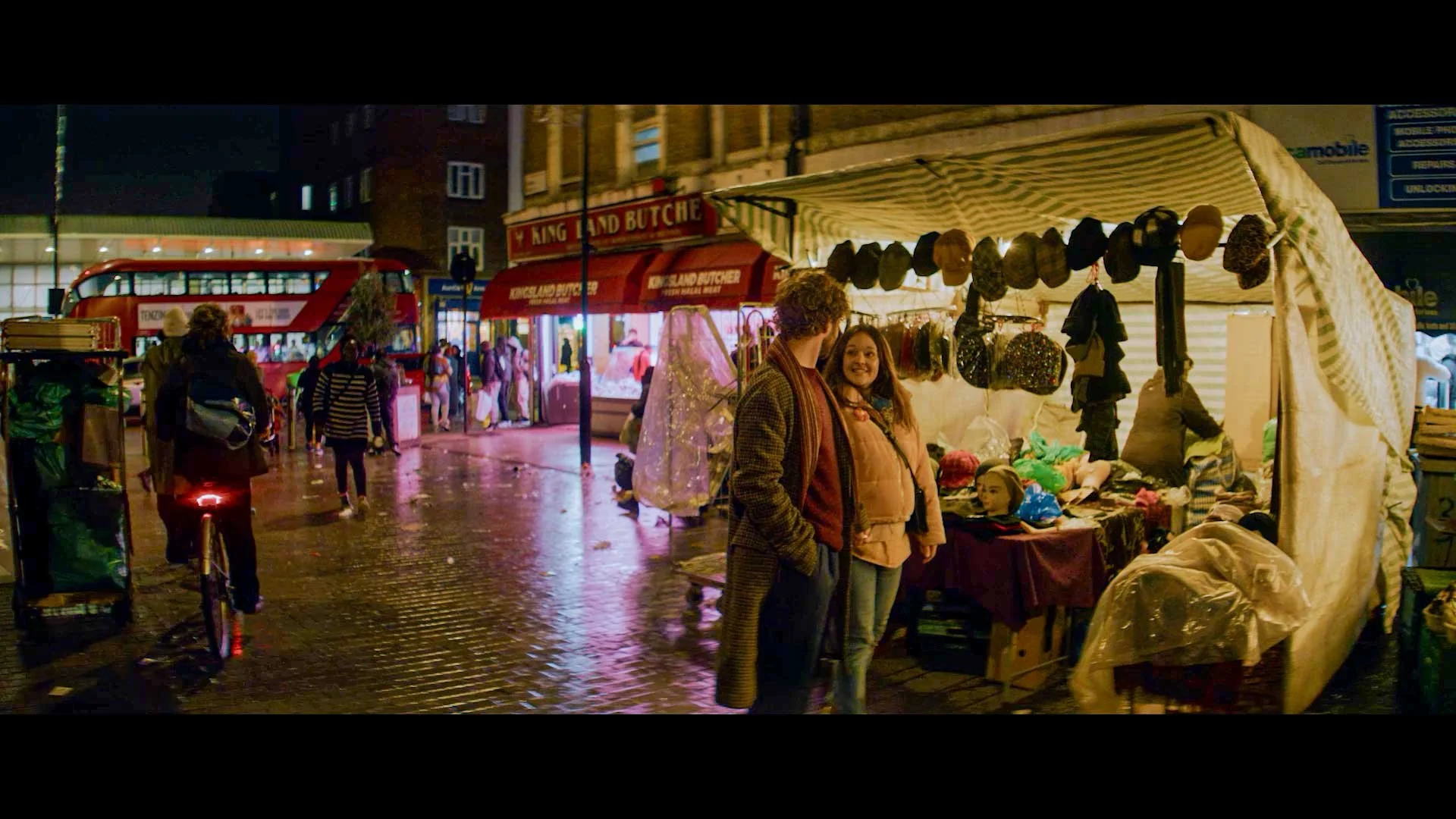
“When you’re on a live stage, when you’re in theatre, if you make mistakes, that’s it,” she says. “You live with it in the moment and you get on with it and have to adapt and roll with the punches.”
Film, however, demanded precision and repetition. “The kind of intricacies of doing it and repeating one little bit, sometimes 10 times to get it from different angles… it was a really different experience for me and a good challenge in a way.”
The character of Mimì sits at the emotional centre of La Bohème and Hall’s journey to the role was anything but conventional.
“How I became cast in this opera was not entirely usual,” she says. “Because I was a last-minute replacement, actually… we needed to get going in a few days.”
“You live with it in the moment and you get on with it and have to adapt and roll with the punches”
The suddenness of the opportunity might have unsettled some performers, but Hall embraced it. Having previously worked with both Norton-Hale and conductor Alice Farnham, she was brought in with the expectation she could “hit the ground running fairly last-minute”.
There was another layer of complexity: the timing. The project came shortly after the birth of her son.
“It was not long after I’d had my son, to be honest,” she recalls. “So I was in a period where I was sort of working as near to part-time as you can possibly be as a freelancer… and I thought ‘Shall I do it?’ because this was meant to be time at home.”
Ultimately, she chose to take on the role, navigating the competing demands of motherhood and performance. “It was a bit of a juggle… which sort of added to the kind of flurry of the whole last-minute experience.”
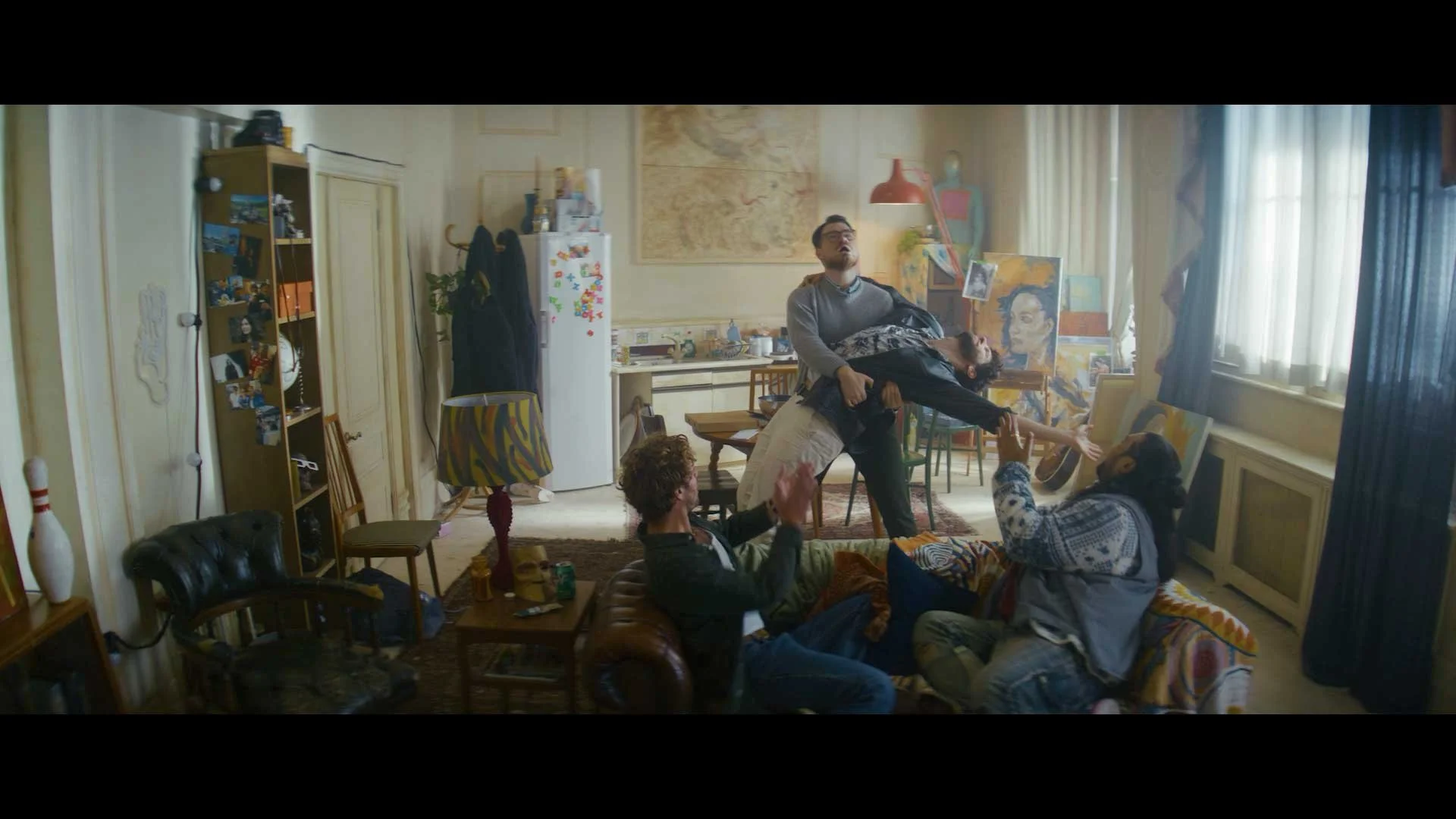
From stage to screen
Almost 15 years after Les Misérables was famously brought to the big screen, La Bohème is treading the same path - albeit with a significantly lower budget for marketing!
But for a classically trained soprano, the move from opera house to film set is not simply a change of venue, it is a shift in artistic language. Hall, who trained at the Guildhall School of Music and Drama and later the National Opera Studio, describes herself first and foremost as a singer.
“I studied vocal studies, a purely singing course,” she says. “So yeah, my training is as a singer and the acting kind of came through the operatic process.”
On stage, opera demands scale: exaggerated gestures, heightened expression and projection to reach the back row. Film, by contrast, invites subtlety.
“You could be much more subtle and natural,” she notes. “And I think that was a really nice thing to kind of play with.”
Interestingly, not having previously performed Mimì on stage proved an advantage. Without ingrained physical habits or “muscle memory,” she approached the character with fresh instincts.
“It was all up for grabs,” she says. “And I think La Bohème as well, and particularly the role of Mimì, she is so natural and straightforward and direct… everything about her is sort of simplicity.”
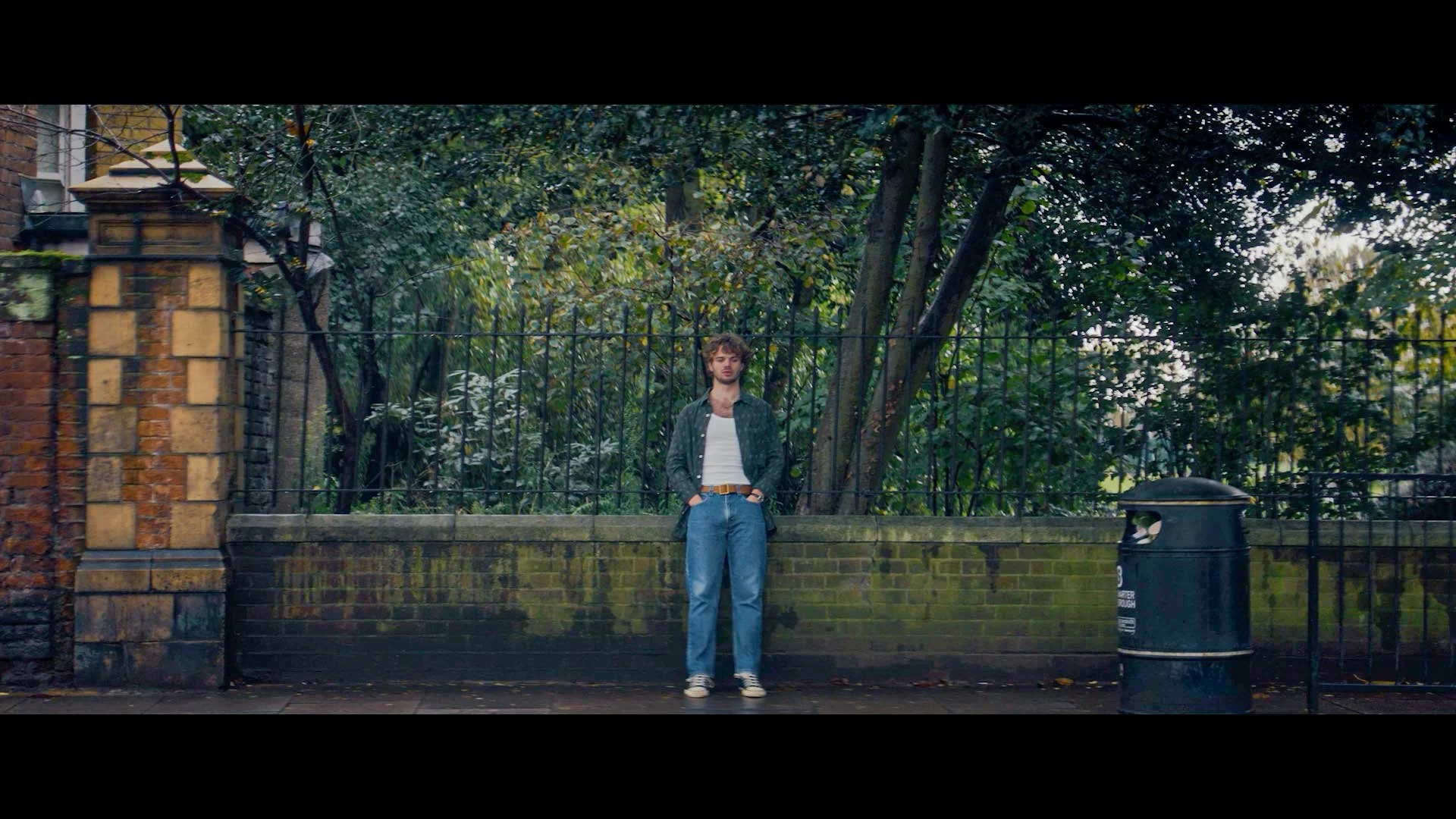
Filming on location in east London brought its own challenges. Scenes were shot outdoors in parks and streets, where uncontrollable elements - from wind to barking dogs - frequently disrupted takes.
“We didn’t really have rehearsal,” Hall explains. “So we were kind of figuring things out on the go with the cameras there, so trying things out and rolling with it.”
The process was physically demanding, particularly for a singer. “We can only really do it so many times,” she says, referring to the limits of the human voice under repeated takes.
Yet despite the pressures, the experience fostered a strong sense of camaraderie among cast and crew.
“Everyone was in the same boat,” she recalls. “Everyone was learning together and adapting to a different way of working.”
One standout moment for Hall was filming the first meeting between Mimì and Rodolfo - a pivotal scene that shapes the entire narrative.
“The beautiful scene in the flat, where they meet for the first time, was a lot of fun to play around with and figure out how we were going to do it.”
While the film is rooted in east London, Hall’s own life has shifted away from the capital. She now lives in Rochester, a move prompted by the upheaval of the Covid pandemic.

Lucy Hall
“My husband [who is also a performer] and I were living in Forest Hill, south-east London, and spending quite a lot of money on rent and not really getting any benefits of living close to town anymore.”
With family ties to the area and more affordable living costs, Rochester offered a practical alternative, without cutting her off from the industry.
“We thought, you know, a 30-minute train journey, it’s quite nice and a lot cheaper.”
The relocation reflects a broader theme echoed in the film itself: the balancing act between artistic ambition and everyday survival.
In bringing La Bohème into the present day, the filmmakers have not attempted to modernise it for novelty’s sake. Instead, they reveal how little its core themes have changed. Young artists still fall in love, still struggle financially and still confront the fragility of life.
For Hall, that universality is what makes Mimì such a compelling character - and what gives the film its emotional weight.
“It sort of goes through the natural cycles of human emotions,” she says. “Even though the music is fairly grand, her character is really straightforward.”
As the cast prepared to watch the finished film together - returning to Hackney, where it was made - there is a shared sense of anticipation and vulnerability.
“We’ve all still got a WhatsApp group. And everyone is, you know, sort of sharing their thoughts and going ‘Ah, this is scary!’.”
It is a fitting sentiment for a production that bridges old and new, stage and screen, tradition and experimentation. For Lucy Hall, stepping into Mimì’s world has been both a challenge and an opportunity, one that places her at the centre of a timeless story, retold for today.
INSTA: @finitefilms