WELL BALANCED: Interview with Kent's internationally-renowned chef Stuart Gillies
Former Gordon Ramsay Group leader, Stuart Gillies on food, experience and the modern approach of his Sevenoaks restaurant Number Eight

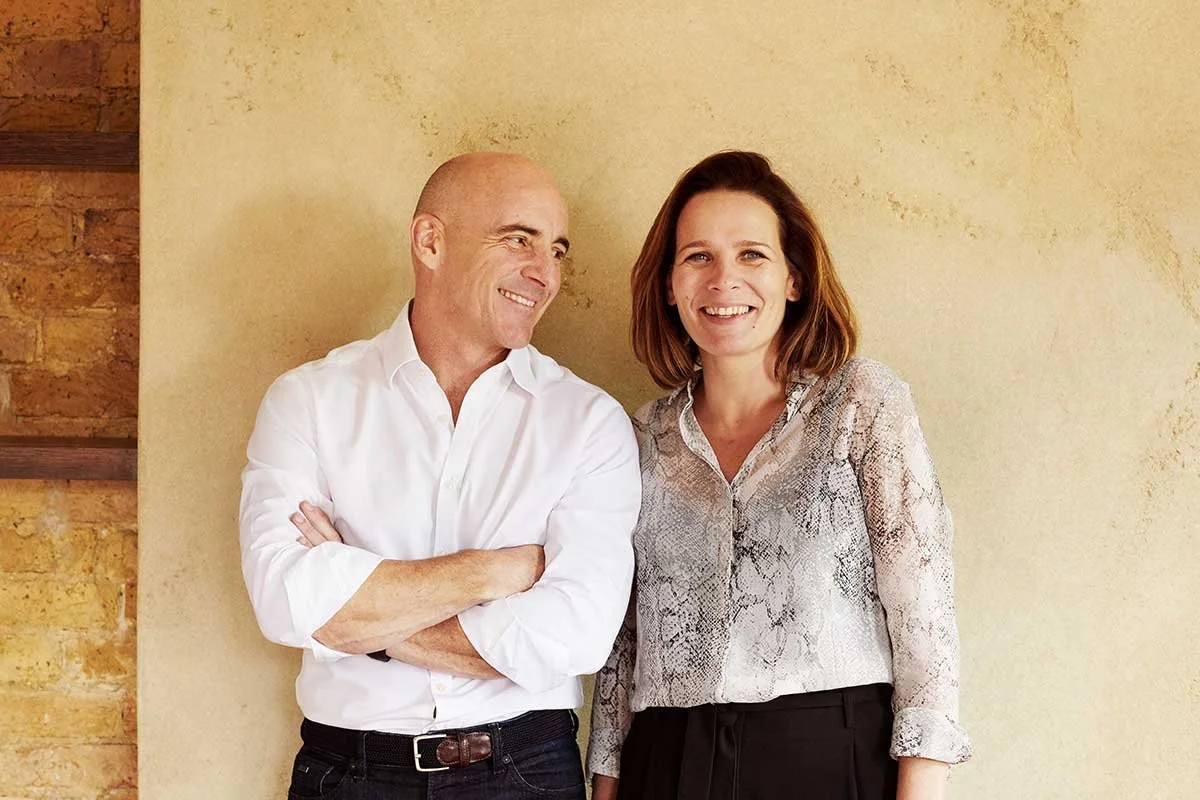
Stuart & Cecelia Gillies
Stuart Gillies has spent a lifetime in kitchens where pressure is currency and precision a given. His career reads like a map of global gastronomy, from Michelin-starred restaurants across Europe to some of London’s most recognisable dining rooms. But at Number Eight in Sevenoaks the chef-restaurateur has distilled those decades into something altogether more relaxed without losing the standards that defined his rise.
“I am still really full on,” he says, reflecting on a career that has taken him from New York to Stockholm, Rome to Mayfair. “But me and my wife Cecelia, we don’t run the places… it’s more about us being around as a support mechanism for the team.”
It’s a telling line. Stuart is no longer the archetypal top-down chef barking orders from the pass. Instead, alongside Cecilia, he has built a model at Number Eight, and at its sister restaurant The Bank House in Chislehurst, that prizes autonomy, balance and a kind of lived-in hospitality.
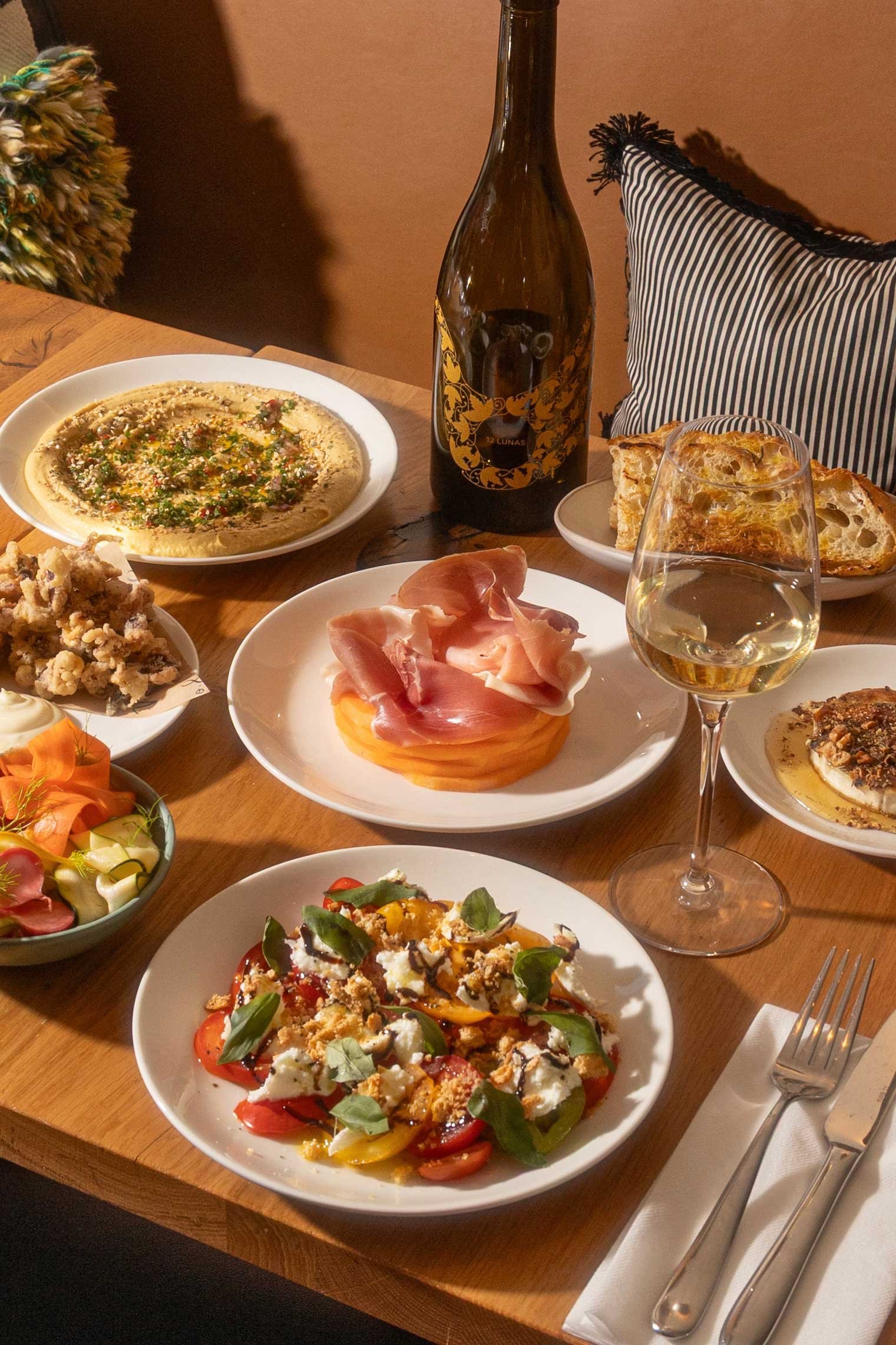
Image by No.8
Leaving his native East Sussex, Stuart’s early career was forged in some of the toughest environments in the industry. He cut his teeth in Michelin-starred kitchens, moving through international postings in Italy and Sweden, eventually landing in New York’s Danielle, absorbing a range of cooking styles that still inform his menus today.
Yet it was his time at London’s once-iconic Le Caprice that proved transformative - not for the food, but for everything around it.
“We’re very, very careful to not ever let it become a ‘special occasion’ place.”
“That was the first place I’d ever worked where it wasn’t necessarily about the food,” he says. “The Caprice was about the buzz… about the people and the profile.”
Standing at the kitchen door and looking out into a room filled with A-listers, Stuart realised something fundamental: restaurants live or die not just by what’s on the plate, but by how they make people feel. “It taught me… it was about the whole package. It’s not just about the food… it’s about all those moving parts.”
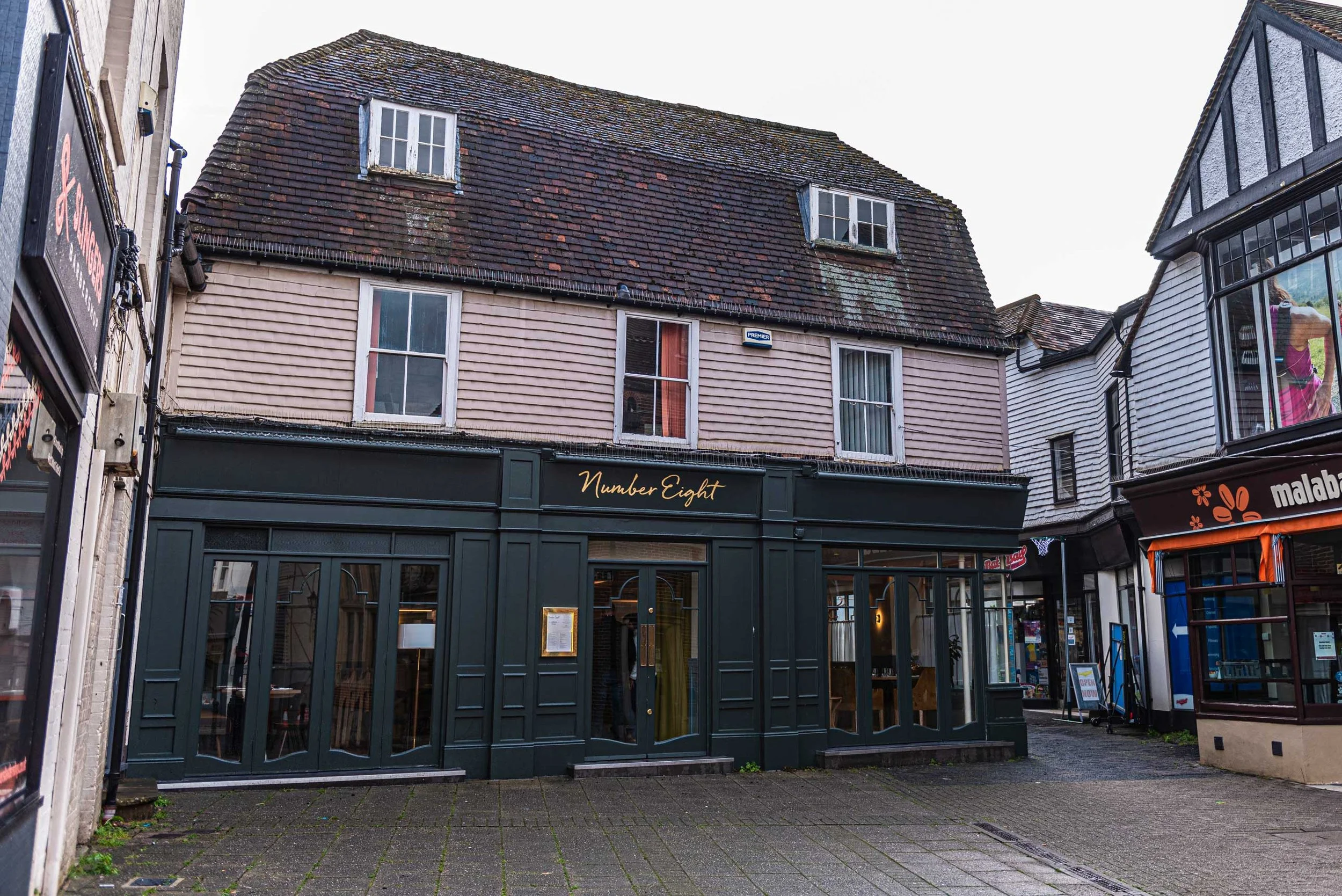
That lesson now underpins Number Eight. Set in the affluent commuter town of Sevenoaks, Number Eight could easily have leaned into special-occasion dining. Instead, Stuart has resisted that pull.
“We’re very, very careful to not ever let it become a ‘special occasion’ place. Ever since day one, we bang that drum regularly,” he says. “If we were a special occasion, we probably wouldn’t have lasted.”
Instead, the focus is on repeat custom, the kind of regulars who come “a few times a month” rather than once a year. That means pricing, atmosphere and menu design all have to align.
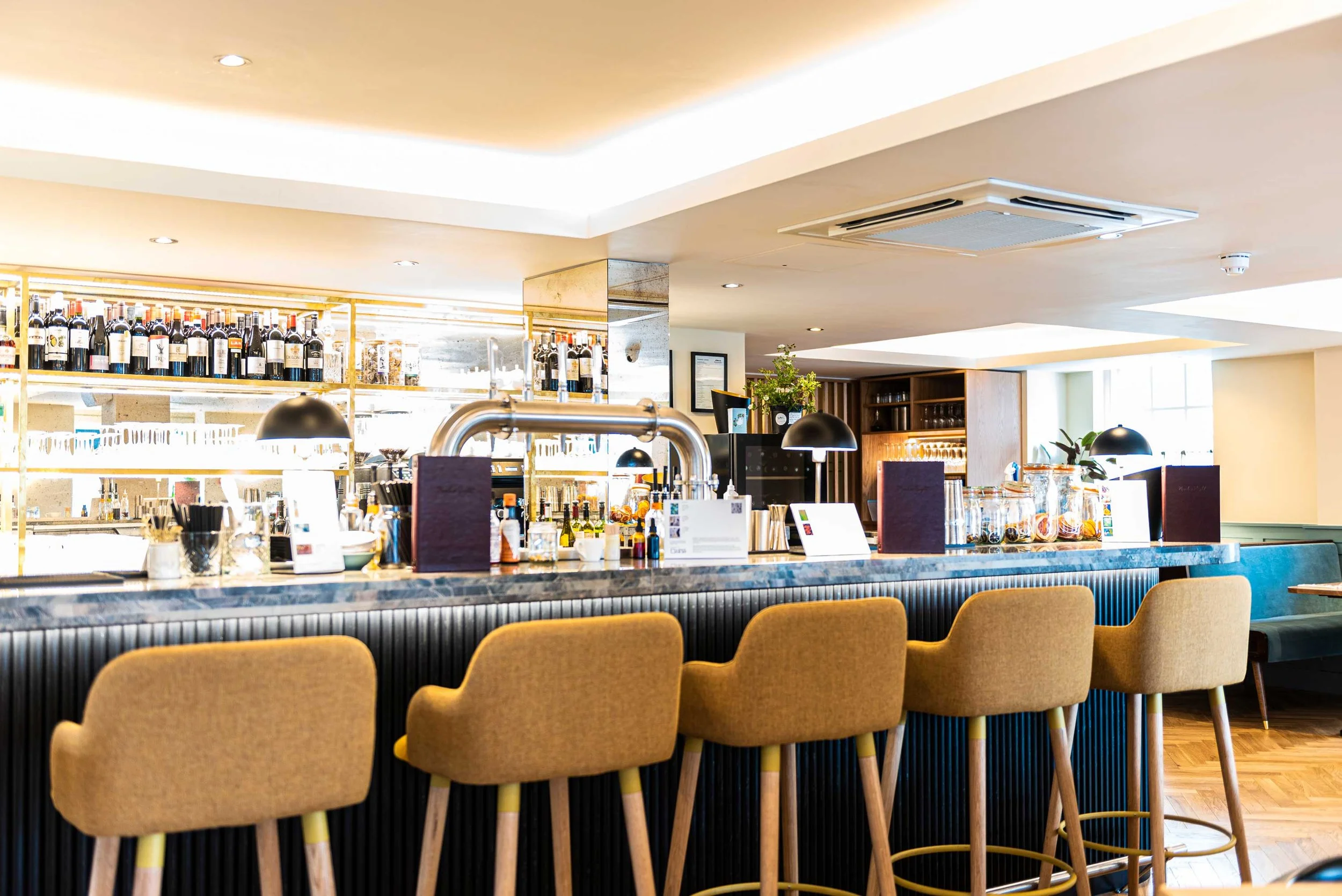
Image by No.8
The lunchtime set menu - two courses for £19.95 or three for £24.95 - is remarkably affordable and sets the tone. On our visit, it began not with formality but with a playful touch: cumin, salt and vinegar popcorn, a small but telling gesture. “We want guests to feel valued, that we’re looking after them,” Stuart says. “It might not mean anything to some people, but some people really notice.”
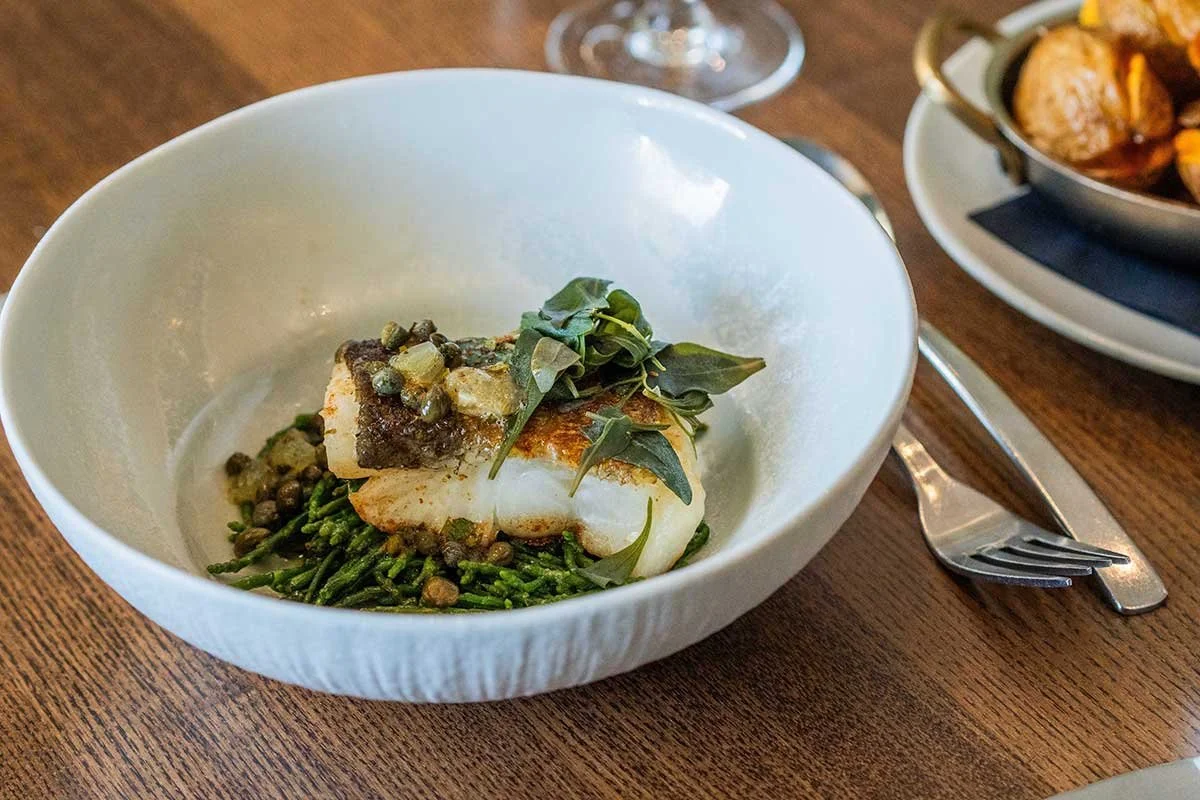
That philosophy continued through the meal. Shrimp arancini arrived crisp and golden, offset by lime crème fraîche, while Scottish oak-smoked salmon crostini were lifted by egg, caper and tarragon salsa, sharpened further with a sensational, eye-opening lemon and vodka gel. It’s cooking that nods to classic technique but isn’t bound by it, exactly the kind of cross-influence Stuart absorbed abroad.
Number Eight didn’t arrive fully formed. Originally conceived as a small-plates concept, it quickly ran into resistance.
“It just didn’t click… people said they didn’t feel full up,” Stuart recalls. The feedback, overheard rather than formally gathered, prompted a swift rethink. “We’re going to slowly morph from small plates into small, medium and large.”
ON OUR VISIT, WE HAD…
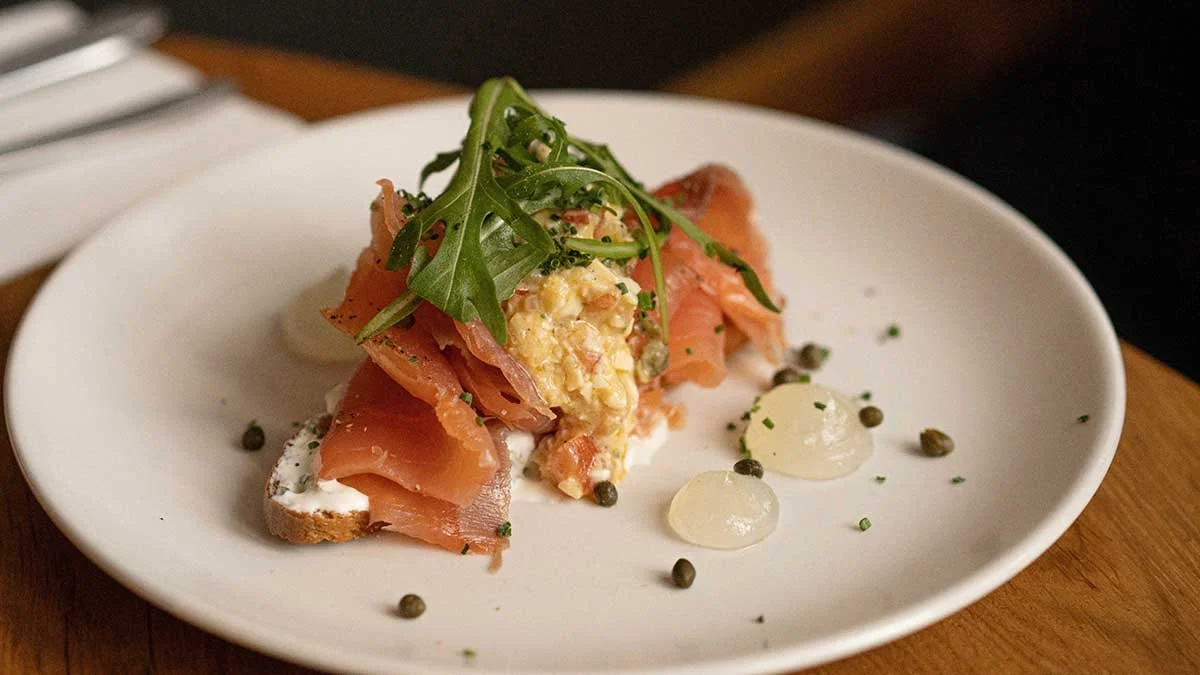
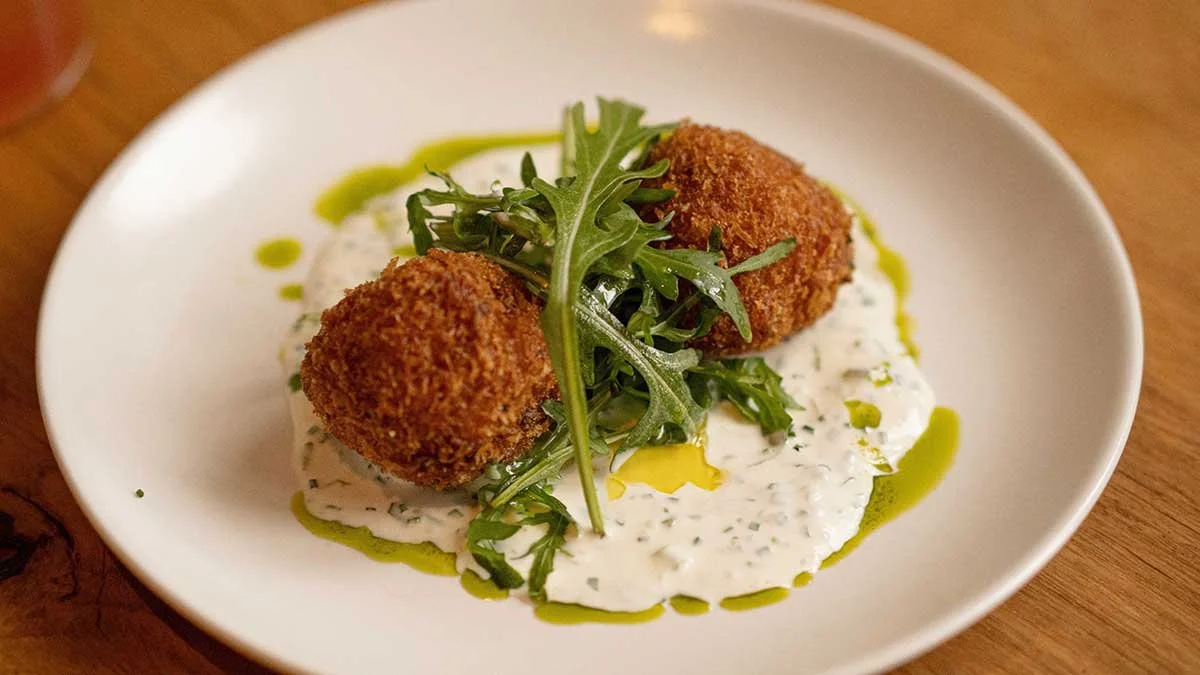
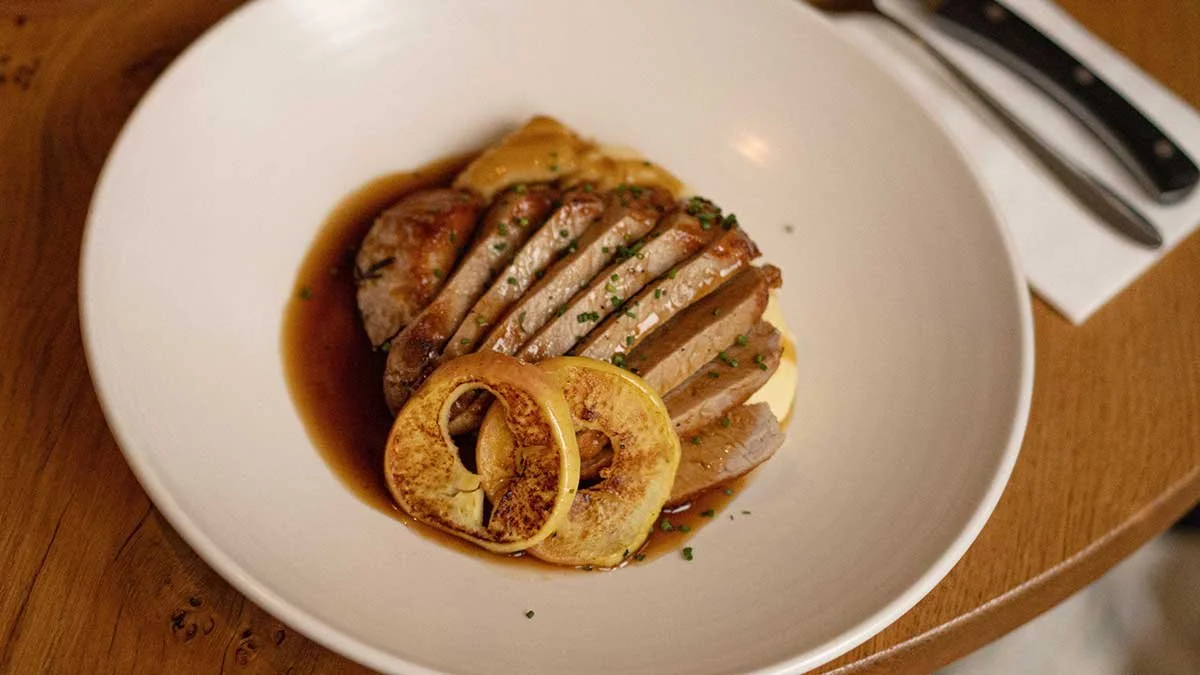
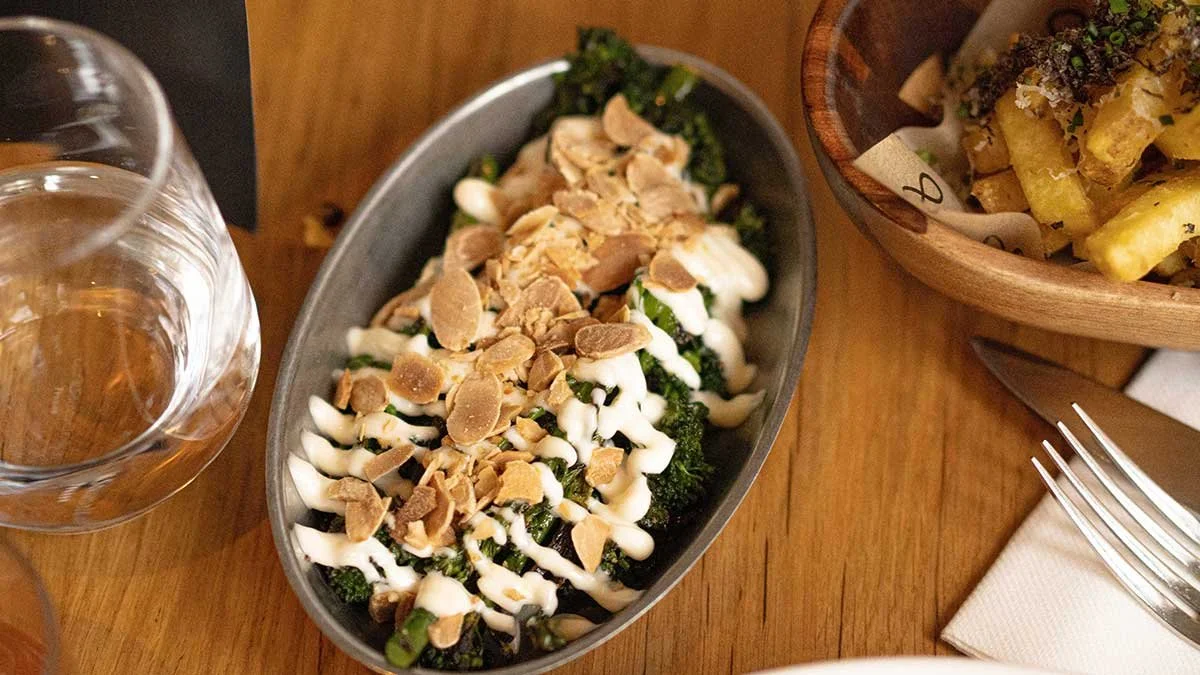
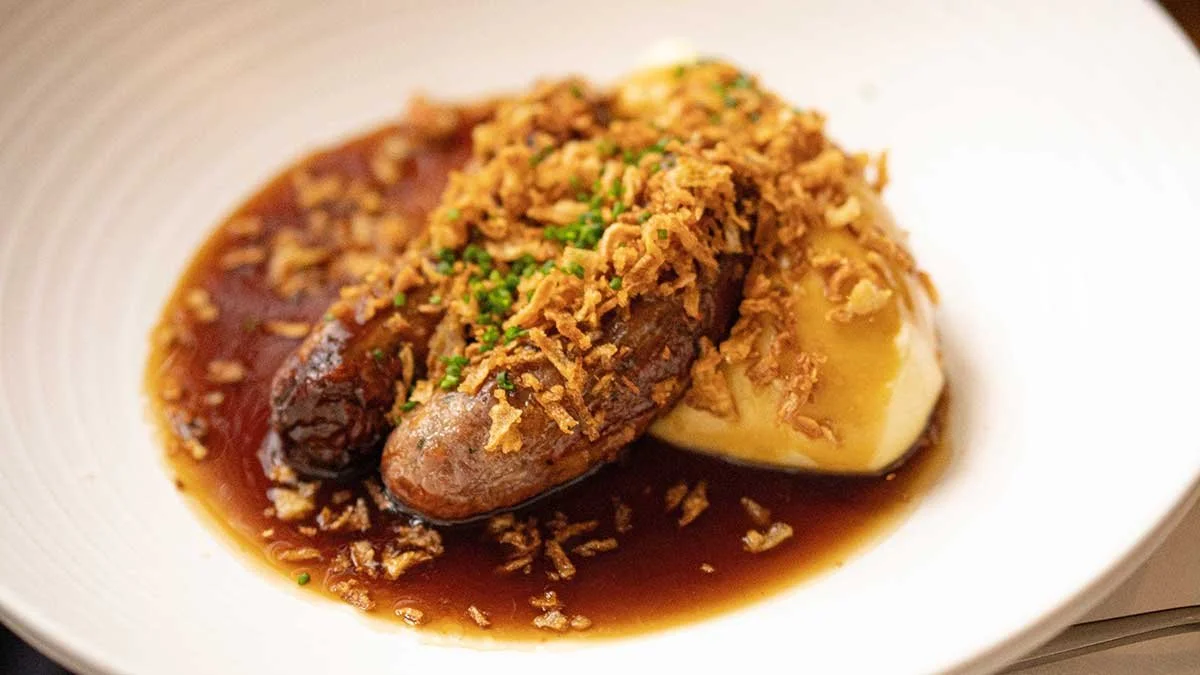
Images by ‘cene Media Ltd
The result is a flexible structure that allows diners to graze or commit to a traditional three-course meal. It’s a system that encourages both casual visits and more indulgent evenings.
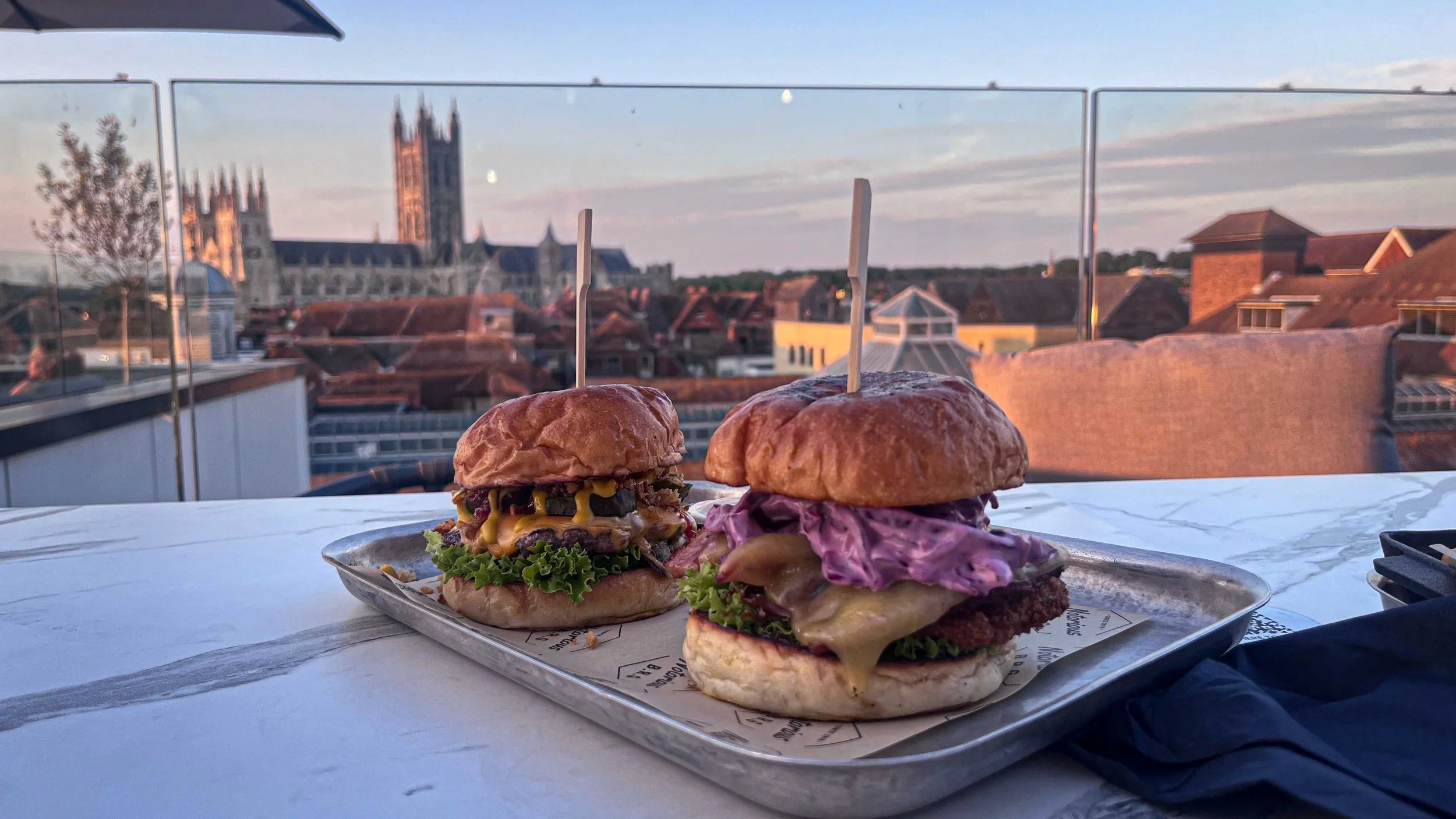
Our mains reflected that shift towards comfort and generosity: Toulouse sausages with mashed potato and red-wine sauce, topped with crispy onions, and a grilled pork-loin steak served with mash and roasted apple. These are dishes built for satisfaction rather than showmanship - generous, deeply flavoured and rooted in an understanding of what the guests required.
“It wasn’t about what the chef wanted to cook… it was about what the guests wanted,” Stuart says, echoing his Le Caprice education.
Behind the scenes, the structure is deliberately non-hierarchical. “We don’t run a vertical process… we definitely run a horizontal process,” he explains. Menus are developed collaboratively. “We cook together and talk through ingredients… it’s very shared and democratic.” For Stuart, dictating from above would be “really dysfunctional” in a family business setting.
This extends to service. Staff are given guidance but not scripts. “We cut them loose… they chat to people and engage and have a lot of fun with it,” he says. “They actually feel like they’re allowed to be themselves.”
It’s a philosophy born partly of necessity. “Keeping chefs and recruiting can be a nightmare,” he admits. Labour shortages and rising costs have forced operators to rethink how they build and retain teams. At Number Eight, that means balance.
“They don’t want to work 60 hours a week… they want to have a good balance,” he says of staff outside central London. It’s a stark contrast to his own journey, and that of his son Luca, who is also a chef in the city, but it’s not the model he wants to run.
In fact, there are many differences that are shaping the modern restaurant - constraint, particularly around cost, is a theme.
“You can’t be so free and fluid anymore with ingredients, it’s cost-prohibitive,” he says.
Where once chefs could order almost anything, today’s menus are shaped by pricing, availability and the realities of running a business with a small team. “You have to be a lot smarter at engineering your cost basis with your product - that’s how we survive.”
As a guest, you notice a difference in the final price but can still feel like you’ve indulged.
The Millionaire Fries - laden with truffle, herbs and Parmesan - or in a £7 pink grapefruit Negroni, are sensational.
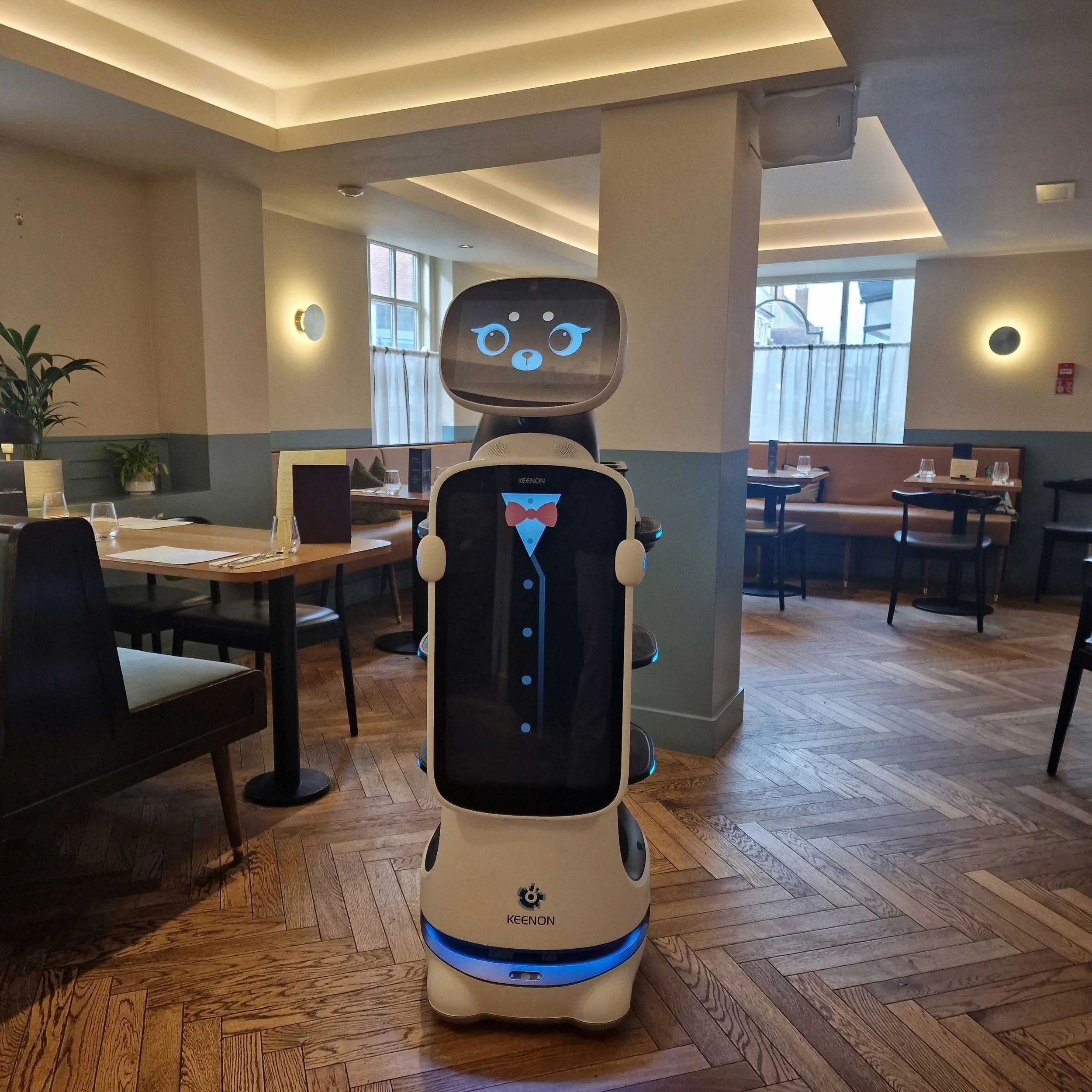
Jean Claude
Stuart is also unafraid to experiment. A recent trial of a robot waiter - nicknamed Jean Claude - was less about automation and more about curiosity. “You’ve got to keep chucking stuff in to keep the experience real, fresh, experiential,” he says.
It’s a long way from the intensity of Michelin kitchens or MD and then CEO of the Gordon Ramsay Group. But in many ways, it’s closer to what Stuart values now: energy, fun, attention to detail and, above all, a sense of purpose.
Four years into its life, the Number Eight philosophy is evident in every detail - from the easy warmth of the service to the depth of experience behind it. It’s not about spectacle. It’s about getting the fundamentals right, again and again, for the people who keep coming back.
INFO: no8sevenoaks.com
INSTA: @no8sevenoaks
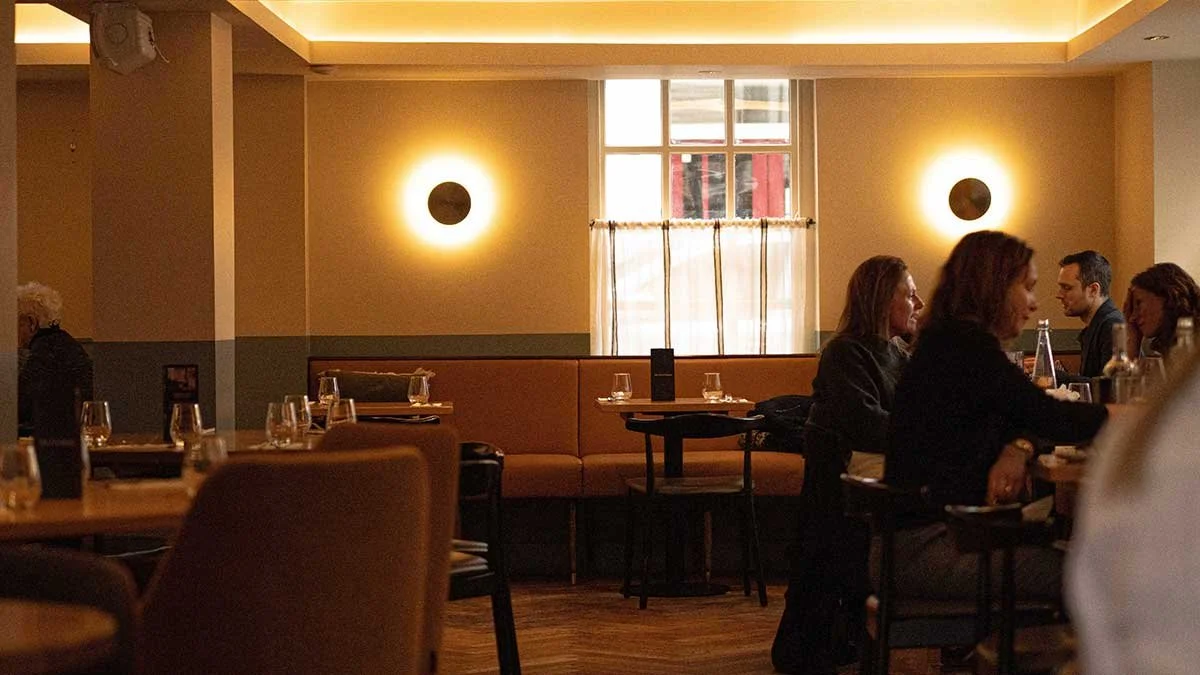
Image by ‘cene Media Ltd