PEACE AND TRANQUILLI-TEA: The Japanese Tea House in the Kent countryside
South Green’s Amberlea Japanese Teahouse is serving connection to the soul - Words by Sam Wood


Images by Sam Wood and Amberlea Teahouse
Visiting this teahouse wasn’t what I expected for the food and drink edition of ‘cene.
I’d expected it to be about, well, tea. And some insights into dishes, spices and cooking while drinking tea.
I had not prepared for my soul to be uncovered and given reasons to be, before being patted on the head and sent back out into the Kent countryside.
Apparently, that’s what happens when meeting someone like James Tran, owner of Amberlea Teahouse in South Green.
When the idea for Amberlea was given to me, I was surprised. I live very near South Green and hadn’t known such a teahouse existed by my doorstep, hidden in a local valley-side that enjoys sunsets.
But then again, that’s how James likes it. “We were busy, once, when we opened. But we didn’t like it, so we avoid taking on too much. That bad stress isn’t why we do it.”
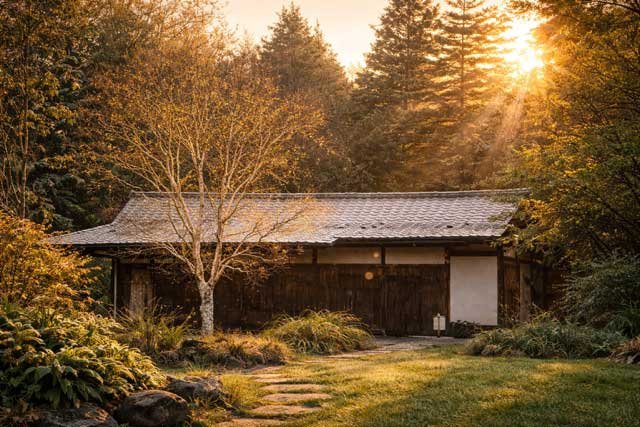
James tells me this as we sit in the kitchen of Amberlea, a huge pan of delicious-smelling chicken cooking beside us. He pours jasmine tea while we wait for guests to finish in the main teahouse.
“My wife ran a very successful restaurant and I work in construction,” he says. “We run this place to be what we want. We own it entirely outright, we welcome no more than three bookings daily and every evening we watch the sun setting across the valley.”
James has lived in the UK since his family arrived in the mid-80s. As one of the Vietnamese boat people, they escaped the threat of communist rule after the war, settling in London.
Each summer, he would travel into Kent with his family to work on farms, usually around Maidstone.
“I don’t do this for money. The point of Amberlea is providing a service to our guests, but that service is a connection.”
“Apple-picking, pear-picking, strawberry-picking, in Yalding, Maidstone, Coxheath,” he says. “I know the area well. So, I’ve always had a connection to Kent – it’s a place rich in feeling in the landscape and is very beautiful. Years later, when I returned and found this location in South Green, with the sun setting over the valley, everything was clear.”
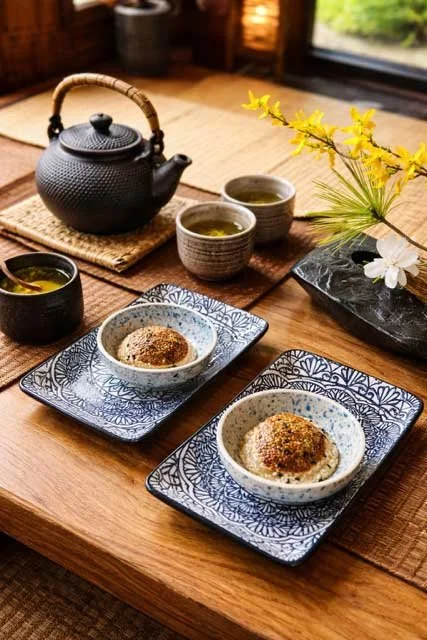
The main teahouse now vacated, we relocate there (the tea follows us, though it might genuinely be vice versa) and that same valley-view strikes me as he pours another tea and his wife kindly brings us dishes of green mochi chocolate.
It had been tricky at first getting James’s attention. I’d got in touch, said I wanted to know more and that being in this magazine reaches a different side of Kent – basically saying it would be great for business – and James responded “I’m not sure you know what we do here”.
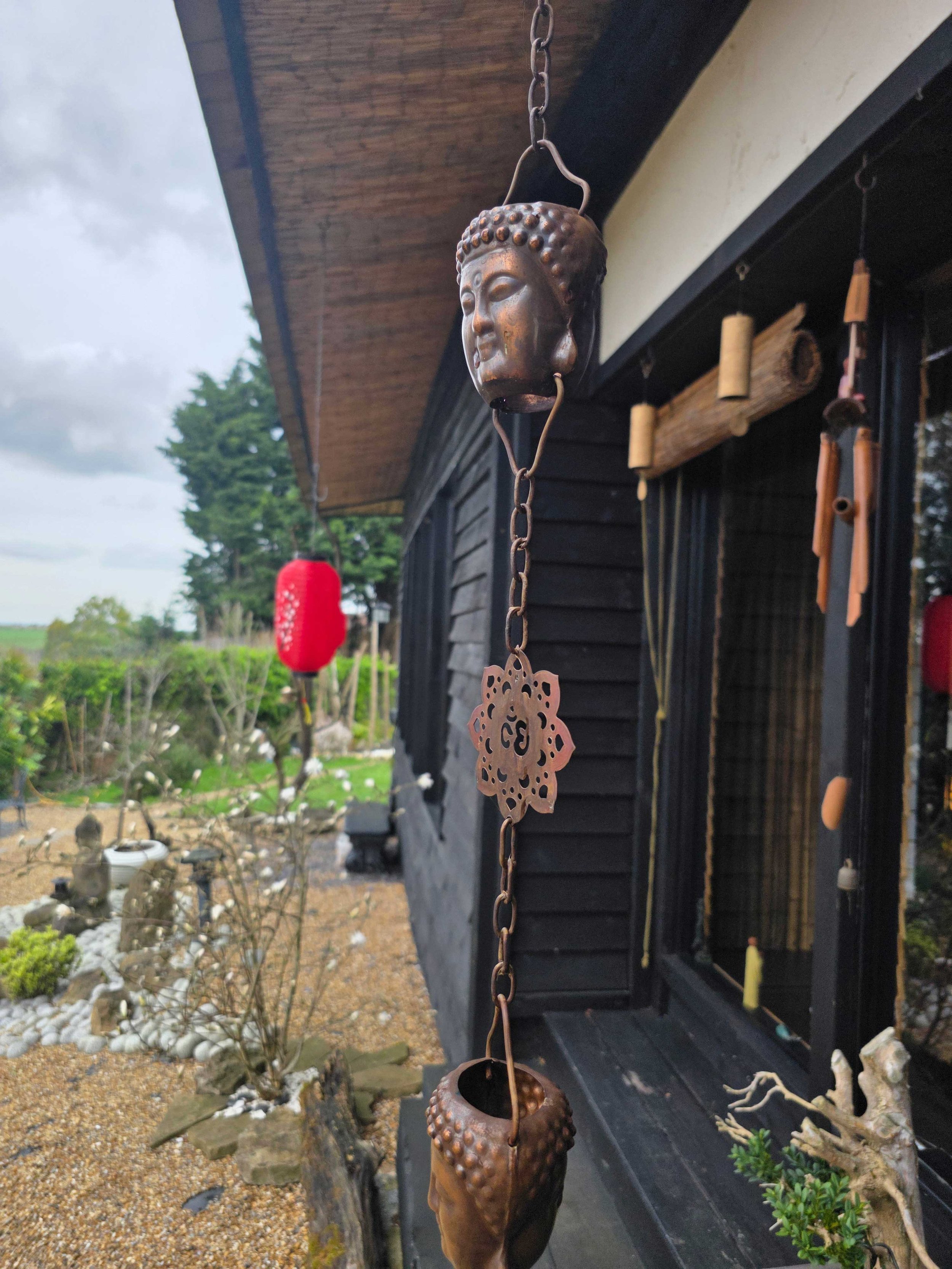
Sitting now in this tranquil teahouse adorned with utensils and ornaments from across Asian culture but central to Zen, he explained: “I don’t do this for money. The point of Amberlea is providing a service to our guests, but that service is a connection. Connection with us, connection with the tea, the food, the beautiful environment around them and connection with themselves.”
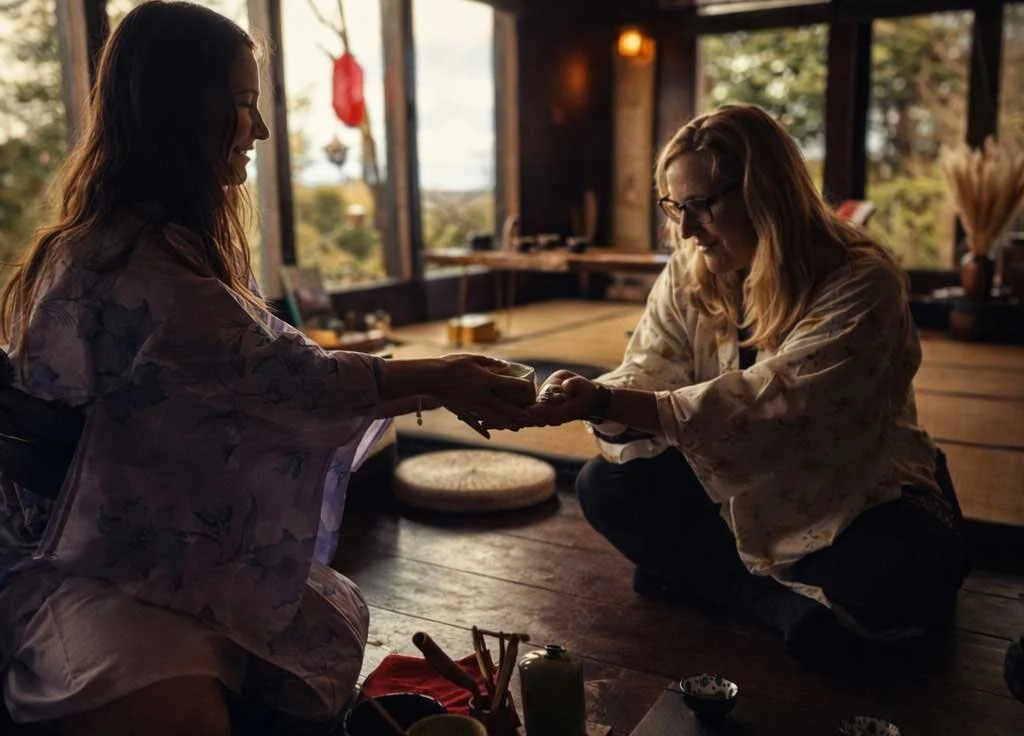
Essentially, we’re taking a cup of perspective, meant to be shared, and I note the similar philosophy of the great chef Anthony Bourdain.
“Yes, Bourdain exactly makes these points,” says James. “But also, the food here – I eat it. My wife and I help each other improve as we cook, which then helps us with the cooking classes we hold here, too. It is important to perfect a simple meal. Last week, she made me noodles. Eating them, I was transported back many years to Vietnam, when I was a youngster.”
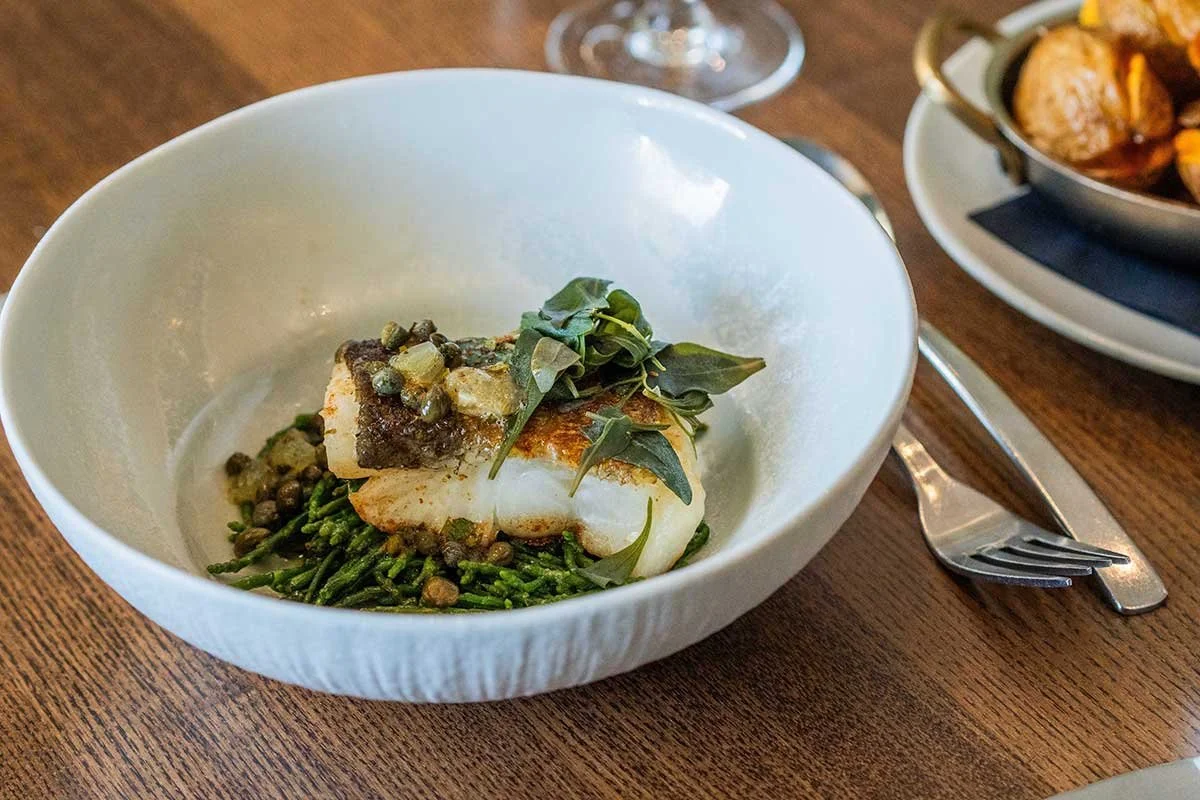
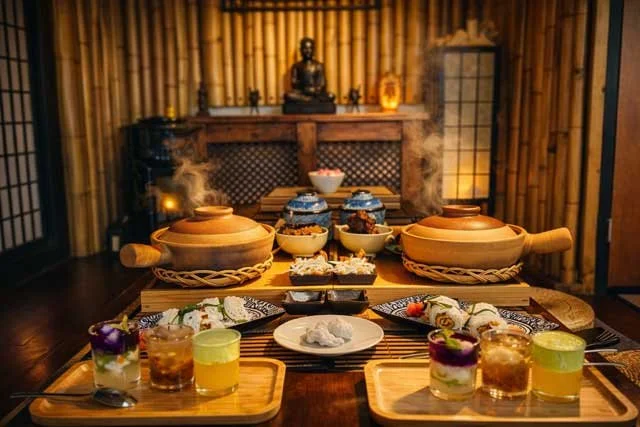
Amberlea, of course, serves food in the same manner: delicious, simple, perfected but with that same connection that permeates the tea ceremony.
As James speaks, I’m reminded of the film Ratatouille as the grim critic has negative illusions shattered when reminded, through food, of a time and a place, of people, and himself.
James breaks through my considerations of Zen and Pixar: “See out there?” He suddenly points to a section of the ornate Zen garden, to a seating area overlooking the valley, with branches above. “The pigeons love to sh*t there. And we clean it up every day and we appreciate this privilege. It gives us the opportunity to understand balance in life: the pigeons shit, we clean, and the guests enjoy good food in the same beautiful part of Kent as the pigeons.”
Having spoken to James for only a few minutes, this is all making a stunning amount of sense to me. I realise this isn’t the norm in hospitality.
This isn’t a matter of simply pressing Play on a muzak version of ‘Asian Zen Tranquillity (version 5)’. It all comes down to the tea.
“The tea ceremony we do here is Japanese but similar across Asia,” he says. “These are ways monks try to teach life philosophy. You’d come to the temple and, instead of him solving your problems within the tea ceremony itself, you’d gain a sense of clarity to solve your problems.”
James looks right at me. “It wouldn’t be the monk solving it, it’d be you finding your own self-perspective.”
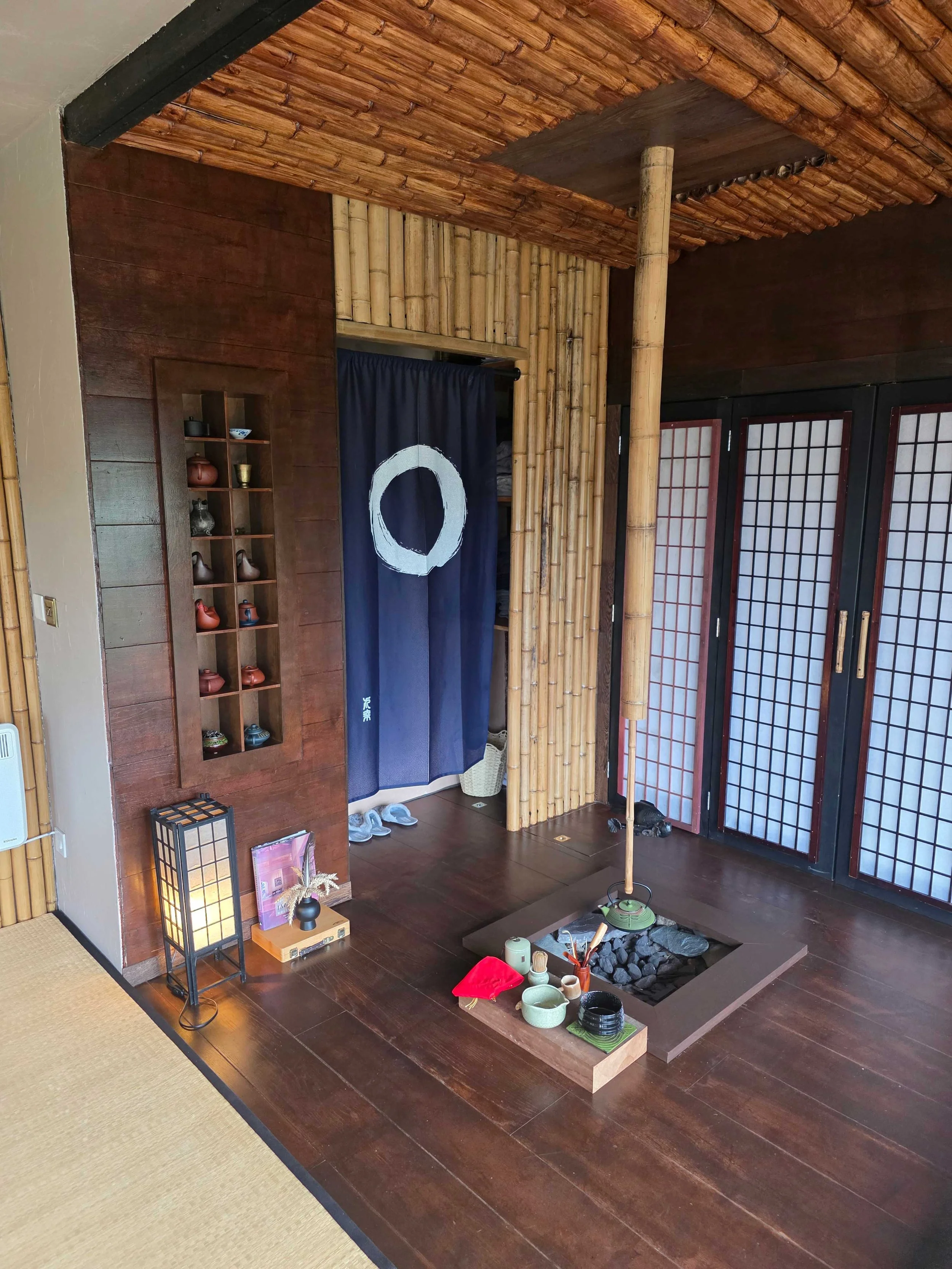
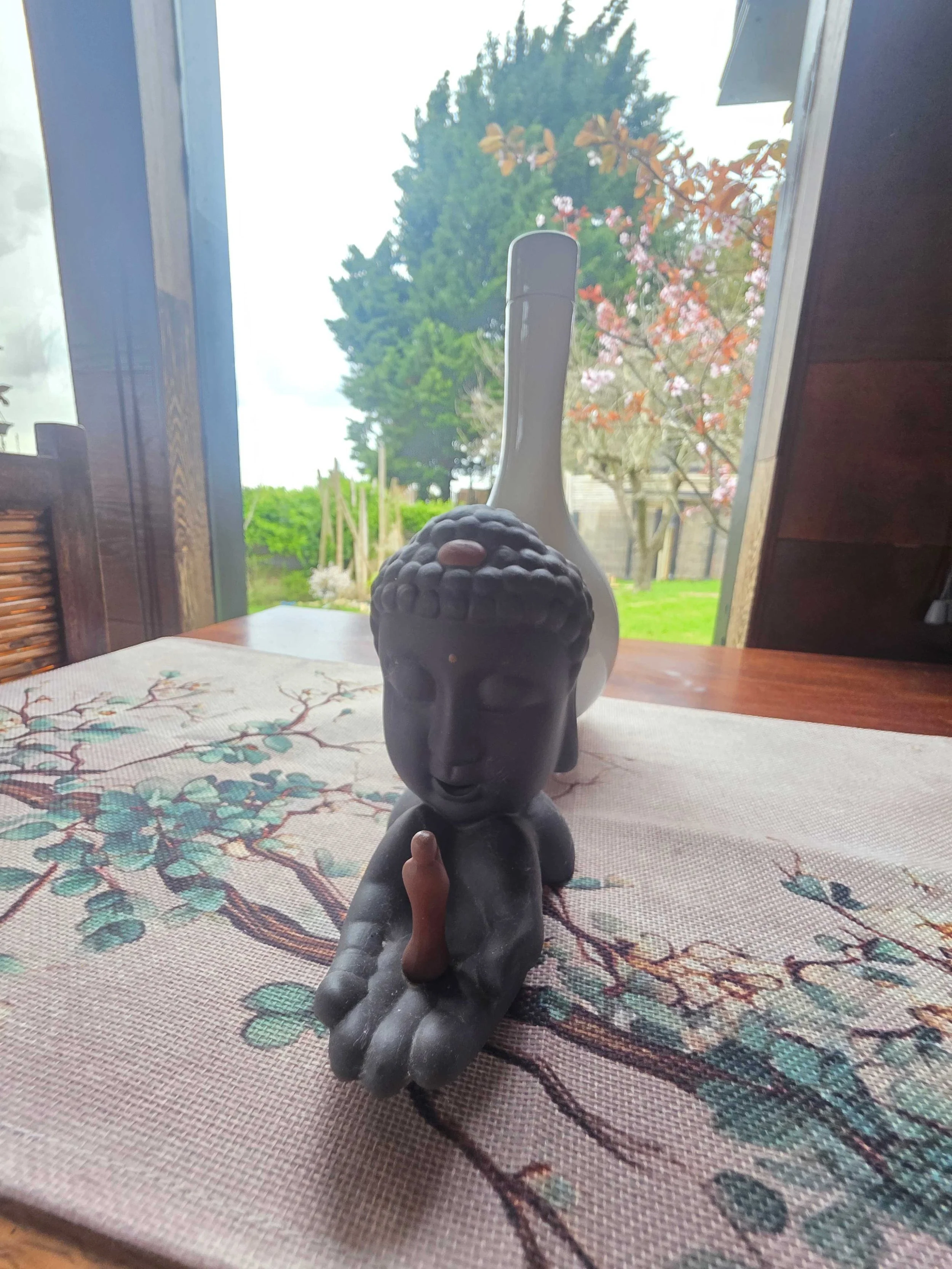
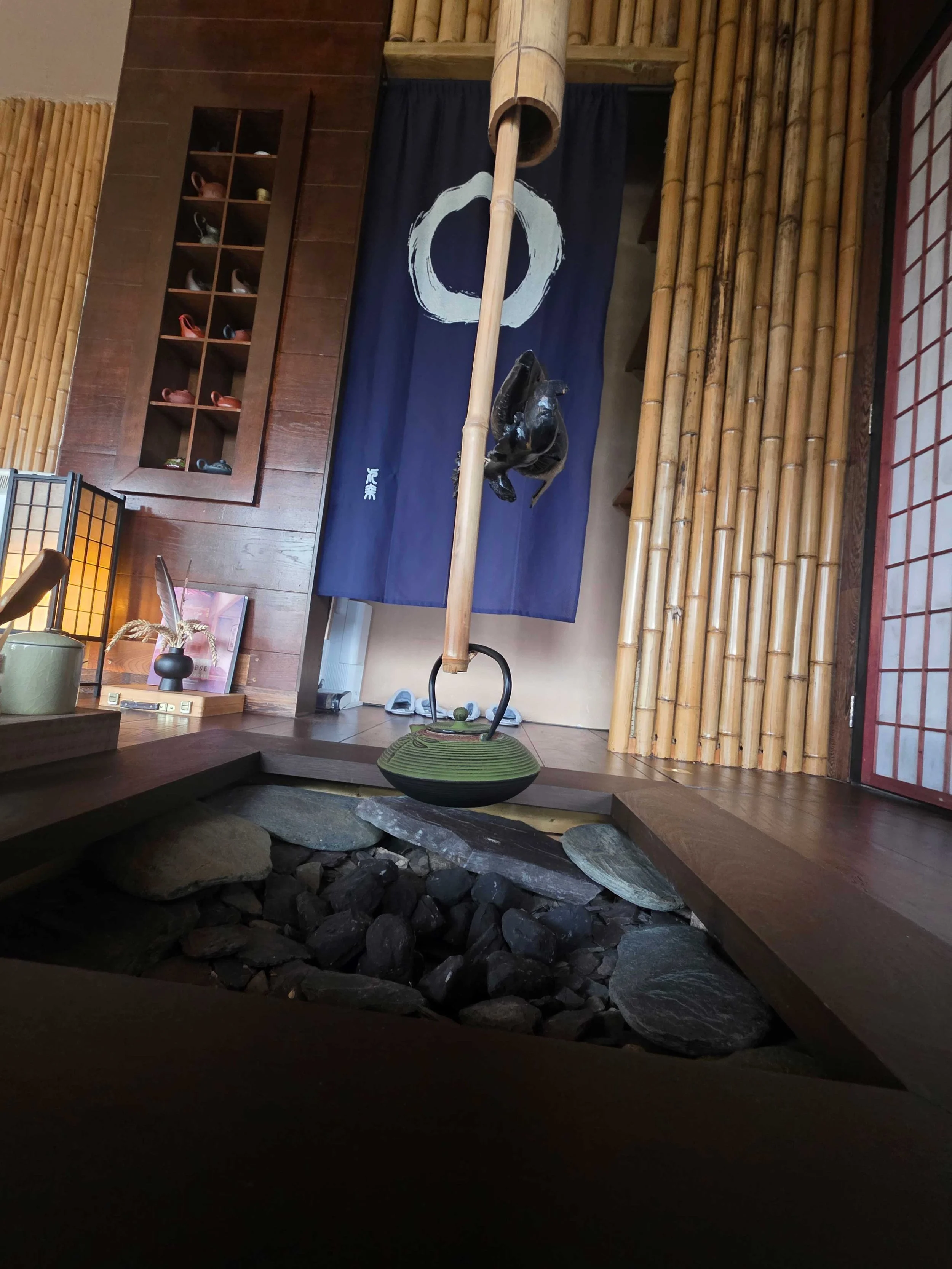
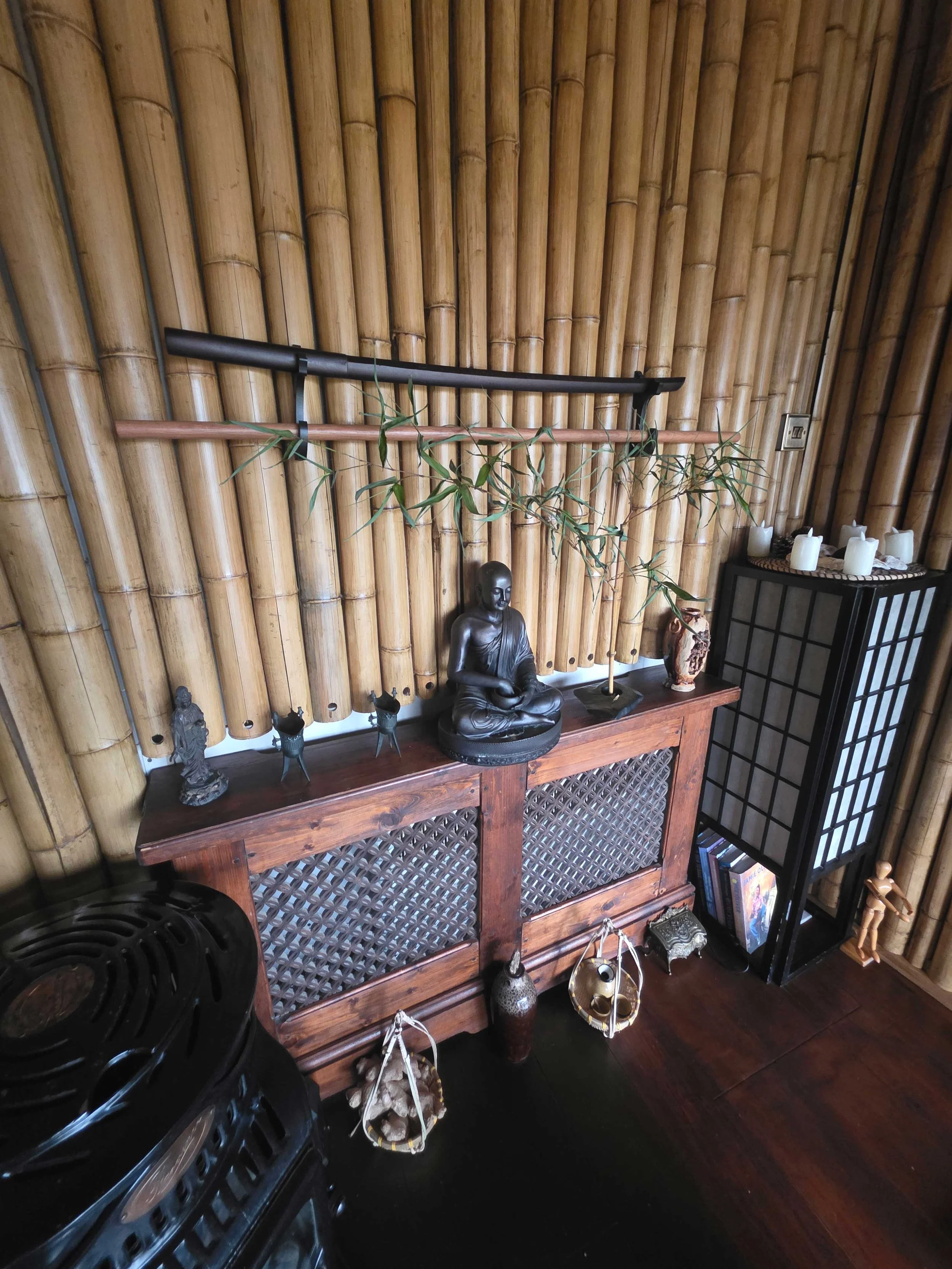
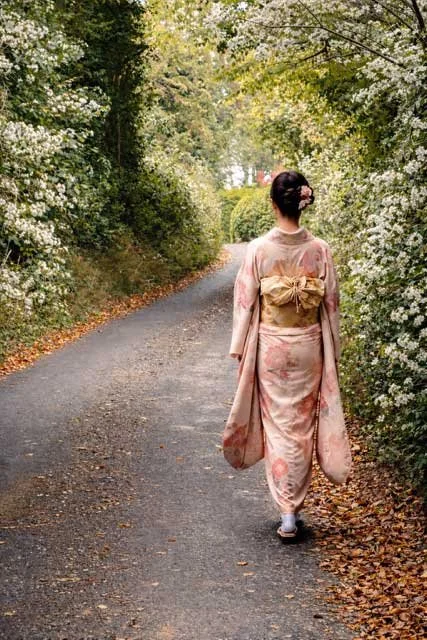
He leaves me to meditate (walk around) the Zen garden overlooking the valley, amid the bathhouse, the tea tables and the array of worldly plants that seem so oddly fitting in this Kent country garden, and I find I’m thinking about my own life through the perspective of James’s.
To have escaped Vietnam, found refuge in the UK and thrived, travelled the world, found a way of harmony to live… I can’t help but think of how James’s mother must have worried about what his life was going to be when escaping their home.
“The brain is like a monkey,” he says. “You need tranquillity to be able to cope. The tea ceremony provides that.”
INFO: amberlea.uk
Jamesnamtran@gmail.com