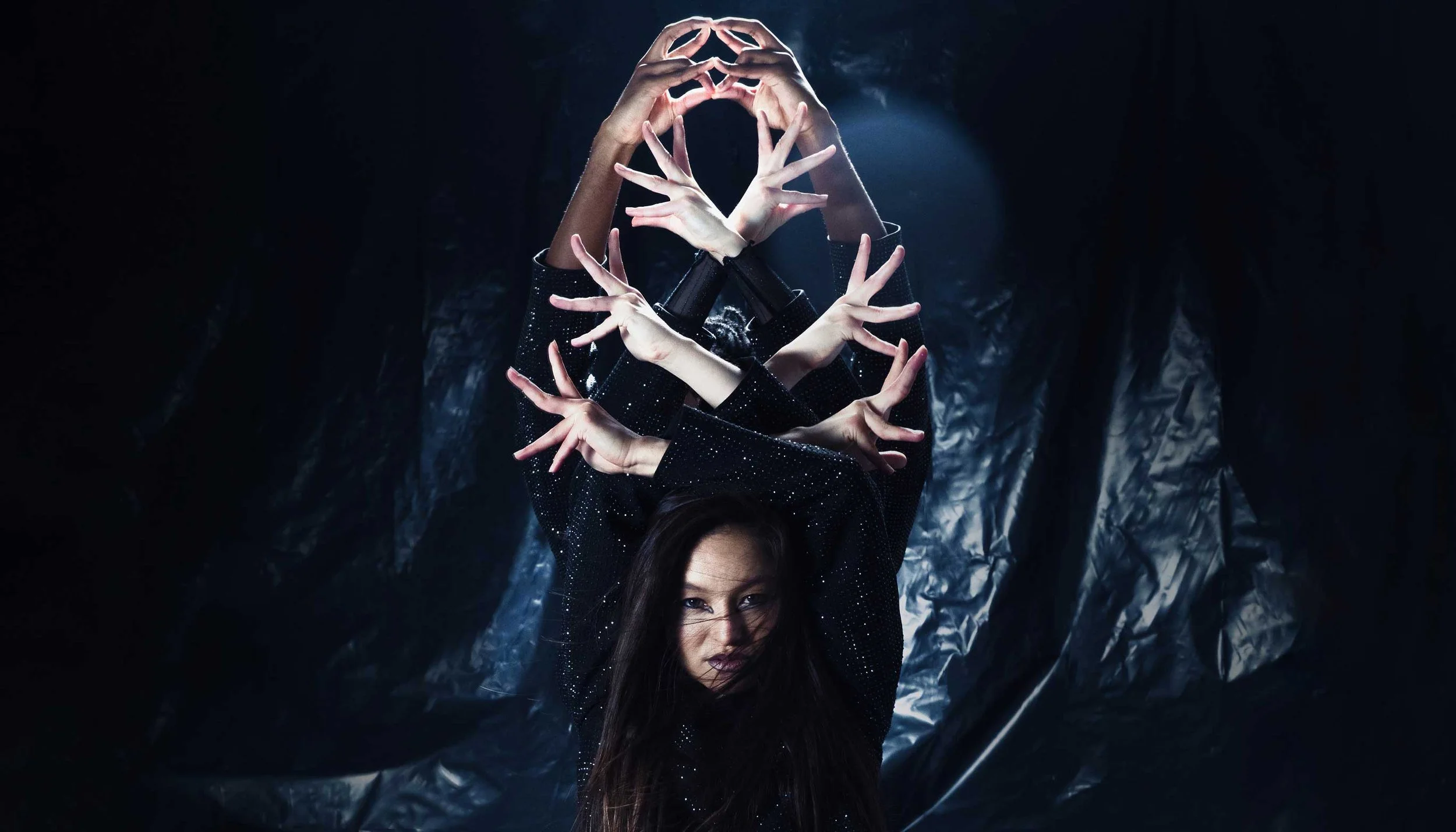
International photographer Jason Knott reveals how reimagining his creative future was forged in a commercial past

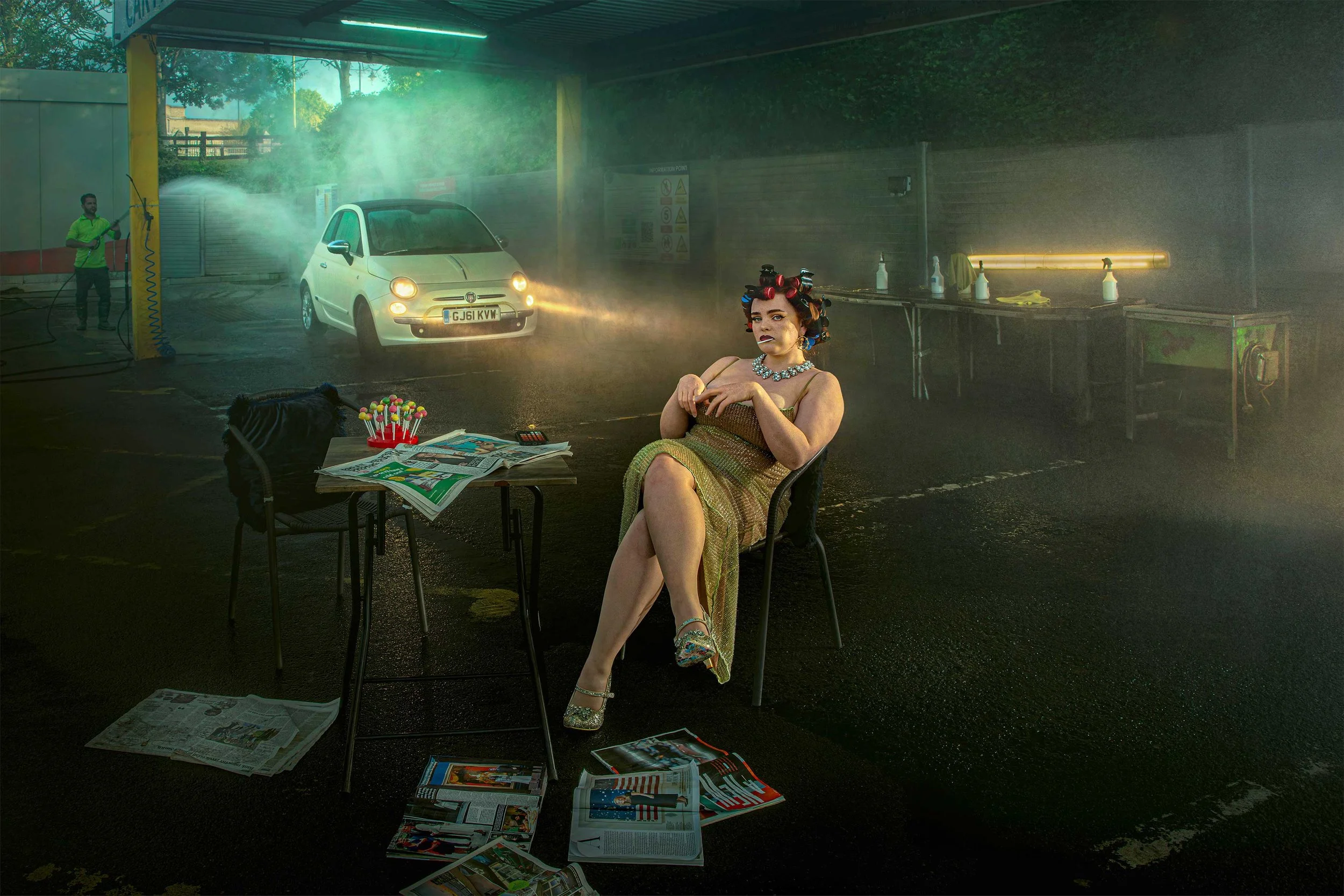
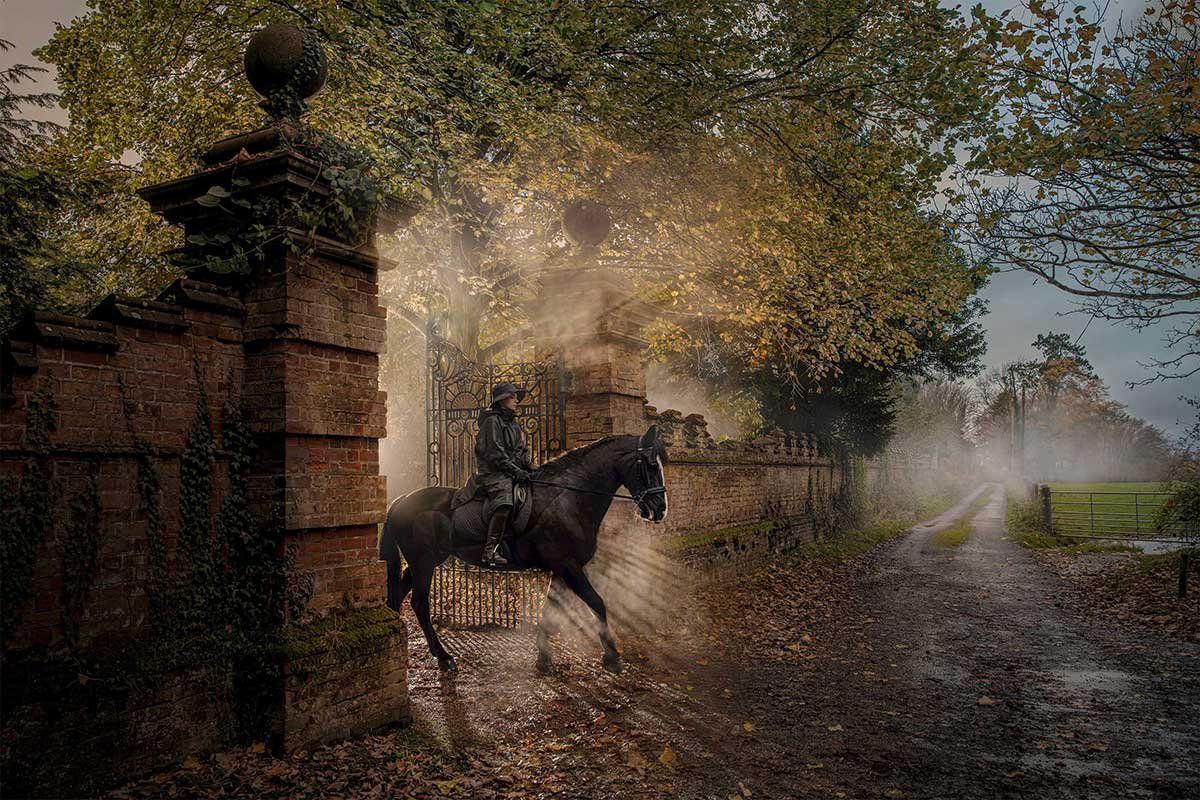
Miss Deadly Red by Jason Knott
Inside Whitstable Castle, a stately home better known for its gardens and genteel weddings, photographer Jason Knott (@jasonknott_official) is staging something stranger: a visual origin story for the phrase ‘Bloody Nora.’ It is part period drama, part folklore, part visual riddle - assembled with dukes, servants, greyhounds and a narrative that hinges, as Jason puts it, on “a stick of celery”.
“I’m always looking for inspiration,” he says. “Little tidbits of information that I pick up.” This time, curiosity led him down a rabbit hole of etymology and anecdote. “I’m a bit of a Bloody Mary fan, so I looked into what it was all about and it turns out it was a servant who was employed as a maid by a duke in the 1500s or 1600s and she murdered another servant with a stick of celery. So that’s the story, and that’s enough to get started.”
The result is a shoot that feels both theatrical and tactile, carefully staged yet rooted in something older than aesthetics: storytelling. It also marks a decisive turn in Knott’s career. After three decades shooting global advertising campaigns, he is returning deliberately, almost stubbornly, to something more personal.
“I’ve had a brilliant career for about 30 years, shooting advertising,” he reflects. “I’ve done all the clichés. I’ve been around the world. I’ve shot for all major brands. I’ve just had a brilliant life.”
He really has. The photographic awards are multiple and probably only numerically bettered by a corporate client list that would have the Olympics green with envy.
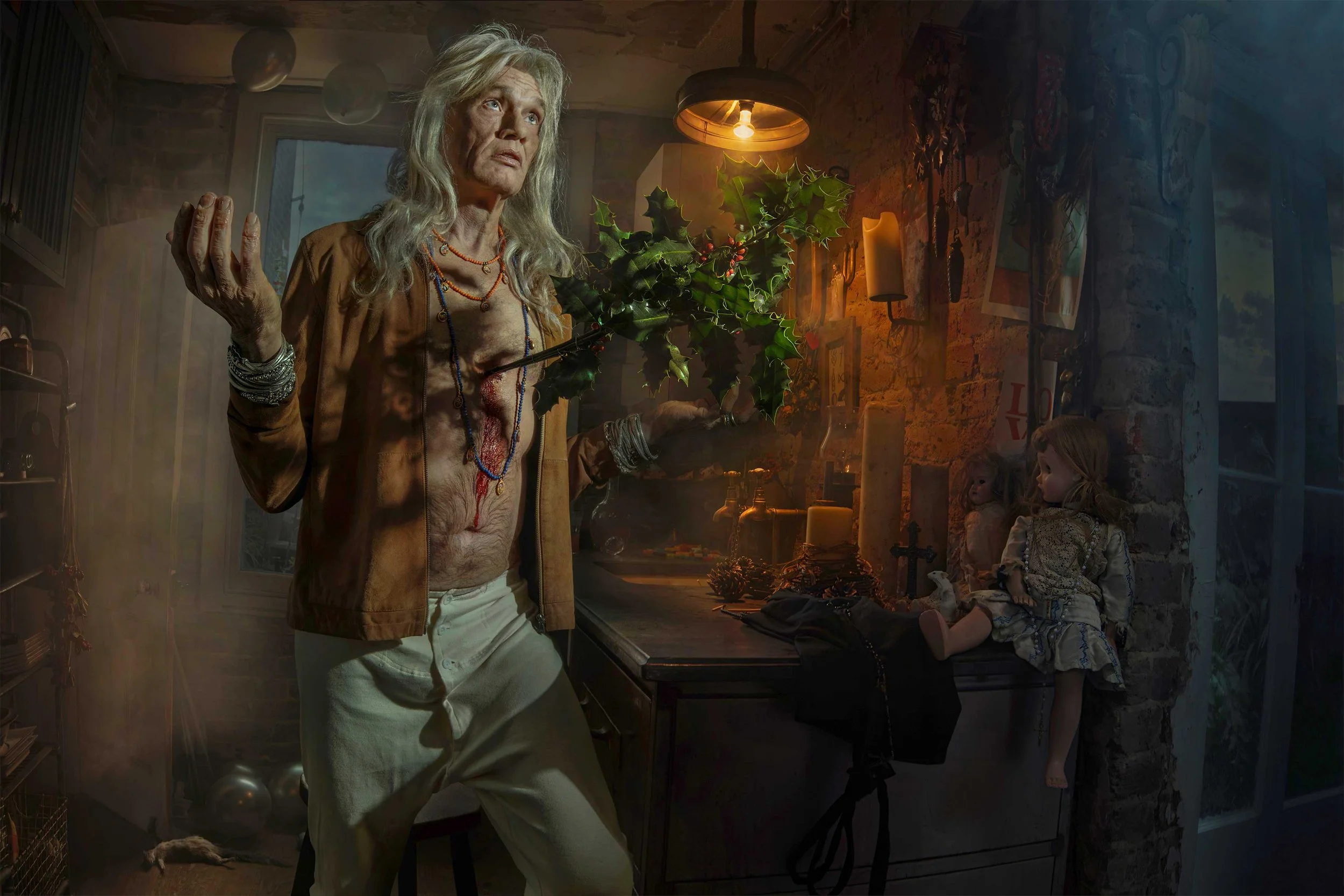
Folklore
But after some significant health scares, the momentum shifted. “After Covid… it changed a lot of people, especially in creatives. So I was on a bit of a re-mission to look at my work - I just got a bit bored. It wasn’t me.”
That moment of reckoning triggered a quiet reinvention. Jason stepped away from representation in Paris, New York and London, assembling instead a close-knit creative team and a new direction. “It’s work that I want to put on a wall so I can feel like I can exhibit again,” he says. “It’s the art-based stuff that I used to do when I first started 30 years ago, that you kind of lose when you get pulled into the advertising world.”
If Whitstable represents a new chapter, the philosophy behind it is rooted much further back. Long before digital manipulation, presets and artificial intelligence entered the mainstream, Jason was experimenting with whatever he could find. As a kid he experimented with an old box camera, tinfoil, paper and passers-by.
“That was all there was,” he recalls. The limitation wasn’t a barrier, it was the foundation. No fakes. No substitutes.
“To me, being a photographer isn’t about sitting in front of a screen. It’s about getting out, experiencing travelling, meeting people, dipping in and out of people’s lives.”
In an industry increasingly shaped by post-production and synthetic imagery, his stance is almost contrarian. “To me, being a photographer isn’t about sitting in front of a screen. It’s about getting out, experiencing travelling, meeting people, dipping in and out of people’s lives. I’ve got an interest in people and their stories.”
It is also, explicitly, a rejection of the current visual economy. “It’s very antisocial media, this whole thing where it’s all about quantity in a couple of seconds,” he says. “I was just like ‘No, I want images that you have to stop and read, how it used to be’. Take your time. It‘s framed up nicely. Every element of the shot means something and tells a story.”
That insistence on craft extends to his tools, or lack of them. “I use three settings on my camera - the speed, the F-stop a little bit of auto focus - and that‘s it. I don’t use any other driver aids,” he explains. Even his retouching remains minimal: “It’s contrast, it’s colour temperature, it’s the basics.” For Jason, the image is made in the moment, not assembled afterwards.
His scepticism toward AI follows naturally. “I’m not a fan of it. I don’t think anybody that calls themselves an AI artist is strictly an artist,” he says. “To me, they’re a creative director and a prompter. To me, art comes from the heart, the brain and your experience in life. When you’re painting, or anything that’s by hand, you keep going until it’s perfection, and until every inch of that frame is how you want it.”
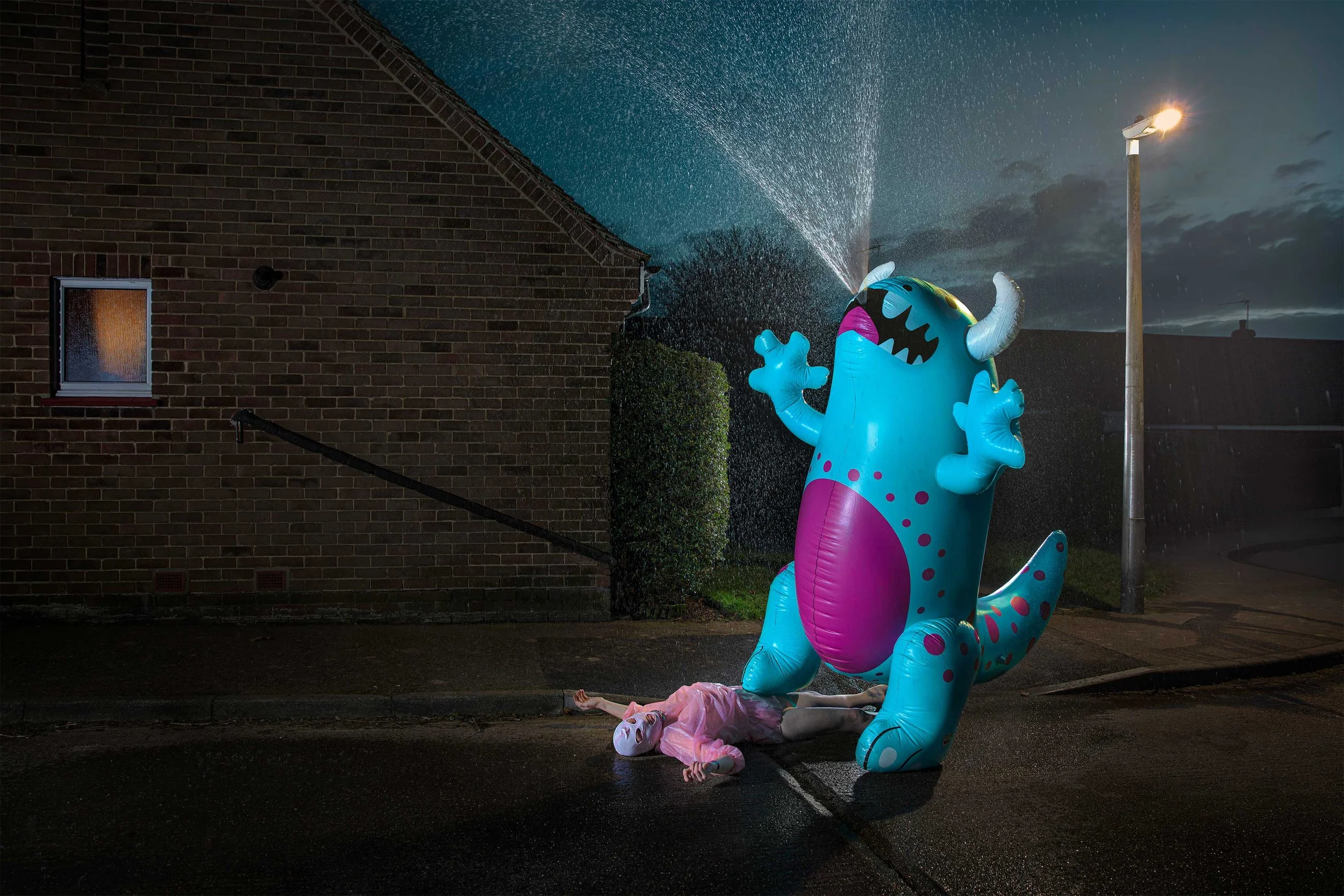
That ethos of patience, of observation, of lived experience, can be traced back to his earliest experiments. At seven years old, he took his first photograph: a paper mache Loch Ness Monster in Scotland.
“When I was younger, I couldn’t afford equipment,” he says. “I worked out that in the Quality Street wrappers I had yellow, red and green, and I used those as the filters on the front of my camera.”
Photography became both an outlet and language. “I found photography was my way of expression. I couldn’t paint as well as I wanted to and I found photography was a means to get out on paper what was in my head.”
That instinct carried him through graphic-design training and into professional work, eventually landing commissions in the music industry. “I think I was 22 or 23 when I started picking up commissions from Chrysalis Records,” he says, naming bands like Carter USM, Kingmaker and The Waterboys. “And then it just took off from there.”
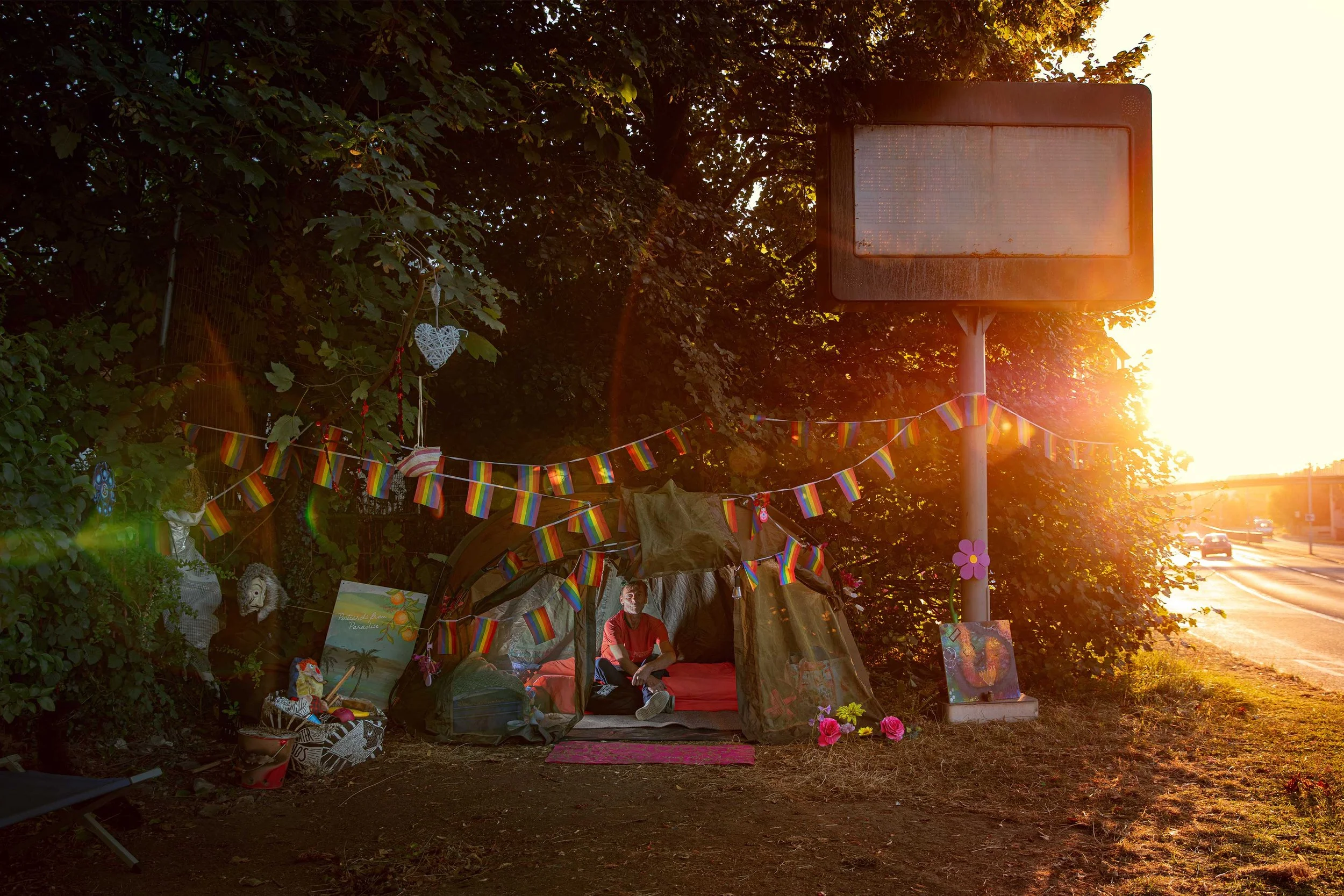
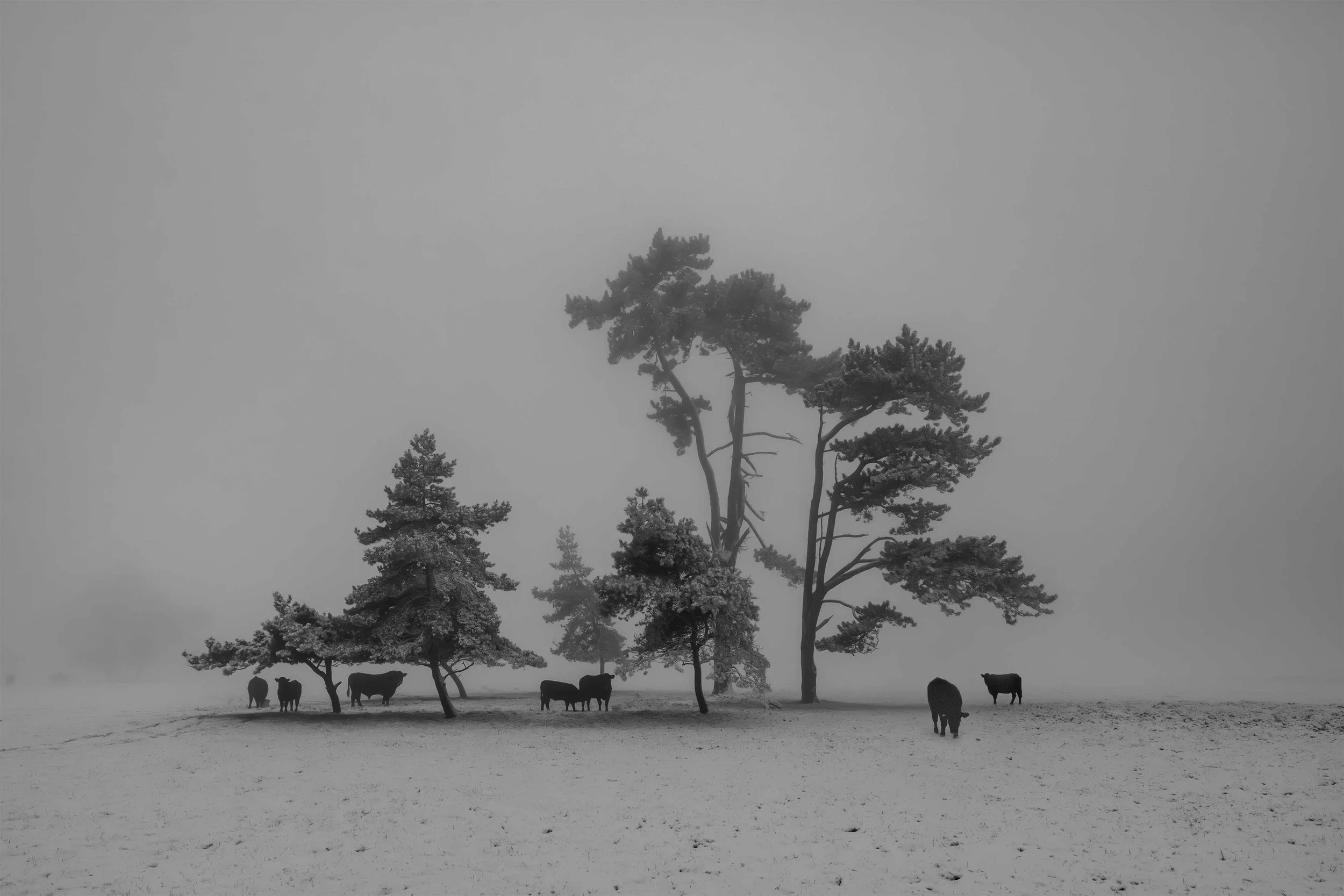
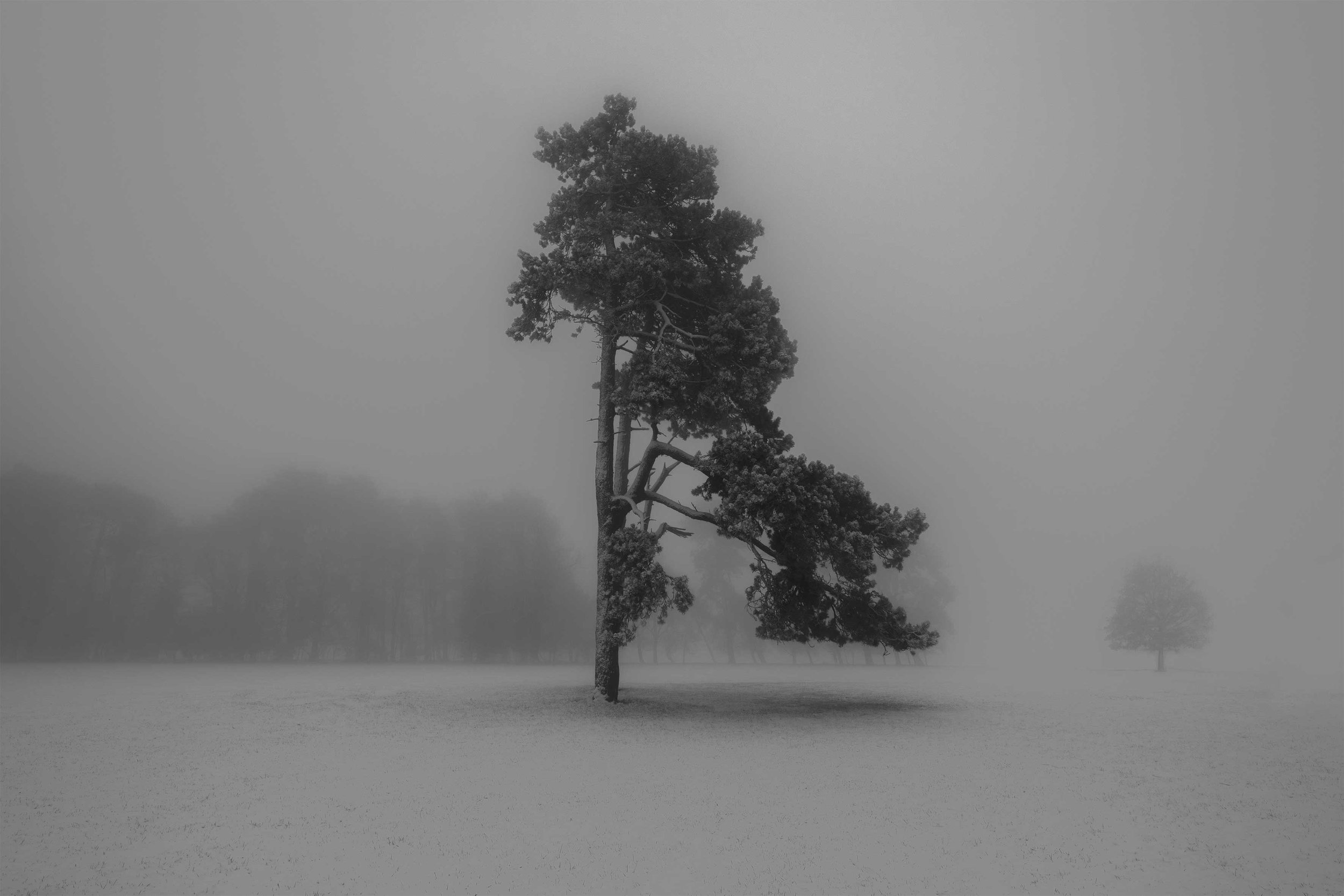
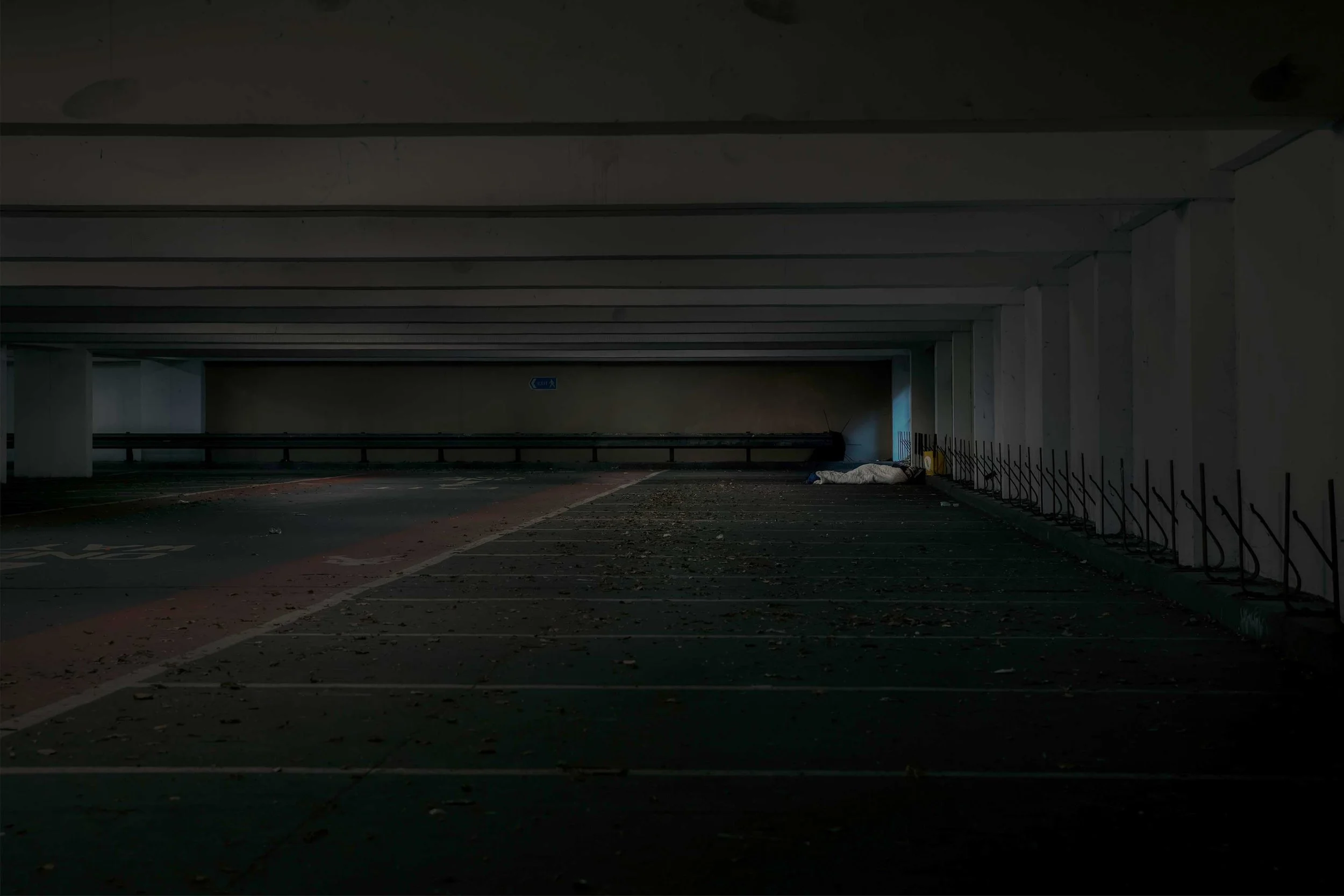
Yet success came with compromise. “When I knew that advertising was kind of calling, you bend what you’re doing to suit the industry,” he admits. “Looking back in hindsight, that was a bit of a mistake.” Still, he resists framing it as regret. “I’ve had a brilliant career… everything that I learned in that 25 years I’m putting into where I’m at now.”
Jason was one of the early photographers that started using flare and shooting into the sun as a tool for new styles of imagery.
“I did get known for that. I went out to LA to shoot personal work and I came back with a load of that stuff. There were a few photographers that were kind of experimenting with that wide-angle flare, all that kind of stuff. I remember coming back and the art directors were almost giggling, saying ‘Yeah, when we need to shoot into the sun, we’ll give you a shout’. It was kind of that attitude.”
Before long, the outlier became the trend and, as all creatives do, Jason moved on, looking for something fresh and new.
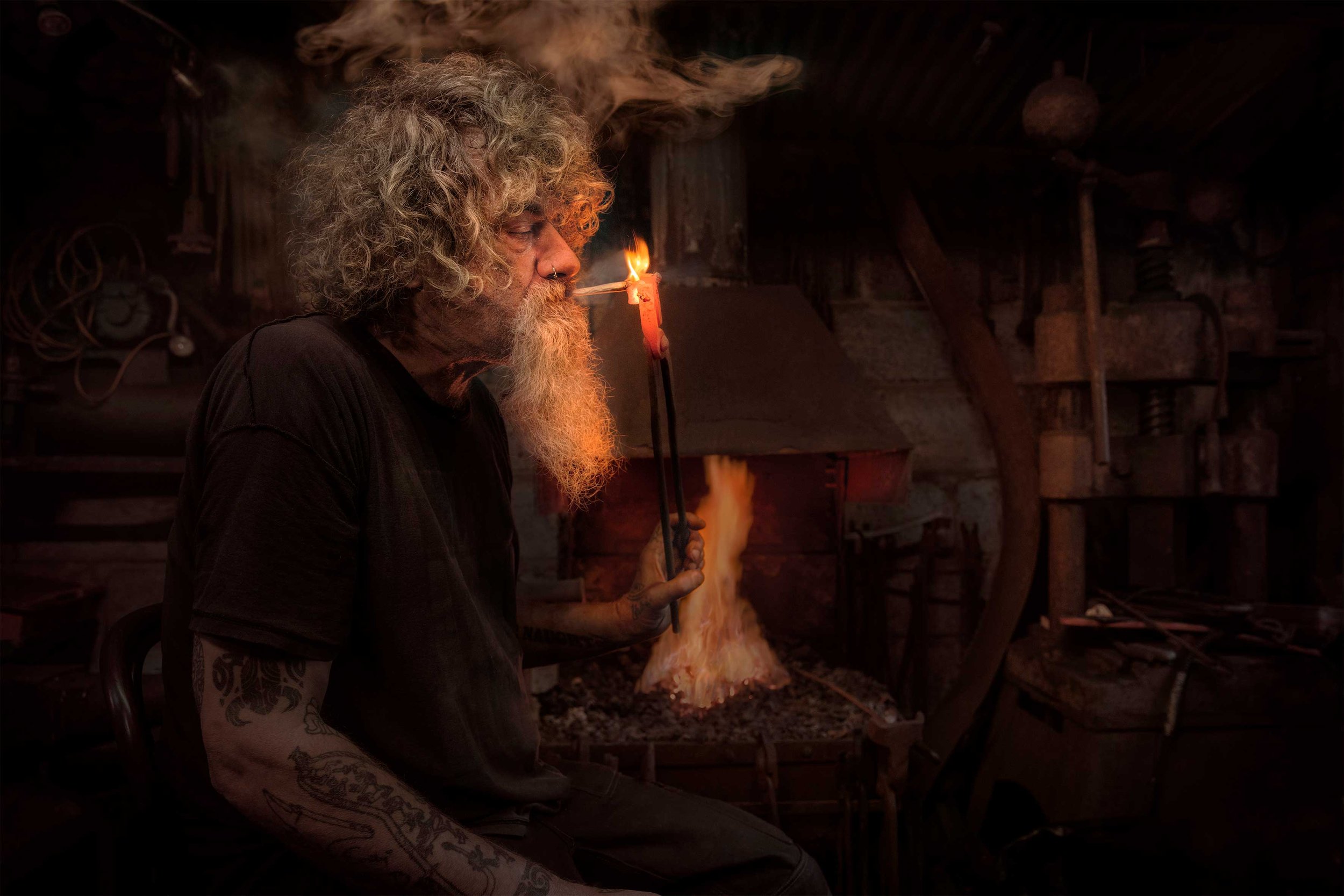
But there are echoes of photographic history in his current work, too. One image, a woman in a car-wash, nods to Terry O’Neill’s iconic portrait of Faye Dunaway after the Oscars. “It was my kind of little take on the falseness of social media,” Jason explains. “I took the swimming pool and I replaced it with a car-wash, and I took the Oscars and replaced them with lollipops… My work isn’t about being literal. It‘s just about a nod to the story and what’s going on.”
Back in Whitstable, the castle, the costumes, the surreal details aren’t gimmicks but vessels of storytelling. In an age of infinite manipulation, and seconds to consume, Jason’s work insists on something simpler and harder to replicate - attention. The kind that notices “contours, emotions, muscles in faces, pupils of eyes, glances” and trusts that, if framed honestly, they are enough.
INFO: jasonknott.com