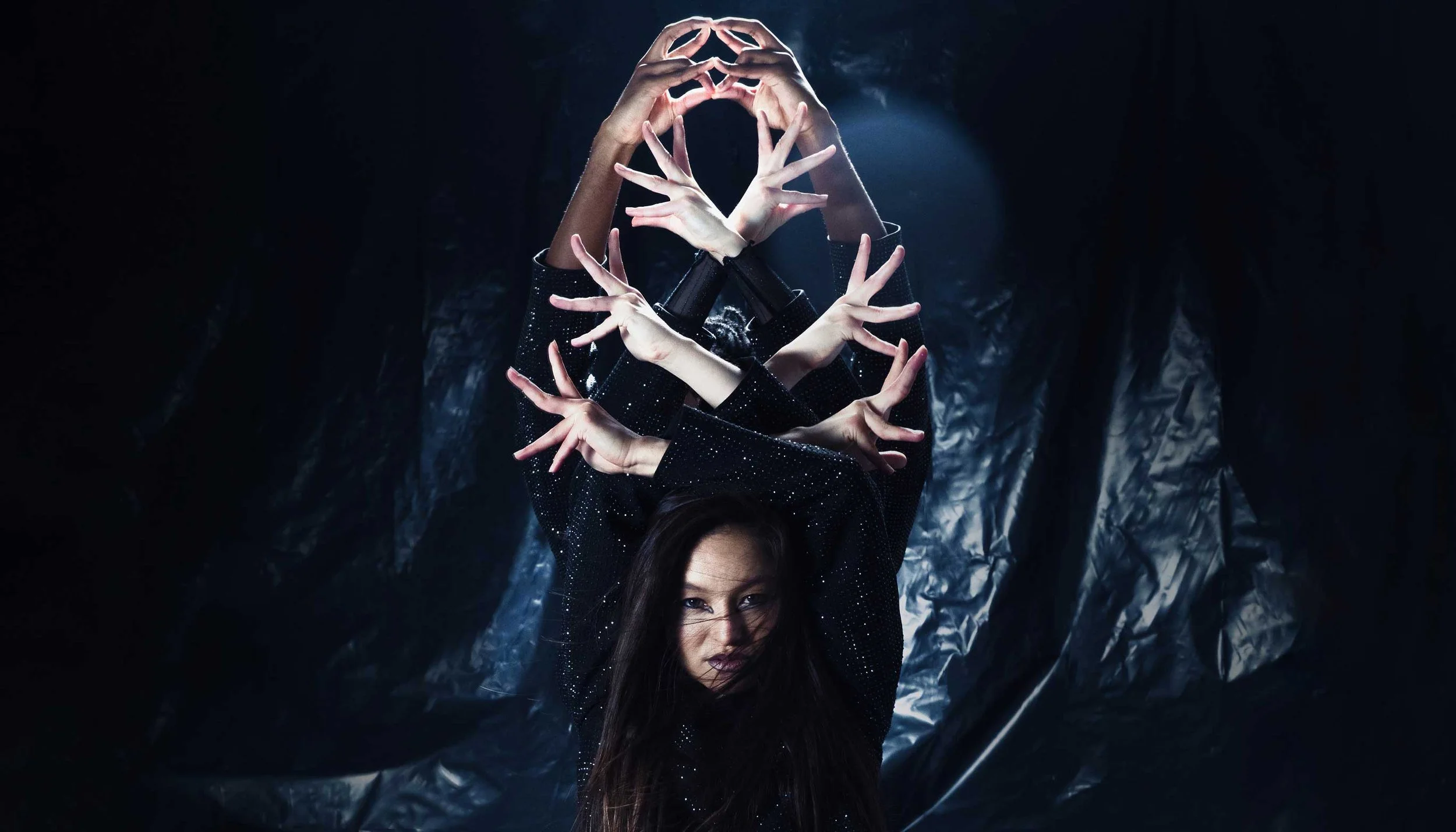
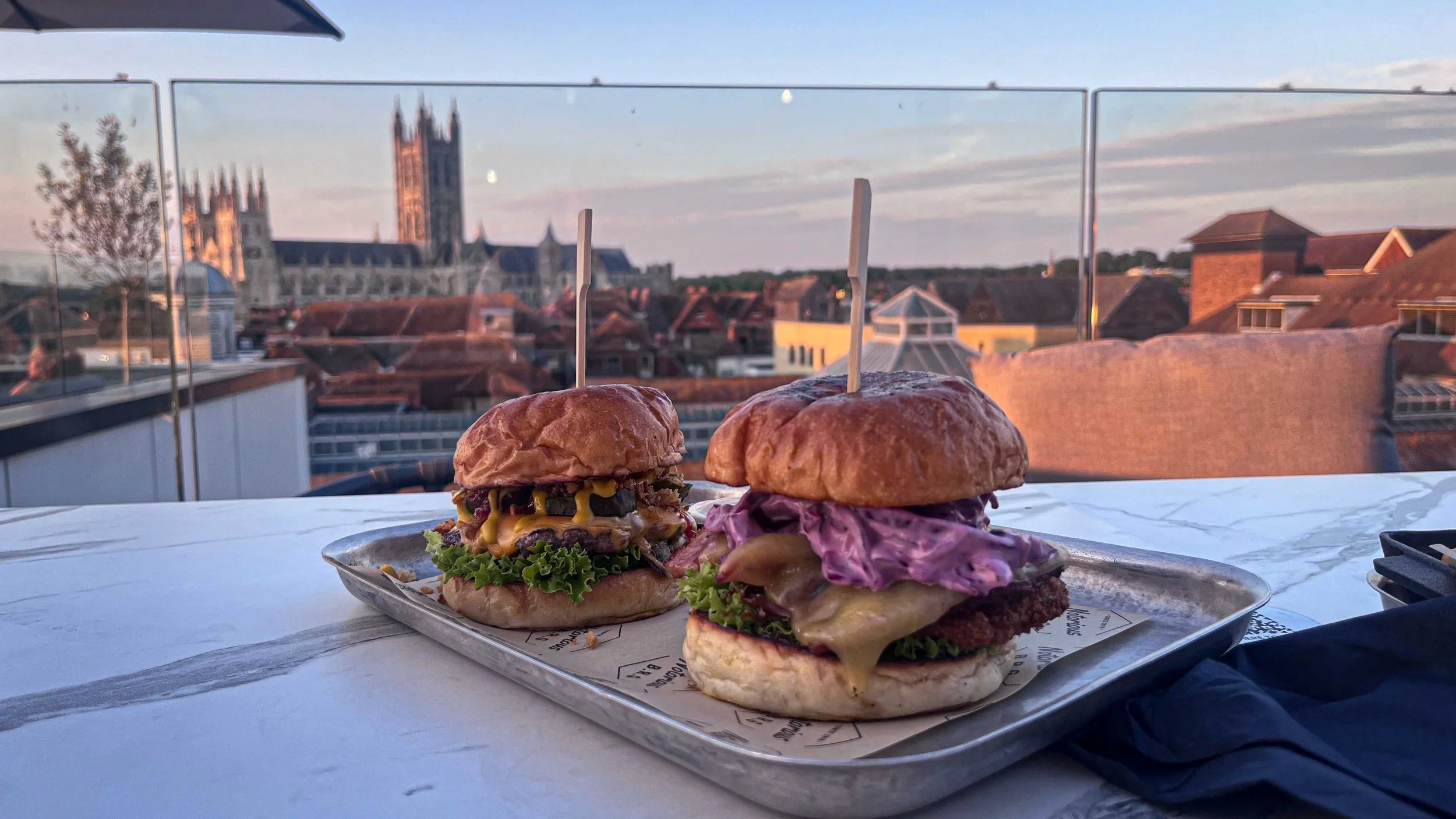
DISPOSITION COMPOSITION: Interview with photographer Joshua Osborne
Thanet photographer Joshua Osborne sees people. His stunning array of images put authentic characters at the centre of his work, no matter who they are.

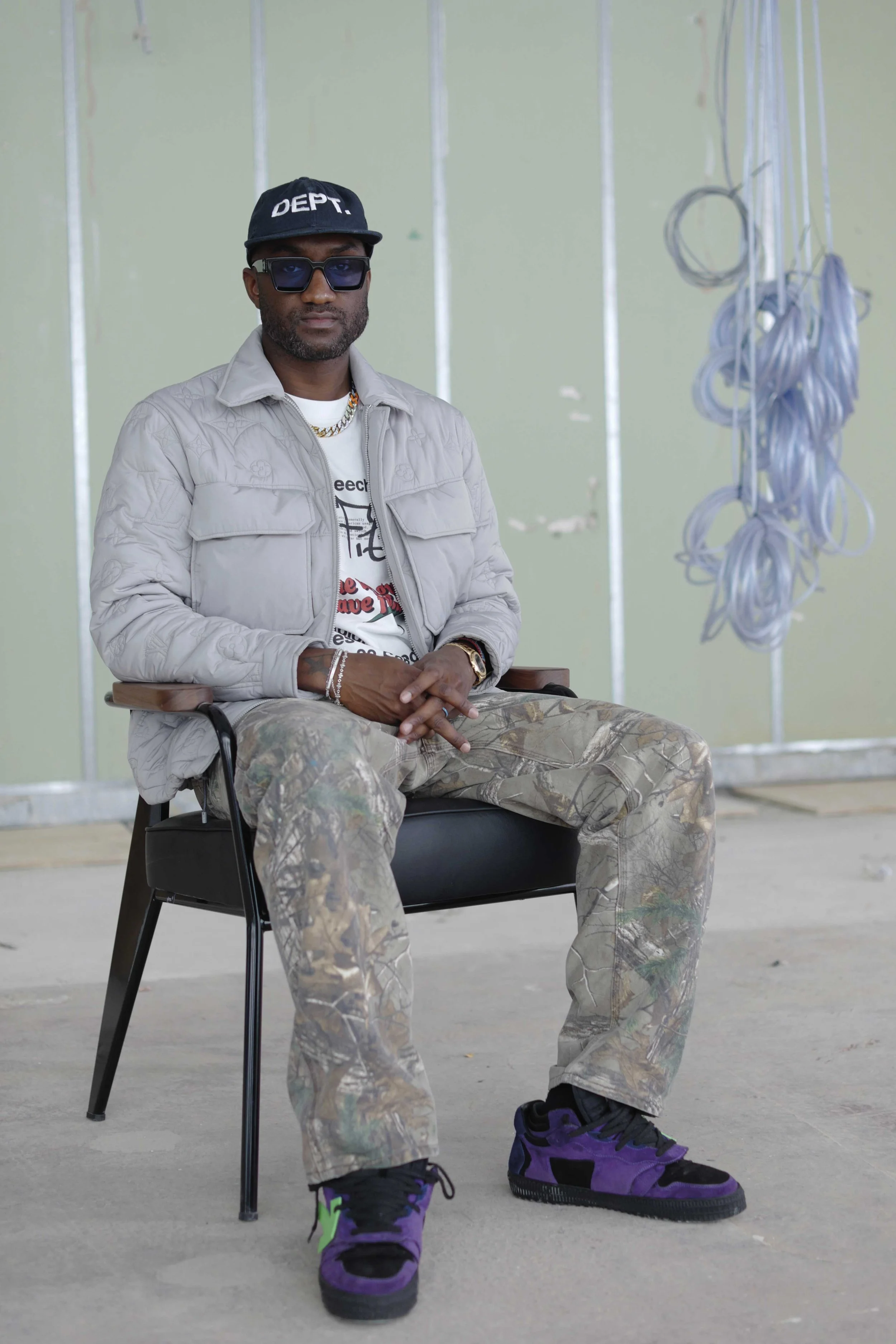
Virgil Abloh by Joshua Osborne
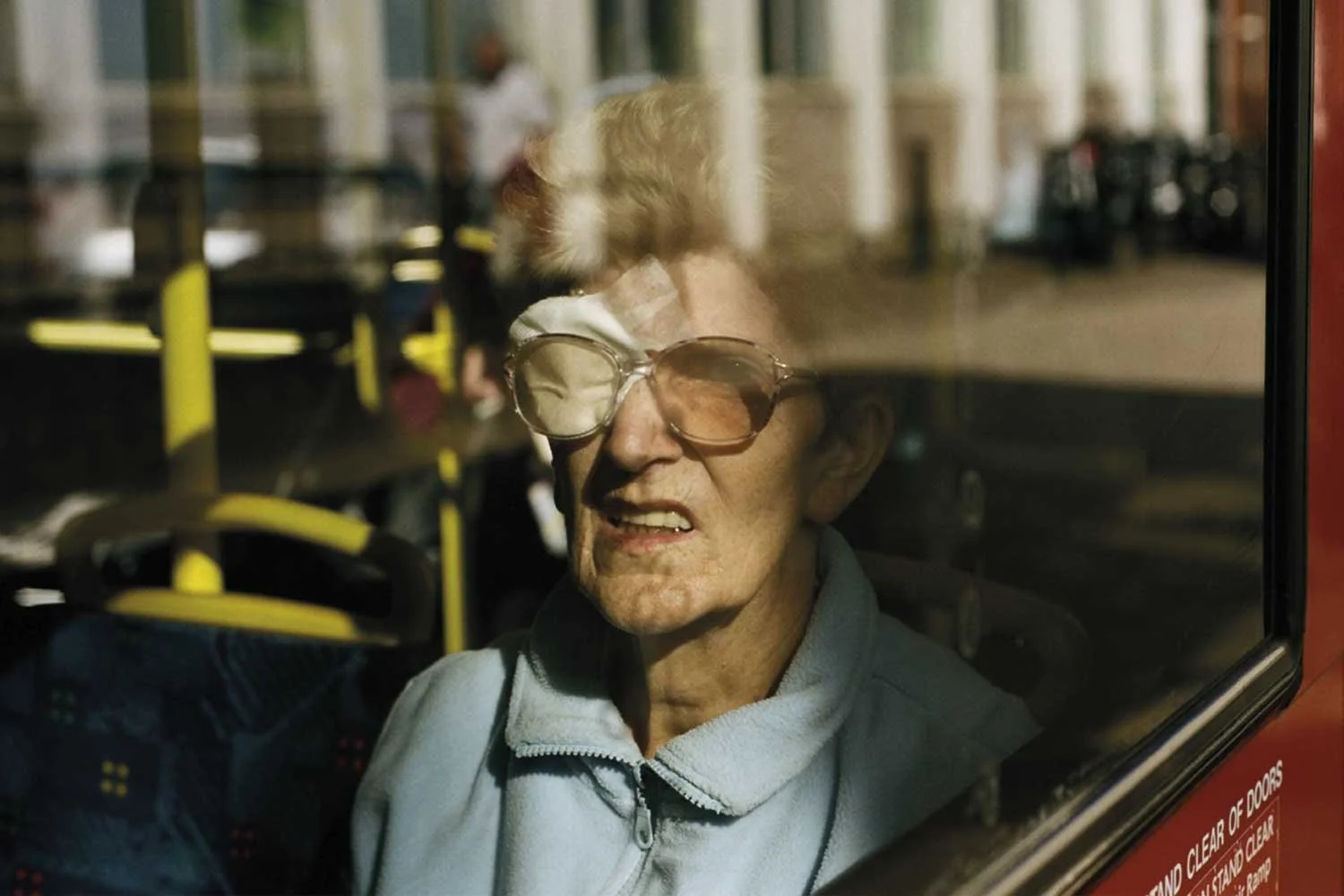
Flicking through Joshua Osborne’s portfolio (@joshuaosborne_ ), the indifference between chatting about an impromptu snap of an old lady on a bus or a seismic shoot with late fashion icon Virgil Abloh is almost poetic.
He spoke about them all with the same tone he might use for a neighbour down the road - and some of those in the portfolio are neighbours from down the road. Josh is incredibly humble about the people he has worked with and needed gentle prompting to linger on the scale of it.
From a self-published book that “kickstarted a lot of stuff” to shooting for the Financial Times and i-D to documenting some of the biggest stars in the world, there was a lot to cover.
Osborne lives in Ramsgate now, having originally moved to Cliftonville back in 2020. Before east Kent, there was south London and more than a decade of freelance hustle.
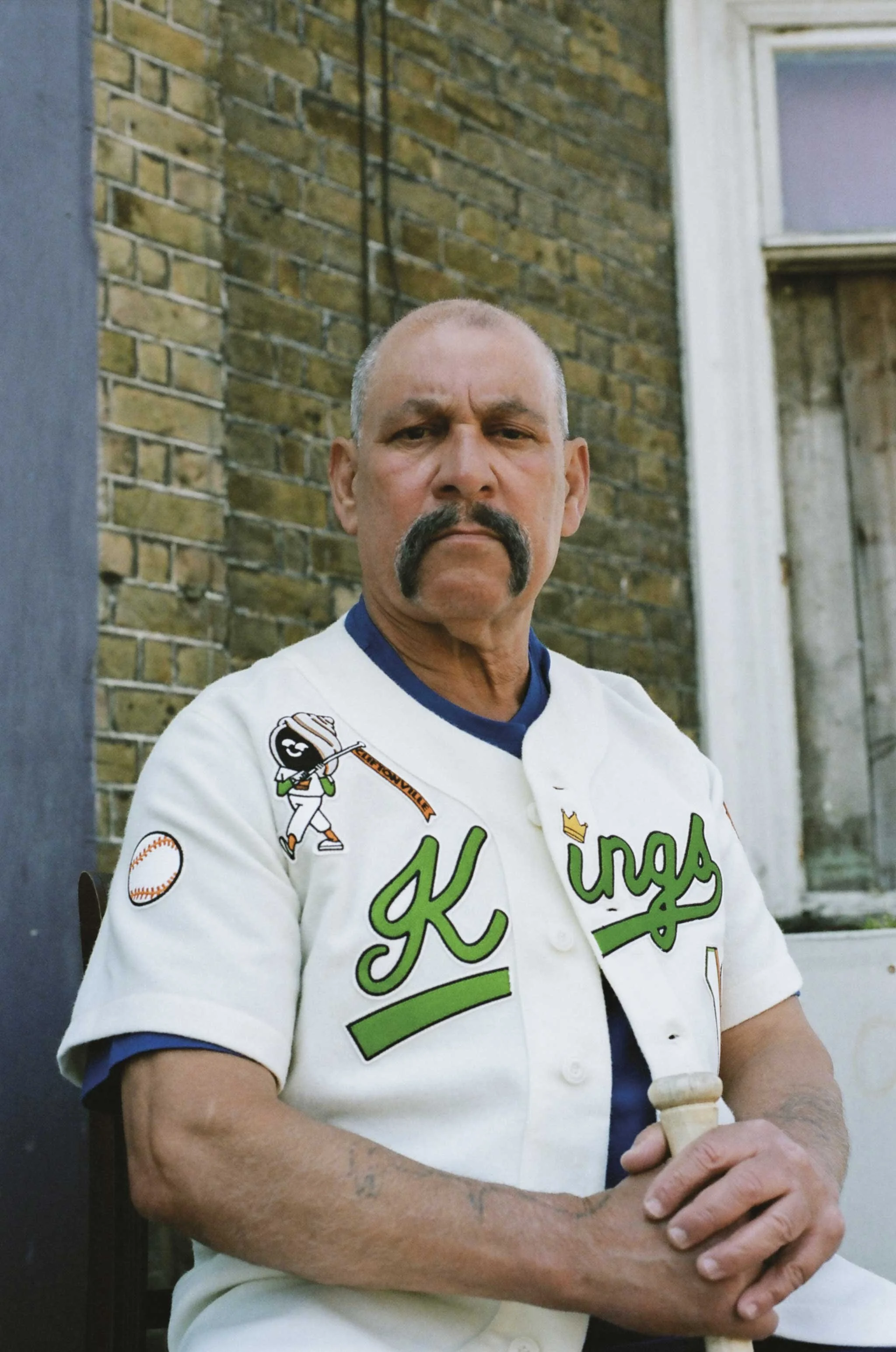
Then came fatherhood, and with it a recalibration. “Just when we were expecting our first daughter, who’s now three, I thought I better go full-time to get on the property ladder and the mortgage, and just have some security.” He joined the branding agency Koto in London, heading up a newly-carved-out art direction department. It was, he says, “quite a lucky touch, just to, like, slip straight into a decent, full-time creative role”.
At Koto, he supported designers with reference imagery, shot campaigns himself and commissioned other photographers when needed. But after three years commuting, in April last year he returned to the world of freelancing.
It’s about “dusting off the old little black book and just trying to tell people you’re here, and just try to be on the top of people’s minds,” he says. If London remains a professional anchor, Kent has become a creative one. Before going full-time at Koto, Josh and his partner Amelia Prett set up a small studio in Cliftonville called CSIDE.
“It was kind of like my stab at being Louis Theroux, you know, just sitting there and observing situations unfold.”
“It was great. We felt very connected with that Cliftonville community and got to do cool projects. And the phone started ringing and it was like, you know, it started to build up.”
CSIDE was, as he puts it, “predominantly offering photographic service”.
“So whether it’s interiors, portraits, products, still life, events, it’s kind of just a glorified photographer but under a different name, but we did have a studio space, so I guess that changed it.”
But it was more than that. They staged alternative exhibitions on Northdown Road, using old newsagent headline boards to display their photographic prints.
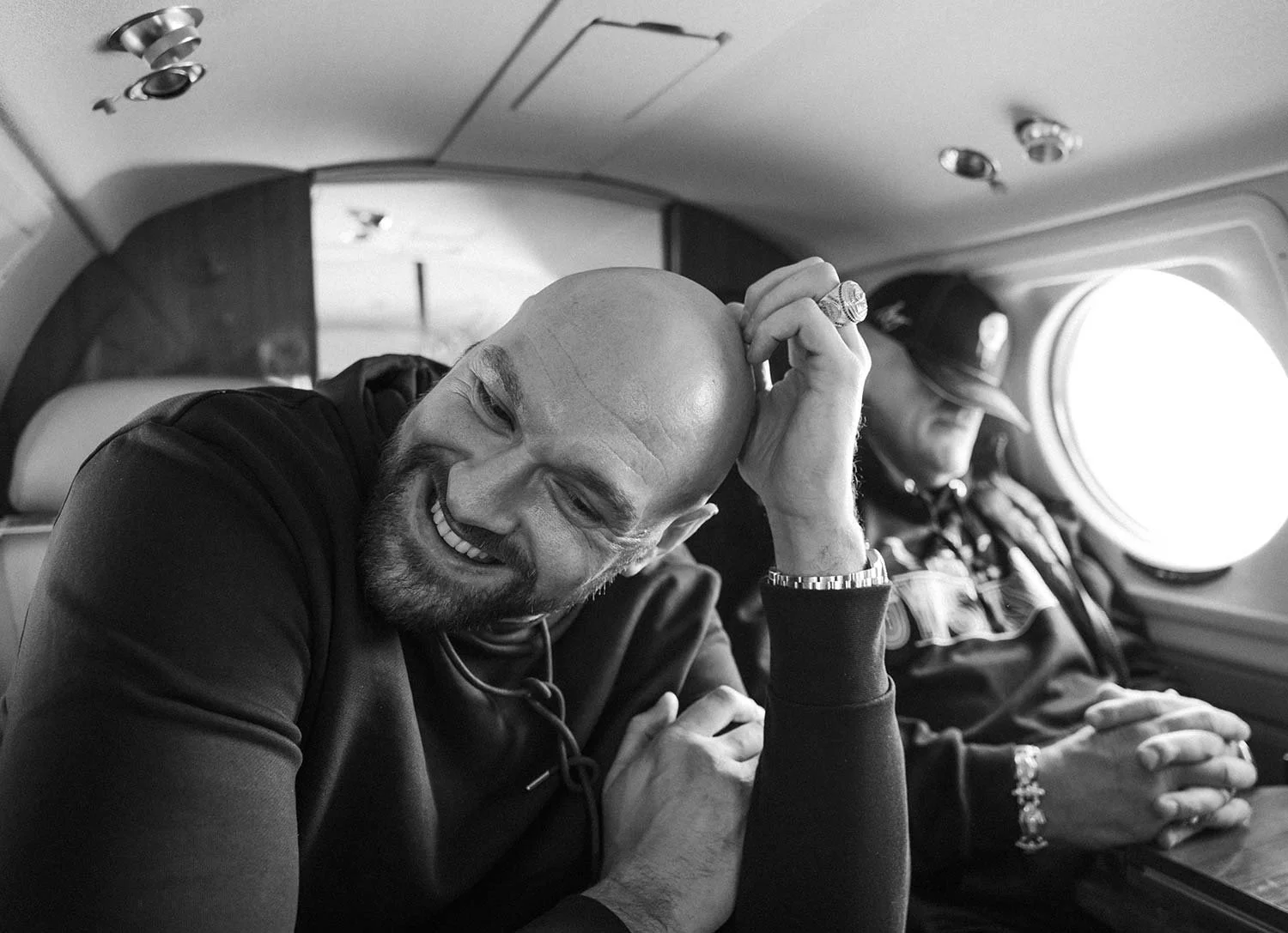
With a background spanning performance art, Amelia shapes the direction of CSIDE as much as the imagery.
“I’m the photographer, but I guess she’s kind of the brains of who we should be working with on the marketing stuff,” Josh says. “And, you know, has a say in a lot of things like our output.”
They are now looking to relaunch CSIDE (@csidestudio ), potentially even adding a small film lab - something Kent has a lack of. “It’s all local businesses or local makers, so you’re never going to be charging London prices. It also feels a bit better as well, because you’re collaborating with local people.”
For all his commercial credentials, collaboration and community remain at the core of Osborne’s practice. Casting is central, finding individuals on the street and bringing them into a scenario - the results are experiments in connection and fiction.
That instinct runs through his editorial work. He has worked with the Financial Times “for many years”, where unpredictability was part of the appeal: “One day you could get sent to shoot fashion photographer Nick Knight, and other days going to a local primary school, and you never knew really where you’d end up.” An image of two boys on a playground became his first FT cover. “I always include it in the portfolio, just because if you can photograph kids, you can photograph anything.”
Continuing to flick through the images, his portrait of US superstar Kali Uchis for i-D sits easily alongside. So too does a shoot with Virgil Abloh before the iconic designer’s passing. Abloh, founder of Off-White and artistic director of menswear at Louis Vuitton, was collaborating with Vitra and Josh was invited to the company’s headquarters to photograph “him and their world of chairs”. He mentions it almost in passing.
He has shot rapper AJ Tracey for PUSH Magazine and a piece of reportage for ES Magazine at Peckings in London, the record shop credited for bringing reggae music to the capital.
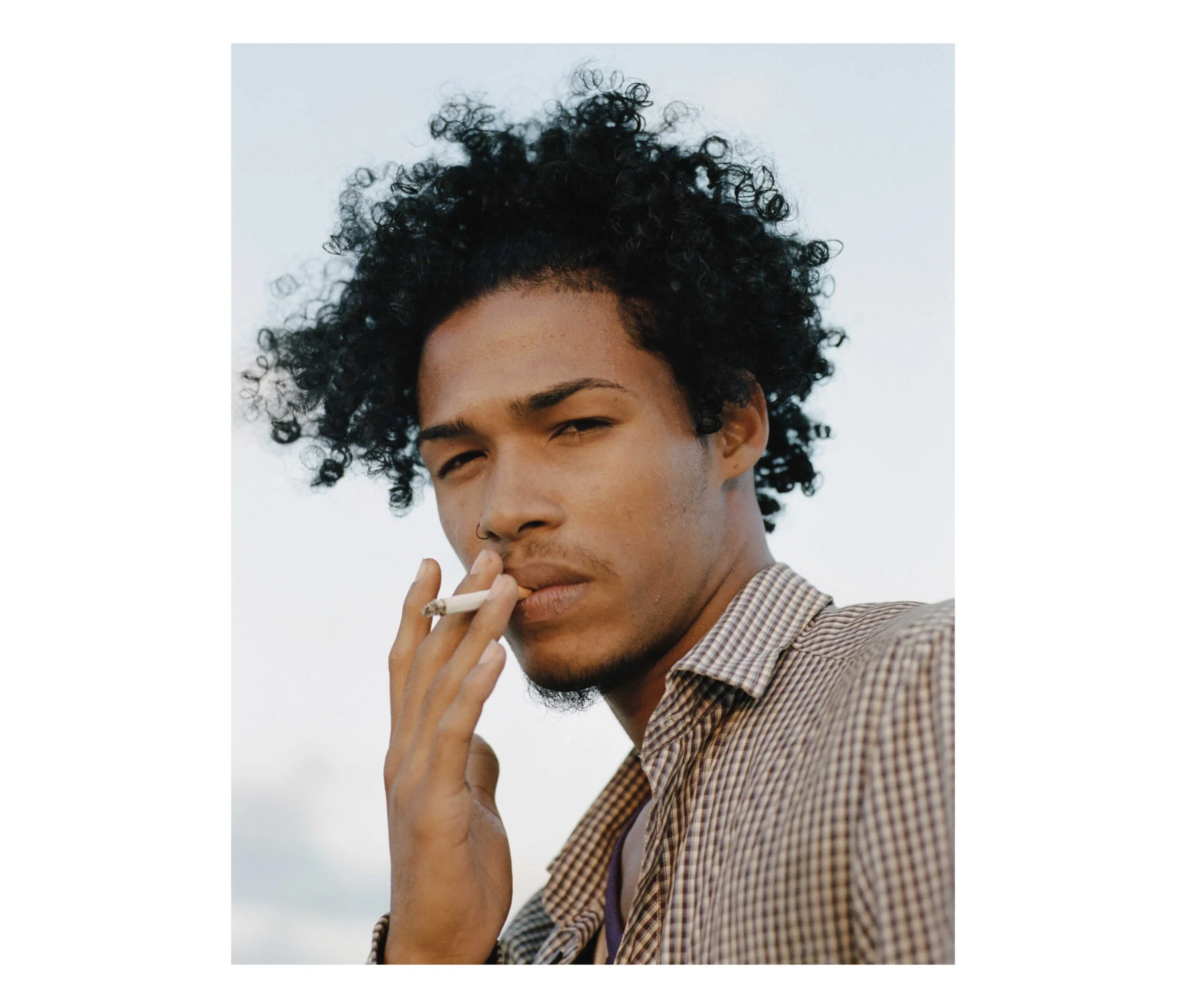
Taken from Habanaboy by Joshua Osborne
The same modesty colours his account of photographing Tyson Fury. Initially commissioned to create a sponsor-led content piece, he left disappointed. “As a massive boxing fan, I came away quite depressed after. I was like ‘This can’t be, you know, my moment with the Gypsy King’.” So he persisted, contacting Fury’s manager for a year until he was invited to follow him on a UK tour. He filmed the entire journey and made a 45-minute documentary. It was never released. “It was kind of like my stab at being Louis Theroux, you know, just sitting there and observing situations unfold.”
Patience and proximity define much of his strongest work. A long-form series titled Mr & Mrs H saw Josh move in with “a bodybuilding couple” for two weeks… and he had full access.
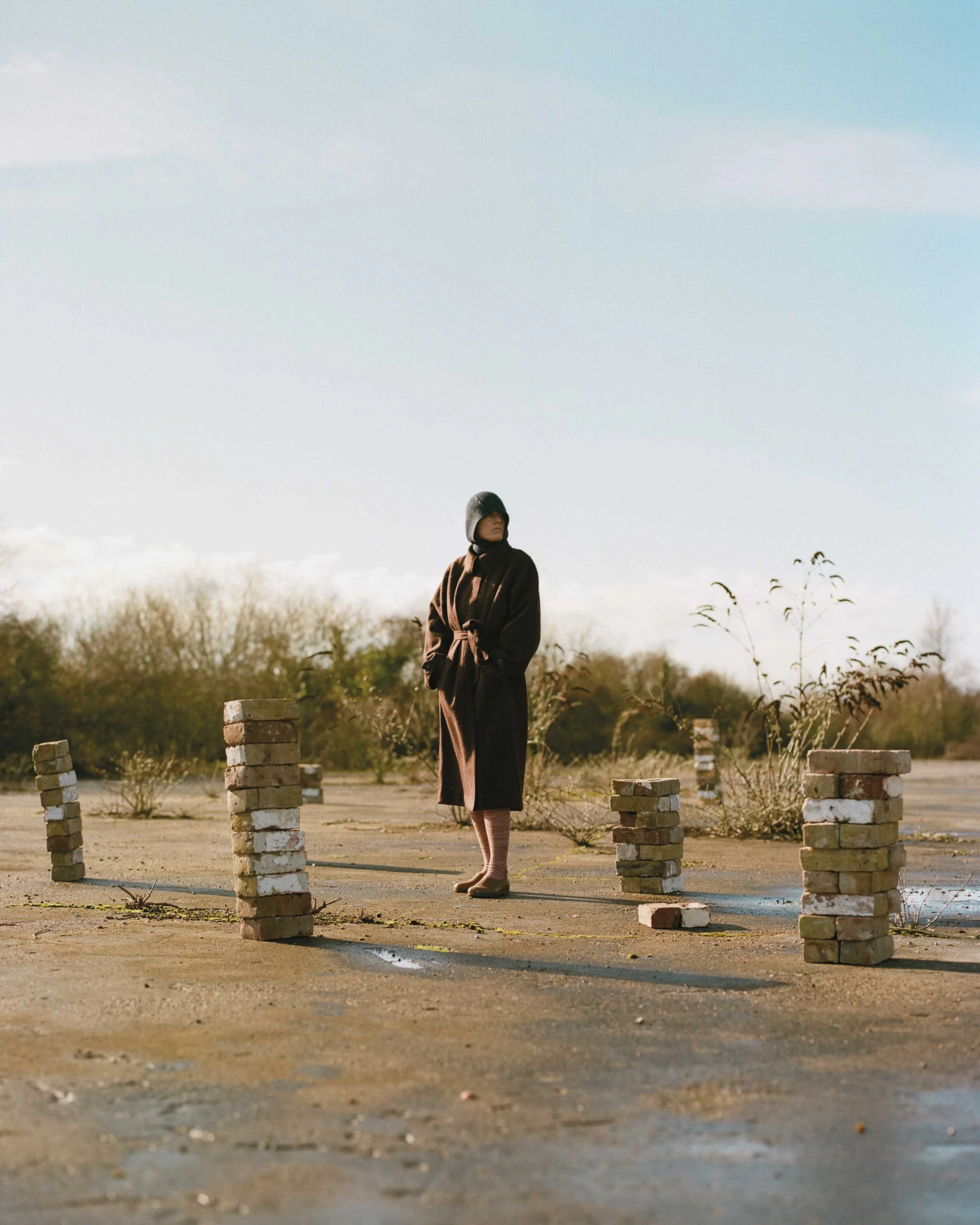
“It was just a good project to be that fly on the wall and trying to see these everyday situations in the lead-up to, like, a big competition.” The key, he says, was trust. “Learning not to be judgmental or not to have a secret agenda or take the p*ss out of them. It was more just being respectful but also letting the camera tell the story.”
That respect extends back to Habanaboy, his first self-published book and, by his own admission, the project that changed everything. “I just went to Havana for a holiday trip but took, like, 20 rolls of film and was heavily into the casting at the time.”
Two young men he met became unofficial fixers, helping to navigate the city and conduct interviews. Back home, he translated the conversations and worked with a designer friend to lay out the book. “It felt like this kind of kickstarted a lot of stuff. It gained a lot of interest… there were a lot of platforms that were wanting to feature it.”
Filmmaking, too, saw Josh create What Kinda Music, a short documentary with international-selling musicians Tom Misch and Yussef Dayes. The film, named after their collaborative album, “complements the soundtrack and tells the story of its making”. Osborne describes it as a natural high point. “With the directing, it kind of came to a natural pause… the piece with Tom Misch and Yussef Dayes felt like that was kind of the peak.”
Since becoming a father of two, priorities have shifted. Directing large projects required weeks of unpaid pitching. “You’d spend weeks writing treatments and pitching, and you wouldn’t even hear back.” Photos, by contrast, feel immediate. “Stills is where it always started. And I feel like it’s a lot more rapid and you can get jobs quicker, and the delivery and the turnaround is a lot faster.”
Whether he is photographing schoolchildren for the FT, bodybuilders in their kitchen, young men in Havana, or real Ramsgate locals styled for a thrift-store shoot, there is subconscious pull towards intimacy and kinship. Fame may flicker at the edges of his portfolio, but it is the everyday - and the people within it - to which he returns.