Columnist Anna Willatt, aka Esoteric Isle, delves into the history of the county’s witches


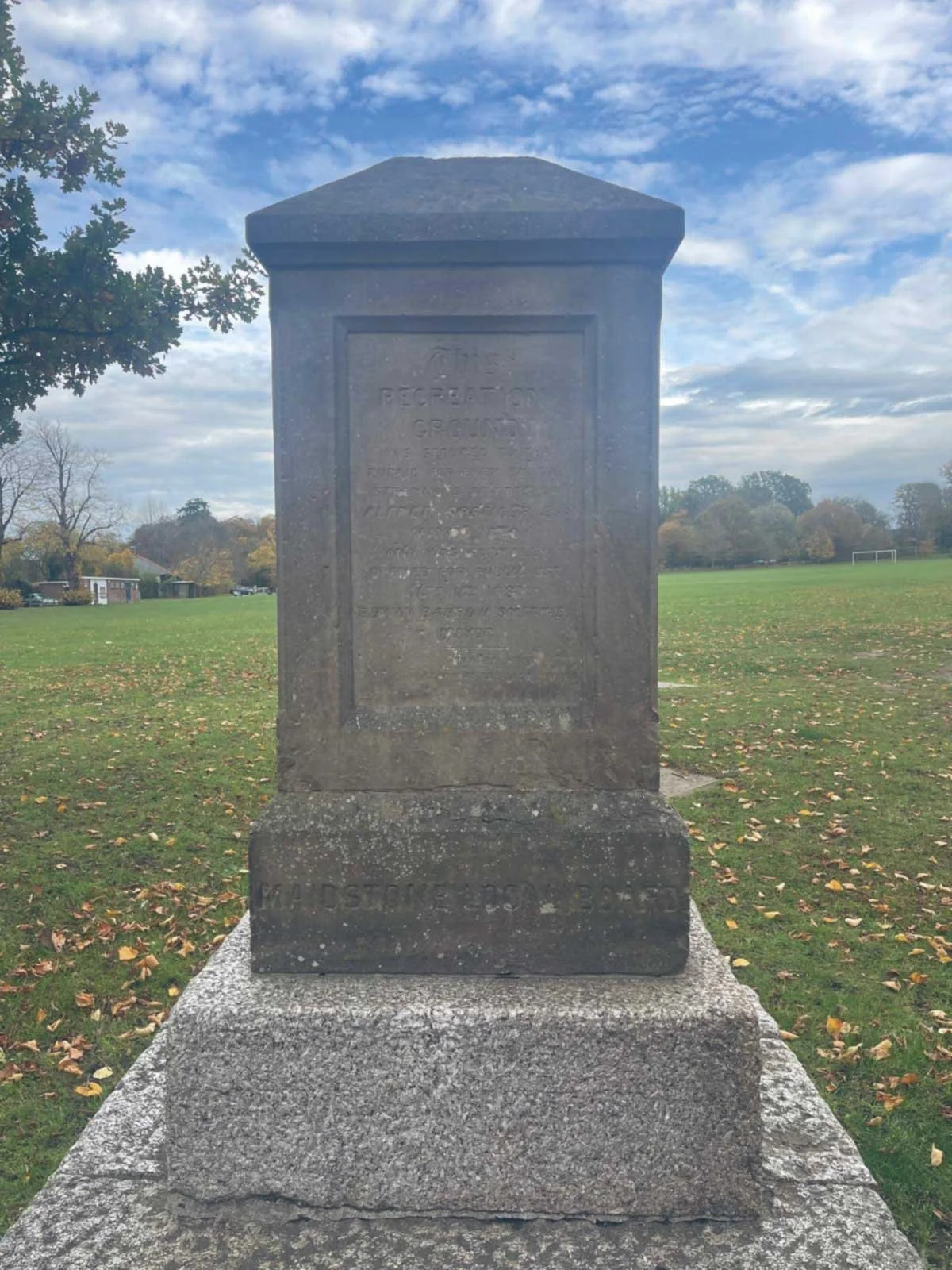
Faversham Memorial - Image by Esoteric Kent
This time I’m taking you back to the darker ages - yes, ages darker than this one exist, so they say! The Discoverie of Witchcraft was a sceptical pamphlet written by Smeeth’s (near Ashford) very own Reginald Scot and published in 1584 to discredit the idea of witchcraft. Unfortunately, as we’ll discover, this belief was not widespread.
Kent is surpassed only by Essex in the number of indictments and executions for witchcraft in the UK during the witch trials of the mid-1600s. You may be wondering ‘Well, what about the more publicised Pendle? It can’t be anything like it was in Salem, Massachusetts!’. So let’s look at some sobering numbers:
Essex: 836 indictments, 107 executed, 47 died in prison
Kent: 130 indictments, 20 executions
Salem: 30 indictments, 20 executions
Pendle:10 indictments, 10 executed
Why is the only thing we hear about witches in Kent the tall tales spun to visiting teenagers about the ‘original’ ducking stool in Canterbury? We need to look a little harder - at the memorial embedded in the paving by the Guildhall in Faversham, which remembers its witches. Or perhaps near the children’s play area on the heath in Maidstone where many lost their lives, and even in the local libraries and second-hand bookshops where their stories are hidden.
Let’s head down the witch’s road.
I start my journey by contacting Claire Kehily, a borough councillor in Maidstone who is part of a group campaigning for a memorial for the women tried and executed in the town for witchcraft in July 1652. As Claire underlines, “they weren’t witches, they were women”. This realisation came when she studied Arthur Miller’s witch-trial play The Crucible at school and an interest in Salem, Pendle and all things witchy soon followed.

Penenden Heath - Image by Steven Bright
The Kent connection appeared in an unusual way, on a trip to “one of the weirdest, freakiest, brilliant places you’ll ever go in your life” - the Museum of Witchcraft in Boscastle, Cornwall. “There was a list of names of people who had been indicted for witchcraft,” she explains. “I happened to look over and it said Maidstone. Wait, Maidstone? We had witches?!”
After delving into the history, Claire decided to make more of this overlooked history by launching a petition for a memorial for the seven women hanged for witchcraft on Penenden Heath. It was important to create a formal petition so the council could see the passion behind the idea (500+ signatures and counting) and move towards passing a motion.
She believes this passion is driven not just by the current pop-culture interest in witches but also by the ever-resonant message of the injustice of violence against women and girls. The memorial campaign “... pinpoints that this is not a new thing. It’s an example of this violence through time”, she explains. “These were not witches guilty of performing maleficia, they were widows or spinsters who had no man to stand up for them. They were persecuted for being old, poor, for being a ‘nuisance’ or not going to church. They were persecuted for being a burden or for being different.”
The story of the Maidstone witches goes well beyond the confines of Kent. A letter to the government calling for a general pardon to these women and many others killed under the Witchcraft Act of 1562 blew up with worldwide press. “In one day, we had ITV and CNN!” says Claire. This letter further stoked the fire created by the ‘Witches of Scotland’ petition that led to the Scottish government’s 2022 formal apology to those accused of witchcraft but sadly no pardon.
Penenden Heath - Image by Steven Bright
Since launching this campaign, Claire has found herself giving sold-out talks on the Maidstone witches that include a visit to the gaol cell in the town hall where the women would have been held. Her focus remains on creating a fitting memorial on Penenden Heath, like the one laid in Faversham in 2024, to remember these women and the relevance of their horrific experiences to today.
The Village Witch is another woman exploring the stories of the forgotten witches of Kent and sharing them on her Substack. She says: “I’m always fascinated by the history and stories of ordinary local people, those who would have walked on the same paths as me, seen the same views and buildings and even sat beneath some of the same trees. When I began to learn about the witch trials, what I found shocked me more than I expected.”
Following the lead of a witch trial of Esther, the Nonington Witch, her research led to a 1932 book called The Superstitions by Sir Charles Iggleston – “the only paper copy of Esther’s existence”. After much trawling of obscure eBay listings, “a chance encounter [with me, dear reader!] recommended contacting Michael’s Bookshop in Ramsgate. And he managed to find me the only copy of the book for sale in the country!”. As if by magic!
This research has led to discoveries of the experiences and sad fates of many local women and men accused of being witches, “including one of Kent’s earliest cases in the early 1400s, involving Eleanor Cobham at Dover Castle”, says The Villas Witch. “Eleanor was accused of witchcraft partly because she consulted an astrologer… Imagine being accused of being a witch and sent to prison because you had read your horoscope!”
Perhaps we are creeping ever closer, through the work of these brilliant modern-day women, to understanding the experiences of those accused and executed as witches in our county’s history. Could a Kent Witch Museum be in our future?
I’ll leave you with the names of some of Kent’s witches, aka women: Anne Ashby, Anne Martin, Anne Wilson, Mary Browne, Susan Pickenden, Mildred Wright, Mary Reade, Esther, Eleanor Cobham, Joane Williford, Joan Caridan, Jane Hott and Elizabeth Harris. As the memorial laid in September 2024 by the Mayor of Faversham reads: May we speak their names in hope of a world free of persecution.
To learn more about witch trials in the UK:
Facebook - Maidstone Witches 1652
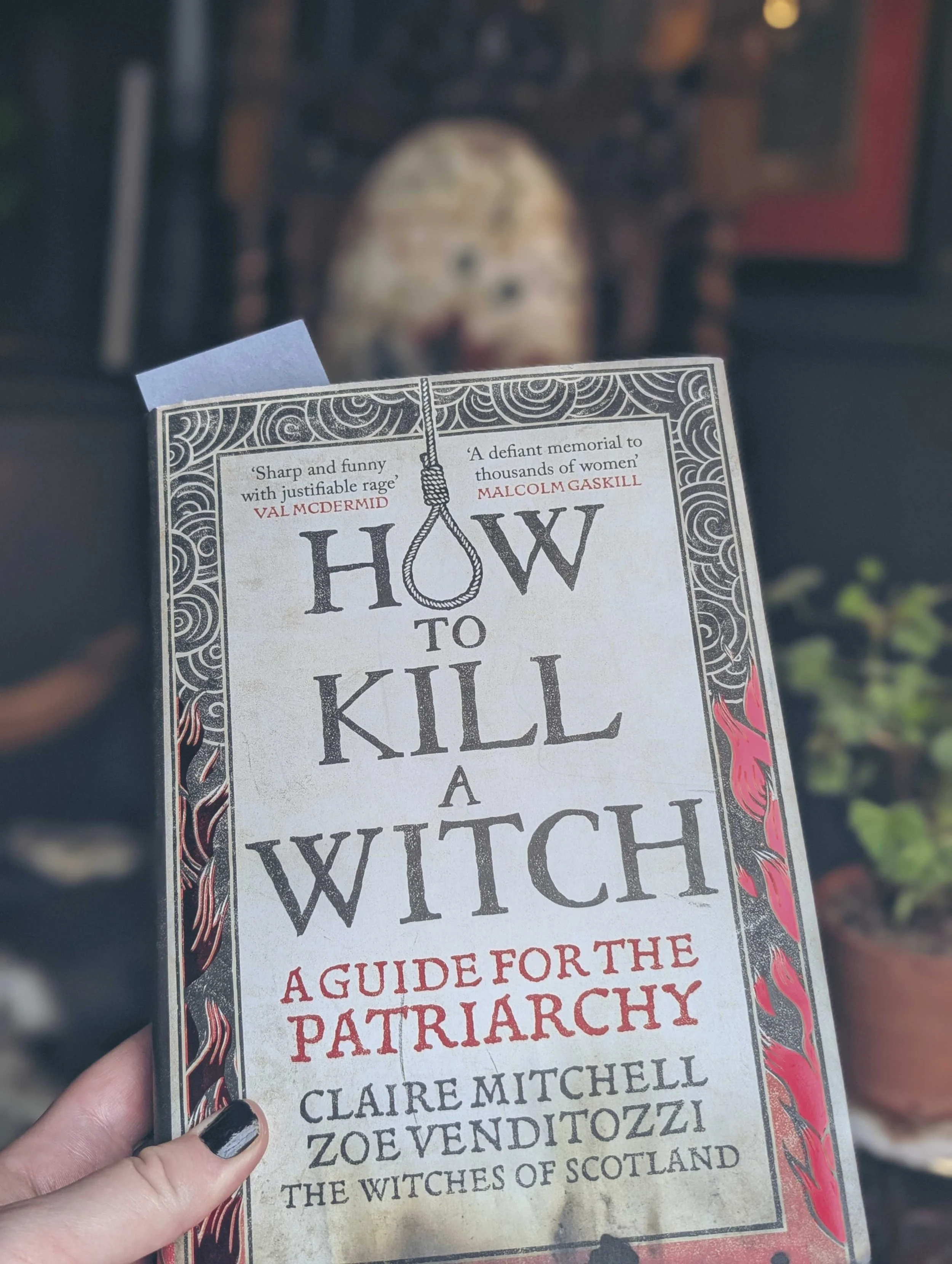
Read - How to Kill a Witch, Clare Mitchell and Zoe Venditozzi
FOR ONLINE