‘cene In The Wild: Which flora and fauna to discover in Kent this Spring
Columnist Cara Blackburn picks out the Kent wildlife to look out for this spring


As the days grow longer, the air warmer and the grass greener, Kent’s landscapes are on the cusp of transformation.
Ready to flourish with new life, early flowers sprout through the warming soil, woodlands begin to hum with birdsong and young wildlife ventures out into the world for the first time. From vast marshlands to coastal cliffs, Kent is once again abundant with life. Which species defines spring in Kent?
Spring in bloom
There’s no wonder at Kent’s famous nickname when you consider the wealth of wild flora our diverse landscape has to offer. As the leaves unfurl, wildflowers make their seasonal debut, playing a vital role in supporting local ecosystems. Of the many species of wildflower to grace the county’s idyllic scenery, there are a few that unmistakably represent the season.
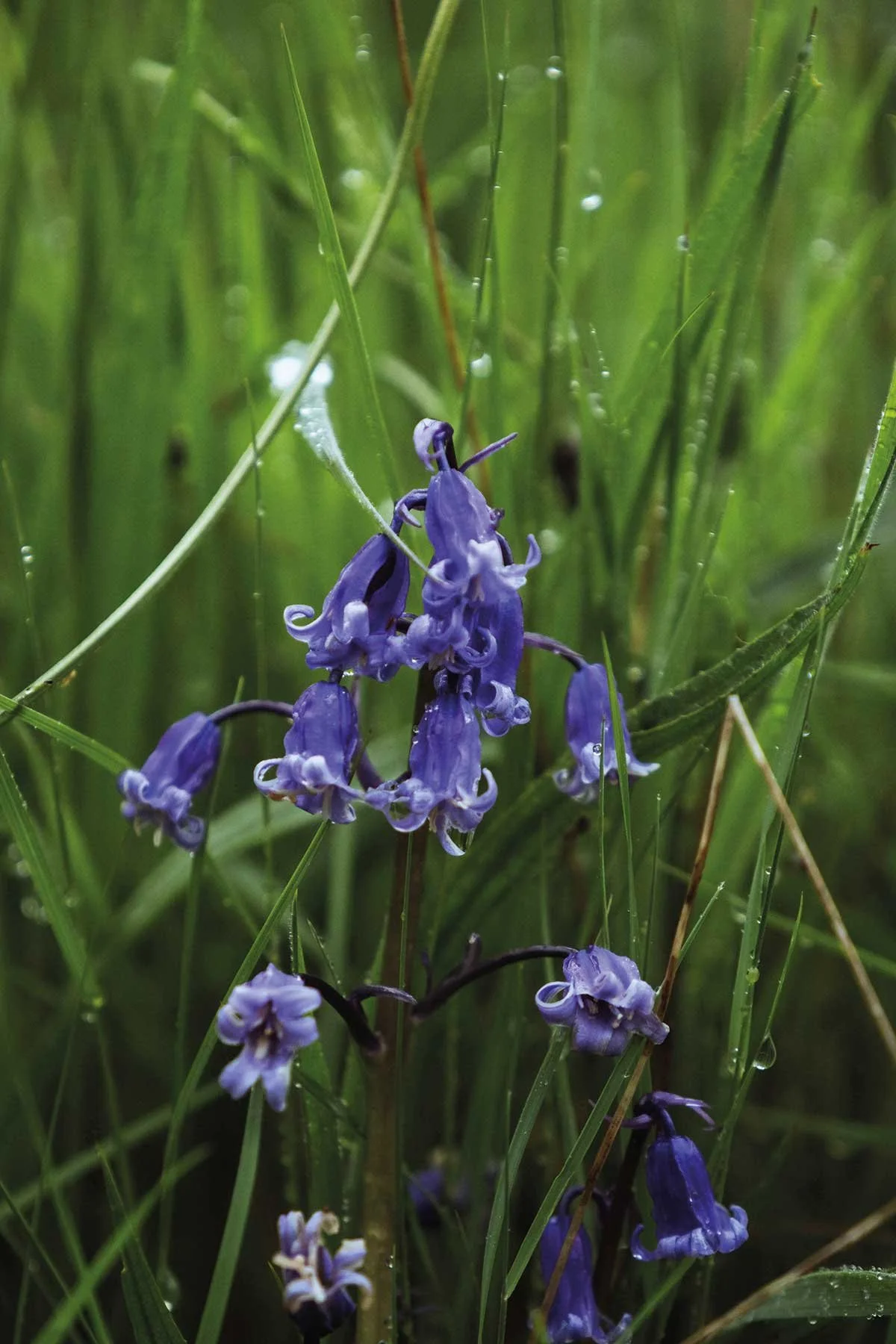
Bluebell (Hyacinthoides non-scripta)
Before the canopies of Kent’s ancient woodlands become too dense, they will transform with deep blue-violet blooms densely carpeting the floors, creating fleeting scenes of colour and scent. These stunning (and protected*) flowers bring a sense of magic and wonder to the already charming woodlands. The UK is home to about half of the world’s native bluebells, making these displays globally significant as well as locally cherished.
Where to find: Lullingstone Country Park, King’s Wood (Challock), Hucking Estate woodland
When: April-May
*Bluebells are protected under the Wildlife and Countryside Act 1981 - digging up a bulb can result in a fine. Their ability to photosynthesise can be damaged by trampling; it can take bluebells years to recover, so please mind your step.
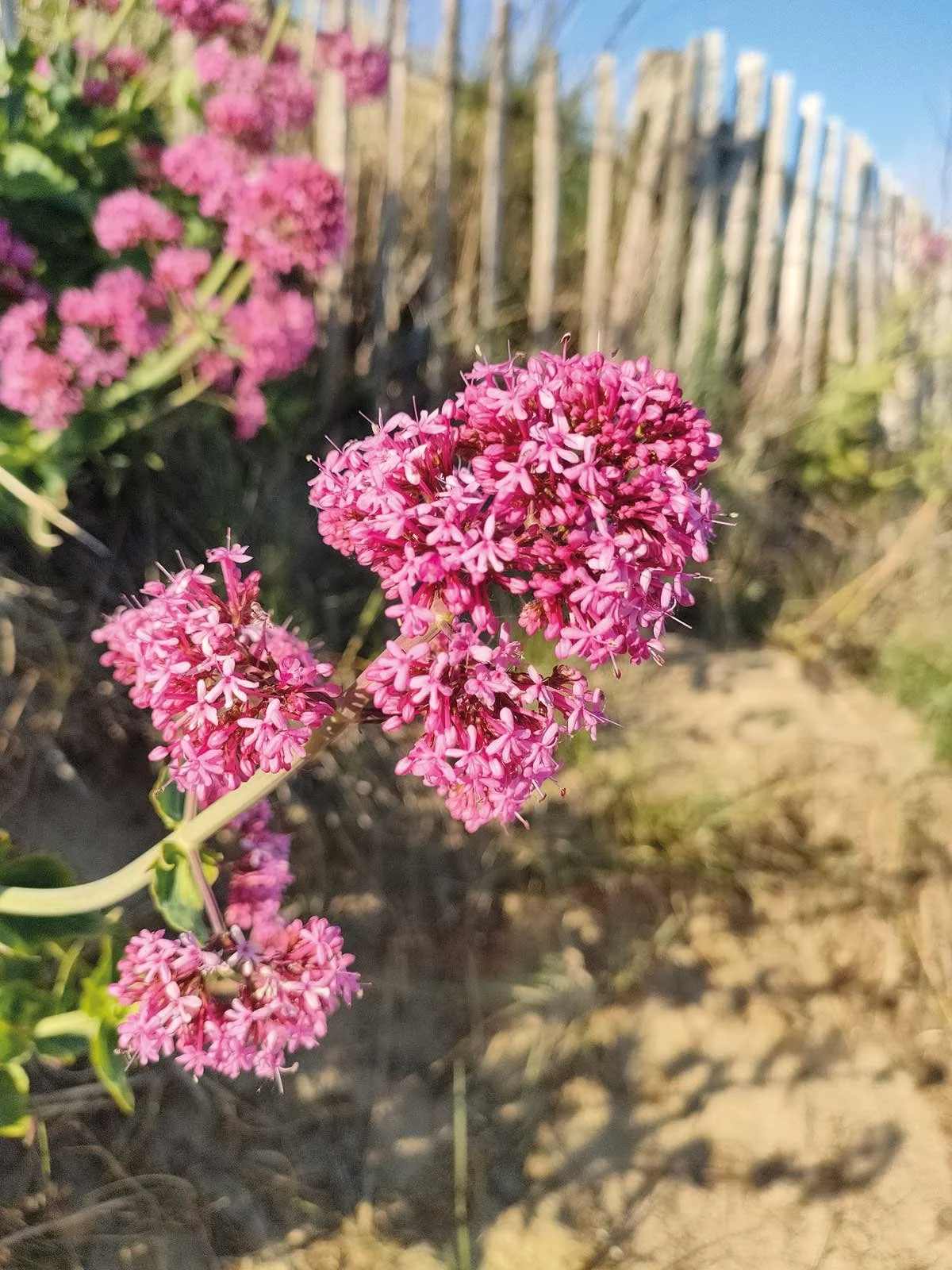
Red Valerian (Centranthus ruber)
Often found spilling from old walls, railway cuttings and roadside embankments, red valerian is a welcome splash of colour across Kent. It’s also well established in coastal areas, thriving in dunes and shingles, landscapes in which few other plants are resilient enough. Though non-native, red valerian has become naturalised in the UK and its extended flowering season provides a vital nectar source for bees and butterflies, particularly in built environments and coastal areas where early spring flowers can be limited.
Where to find: Coastal towns and villages, sand dunes, shingle beaches, old walls and railway cuttings
When: May-October
Marsh Marigold / Kingcup (Caltha palustris)
As you stroll along the fen margins and marshlands of Kent, spring glows gold. Marsh marigold is a widespread, prominent flower that favours damp habitats such as ponds, meadows, marshes, ditches and wet woodlands. Often called kingcups, the bright yellow buds reflect in the water, signalling the return of insect life, earning themselves the playful nickname ‘water torches’. Marsh marigolds are early nectar sources for emerging pollinators and their presence is a key indicator of healthy wetland ecosystems.
Where to find: Hothfield Heathlands, Grove Ferry, Wye Marshes
When: March-April
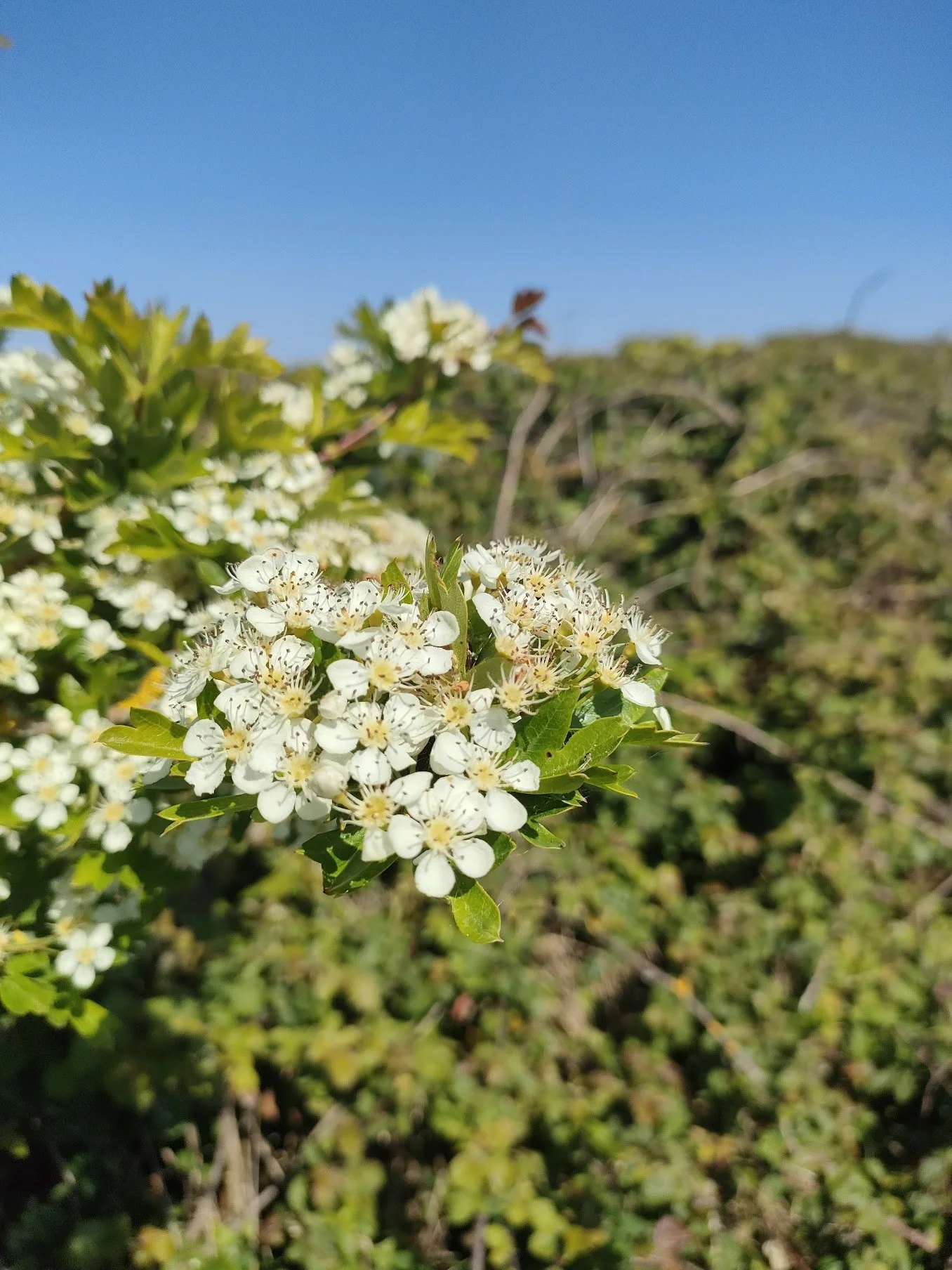
Hawthorn (Crataegus monogyna)
Hawthorn bursts into a creamy-white blossom in spring, with flowers attracting a variety of insects. It is known as a staple of the season, with an eruption of pale-pink blossom in May signalling the first signs of summer. The fragrant flowers have five petals and grow in flat-topped clusters. Once pollinated, they develop into deep-red fruits known as haws later in the year, providing food for birdlife throughout autumn and winter.
Where to find: Hedgerows, woodland edges and farmland boundaries across Kent
When: Late April-May
Honourable mentions: Blackthorn blossom (Prunus spinosa), Early spider Orchid (Ophrys sphegodes) and Wild Garlic (Allium ursinum)
New beginnings
Spring brings a surge of new life across Kent landscapes, with our youngest and wildest citizens beginning to venture out into the world for the first time. These youngsters are a symbol of the seasonal changes, mirrored across habitats countywide. Of the many species born or reared in spring, some may be more clearly identifiable than others.
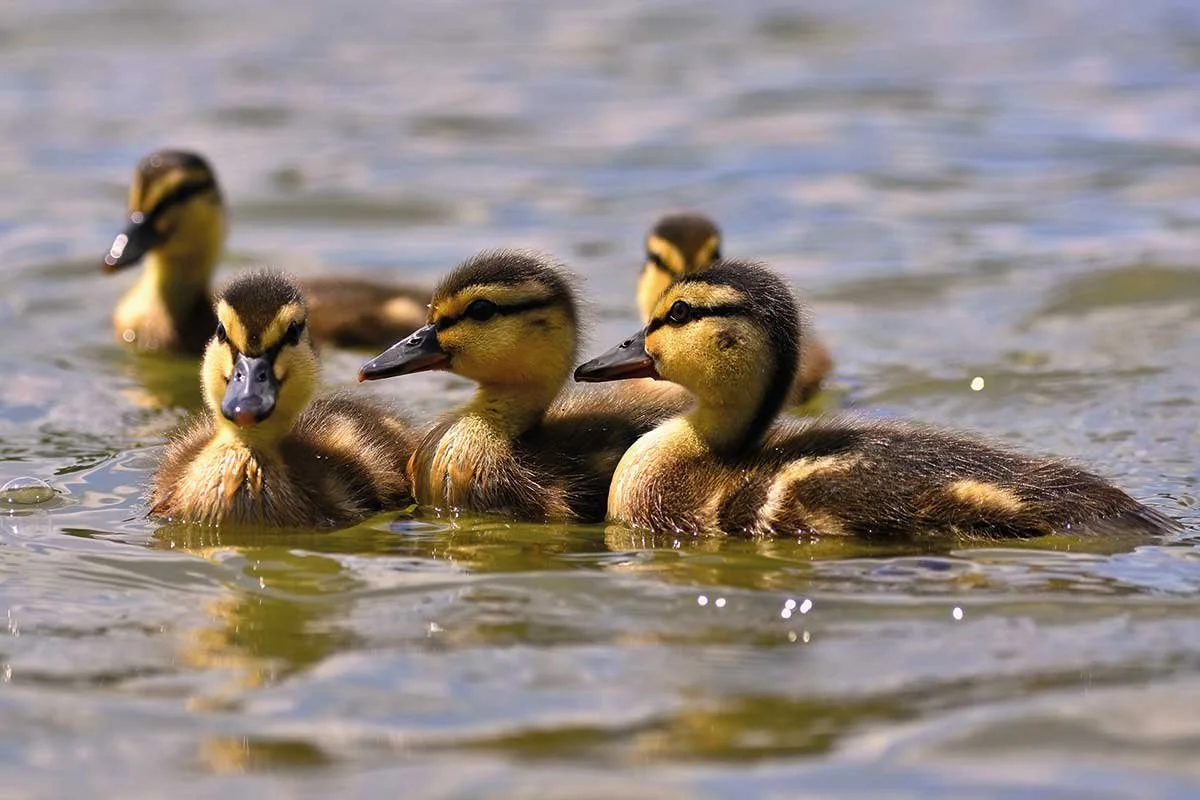
Mallard ducklings (Anas platyrhynchos)
A classic symbol of British springtime, mallard ducklings are among the earliest bird-young to appear, hatching from March onwards. Imprinting on their mothers for protection, the playful broods follow females along pond edges, rivers, canals and lakes, feeding on insects and aquatic plants. Fluffy in appearance, with a yellow chest and underbelly, a brown back and a dark stripe running from their beak through their eyes, their adorable nature speaks for itself.
Where to find: Rivers, lakes, ponds, canals, wetlands and urban parks across Kent
When: March-May
Give broods space and avoid feeding bread.
Brown Hare leverets (Lepus europaeus)
Typically born between March and July, young hares, known as leverets, are born in litters of two to four, fully furred and with their eyes open. They receive little parental care, with mothers returning once a day at sunset for a feed for the first four weeks of their lives. This avoids attracting predators while they are at their most vulnerable, relying on camouflage and stillness rather than shelter.
Where to find: Farmland, downland, open countryside, North Kent Marshes
When: March-July
Common Frog (Rana temporaria)
Spring brings the first frogspawn to Kent’s ponds, tiny jelly-like clumps that will soon hatch into wriggling tadpoles. These little swimmers feed and grow over the following weeks before metamorphosing into miniature froglets in abundant colours, ready to explore gardens, hedgerows and woodland. A single female can lay thousands of eggs, making each pond a bustling nursery of new life. Their transformation is among the most extraordinary spectacles of spring.
Where to find: Garden ponds, lakes, ditches and wetlands across Kent
When: February-April
Frogspawn is protected. Removing it disrupts breeding and local populations.
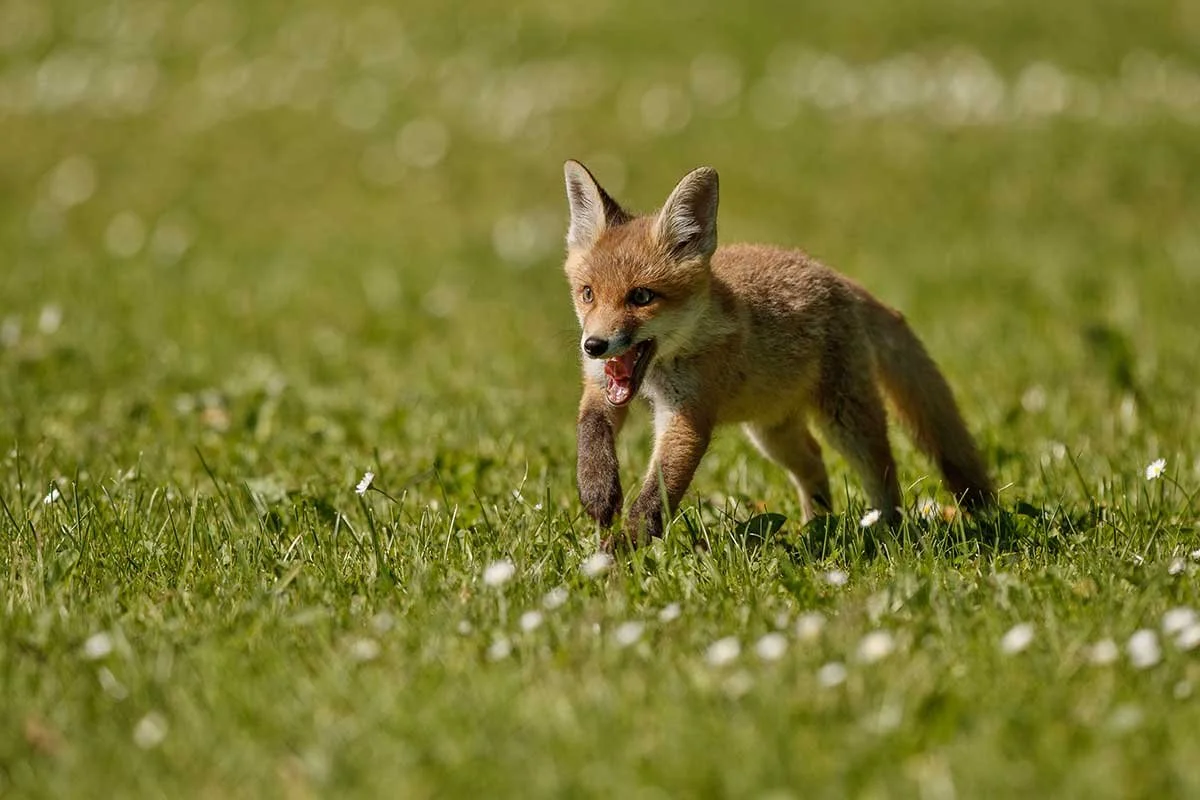
Fox cubs (Vulpes vulpes)
In woodlands, farmlands and urban green spaces across the UK, the first fox cubs begin to emerge from their underground dens - tiny, curious and entirely dependent on their parents. Over the months, they grow, tumble, play and explore the world above ground, mostly around dawn and dusk when their parents are most active. Early sightings are often brief flashes of movement in the tree-lines. By autumn, most are independent, though some linger to help raise the next litter.
Where to find: Woodland edges, farmland, riverbanks and urban green spaces
When: March-May
Observe from a distance. Disturbance can cause adults to abandon dens.
Honourable mentions: Common Toad (Bufo bufo), Avocet (Recurvirostra avosetta) and Blue Tit (Cyanistes caeruleus)
Back on our shores
Along Kent’s rivers, estuaries and coastline, migratory birds are returning home from wintering in distant lands, adding a burst of new energy to familiar landscapes. Among them are a few unique characters whose personalities and traits make them particularly distinguishable.
Swallow (Hirundo rustica)
Across Kent’s fields, rivers and wetlands, swallows return from southern Africa in April, darting low over the landscape in swift, acrobatic flight. Their glossy blue-black backs, red throats and pale underparts are framed by long, forked tails that stream behind them as they scoop insects from the air. These agile migrants build mud-cup nests in barns and outbuildings, where chicks emerge to beg for food, signalling the start of a new breeding season. Their forked tails and fluid flight make them instantly recognisable.
Where to find: Farmland, wetlands, river valleys, barns and open countryside
When: April-September
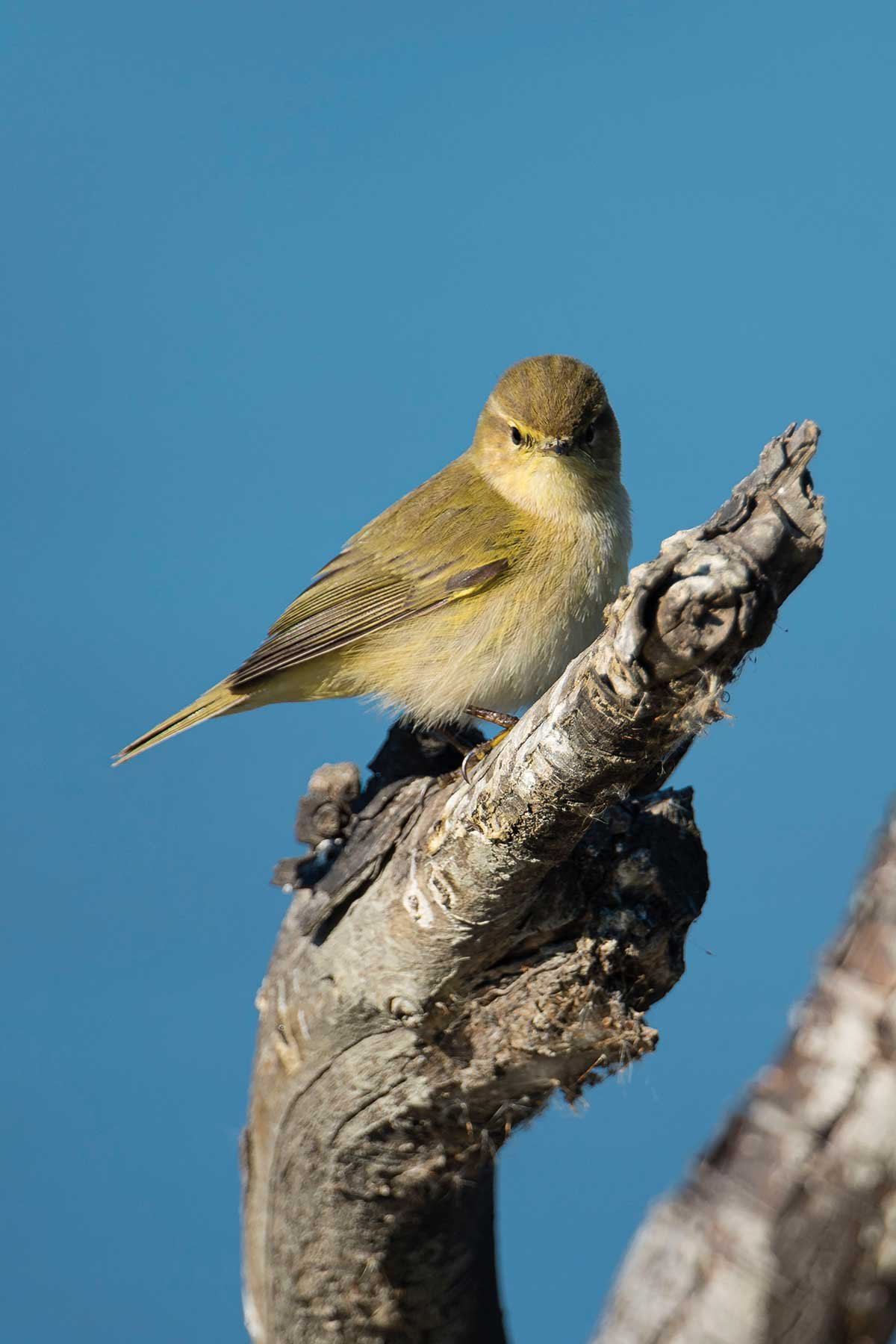
Chiffchaff (Phylloscopus collybita)
Arriving while the trees are still bare, chiffchaffs return from sub-Saharan Africa, noted by their distinct namesake song. The tiny olive-brown warblers weigh less than a £1 coin, have dark legs and continually flick their tails, making them easily discernible. They can often be seen flitting between tree branches hunting for insects, or nesting in dense vegetation close to the ground.
Where to find: Woodland, scrub, hedgerows and river corridors
When: March-October
Due to the country’s warming climate, fewer chiffchaffs have been migrating in winter, with some 1,000 birds spending the whole year in the UK (Woodland Trust).
Willow Warbler (Phylloscopus trochilus)
Not to be confused with the similar-in-appearance chiffchaff, willow warblers can be distinguished by a stronger pale stripe above their eye, pale brown legs and a warble that descends in scale. These yellowish or green-olive-coloured birds migrate back from Africa in April and can be seen weaving through areas of young open woodland.
Where to find: Woodland, hedgerows and scrub
When: April-October
Wheatear (Oenanthe oenanthe)
Among the first of the spring arrivals, the wheatear is primarily a ground-dwelling bird. Famous for its striking white rump (which gave it its name), distinguishing features include a black T shape on its tail and an orange-flushed breast. It favours upland habitats and tends to nest in cavities between rocks, holes in walls and rabbit burrows.
Where to find: Anywhere around the coast
When: March-October
Honourable mentions: Whitethroat (Curruca communis), Nightingale (Luscinia megarhynchos), Cuckoo (Cuculus canorus)
Here all along
While some species migrate and others hibernate, many are permanent residents, sustaining Kent’s ecosystems throughout the year. Evergreen plants, resident birds and mammals that embrace the winter chill form the backbone of Kent’s wild spaces. Their presence offers continuity amid spring’s bursts of change.
Robin (Erithacus rubecula)
A British classic and a symbol of Christmas, the UK is blessed with the Robin’s song year-round. Famous for its orange breast and small stature, it is easily identifiable to even the most amateur of birdwatchers. Despite their cute appearance and placidity around people, robins are aggressively territorial. They have been known to nest in unusual places such as car bonnets and human remains and are easy to spot across Kent.
Where to find: Gardens, hedgerows and woodland edges
When: Year-round (spring song intensifies March-May)
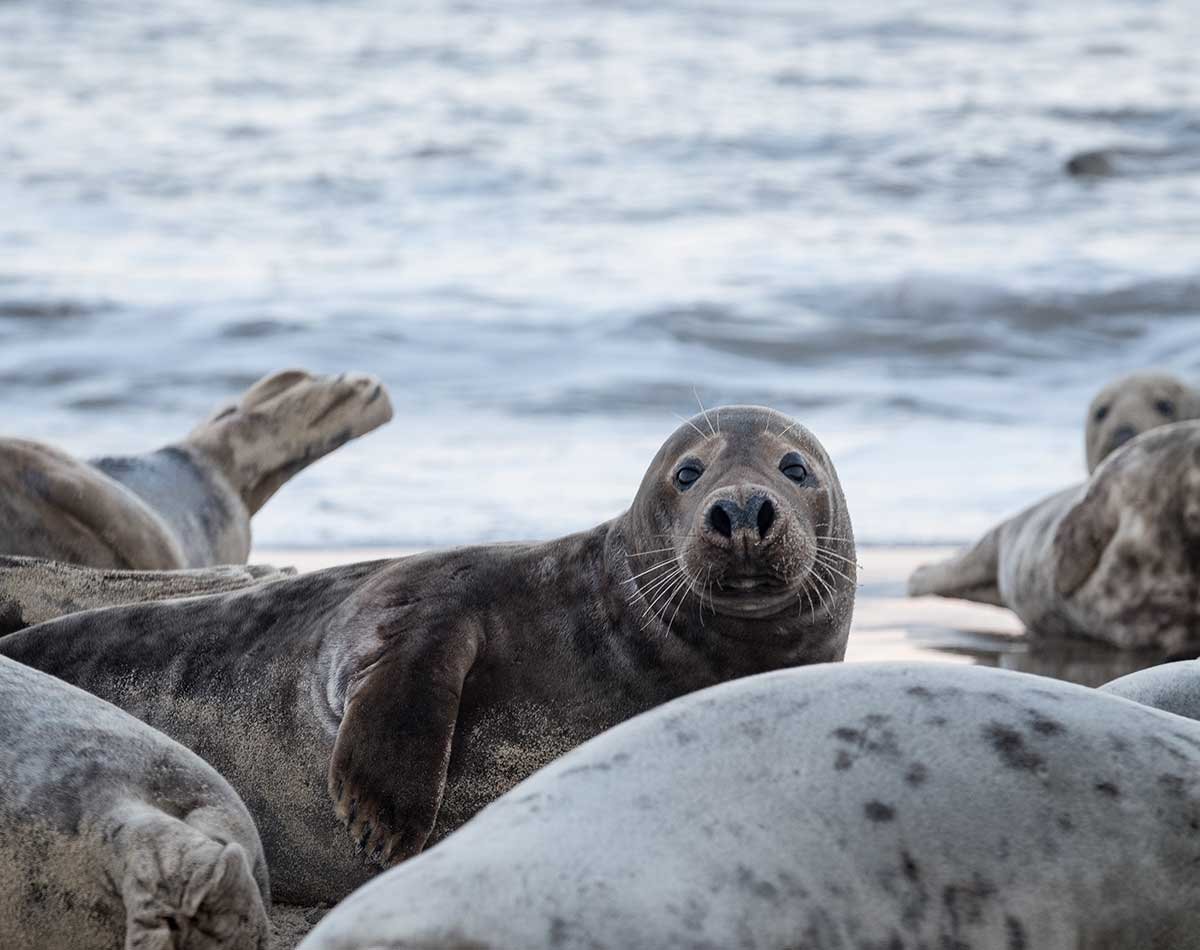
Grey Seal (Halichoerus grypus)
As you wander along the seafront on your next beach visit, be sure to look out for a little grey head bobbing out of the water and you just might be lucky enough to spot a grey seal. Distinguished from the common seal by its larger size and sloping nose on profile, it can often be seen swimming near the shore around Kent’s coastlines. Britain is home to 40% of the world’s grey seal population.
Where to find: North Kent coast, Thames estuary
When: Year-round (more visible in spring)
Observe from a distance; disturbance can cause them to abandon resting sites.
Bumblebee queens (Bombus spp.)
Emerging from hibernation as the temperatures rise and the flowers start to bloom, queen bumblebees must quickly build up their strength by feasting on nectar from early spring flowers. After feasting, they find a new home to build a nest and establish a new colony, which will begin to emerge in early summer.
Where to find: Hedgerows, gardens, grasslands and woodland edges
When: March-May
Early forage sites are crucial; leaving patches of wildflowers supports colony establishment.
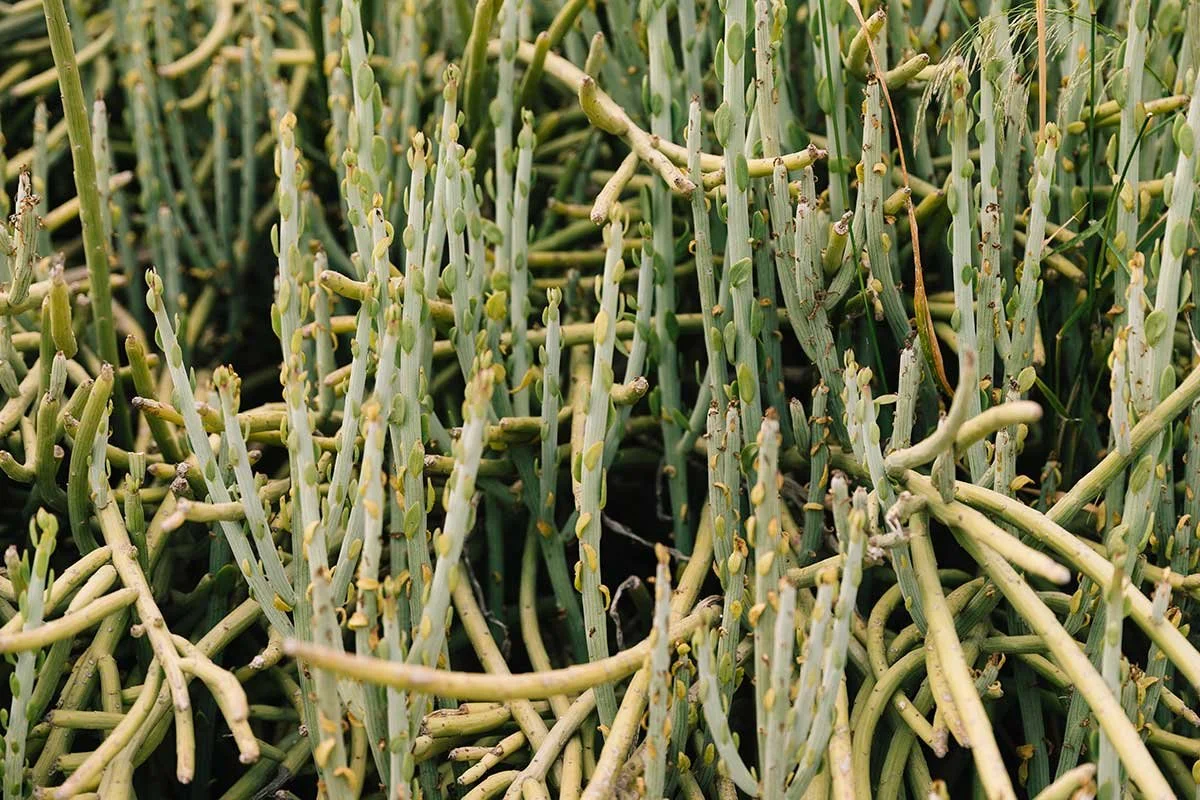
Rock Samphire (Crithmum maritimum)
Clinging to rocky cliff ledges, sea walls and shingle beaches around Kent’s coast, the iconic rock samphire is a native low-growing succulent. The fleshy grey-green foliage stays green year-round, even in the salty sea spray, with small yellow-green flowers appearing mid-spring. Samphire Hoe (Dover) is famously named after the plant found in the area and was referenced in Shakespeare’s King Lear. Intertwined with history and synonymous with Kent, it’s truly a unique, standout coastal plant.
Where to find: Rocky coastline and cliff faces, Samphire Hoe
When: Year-round (flowers April-September)
Honourable mentions: Song Thrush (Turdus philomelos), Harbour Porpoise (Phocoena phocoena)
Our place in the wild
As spring brings longer days and renewed activity across Kent, it also brings more people into wild spaces. With that comes a responsibility to move through these landscapes with care. It is important to remember to keep your distance from wildlife, respect boundaries and remember to observe rather than disturb. Leave no trace, avoid picking wildflowers and be mindful that many species are legally protected. Our presence has an impact and small, thoughtful actions help ensure these places remain thriving for seasons to come.
Share your discoveries with us on #ceneinthewild.