The Fizz Uprising: A Spring Clean for Wine Rules
Kent wine communicator Natalia Suta lets go of wine guilt, pours away etiquette and breaks a few vino rules

Not everyone knows this about me, but I am a recovering wine snob. I used to believe there was a correct glass for every wine, a correct temperature for every bottle and a small but important hierarchy of things you simply did not do – ice in wine being right up there with socks and sandals.
The irony, of course, is that the more I learned about wine and the more time I spent with people deep in the wine industry, the less convinced I became that any of this mattered quite as much as I’d been led to believe. I started dropping rules like there’s no tomorrow, which didn’t make me care less about wine; it made me enjoy it a lot more - a trade I’d recommend to anyone! So if you’re ready to let go of the wine guilt, etiquette and unnecessary pressure, allow me to offer a few rule-breakers that make wine fun again.
Myth 1: Thou Shalt Never Add Ice to Wine
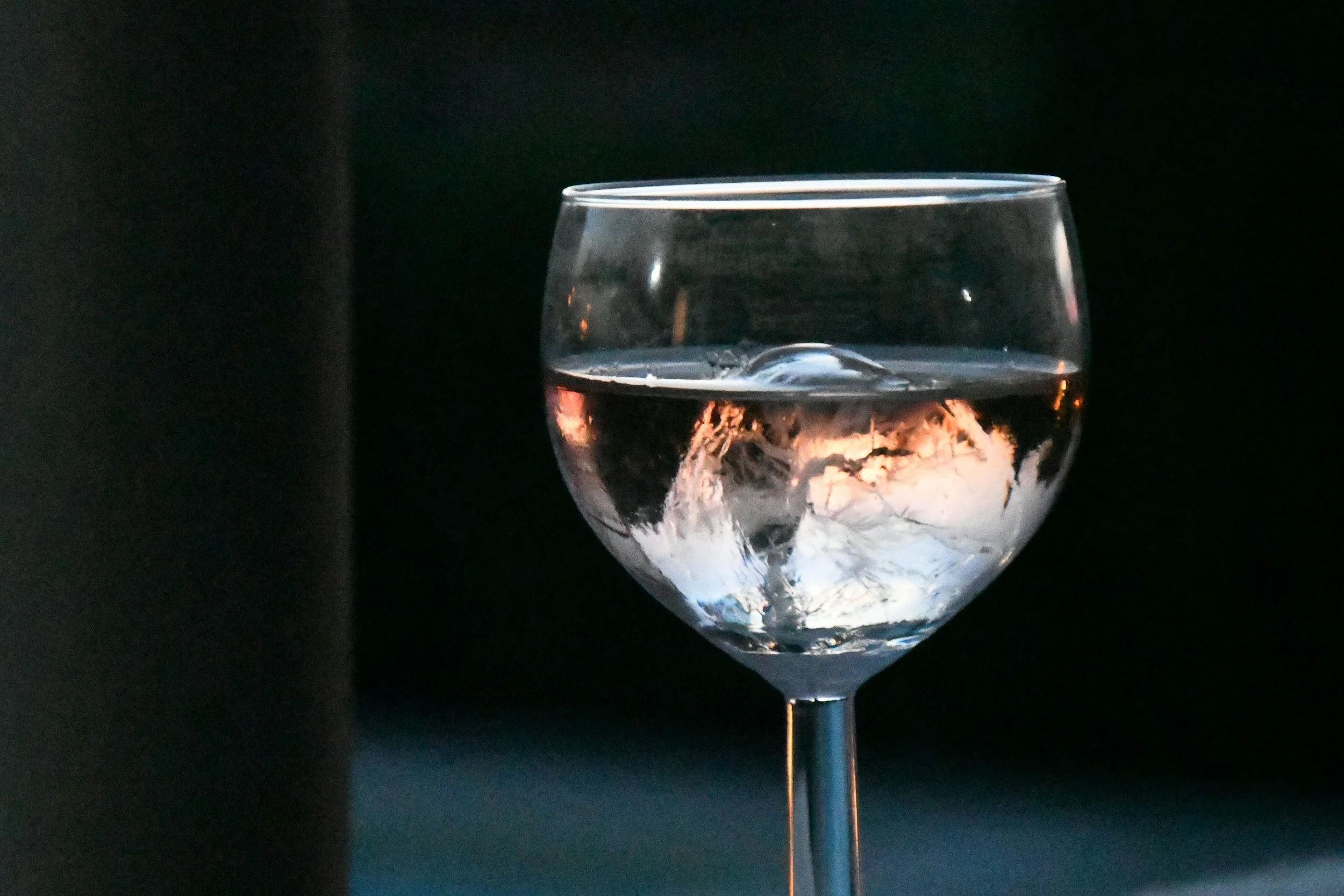
Honestly? Just add the ice. It’s not a crime; it’s not even a misdemeanour. In fact, in parts of the wine world, adding ice to wine has been completely normal for decades. Take Provence, for example, where rosé wine is treated less like a sacred object and more like what it actually is: a refreshment. On a hot day, locals will happily drop a couple of cubes into their glass without a second thought to keep the wine cold, bright and drinkable. Of course, context matters. This isn’t an invitation to ice a rare Burgundy or something you’ve lovingly cellared for years. Instead, save the ice for wines made to refresh rather than impress. Light, fresh, fruit-forward wines - sparkling especially - can wear a cube remarkably well!
Myth 2: Thou Shalt Drink Thy Wine Neat
All wine, apparently, should be drunk neat and unaltered, preferably while looking thoughtful. And yet, across Europe, people have been happily mixing vino with soft drinks for generations. In Spain, tinto de verano pairs red wine with lemon soda. In Germany, wine and sparkling water have long coexisted peacefully as Schorle. Sangria has been doing the rounds at picnics and parties forever. Even Champagne (yes, Champagne!) is often topped up with crème de cassis or orange juice, albeit at a slightly pricier end of the mixing spectrum. The point isn’t to mask flavour, but to lift it. A splash of tonic sharpens aromatics. Soda stretches a glass when you want something lighter. Lemonade adds bounce on a warm afternoon. Done well, mixing can give wine a new shape.
Myth 3: Thou Shalt Honour the Flute
Ah yes, the glassware panic. Red glass, white glass, sparkling flute, sparkling tulip, sparkling-but-not-that-sparkling coupe - suddenly pouring a drink feels like a multiple-choice question. In reality, one decent all-purpose glass will do the job perfectly well. A medium-sized white wine glass - gently curved, not too narrow, not too bulbous - is one of the most useful things you can own. It gives aromas room to open, works brilliantly for sparkling wine and saves you from endless washing-up.

Myth 4: Thou Shalt Not Pop Without Cause
Sparkling wine, we’re told, must be saved. Hoarded. Waited upon. It’s for birthdays, engagements, promotions and moments that arrive with a capital M. And yet, once you remember that sparkling wine is, at heart, a refreshment - bright, lively, palate-cleansing and joyful by design - that logic falls apart remarkably quickly. There is nothing inherently ceremonial about bubbles - we’ve just decided they require an audience. The trouble with this kind of reverence is that it often backfires: either the bottle never gets opened at all, or by the time it’s finally popped, it has lost its brightness and energy. So if you’re still waiting for a sign, this is it: Pop. That. Cork.
Refuse to Conform
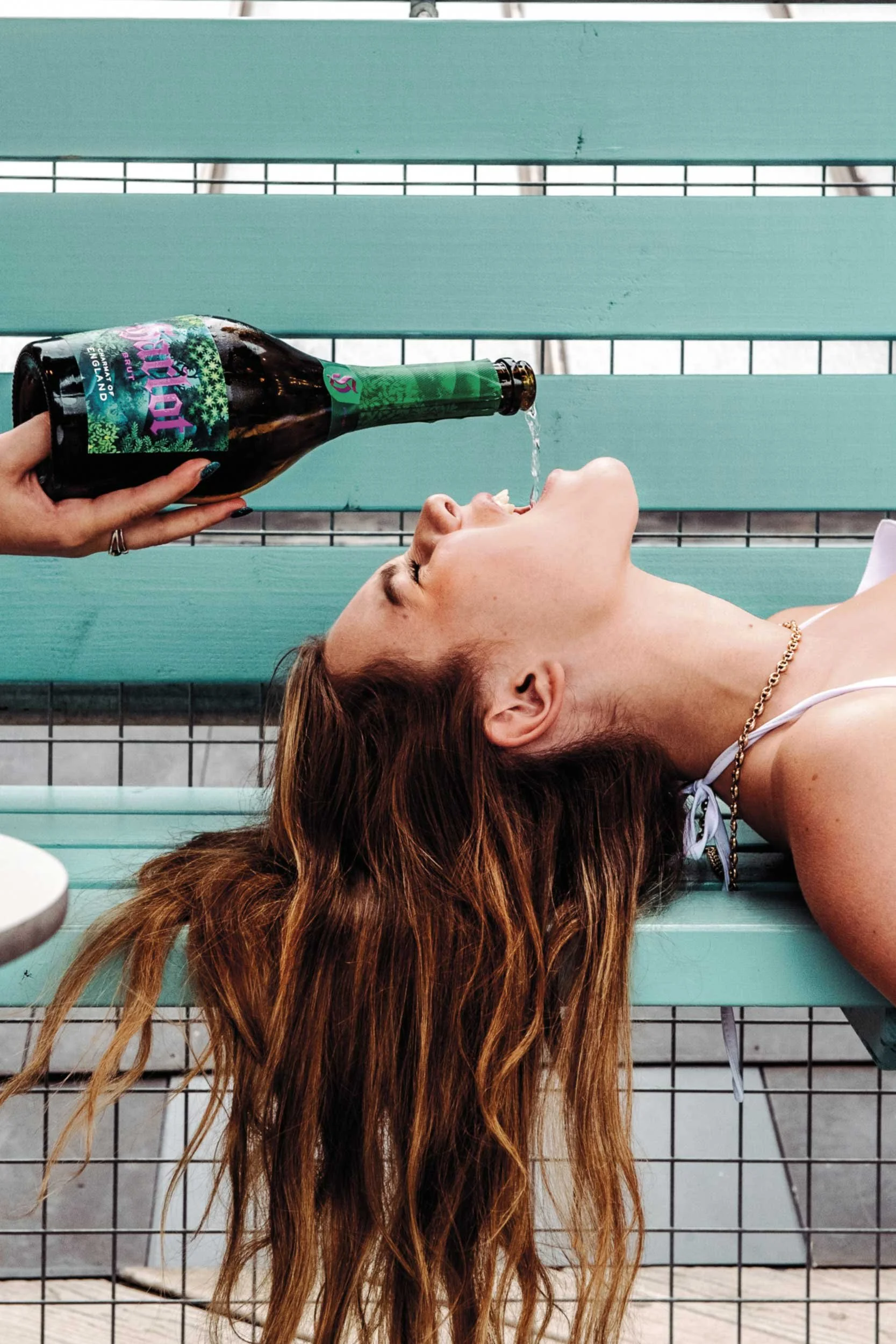
Now that we’ve torn up the etiquette manual, it helps to have a bottle that’s firmly on your side, and you’d be hard-pressed to find a better one than Harlot. A fresh arrival in the English sparkling scene, Harlot has come armed with colour, confidence and absolutely no interest in fitting in. With a motto of Refuse to Conform, the brand sets out to shake up expectations of what English fizz should look like, taste like, and how it should be enjoyed. And while they’re doing an excellent job of ruffling feathers, make no mistake: there’s heavyweight winemaking muscle behind the mischief.
Harlot is made by Silverhand Estate in Kent, the largest organic vineyard in the UK and a serious force in modern English sparkling production. Both the Harlot Brut and Harlot Brut Rosé are crafted using the Charmat method (the same approach used for Prosecco) - a deliberate choice that keeps the wines bright, aromatic and easy-going rather than austere. The Brut leans into elderflower, ripe pear and apricot, while the Rosé brings red apple, strawberry and English pear to the party. These are wines designed for immediacy and pleasure. They’re not afraid to be loud, disruptive and cheeky. And neither should you.