LIFE FORMS: The work of Sevenoaks sculptor Caroline Bugby
Caroline Bugby on exploring the relationships between humans and non-humans

Artist Caroline Bugby ( @carolinebugby ) is a sculptor whose practice explores cross-species relationships, labour and agency.
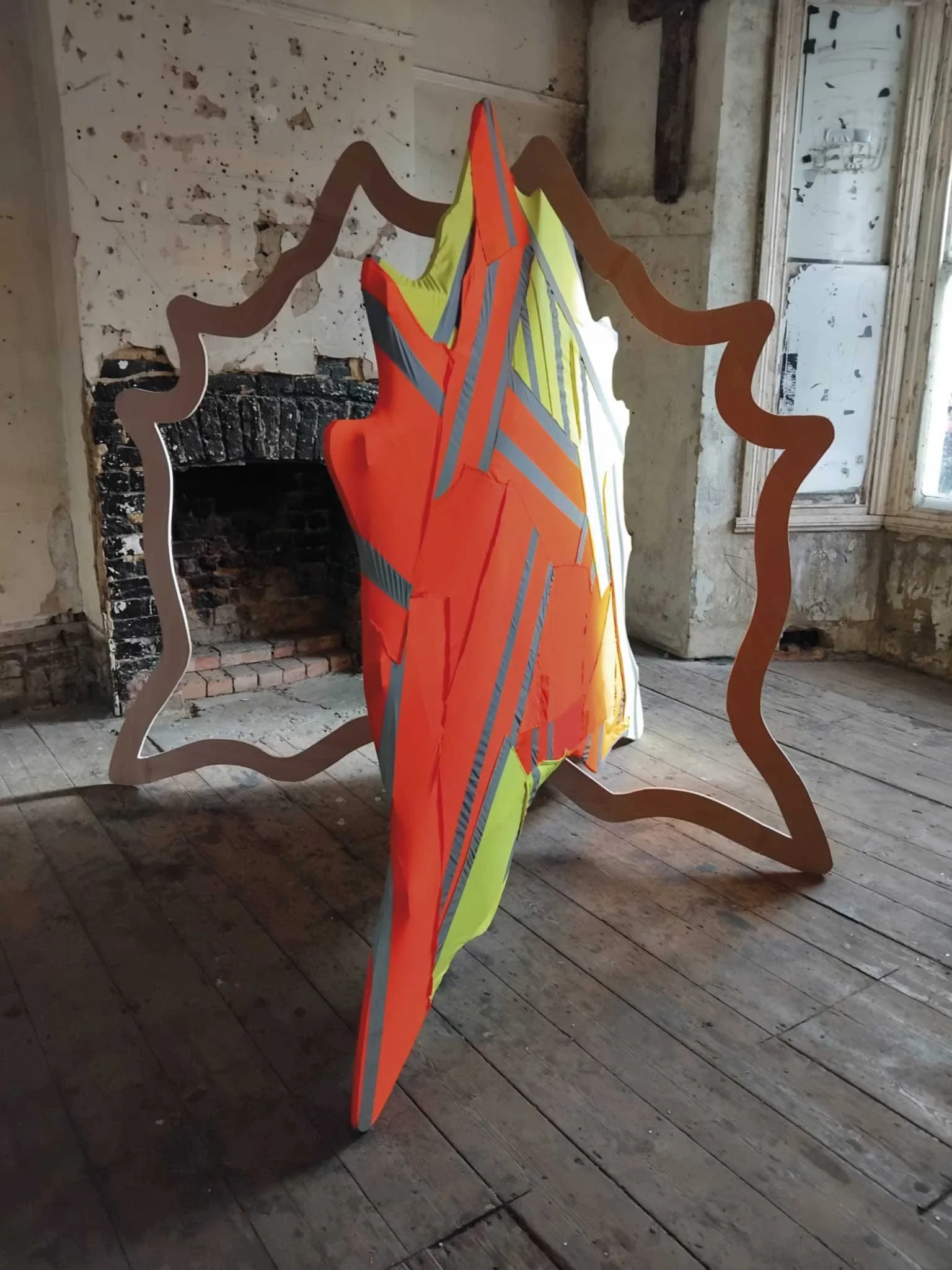
Using sometimes unsettling forms, Caroline’s pieces range from reconstructing recycled high-visibility workwear into fluorescent ‘cowskins’ and transforming industrial garments into symbols of animal labour to employing unconventional materials including solidified milk, beef tallow and sheep’s fleece.
Creating thought-provoking pieces, Caroline’s work has taken her across the world, with residencies in galleries from Barcelona to Vermont. With public works ranging from New York to Yorkshire, the intriguing forms continuously create talking points. What are they? What do they mean? What story do they tell? At home in the Second Floor Studios & Arts in Sevenoaks, we caught up with Caroline to find out a bit more.
What initially drew you to exploring cross-species relationship?
I like thinking about our enmeshed existence with other lifeforms, and how those interconnections can be beautiful and also a bit queasy - like knowing that our gut bacteria outnumber our human cells. I read an amazing book recently - Lovebug, by Daisy Lafarge - which interrogates these themes of the ‘porosity between inside and outside, self and non-self’, which has influenced my work in the studio.
I started looking for where this separation between what is human and what isn’t gets blurred, and where our entanglement with non-human life becomes hard to ignore.
… and why have cows become central to your work?
Cows seemed like an obvious animal to focus on, because their products are so ubiquitous in our lives in the form of milk and cheese - as an animal they are everywhere, but they’re not. We also have a long, tangled history with cows and disease - from contaminated milk that spread tuberculosis in the 19th century to the use of cowpox to create a smallpox vaccine (the word vaccine actually comes from vacca, the Latin for cow!) The ability of bacteria and viruses to travel between cows and humans has been both deadly and beneficial for us.

Can you explain the series Pelts and what messages it brings into focus?
The Pelts are a series of sculptures made from recycled hi-vis workwear. The clothing is cut up and reconfigured in the shape of a cowhide and stretched over a custom plywood frame. I love the process of piecing these together into something new - it’s very intuitive, choosing how the reflective stripes and tarmac scuffs will interact with each other. I wanted these pieces to talk about labour and visibility, as well as functioning as hybrid forms, hovering somewhere between human and creature. I was reading Do Animals Work?, by Vinciane Despret - an ethologist who researched the behaviour of cows on non-industrial dairy farms. She makes a case for dairy cows as workers and argues that viewing livestock as more than victims or machines might open up new human/animal ways of being together in the world in future.
How do animal-derived materials like milk and tallow affect how audiences experience your sculptures?
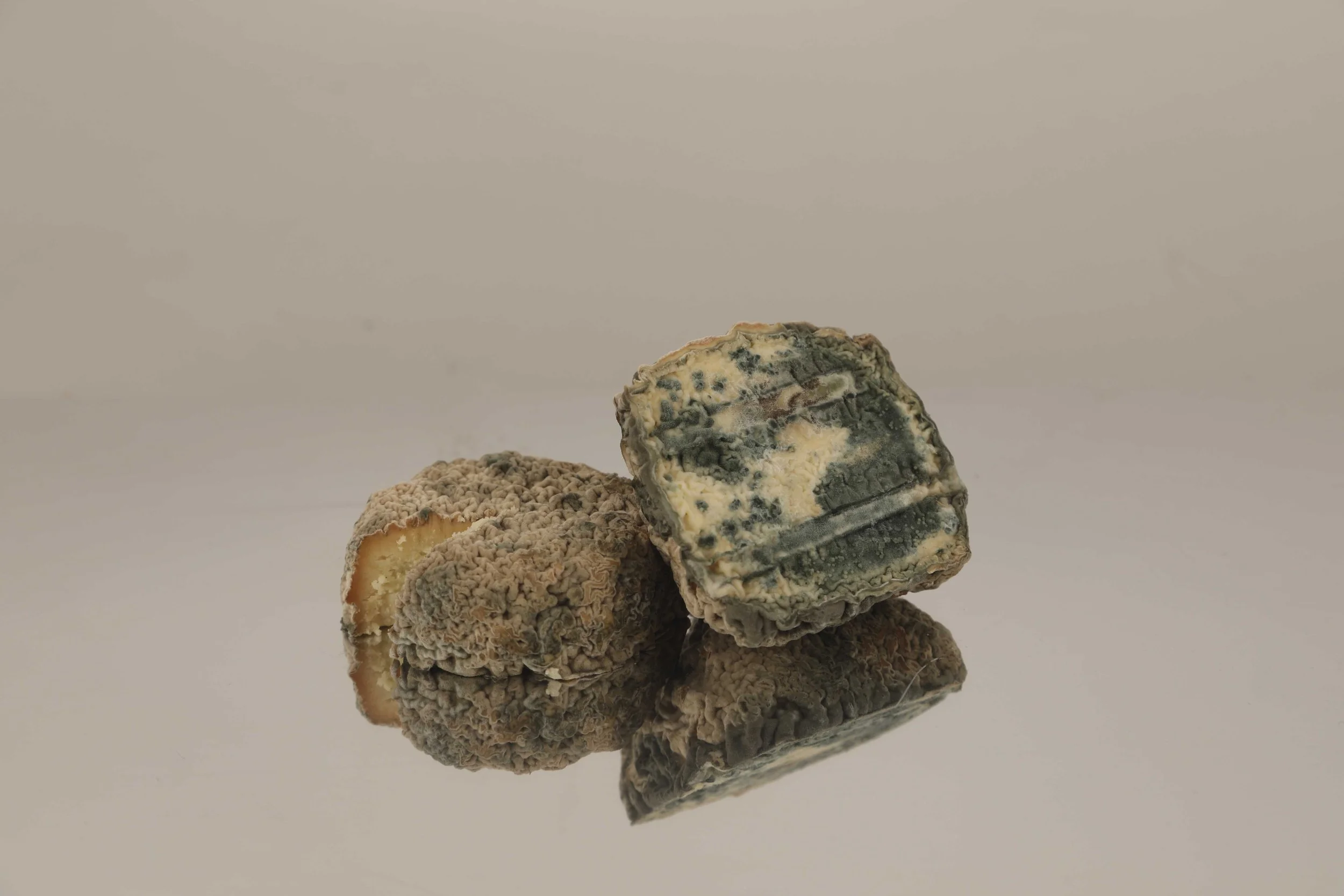
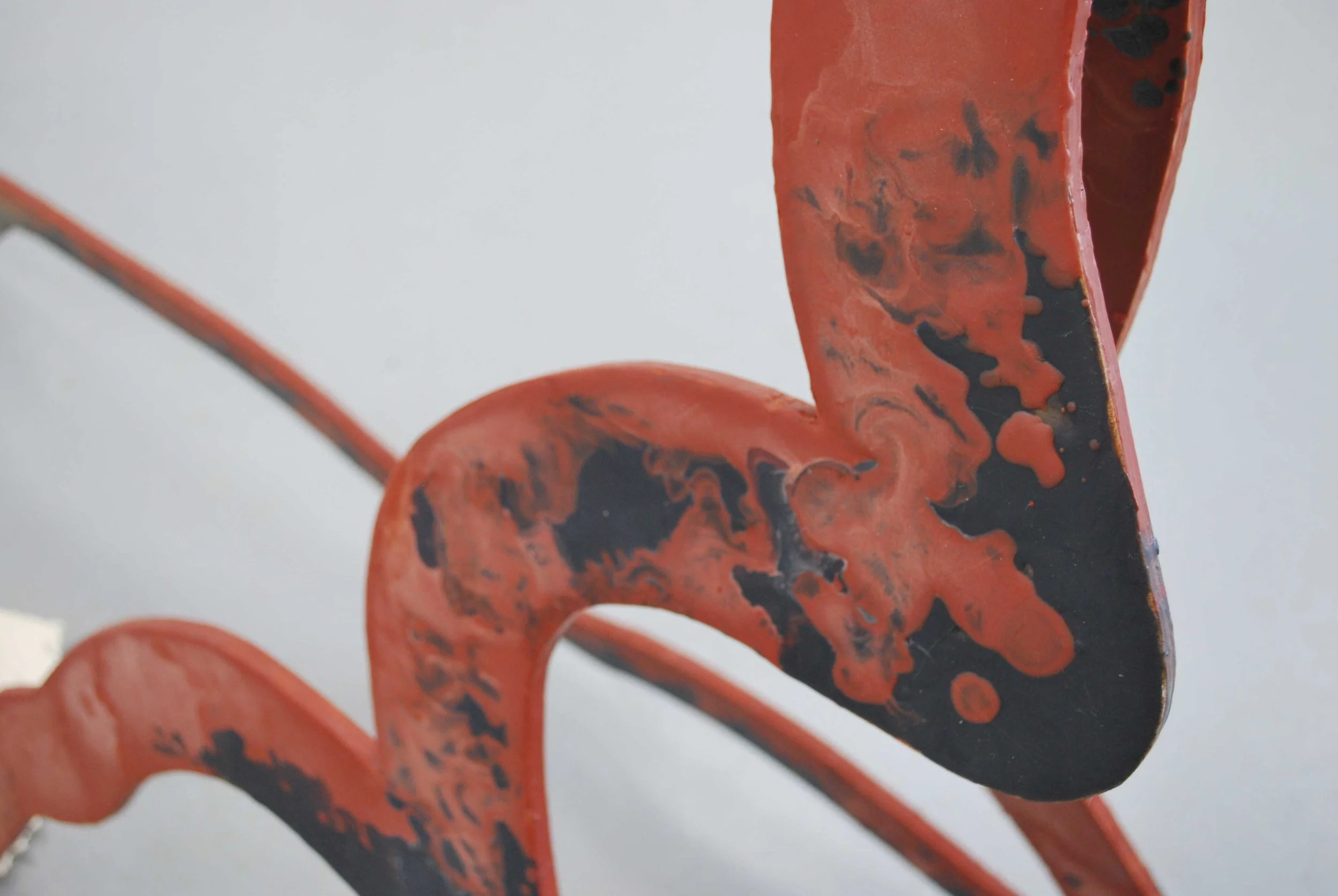
The use of milk, cheese and tallow in my work makes the experience for viewers much more sensory and visceral. Often these materials have a distinctive aroma and they respond to the climate of the space they’re in; for example, the solidified milk sculptures sweat in the heat. Their unpredictability and their capacity for transformation is what makes them exciting to work with. In the studio at the moment I’m collaborating with Penicillium roqueforti, the cheese fungus that creates the blue mould found in Stilton, focusing in on microorganisms and the role they play in our lives.
Can you explain the process of creating Fossilising the Tideline and what the series represents?
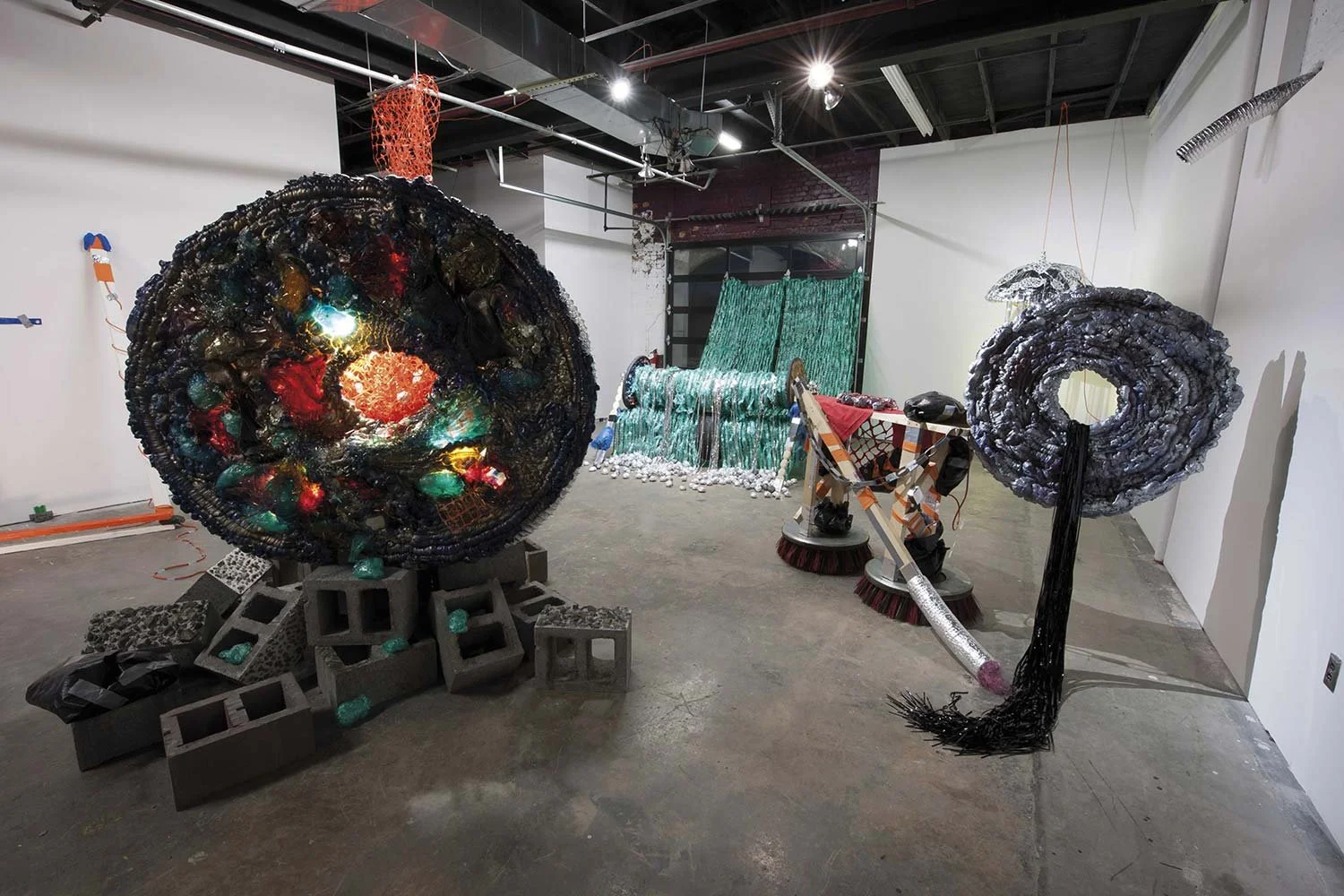
Fossilising the Tideline is much older - I made this body of work almost 10 years ago for my Master’s thesis show at the University of North Carolina at Greensboro in the US. It was six months in the making - it was hugely enjoyable to throw myself into creating an installation of this scale. A lot of the elements used were found in skips, transformed into bizarre quasi-machinery and large-scale abstract forms. At the time I was fascinated with the materials found on construction sites and how these might be co-opted to create surreal alternate worlds. The title comes from my memories of fossil-hunting in Folkestone as a child - and some of the sculptures look like fossils or ancient relics.
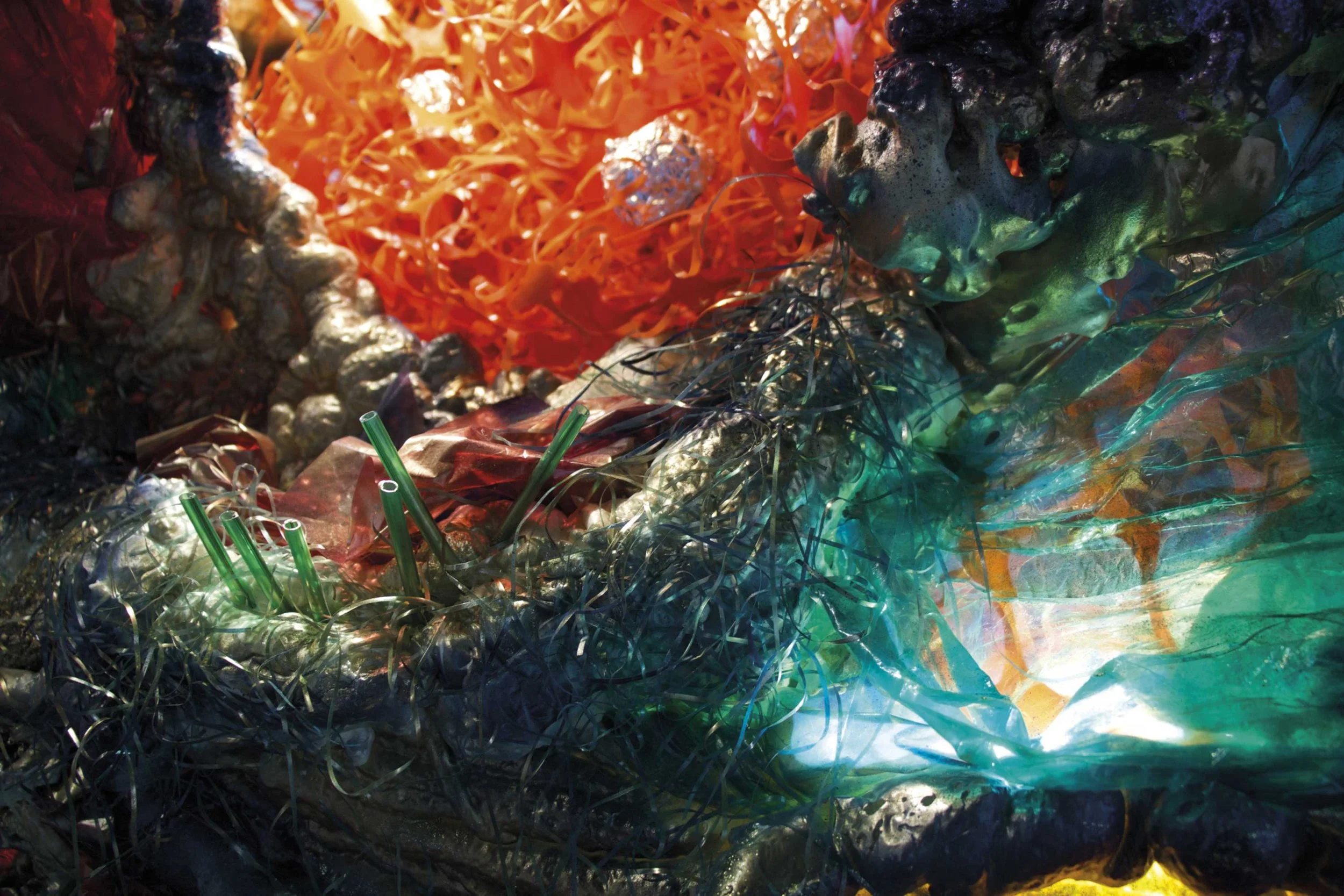
You have created many public works - do you have a favourite piece?
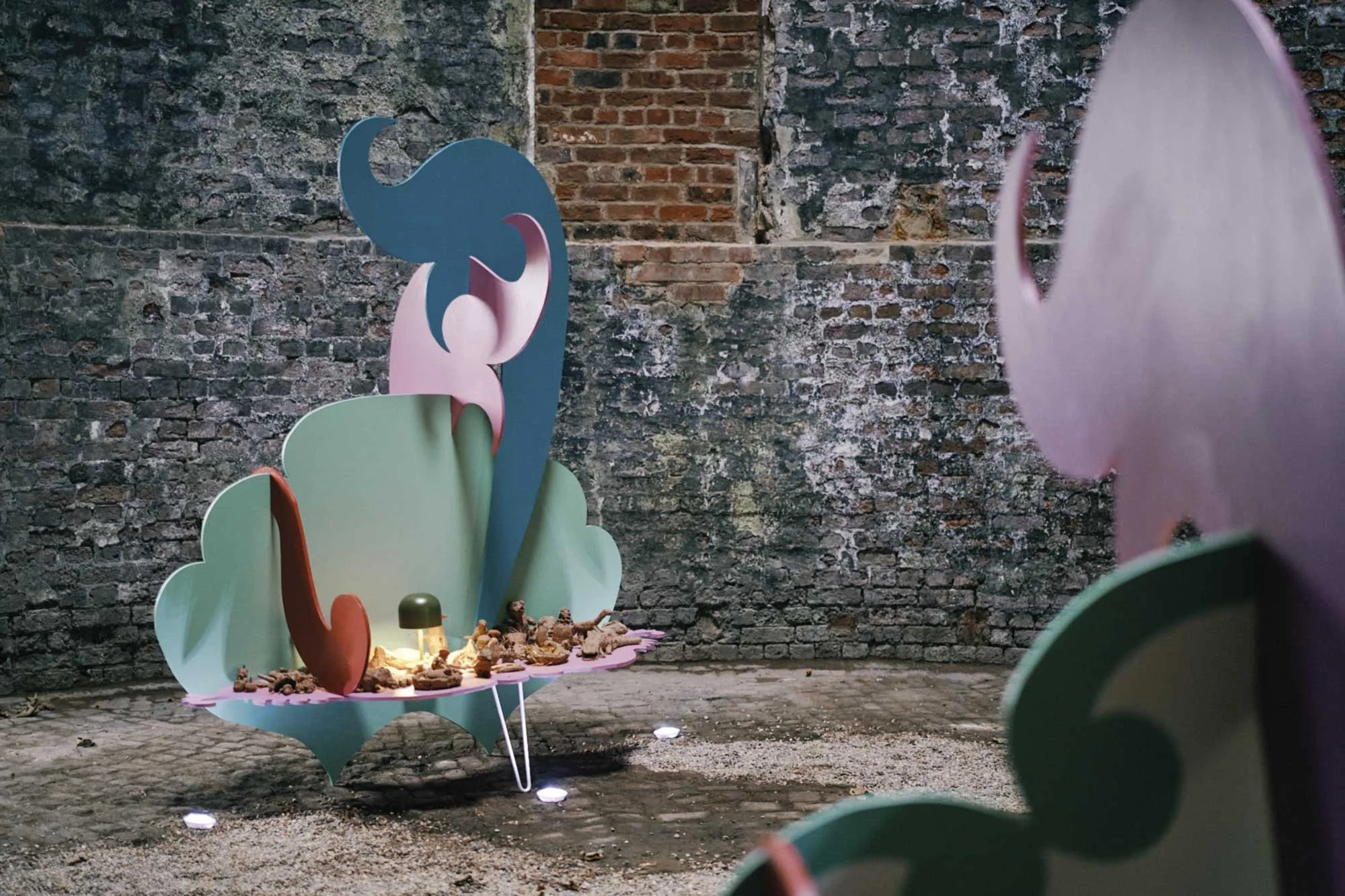
In 2024 I worked with Clifton Park Museum to create an installation inside the historic Waterloo Kiln. This commission presented a few challenges, as the site is open to the elements, has no electricity and of course I wasn’t allowed to fix anything to the fabric of the building, which is listed. The installation I made is inspired by the famous neo-Rococo pottery that was manufactured on the site in the 19th century.
I loved the elaborate, swirling nature-based designs and simplified these to make sculptures from intersecting plywood shapes. This commission was really special because it was co-created with the local community who made beautiful clay sculptures to add to the installation. The launch coincided with the heritage site being opened for the first time in many years and the atmosphere was lovely - it was a privilege to be part of it.
INFO: www.carolinebugby.co.uk