Ocean Photographer of the Year makes UK debut at The Historic Dockyard Chatham
Drawn from more than 15,000 entries worldwide, the exhibition presents the most powerful works from Ocean Photographer of the Year


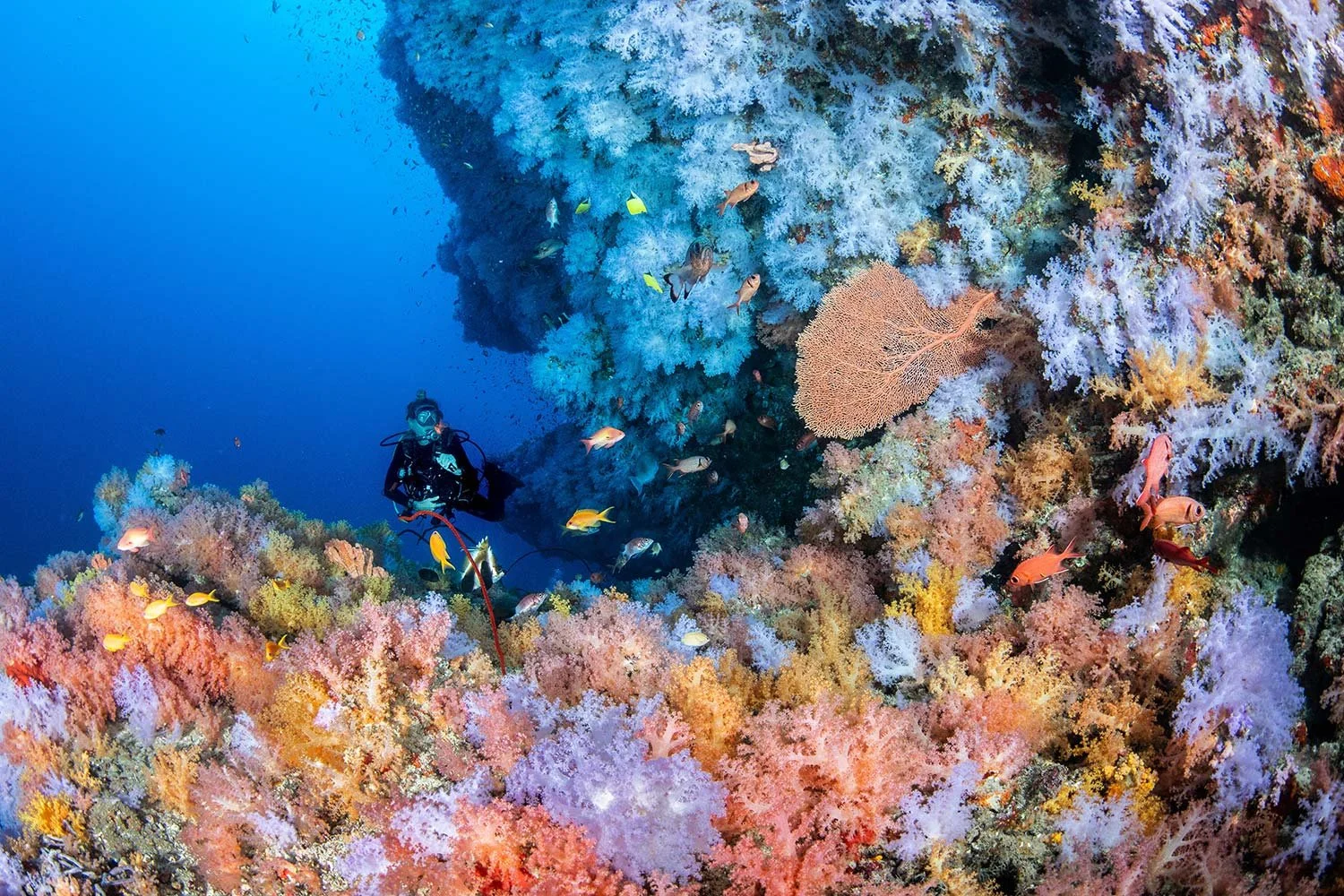
Image by Catherine Holmes
A stunning photographic exhibition depicting life in and under the ocean will make its UK debut at The Historic Dockyard Chatham from 26 March 2026, revealing the beauty, fragility, thrill and the peril of our marine ecosystems through 116 award-winning images.
Drawn from more than 15,000 entries worldwide, the exhibition presents the most powerful works from Ocean Photographer of the Year, one of the world’s most prestigious ocean photography awards. (More info)
Bringing together award-winning photographers from around the world, the exhibition shares a journey beneath the waves: from intimate encounters with microscopic marine life just 1.5cm across, to epic wildlife moments with sharks and wales, to the stark documentation of climate change, coral bleaching and human impact. The images reveal an ocean of extraordinary beauty, and profound vulnerability.
“One of the things Ocean Photographer of the Year does exceptionally well is showcase both the wonder of the ocean and the threats it faces,” says Henley Spiers. (Underwater Wildlife Photographer)
Spiers adds: "Photography allows people to emotionally connect with the ocean first, and once they feel that connection, they start to care.”
Among the exhibition’s most confronting works is Spiers’ Conservation (Impact) category image depicting the body of a green turtle killed by a boat strike, now sheltering juvenile fish beneath its shell.
“These images aren’t showing an alien world" Spiers says "they show a living one that’s complex, vulnerable and surprisingly relatable.”
Paul Barnard, COO at The Historic Dockyard Chatham welcomes the beauty and conservation aspect of the exhibition: "We are very excited to be hosting Ocean Photographer of the Year for the very first time in the UK here at The Historic Dockyard Chatham. This prestigious competition has been delighting audiences across the world with its stunning photography and we are pleased to be able to bring this to audiences in the UK, and specifically the south east.
“The exhibition provides a unique glimpse into our mysterious and magical underwater world but also importantly highlights the challenges we face surrounding ocean health and climate change. We hope that our visitors not only enjoy the stunning photography but also consider the impact we all have on ocean health and the steps we can all take to make our marine environment thrive."
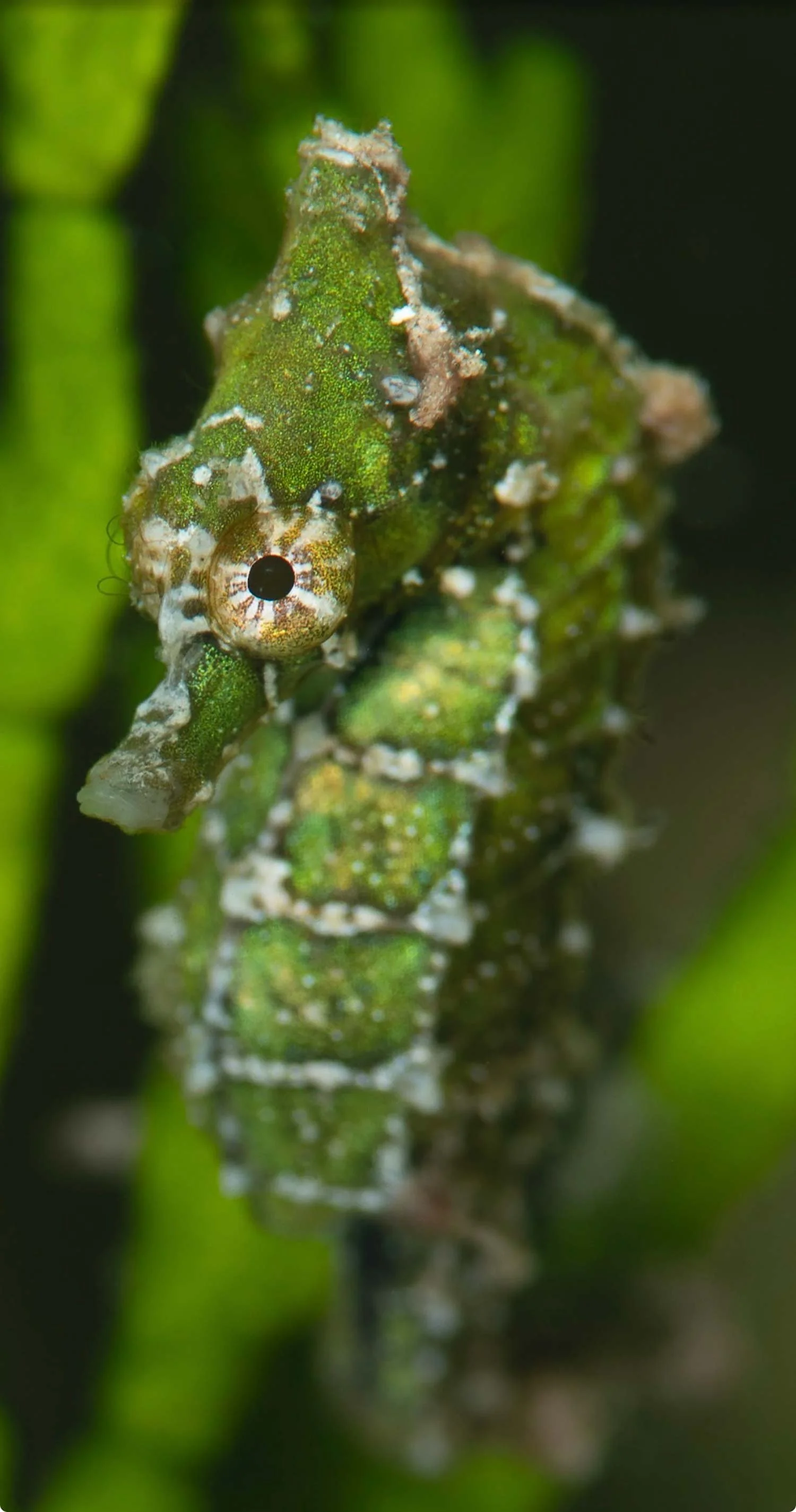
Dr Richard Smith: pygmy seahorses the size of a 5 pence piece & coral bleaching
At the scientific and emotional heart of the exhibition is the work of Dr Richard Smith, a British marine biologist, conservationist and award-winning underwater photographer, and amazingly the world’s leading authority on pygmy seahorses.
Dr Smith earned his PhD in 2011 as the first scientist to conduct biological research focused entirely on pygmy seahorses, some of the smallest fish on Earth. The tiniest species measures just 1.5cm, small enough to stretch across a five-pence coin including its tail, an almost impossibly small subject to study or photograph in the vastness of the ocean.
“It’s the equivalent of looking for a needle in a haystack,” Smith explains, “sometimes you’re searching for an animal that’s been described scientifically but never photographed alive. The ocean is enormous, and so much of it remains unexplored.”
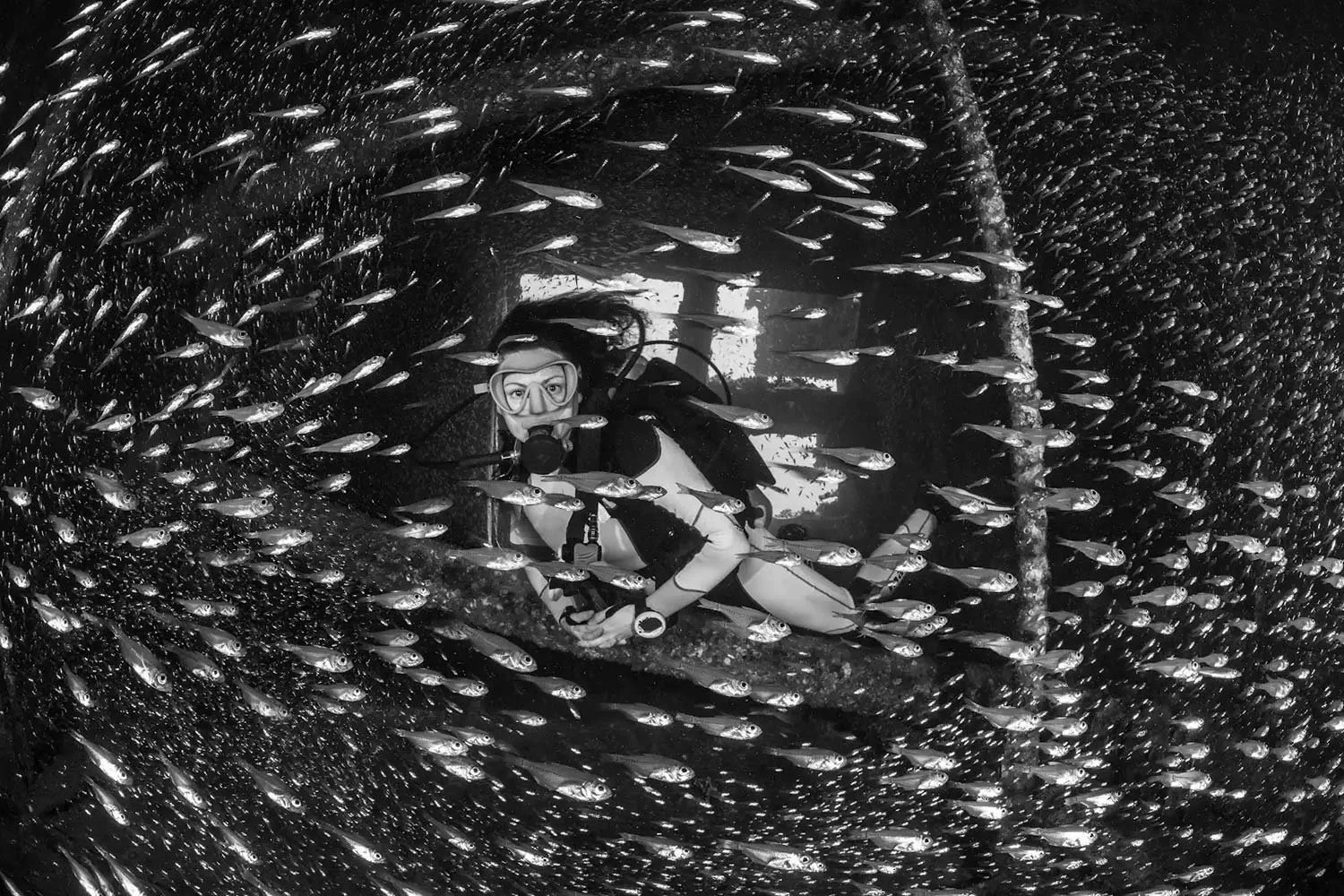
Image by Jenny Stock
Since completing his PhD, Smith has discovered and described multiple new pygmy seahorse species, including species from Japan and South Africa known from only a handful of specimens. He helps advise on the protection of the UK’s two native seahorse species - animals so cryptic and protected that even photographing them in the UK is illegal!
Smith’s photography in the exhibition documents both discovery and loss. One featured image was created during a six-week expedition to Milne Bay, Papua New Guinea, where he returned after 20 years expecting thriving reefs and instead encountered the worst coral bleaching he had ever seen.
“We rarely consider how bleaching devastates species that depend entirely on coral habitats, but this image shows an endemic Melanesian Blue Devil damselfish living around a small coral colony that had bleached but was still alive. It’s a beautiful fish persisting amid environmental catastrophe - a story shared by countless species worldwide.”
Smith revisited the same reef repeatedly, waiting for the precise moment when the coral was pure white, framed by blue water and fish and knowing that once algae took hold, this would be a sign that the coral is be dead.
“For this image, maybe two or three hours underwater, but six very depressing weeks overall trying to capture something visually compelling while documenting devastation became my mission.”
The exhibition also features Smith’s rare photograph of a dwarf seahorse, encountered unexpectedly in shallow waters off Florida. Perfectly camouflaged against emerald-green Halimeda algae, the tiny seahorse illustrates why these animals are almost never seen, and why photography is often the only lasting record of their existence.
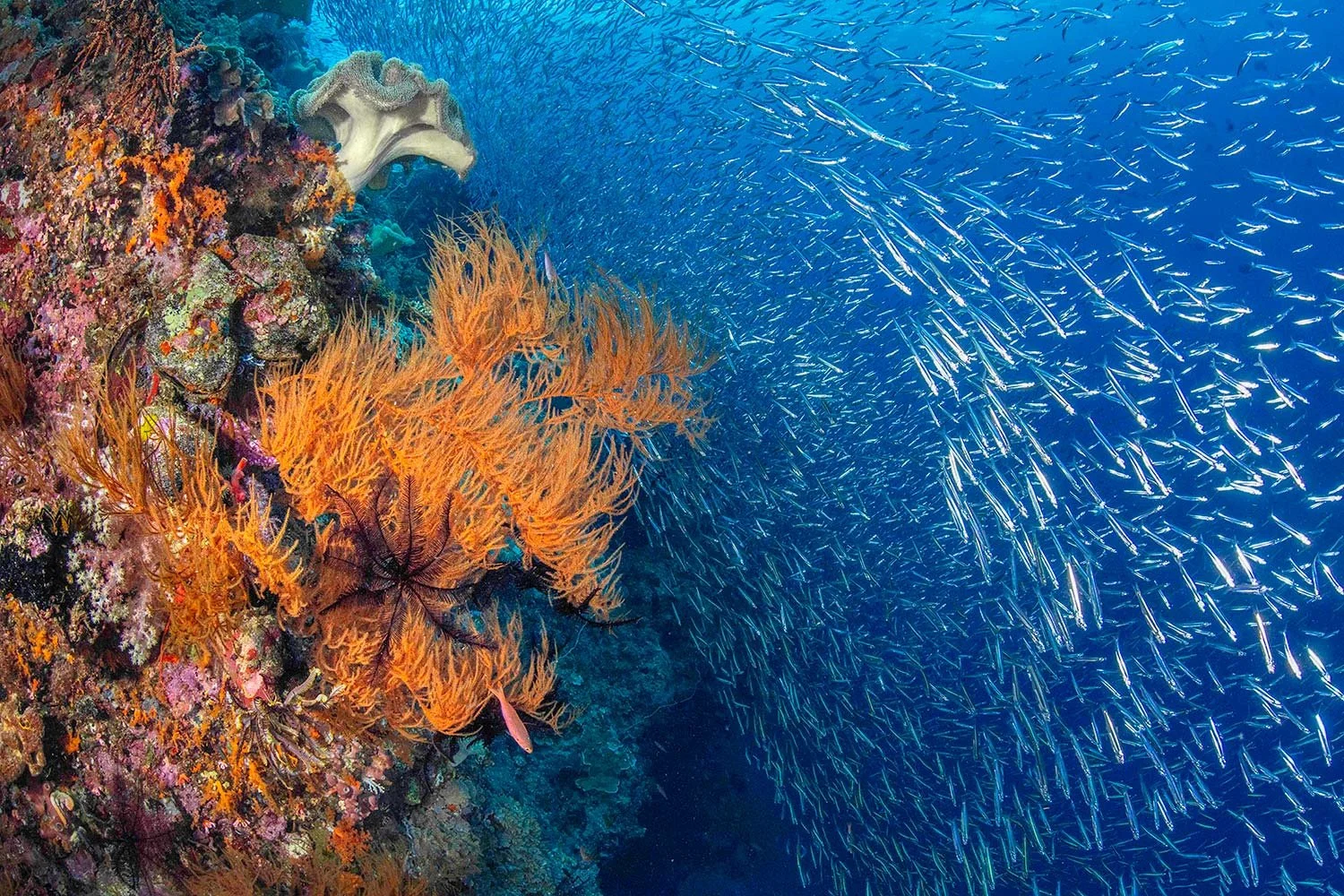
Image by Jenny Stock
Energy, movement and life: Jenny Stock
The exhibition also features dynamic work by Jenny Stock, a documentary maker and underwater photographer whose work has appeared in National Geographic, BBC, Oceanographic, Wildlife Photographer of the Year and European Photographer of the Year. In 2024, Stock became the first, and remains the only woman on record, to win British Underwater Photographer of the Year.
Her featured image, captured at Puri Pinnacle in Raja Ampat, Indonesia, immerses viewers in a heart-pounding underwater chase as millions of anchovies surge past, pursued by hunting jacks.
“Seconds after descending, I saw this glittering wall of anchovies race over me, - they passed barely a foot from me, the energy was wild, frantic, exhilarating. These fish were clearly swimming for their lives.”
Technically challenging due to the anchovies’ reflective bodies, Stock carefully lowered her strobes and shot at high shutter speed to preserve the movement and intensity of the moment.
Reflecting on the global reach of the exhibition, she adds: “It’s fantastic to know my image has been seen in Australia and South Africa and is now coming to the UK. This photograph shows a particularly healthy reef filled with fish, and I hope when people see it, they understand what we still have, and what we need to protect.”
A historic setting
Set within a site shaped by centuries of naval exploration, shipbuilding and underwater innovation, the exhibition continues the Dockyard’s commitment to maritime storytelling and ocean understanding, following the acclaimed Diving Deep: HMS Invincible 1744 exhibition.
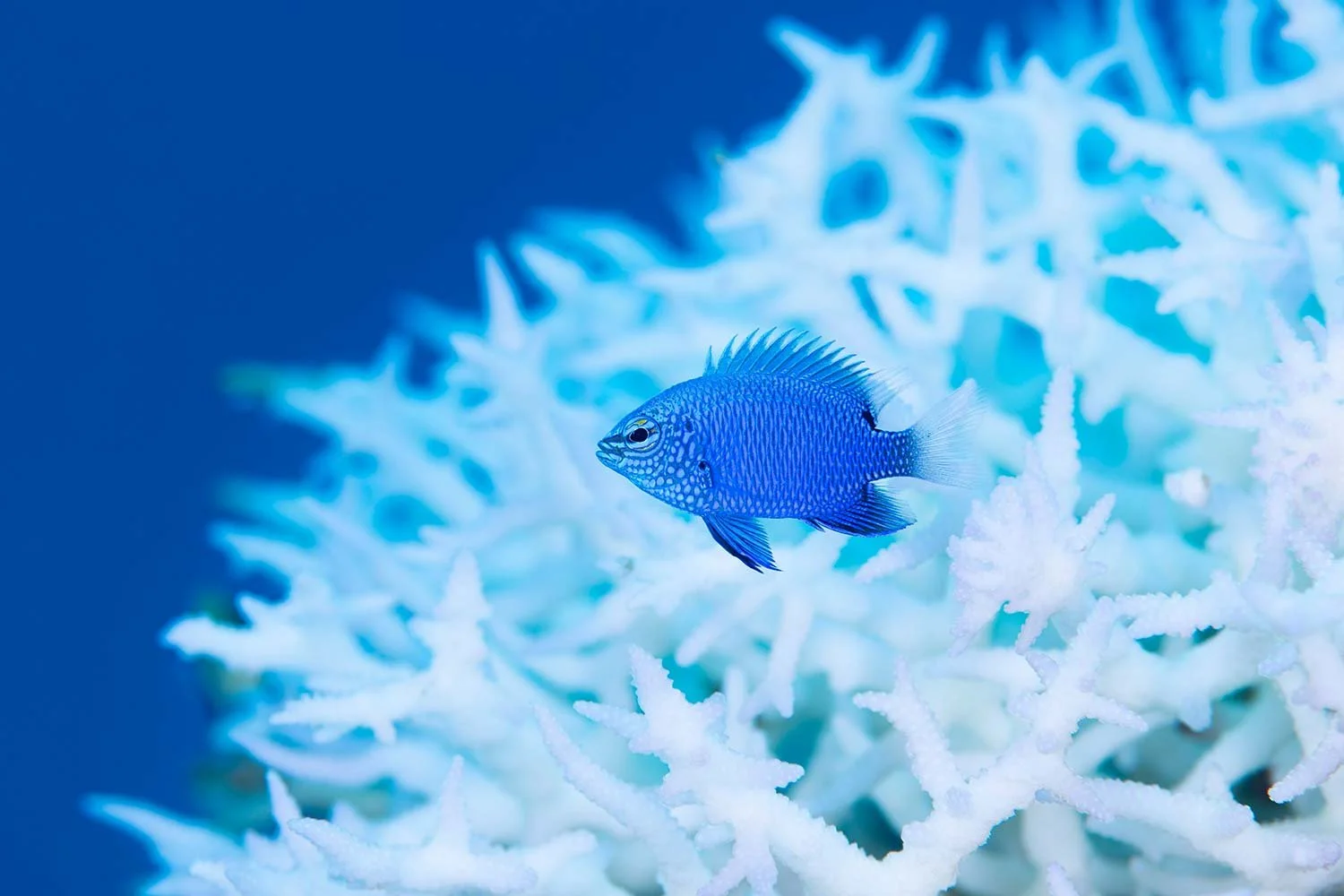
Image by Dr Richard Smith