Margate fashion house Label Hjem is rejuvenating waste textiles
“I wanted to work with what already exists… materials that have lost their value.”


Images by Birutė Paukštytė - @birute_paukste
In a quiet studio space in Margate, Rachel Jefferson is reimagining what discarded clothing can be.
As the founder of Label Hjem (@label.hjem), a future-focused fashion brand built entirely on regenerated textiles, Jefferson is focused on extending their use-by date and redefining their journey.
“We’ve got enough stuff,” she says simply. “I didn’t want to start a brand that added more to the pile. I wanted to work with what already exists… materials that have lost their value.
“The concept for each and every collection is a simple one: to celebrate the value and beauty in discarded clothes.”
Founded in 2022, Label Hjem (pronounced ‘yem’) takes its name from the Northumbrian dialect - a nod to Jefferson’s heritage in the north-east of England. “‘Hjem’ is what we’d call ‘home’ back where I’m from,” she explains. “Now that I’m living far from there - in Margate, after 10 years in London - it just felt like a nice homage.”
That sense of place, both literal and emotional, is at the heart of Label Hjem. It’s about redefining ‘home’ in a broader, global sense: from the clothes we wear to the systems we live within, and the ecological footprint we leave behind.
Before launching her own label, Rachel spent almost a decade embedded in the commercial fashion industry. She studied fashion at Northumbria University and interned in London before landing a job at ASOS in 2014.
Images by Birutė Paukštytė - @birute_paukste
“At the time, ASOS was pioneering,” she says. “They were so ahead in tech and consumer data - things like basket size, shopping habits, customer behaviour. It was fascinating to get access to that kind of detailed information and the design team was incredible.”
Her work moved quickly. Within six months, she was spotting people in public wearing pieces she’d worked on. “That was always important to me. I wanted to see the clothes out in the world.”
From ASOS, she moved to Debenhams, “a different kettle of fish”, as she puts it, and later to activewear brand Sweaty Betty. With each shift, Jefferson’s interest moved from trend cycles to something deeper: “I started to feel tired of the never-ending newness. I wanted to understand the bones of a business - the supply chain, the customer, the process and where it all ends up.”
By 2020, Jefferson was ready to pivot. She left her in-house roles and went freelance, working closely with start-ups and founders. But something was missing.
“I hadn’t been behind a sewing machine in years,” she admits. “I just had this urge to get hands-on again - not with new materials but with stuff that already existed.”
That was the seed for Label Hjem. It started simply, cutting up garments from charity shops, playing with form and asking big questions: Where does textile waste go? Who sorts it? What’s actually happening with all this stuff?
That journey led her to the Salvation Army’s trading arm, SatCol, the UK’s largest charity collector and sorter of second-hand clothing. “They’ve got this enormous hangar in the Midlands, and seeing the sheer volume of textiles coming through every day was mind-blowing,” she says. It solidified the idea that we already have everything we need, we just need to reframe how we use it.

Building collections from waste
Label Hjem isn’t just about upcycling, it’s also about celebrating craftsmanship and skills that were once deemed far more valuable than perhaps they are now.
“I knew if I was working in the upcycling space, it had to feel premium,” Rachel says. “There’s a massive discount culture in the UK. A £4 T-shirt shouldn’t exist - someone, somewhere, is getting hurt for that. I knew that it needed to be of a certain price point if it’s going to be made in an artisanal way. The shapes, I wanted to feel a little bit more timeless and just to feel special. So someone’s buying the whole concept rather than just a click, impulse purchase.”
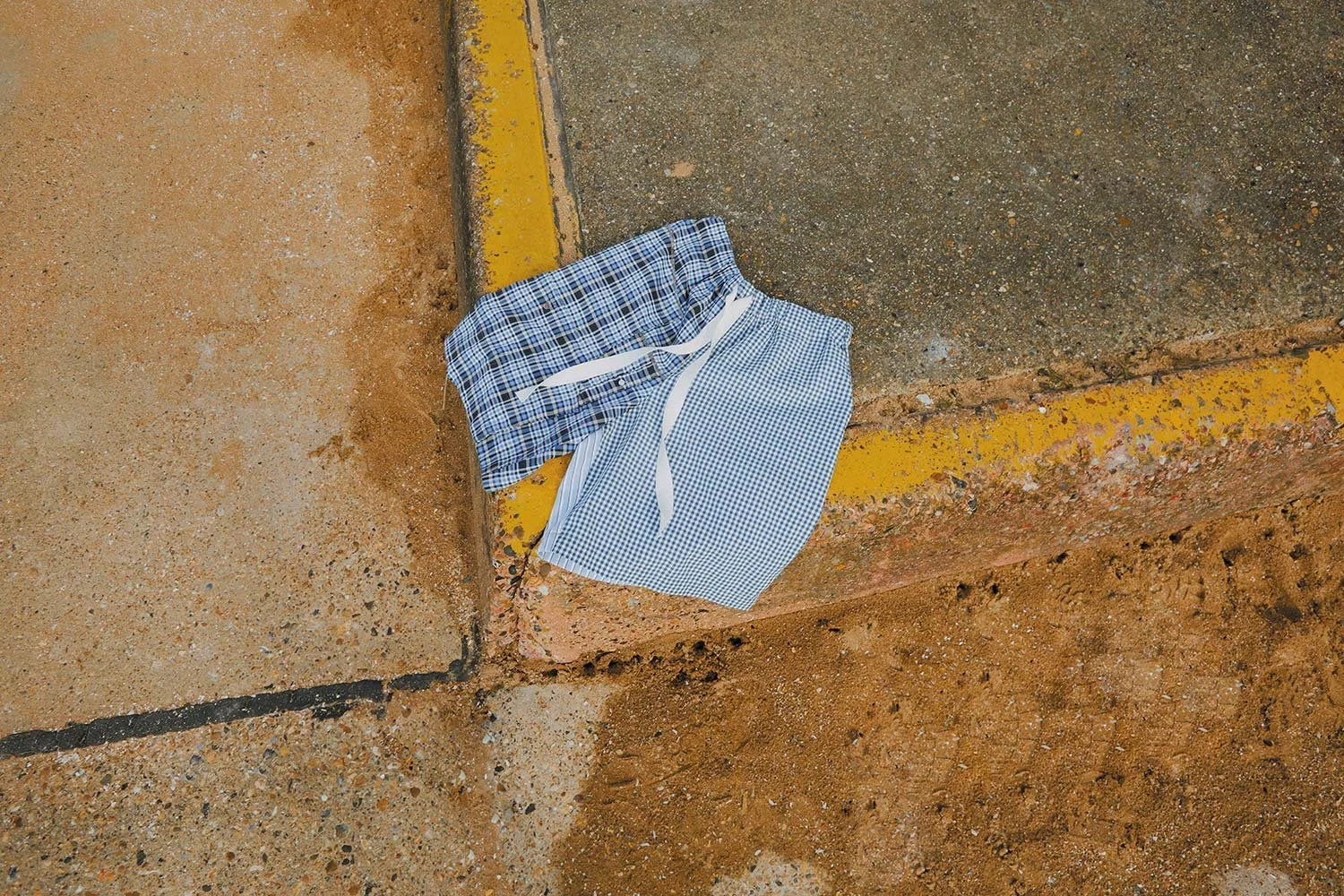
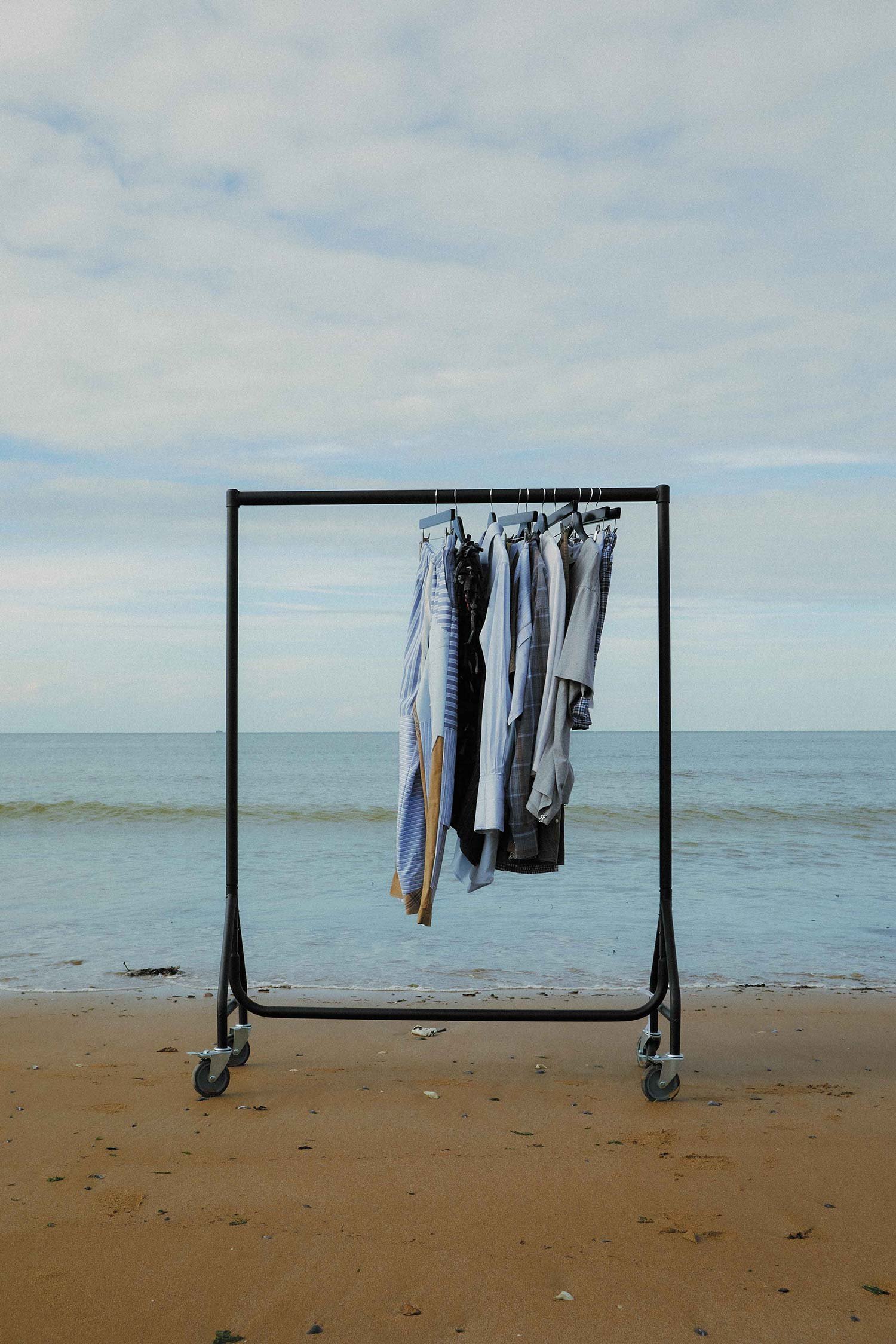
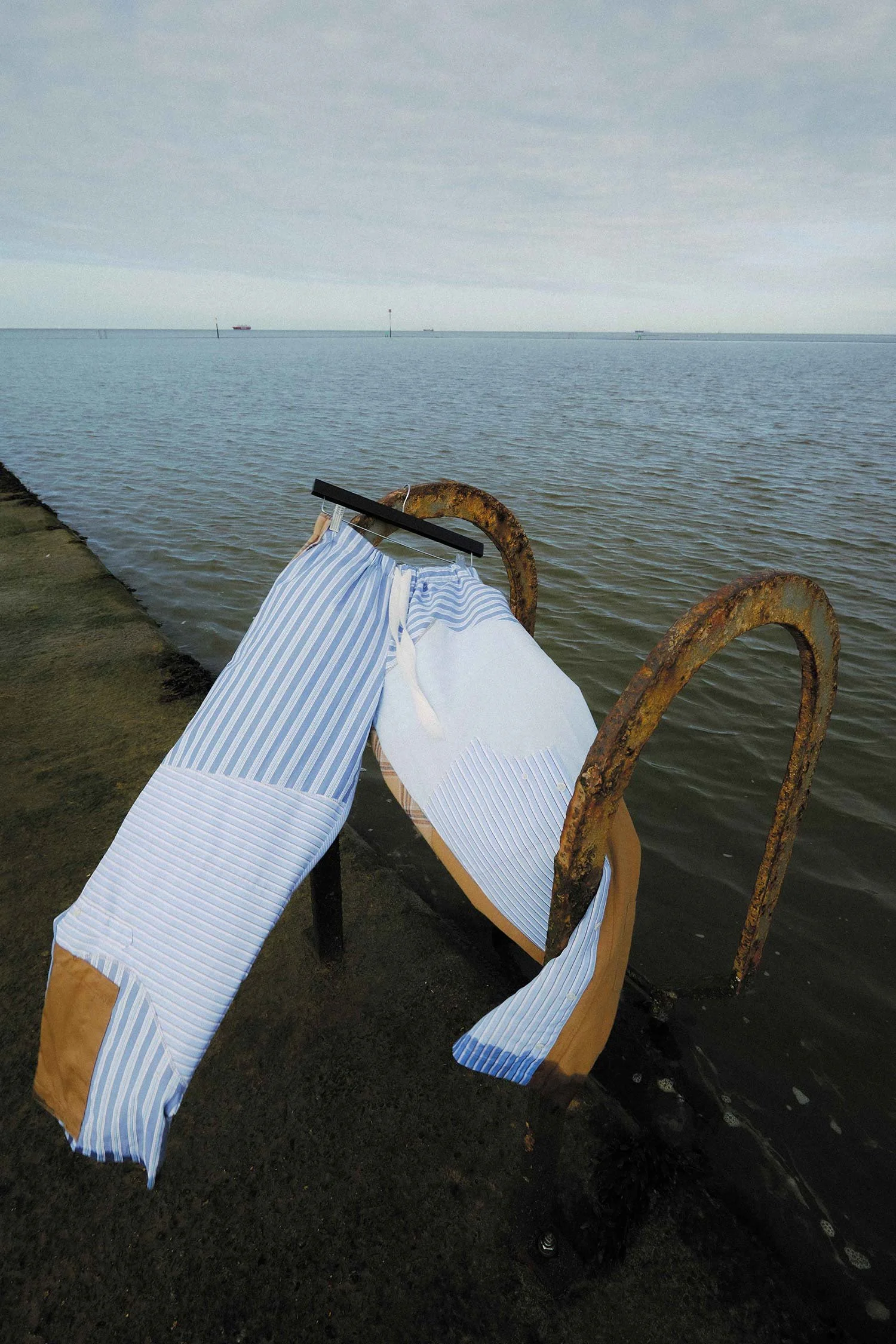
Her first two collections - Rotation and Refuse - are built largely around men’s surplus shirts (a common item in sorting centres), blending geometric cuts, circular shapes and a patchwork approach that highlights the garments’ former lives.
“I wanted to create full worlds with each collection,” she says. “To show what a full head-to-toe aesthetic could look like when it’s built from waste.”

Everything is made-to-order, avoiding overproduction and allowing for customisation. “There’s something really personal about knowing a piece is being made just for you,” Rachel says. “And because I’m working with post-consumer garments, no two pieces are ever truly the same.”
Customers are invited into the process, too. “They might say they love a shape but want it in a certain colour. I’ll send them options of what I’ve got in stock and let them choose. It builds a relationship, and that’s what makes it special.”
Label Hjem’s work doesn’t end with fashion. This summer, Jefferson collaborated with footwear brand HOKA for a bold creative project at Manston airport entitled HOKA x Unsanctioned Athletics Relay. “Their new shoe was called the Rocket and they wanted windsocks for the event,” she recalls.
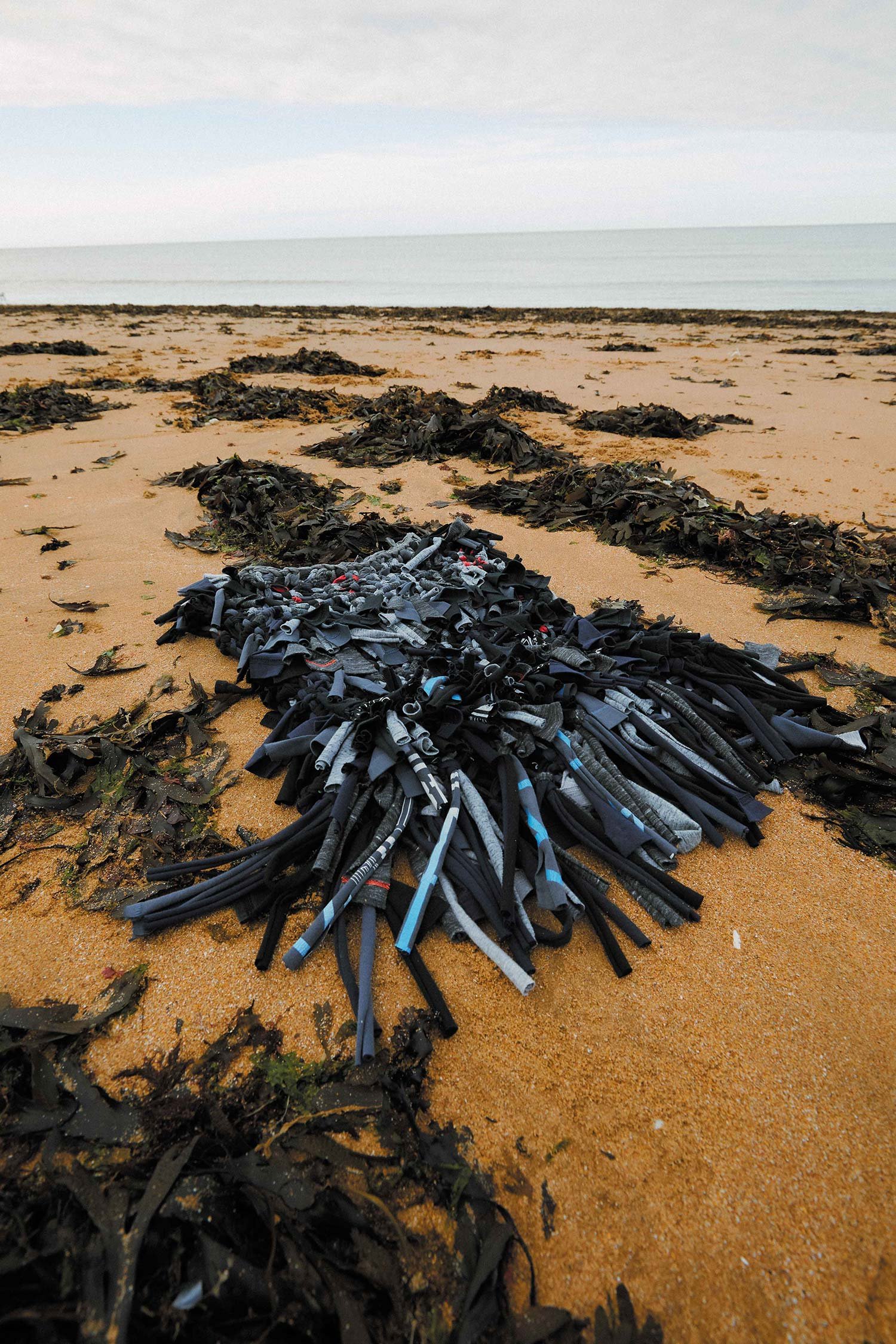
Using weather-resistant post-consumer garments, Rachel created functional, flight-ready windsocks - extending her aesthetic beyond clothing and into the broader world of textile applications.
“There’s so much more to textiles than fashion,” she says. “It’s about 50/50 in terms of the industry, with things like PPE, furnishings, military wear and industrial textiles. The potential is huge.”
She’s also staying close to industry innovation. Just last month, she attended the UKFT Recycling Conference in London. “The conversation has shifted tenfold since I started in the industry, towards real-life application of materials and how we can get that circular conversation from a conversation into action.”
Rachel is the first to admit Label Hjem isn’t for mass-market appeal. “It’s not supposed to be. If someone looks at the price and doesn’t get it, that’s fine. But the people who do get it - they’re buying the story, the process, the values. And that’s who I’m making it for.”
Ultimately, Label Hjem is about reconnecting with materials and with the meaning behind what we wear. It’s about building a home - a hjem - not just for garments but for ideas, for responsibility and for change in where clothes end up.
INFO: labelhjem.com