LEATHER BOUND: Folkestone designer Jane De Bono
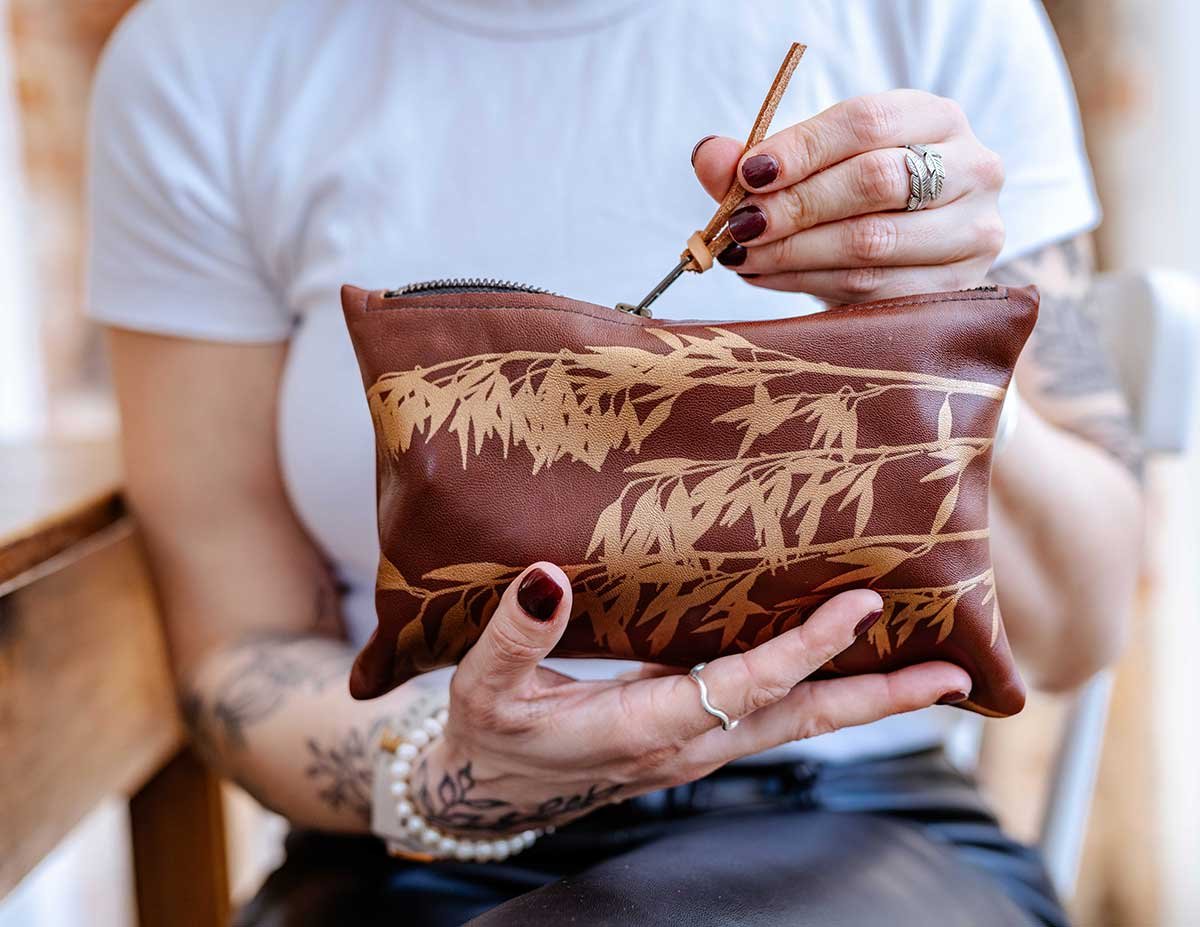
Folkestone textile designer Jane De Bono has curated a career in forging stunning products from leather deadstock

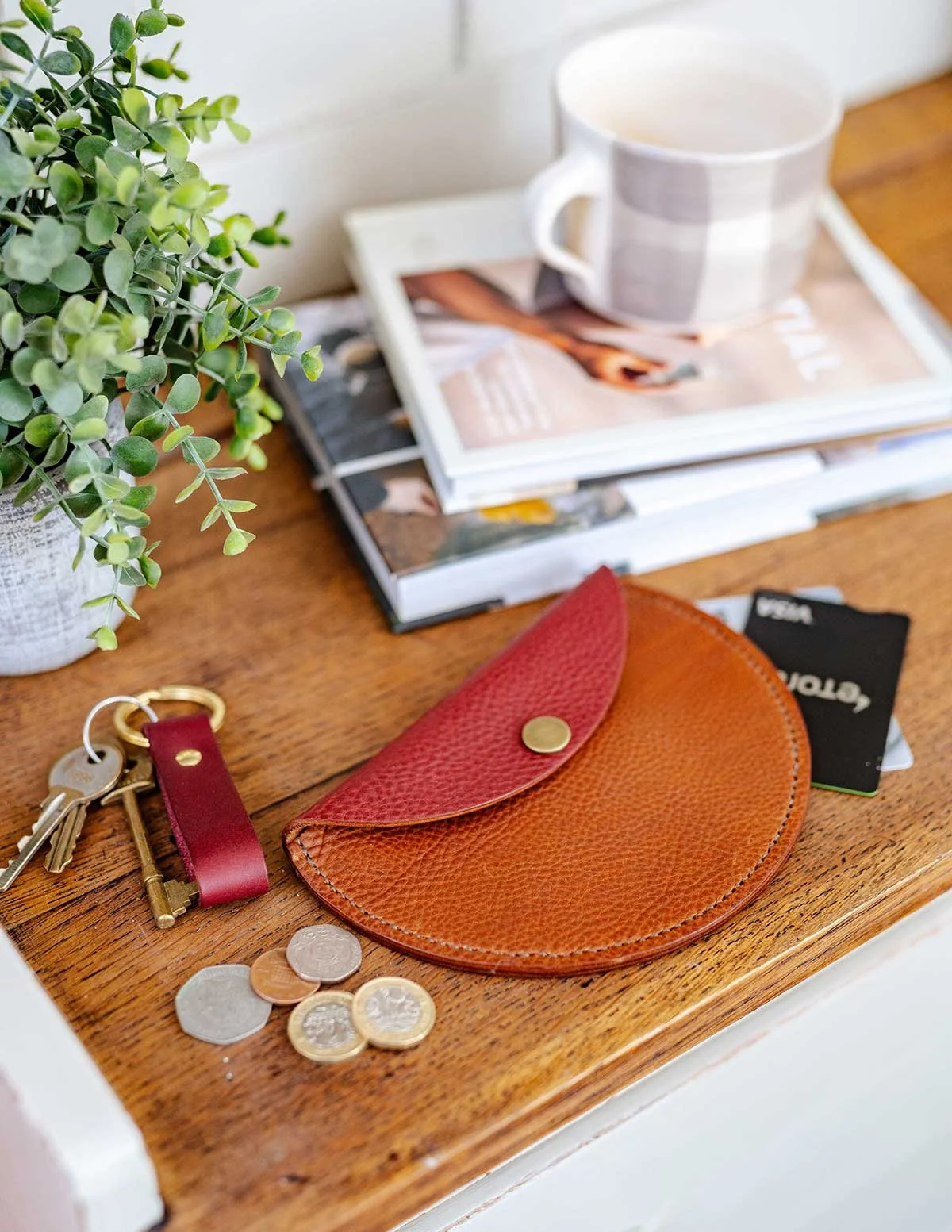
Jane de Bono’s (@janedebono ) journey into leather began, as many creative careers do, almost by accident. A textile designer by training, she first encountered the material as a student, experimenting with its possibilities during her final degree project. What began as curiosity has since become a defining thread in her career.
“I think I’d got a little bit of leather and played around with it, and I liked how malleable it was,” she recalls. “It didn’t fray because it’s not like fabric.”
That early discovery, combined with a stroke of luck - a closing leather merchant in east London gifting her “almost a year’s worth of supply” - cemented her relationship with the material. “It was all gorgeous, really premium leather and I just fell in love with it.”
De Bono’s academic path laid a strong foundation. She studied at the London College of Fashion and the University of East London, graduating with distinction and first-class honours. But it was her early professional experiences, particularly in vintage and second-hand retail, that would shape her ethos. Working with companies such as Rokit London and other east London thrift operations, she developed a hands-on approach to upcycling long before sustainability became a mainstream concern.
“To be eco-conscious wasn’t the original intention,” she says. “It was from being a small start-up business that needed to find creative ways to save money.” Yet what began as necessity evolved into principle. Having rescued so many items of clothing and leather that would have otherwise ended up in landfill, sustainable design has become integral to the brand.
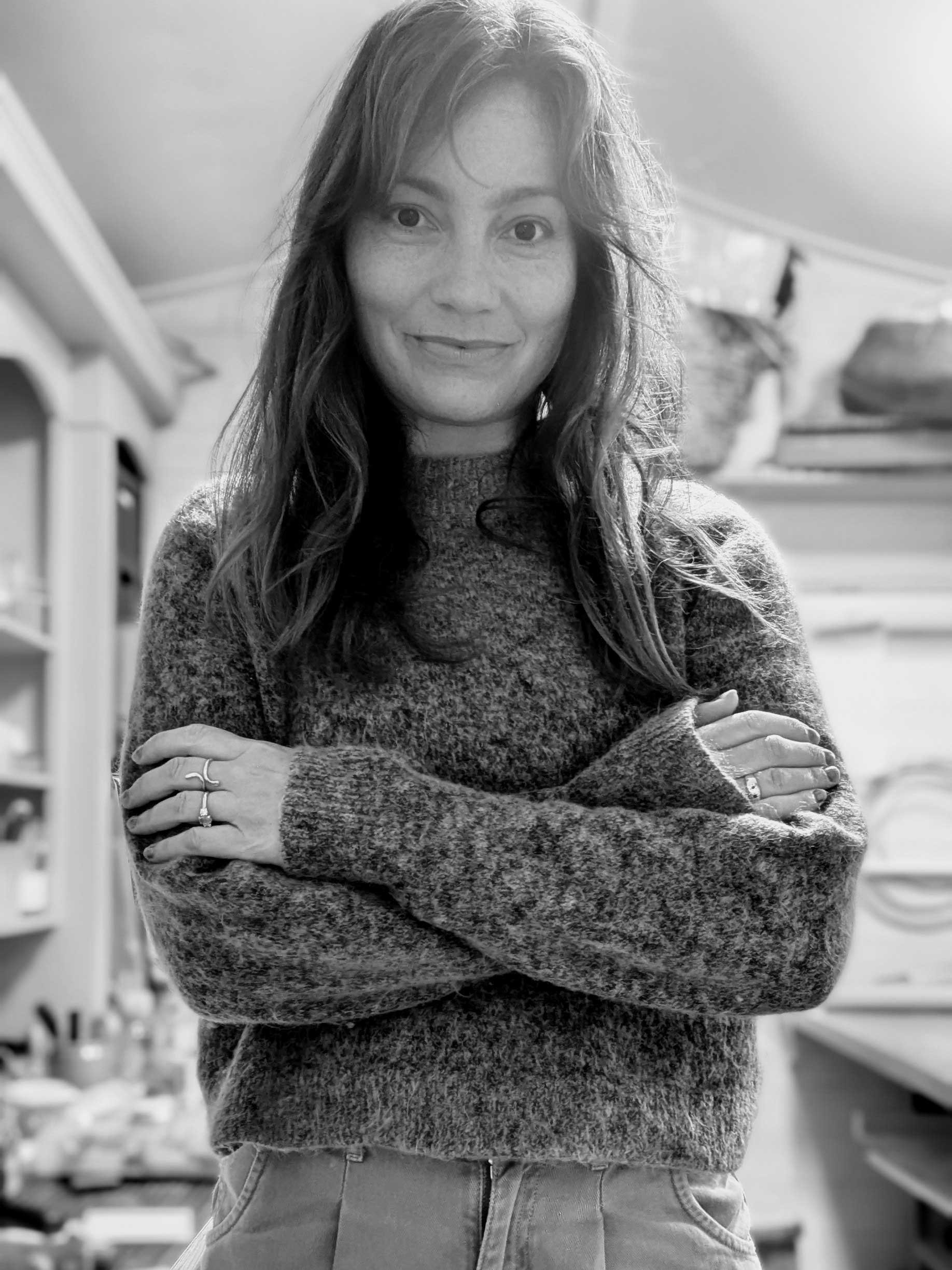
This commitment, however, was not always easy to maintain. “It was a struggle during the early 2000s to find others who shared those values,” she says, noting that it often meant “saying no to many companies and suppliers with bad work ethics and need for mass-consumerism”.
Her early career took shape in east London, where she established a print and leather workshop near Brick Lane, as well as a place on the prestigious Walpole Luxury Goods mentoring scheme, where she worked with industry leaders Bill Amberg and Ettinger. The experience proved formative: “They were the people that helped me produce my first range and my collection. At the time, I was trying to get into trade shows and wholesale and building a range.”
Yet de Bono’s route to market was arguably the most conventional it could be: she built her brand through market stalls, notably at Spitalfields and the Truman Brewery. “I did that for about six years,” she says. “We used to get a lot of different people coming to the market… I got so much work out of it.”
Among those early customers were the founders of Not On The High Street, who became key supporters of her work. “They came to my store and bought loads of pieces,” she recalls. The platform offered her an online presence at a time when she admits she was “really old school” and slow to embrace digital tools. “I didn’t really have to learn about marketing,” she says. “I could concentrate on just making bags and leather accessories.”
But life, and business, would soon shift. Priced out of London and starting a family, de Bono made the move to Folkestone, a place she had known since childhood. “My mum used to come here because she had family here, so I had a connection,” she explains. Later, visits with her partner cemented their affection for the town. “We loved camping… little mini micro adventures to Folkestone.”
It also offered a lifestyle shift. A trip to Australia had planted the idea of raising children by the sea. “We saw schoolkids… with their uniforms and their surfboards… and it was straight in the water,” she says. “We thought, we want that lifestyle.”
Today, her workspace reflects that change in pace. “I wouldn’t call it a studio. It’s nothing fancy,” she says. “It’s a very small little workshop… at the end of my garden.”
Motherhood and relocation brought a temporary slowdown in her business but also an unexpected pivot. Working from her kitchen table, she began making simple leather bookmarks. “They were actually going to be sent to some of my customers… for free,” she says. But on her sister’s advice, she listed them online instead.
The bookmarks, small, tactile, personalised, became a surprising commercial success. “I could probably make up to about 70 a day,” she says. “They were very popular - we sold a few thousand.”
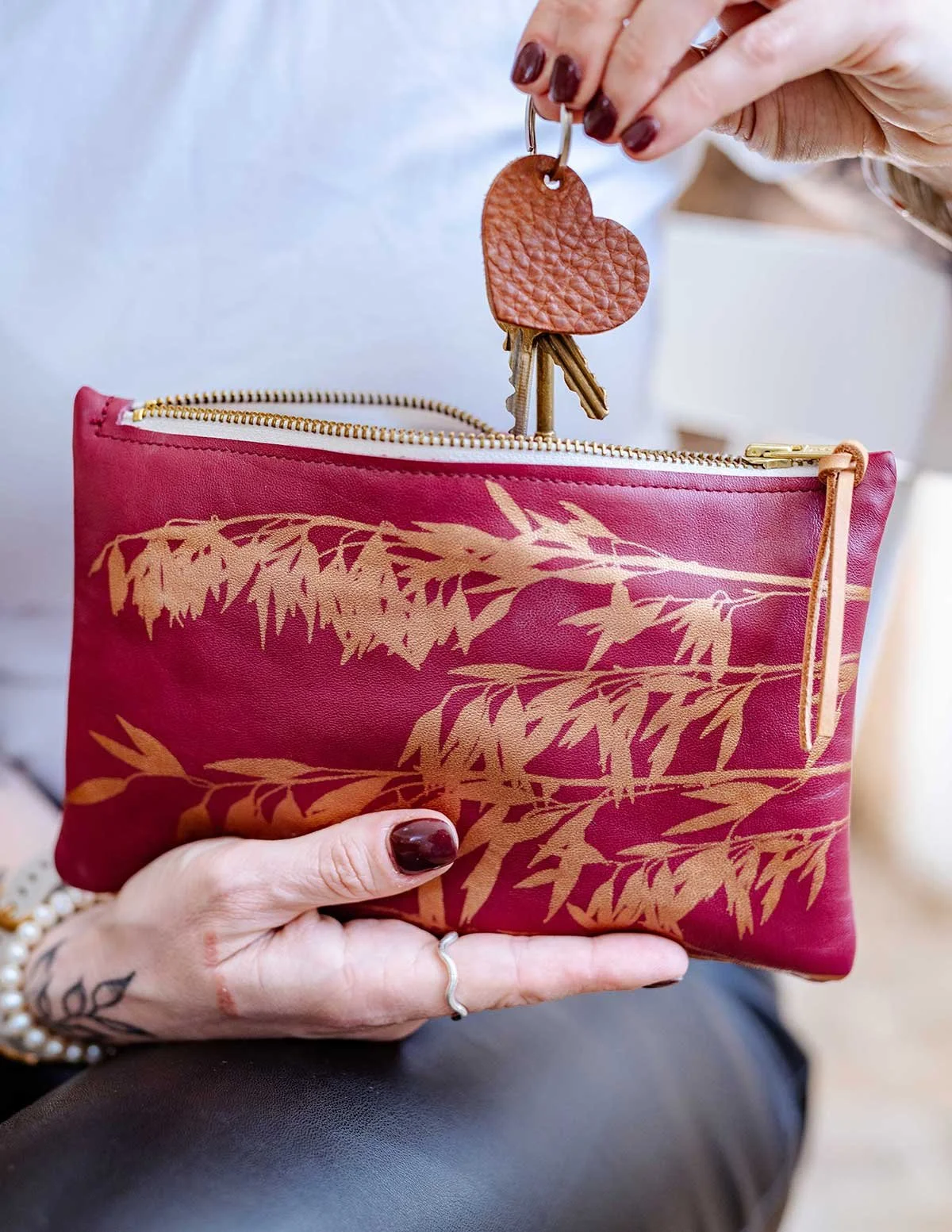
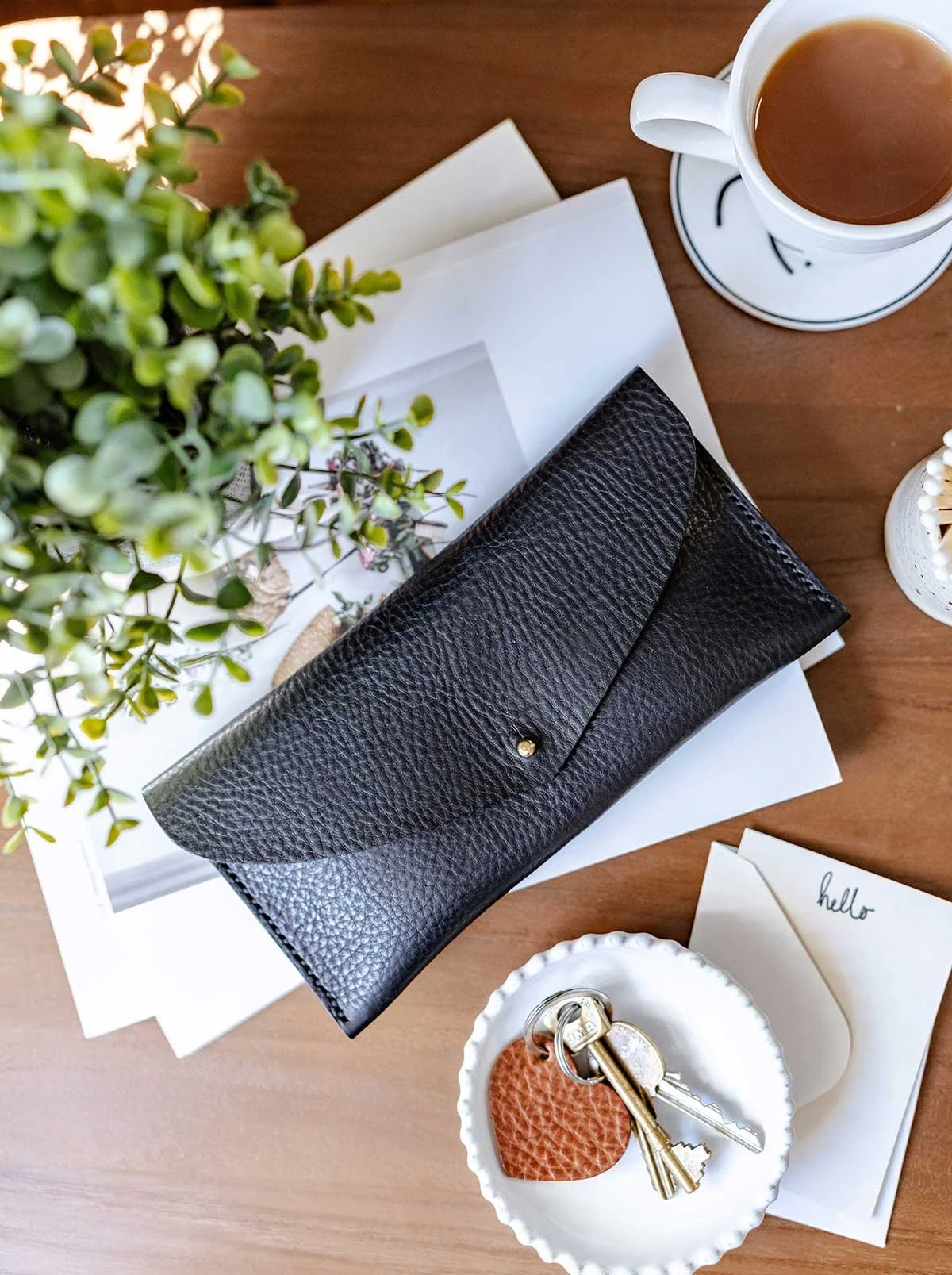
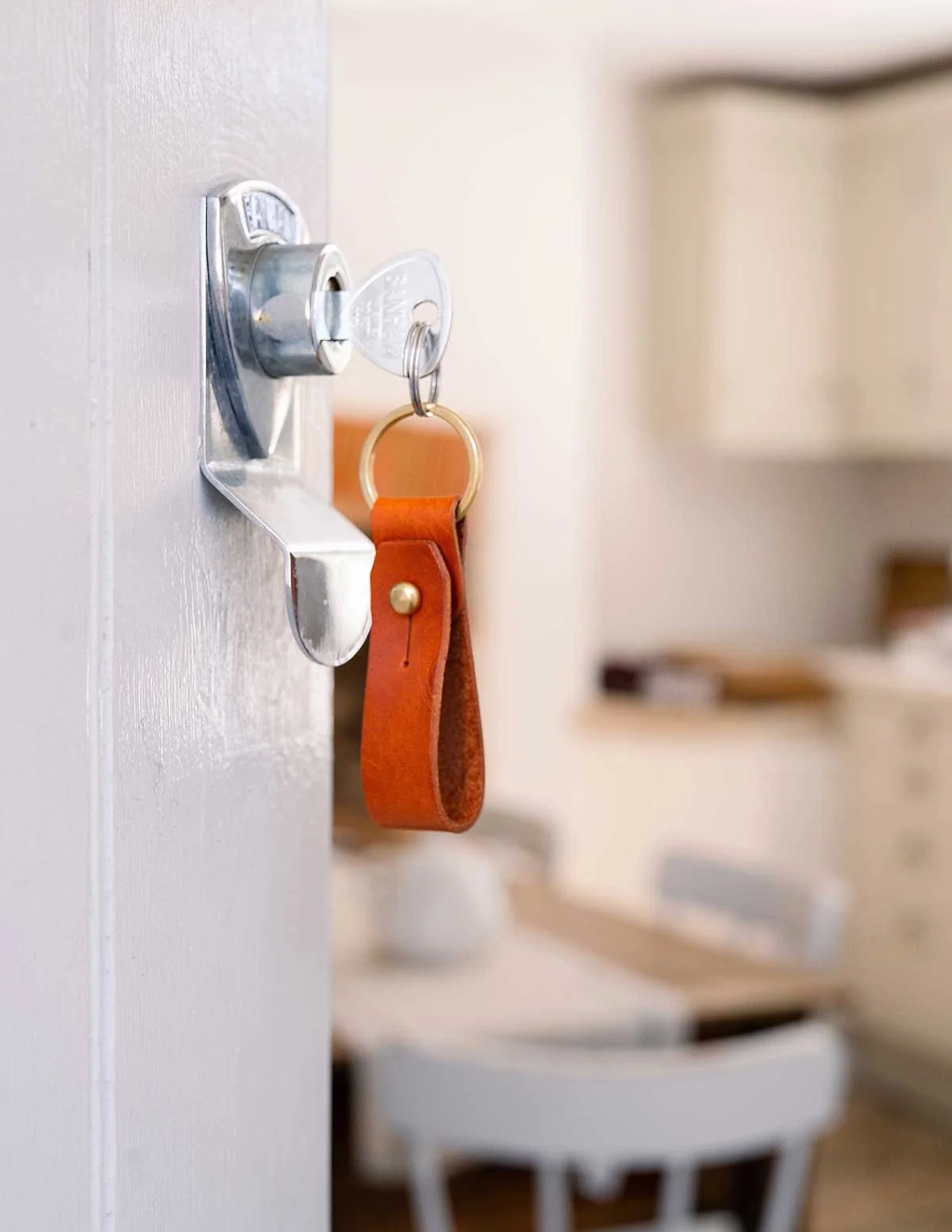
Then came the pandemic, bringing both disruption and reinvention. With limited resources and space, de Bono sold much of her equipment and adapted her process. “I taught myself how to saddle stitch and fell in love with it,” she says. The shift marked a return to slower, more deliberate craftsmanship and a move toward higher-end, made-to-order pieces.
“I’m working so differently from what I’ve worked like in the past,” she explains. “I’m going more niche and just going more towards the luxury end.” For years, she had aimed to create a full bag collection but found herself pulled into the demands of maintaining stock and wholesale relationships. “All of that is a distraction,” she says. “Taking my time away from putting my energy into the bags.”
Now, she is refocusing. A new collection, built around hand-stitched leather bags, is in development, with a planned release in September. “I feel quite excited because I’m actually doing something that I’ve wanted to do for a really long time.”
Her product offering reflects her dual commitment to sustainability and quality. She works with both deadstock leather - “industry leftovers” - and premium vegetable-tanned leather, which is chemical-free and designed to last a lifetime. “I will rescue any kind of leather if it suits me,” she says but emphasises that it is always “premium.”
The result is two distinct lines: a zero-waste collection made from reclaimed materials and a higher-end range crafted from veg-tan leather. “You’ve got your entry levels… and then the higher-end bags,” she explains, acknowledging the different price points and audiences.
As the retail landscape shifts, De Bono has also stepped back from traditional wholesale, instead embracing independence, craftsmanship and a slower pace of growth - values that have quietly underpinned her work from the beginning. “It just became part of my DNA,” she says of her sustainable approach.
In a world increasingly dominated by mass production and fast fashion, Jane de Bono’s story is one of persistence, adaptation and a belief in doing things differently, one hand-stitched piece at a time.
INFO: www.janedebono.com