Folkestone-based Lower Block partners photographers on high-quality zines that capture football’s subculture moments

“Sometimes the images just speak for themselves”

Oldham fans, Boundary Park 1991 | Going to the Match by © Richard Davis / Lower Block
In the world of football, it’s easy to be distracted by the noise of the modern game’s multimillion-pound transfers, slick marketing campaigns and corporate stadiums that gleam but lack soul.
But just beyond the pitch, in the pubs, the terraces, the streets and the old-brick backdrops of forgotten grounds lives a deeper and more authentic heartbeat of the sport. This is the realm that Lower Block documents - not the 90 minutes of football but the history and culture that created the game.
Founded in 2021 by Matt Lidbury, a former newspaper picture editor, Lower Block (@lowerblock_ ) is an independent publishing initiative that celebrates football subculture through powerful photography, limited-run zines and online storytelling. It’s not about the game; it’s about the people who live and breathe it.
“It was about finding something I was both passionate about and truly aligned with,” says Matt, who lives in Sandgate, near Folkestone, with his family. “Football’s always been in my life. It predates everything - relationships, kids, career.”
Leaving the world of newspapers behind, Matt was keen to do two things - tell stories that are close to his heart and give back to photographers,
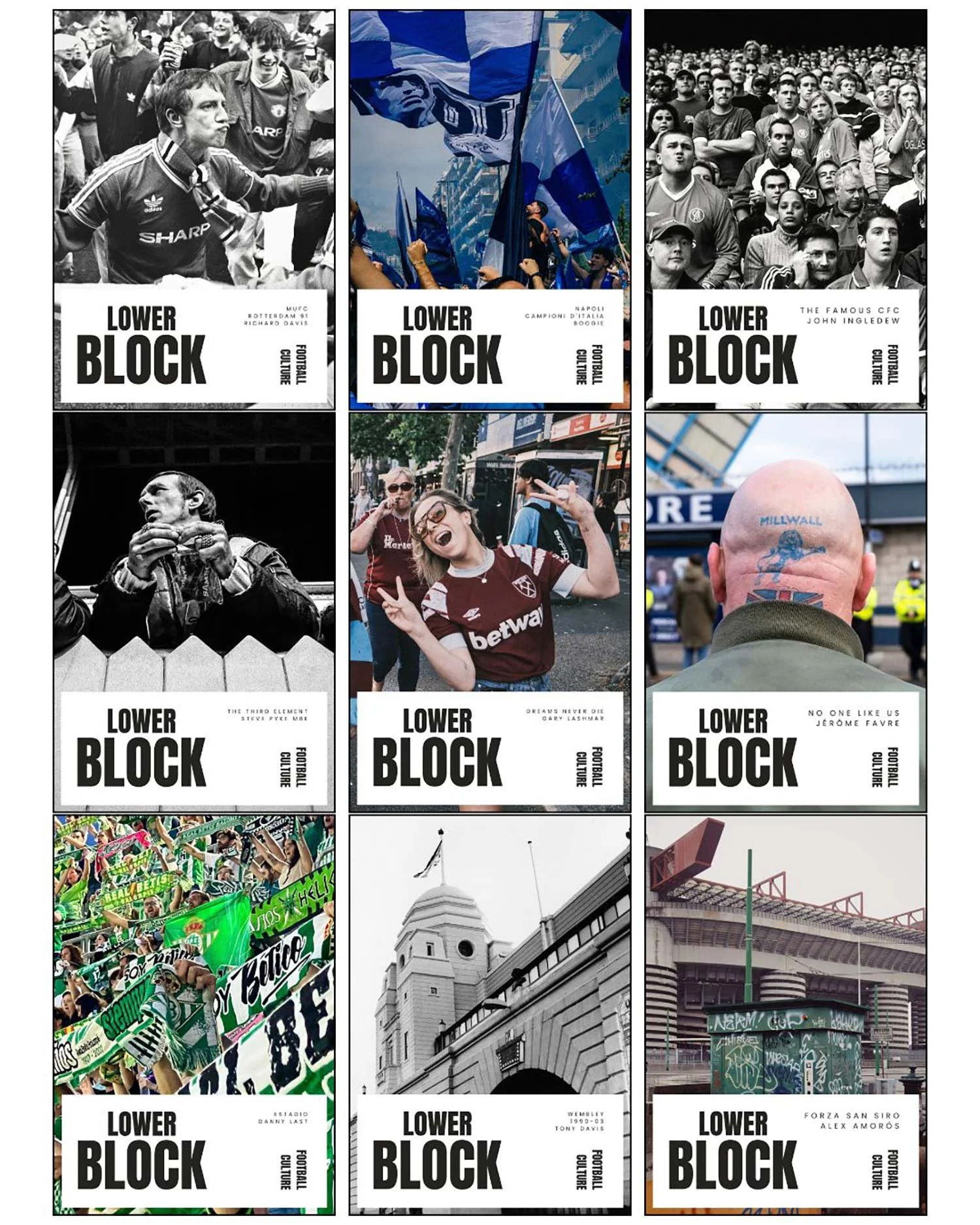
Each edition is a tactile experience - small-run, high-quality zines that are treated like a collaborative art piece. Photographers are given creative input, credited on the cover and receive 50% of the post-production profits - a rare, respectful model in a publishing world that often underpays its talent.
“All photographers are very, very different, but probably the only thing that they all have in common is that, and rightly so, they are protective of their work,” says Matt. “And they shouldn’t trust just anyone with their work. As a former picture editor, I saw how the commission rate wasn’t really representative of any sort of real progress. With the rise of subscription deals with major photographic agencies, many photographers were getting a smaller and smaller cut of the pie. So I was really determined to make sure that I was being true to my word and kind of looking after photographers in exactly the same way as they were looking after me.
“Without their work, Lower Block wouldn’t exist,” he says. “They should be treated as artists.”
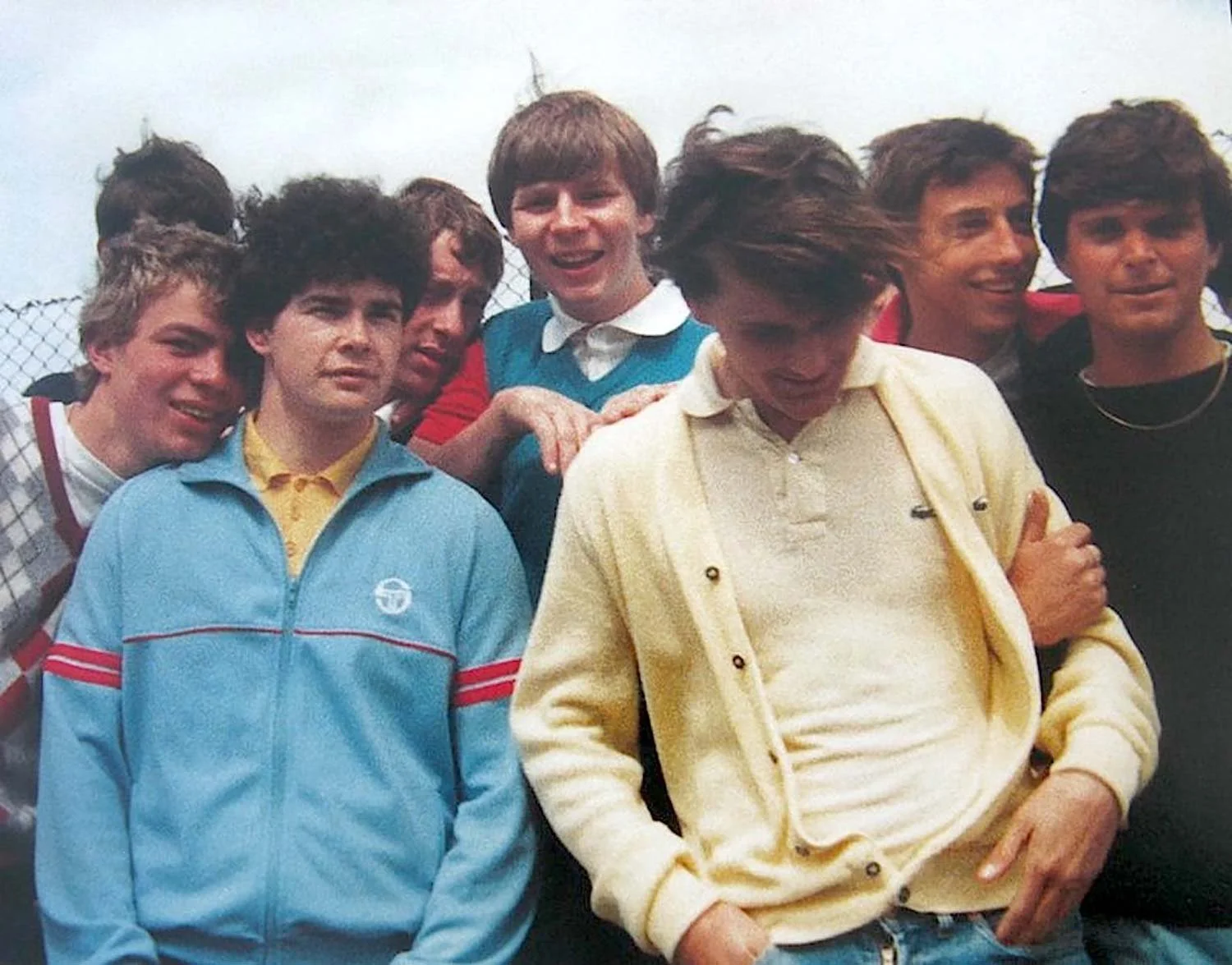
Pompey Casuals, Southend away 1983 | Pompey Casuals by Jake Payne / Lower Block
THE PROJECT
The name Lower Block itself nods to football’s working-class roots. Traditionally, the most vocal and passionate supporters would stand behind the goals in the lower tier or the ‘lower block’. This wasn’t just a viewing point; it was a social space, a community, a stage for expression. That spirit - raw, communal and authentic - is what the project aims to capture and preserve.
Matt’s approach is more curator than publisher. Projects begin not with a headline or club affiliation but with a story - a slice of football life worth telling.
“Sometimes the images just speak for themselves,” he says. “You look at a portfolio and know there’s a goldmine there.”
The focus is not the goals or results - it’s about everything else. From the architecture of old stadiums to the fading signage of long-closed pubs, from fans’ terrace fashion down the decades - it’s visual storytelling, unapologetically rooted in documentary photography.
Take, for example, Live Forever, a feature by Alex Amorós that fuses football, fashion and Britpop nostalgia during Oasis’s Wembley return. It’s less about what happened on stage and more about what was happening in the crowd, with faux Oasis football shirts, Reebok Classics, a sea of bucket hats...
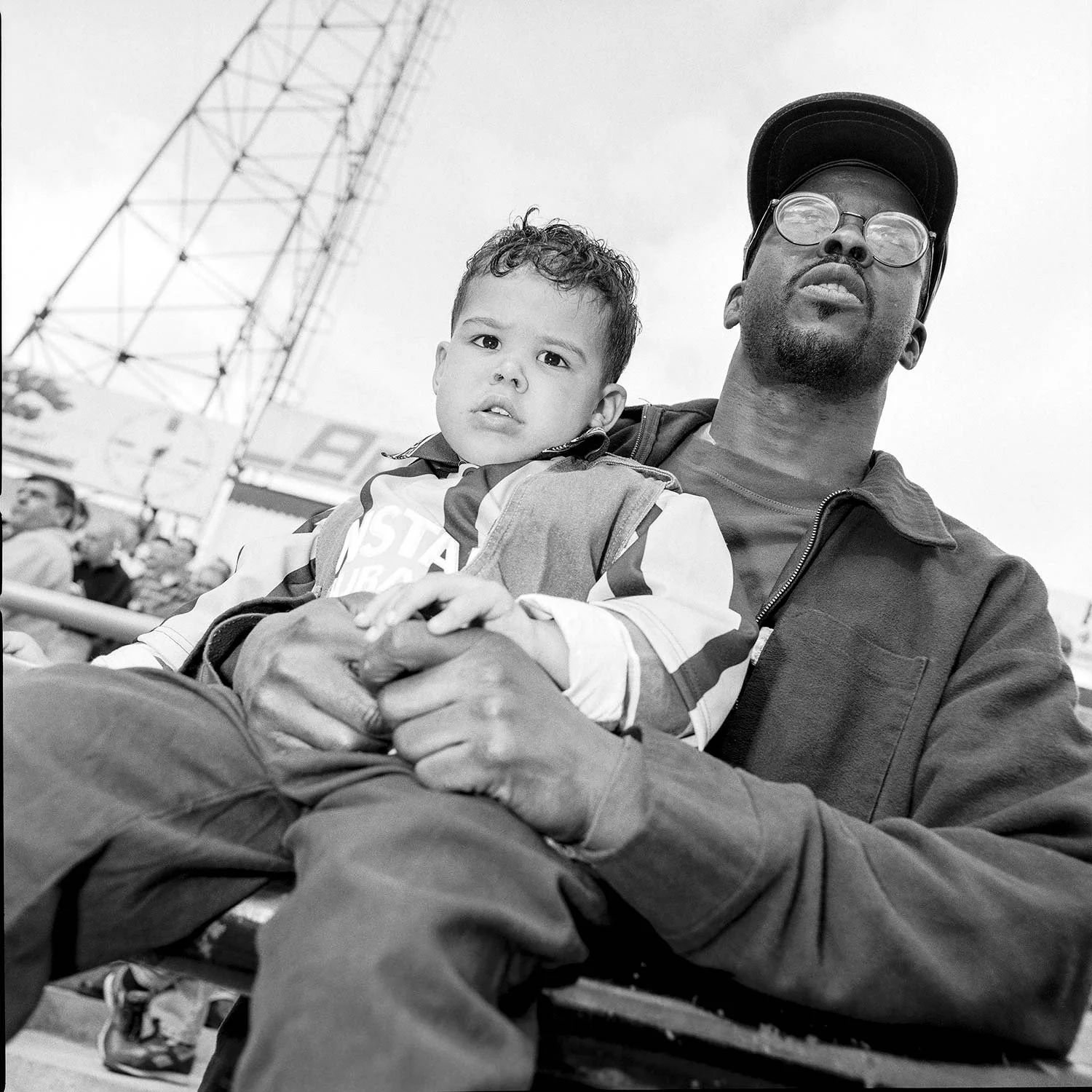
Dad and Son first match at Vale Park, Port Vale 1993 | And You’ll Never Know by © Conrad Tracy / Lower Block
The And You’ll Never Know project with photographer Conrad Tracy follows Port Vale home and away from 1993-95: a perfect mix of pitch invasions, pints down the pub and intimate portraits of fans that celebrate the wide demographic of Vale’s fanbase.
Likewise, Blades 1989-90 by Bill Stephenson follows Sheffield United and their supporters home and away during The Blades’ winning of promotion that season - you might even spot the face of actor Sean Bean on the terraces.
Echoes of Elm Park, featuring photography by Tony Davis, is a black-and-white elegy to Reading FC’s long-gone ground, Elm Park, shot in 1996. Each image is a time capsule: the chipped paint, crumbling terraces and supporters bundled in retro scarves.
The selection process is organic. While some photographers pitch projects, Matt also seeks out portfolios that capture a unique slice of football life. “You can tell when something’s shot with love and understanding. That authenticity always comes through.”
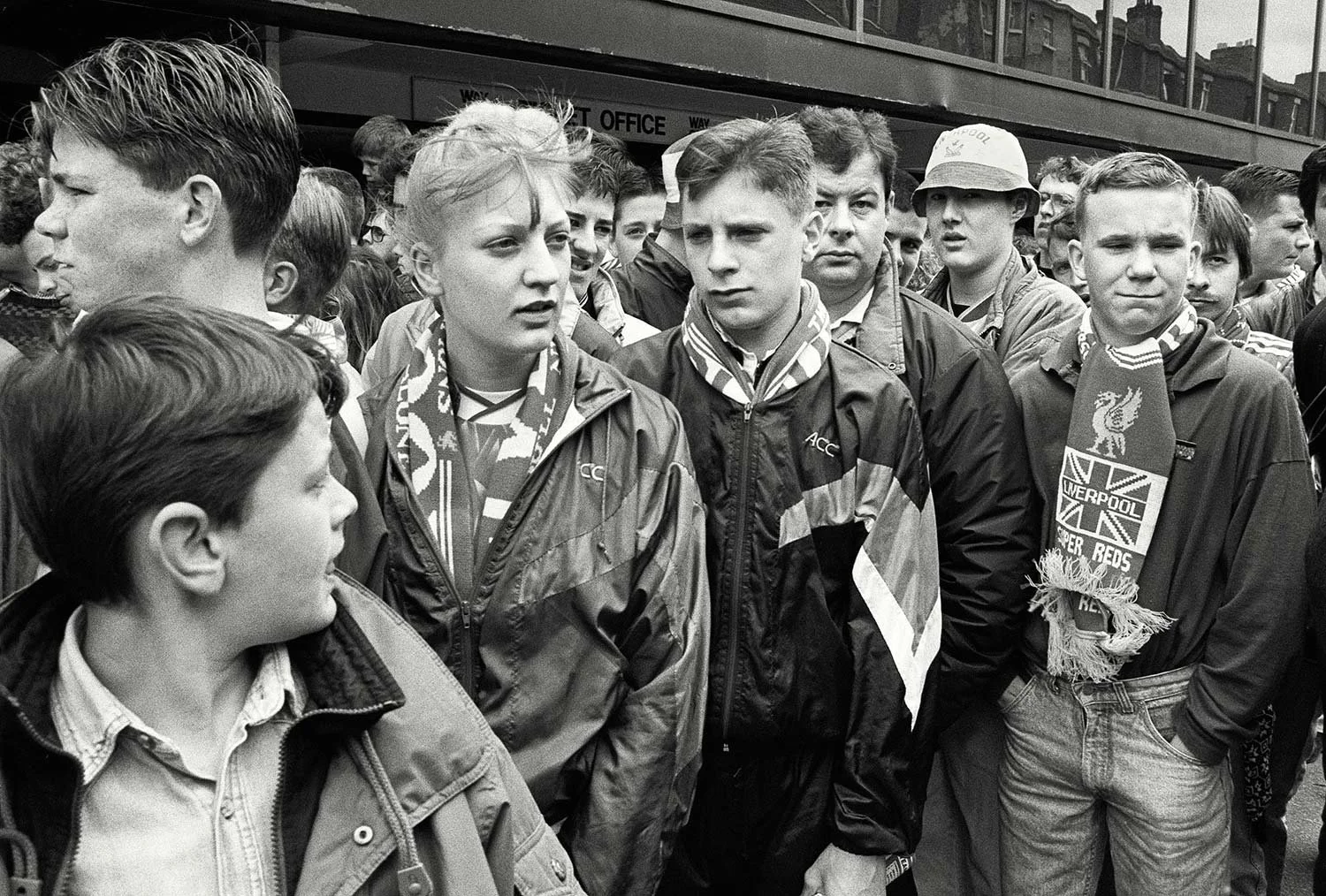
Liverpool fans, Anfield 1991 | Going to the Match by Richard Davis / Lower Block
Chosen moments are dictated by whether there was a photographer there documenting. For example, was that photographer a fan of that club, or were they a photojournalist employed by the local newspaper?
That means that curation is key. Whether it’s a face in the crowd, a Wham! T-shirt or a crumbling facade, every photo is chosen to build a narrative. Analog photography is prized - both for its aesthetic and its constraints. “Back in the day, they might shoot a whole season on a couple rolls of film,” Matt says. That economy forces a story.
At its core, Lower Block understands that football isn’t just a game - it’s a lifestyle, a visual language. It’s in the clothes, the music, the street corners and the pub chat.
There’s a reason football culture draws comparisons to the skate scene - another sport deeply rooted in style, environment and attitude. Football, like skating, thrives in public spaces. “Football coexists with life,” Matt says. “It’s everywhere. You don’t need flags or kits - it’s in the pubs, on the streets and in the shops.”
With 46 editions published and more in the pipeline, Lower Block is not just preserving football culture. It invites you to pause, look closely and remember what football feels like, not just what it looks like on TV.
Because in the end, it’s not about the goals scored, it’s about who stood next to you when they went in.
INFO: lowerblock.com
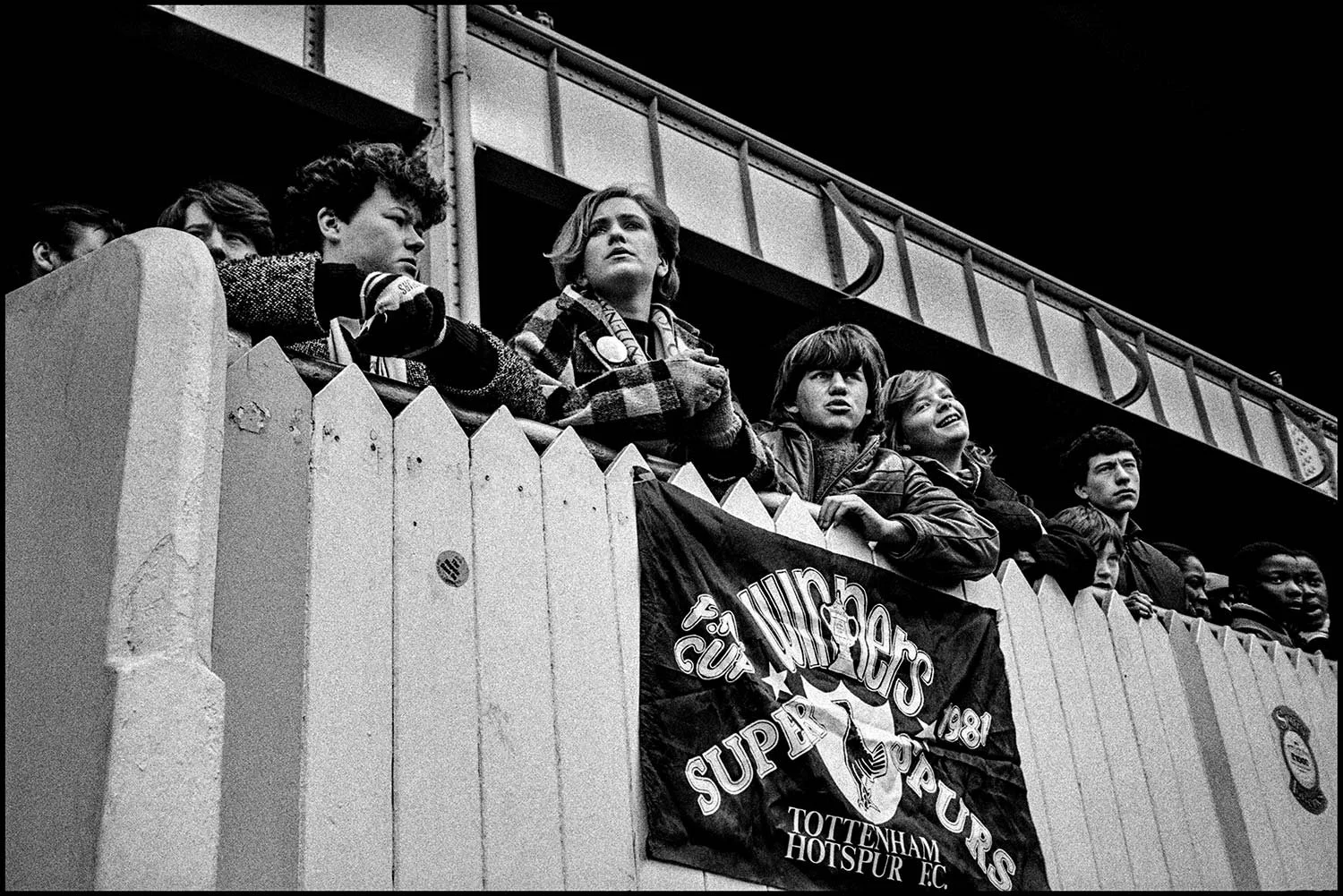
White Hart Lane 1985 | The Third Element by © Steve Pyke / Lower Block