Columnist Cara Blackburn discovers Whites Wood Farm - a place of purpose, conservation and community

Tucked away on an unassuming country lane at the edge of the Kent Downs sits a patch of land alive with purpose.
Here, life runs at a different pace. The days are shaped by weather and seasons. It’s a place where people come to learn, contribute and reconnect. Where wildlife is given the space it needs to thrive. Whites Wood Farm in Aldington (@ledbythewildcic) is more than just a piece of land; it’s a sanctuary for people and nature alike.
A deep-rooted history
The history of Whites Wood Farm is rich and layered, from an iron foundry to a working farm. What remains from each era is still etched into the land; it’s a heritage that can be sensed throughout the grounds. You don’t need to understand the history to feel its presence. Footpaths long trodden, boundaries long set. There’s something utterly breathtaking about a world where history was never forgotten.
The ancient woodland is a symbol of the land’s resilience, a canopy dominated by hornbeam and oak, withstanding the test of time. The wildflower meadow is buzzing with life, depicting a scene like no other. An uninterrupted landscape. Nothing but marshlands for as far as you can see.
“... people don’t just learn about conservation here, they actively take part in it.”
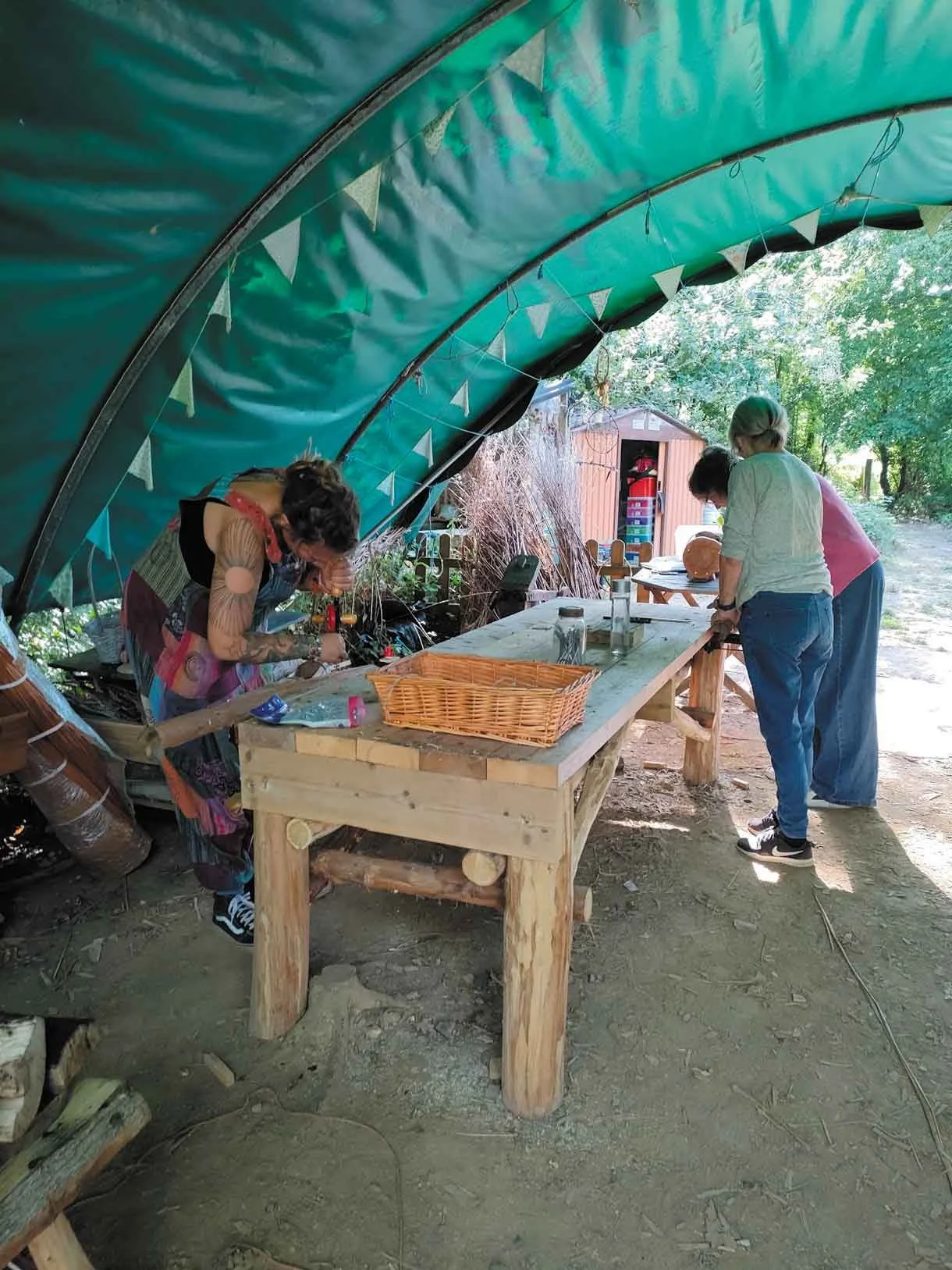
This history is honoured throughout its present-day work, with traditional rural crafts and woodworking techniques still holding a significant role. These crafts echo the farm’s practical working past while feeding into the modern conservation work. This land is not being ‘rewilded’ from scratch; it’s being restored with a deep understanding of its roots.
The transformation of Whites Wood Farm into what it is today didn’t happen by accident. It’s a result of the vision of Tom and Alison Body and their family, the team behind Led by the Wild CIC. After running the land for several years, they saw potential in a landscape that had been shaped, used and worn over centuries. Their mission is simple but ambitious: create a space where conservation and community work harmoniously.
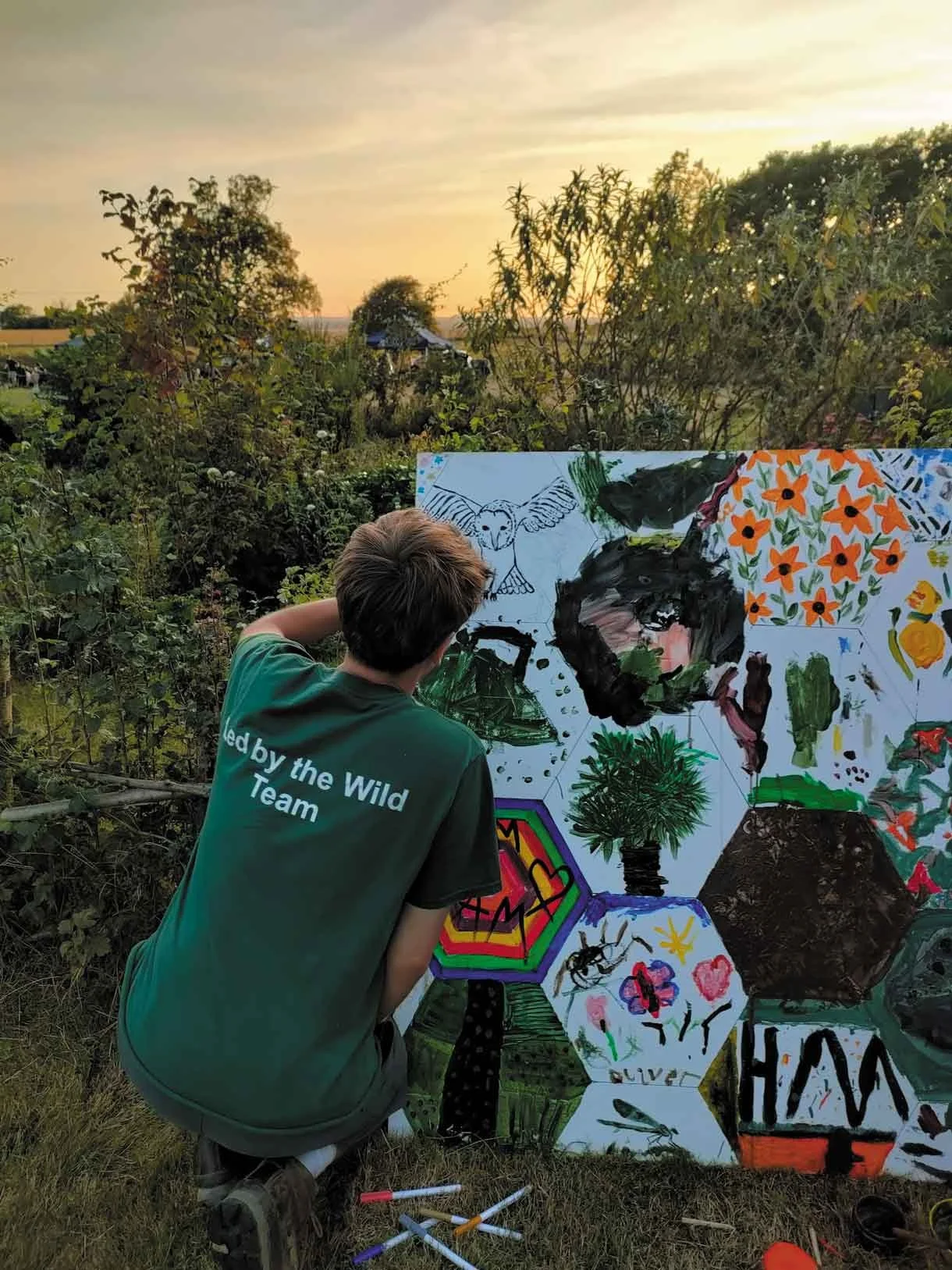
Led by the Wild has become a labour of love, not just for the Body family but for the wider community who have come together for a shared purpose. Volunteers play a central role at Led by the Wild. Every plant and path is intentional, the result of many hands and shared effort. It’s a model built on participation rather than observation; people don’t just learn about conservation here, they actively take part in it.
The diverse community is made up of students, retirees and everybody in between, all working together to create a safe space where wildlife can thrive. The Body family have built a setting where, regardless of background or experience, anyone can be part of something meaningful.
Their work is intentionally people-centred, sustained entirely through philanthropic support and rooted in the belief that nature belongs to us all. An ethos that so visibly runs through every project, from schoolchildren learning the biodiversity basics to young job-seekers building hands-on skills - and even to those finding their footing in a new country through the steady rhythm of outdoor work. Community workshops and family days weave even more people into a landscape shaped not just by conservation but by care.
Volunteer field notes
As I arrive, I’m welcomed not just by warm and friendly faces but by the land itself. The warmth in the air, the sun beaming across acres of golden fields and woodland, the natural soundscape echoing throughout. There’s a particular kind of calm here. A quiet. Not silence but an absence of the usual noise that fills everyday life. Standing on this land for the first time, that quiet hit me in a way I didn’t expect.
The work itself was simple but grounding. No performance, no pressure. Just planting seeds, clearing overgrowth, taking care of the land. Observing all of the life that calls this place home. It felt important, restorative, to give to a shared project with such meaning. My contribution felt minimal compared with what I was getting in return, a reconnection with nature. Nothing fancy or life-changing, just real.
The bigger picture
What’s happening at Whites Wood Farm speaks to something much larger than this one patch of land. Local conservation projects like this create immediate benefits: more habitat, more species, more resilience.
But the lesser-recognised human impact is just as important. Led by the Wild has become a haven for people looking to reconnect with nature. It not only helps people understand local conservation but also invites them to be a part of it. The work being done here is hands-on and accessible to people from all walks of life. It goes beyond your job title, socioeconomic background and nationality, bringing you directly back to your roots.
Free educational events, including bumblebee days, moth nights and rural-heritage craft workshops, are coupled with community food-growing projects that provide fresh produce to local food banks.
This place strengthens the relationship between people and the environment on their doorstep. It makes conservation local, visible and relevant. Not an abstract issue happening somewhere else in the world.
Through hands-on experiences in conservation, rural crafts and heritage education,
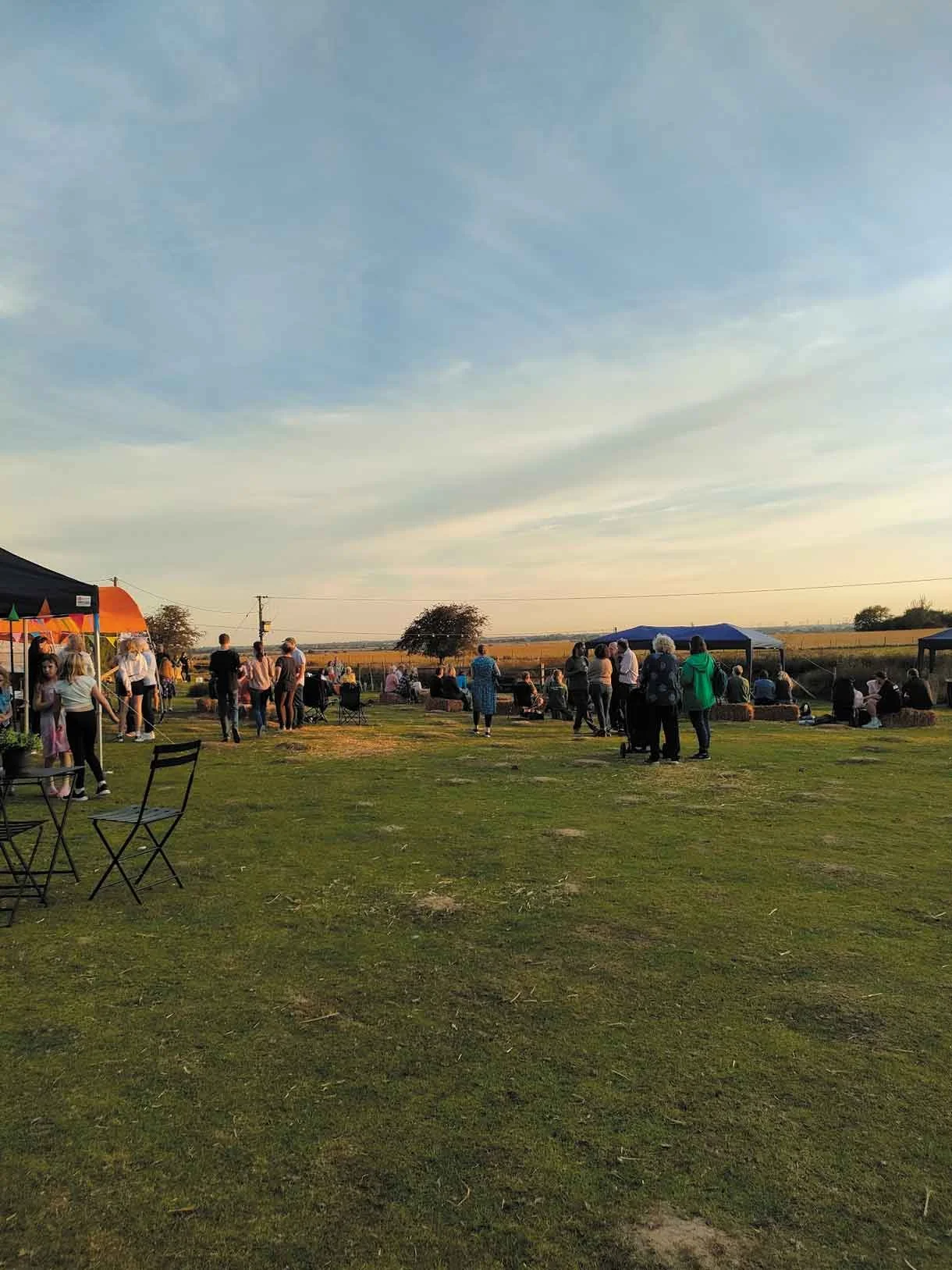
people can connect with nature and benefit from its therapeutic value. Partnering with schools, community groups and conservation organisations, there are opportunities for child-led learning programmes, eco-citizenship courses, heritage education days and AQA-accredited units.
As more species begin to make a home and more people find a connection here, Led by the Wild continues to evolve, with transformations happening from season to season and project to project. Wildflower meadows expand, woodland areas strengthen and new initiatives are trialled. Conservation partners play a vital role in this mission, recording and protecting wildlife, from reptile and pollinator surveys to habitat restoration and sustainable-grazing initiatives.
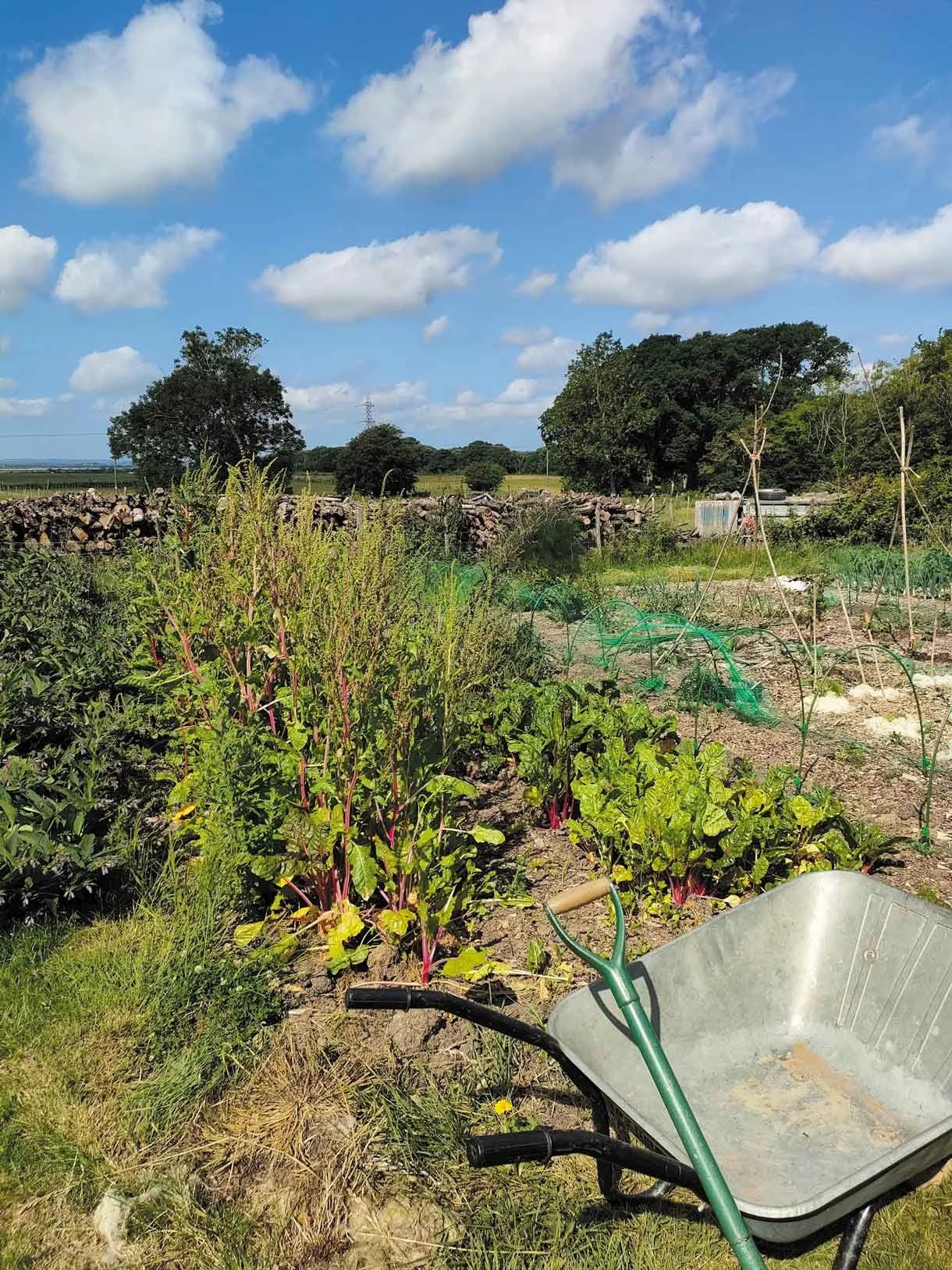
What makes this work notable isn’t just the ecological progress but the reciprocal effect. As the land is restored, it restores something in the people who spend time there, whether that’s confidence, curiosity, connection, or simply the chance to slow down.
This land goes far beyond a conservation site; it’s a place built on the idea that restoration works both ways. And the wild? It is not just restored, it’s invited to stay.
INFO: ledbythewild.co.uk
INSTA: @ledbythewildcic