Influential campaigners Led By Donkeys talk to ‘cene Magazine about the challenges of modern protest

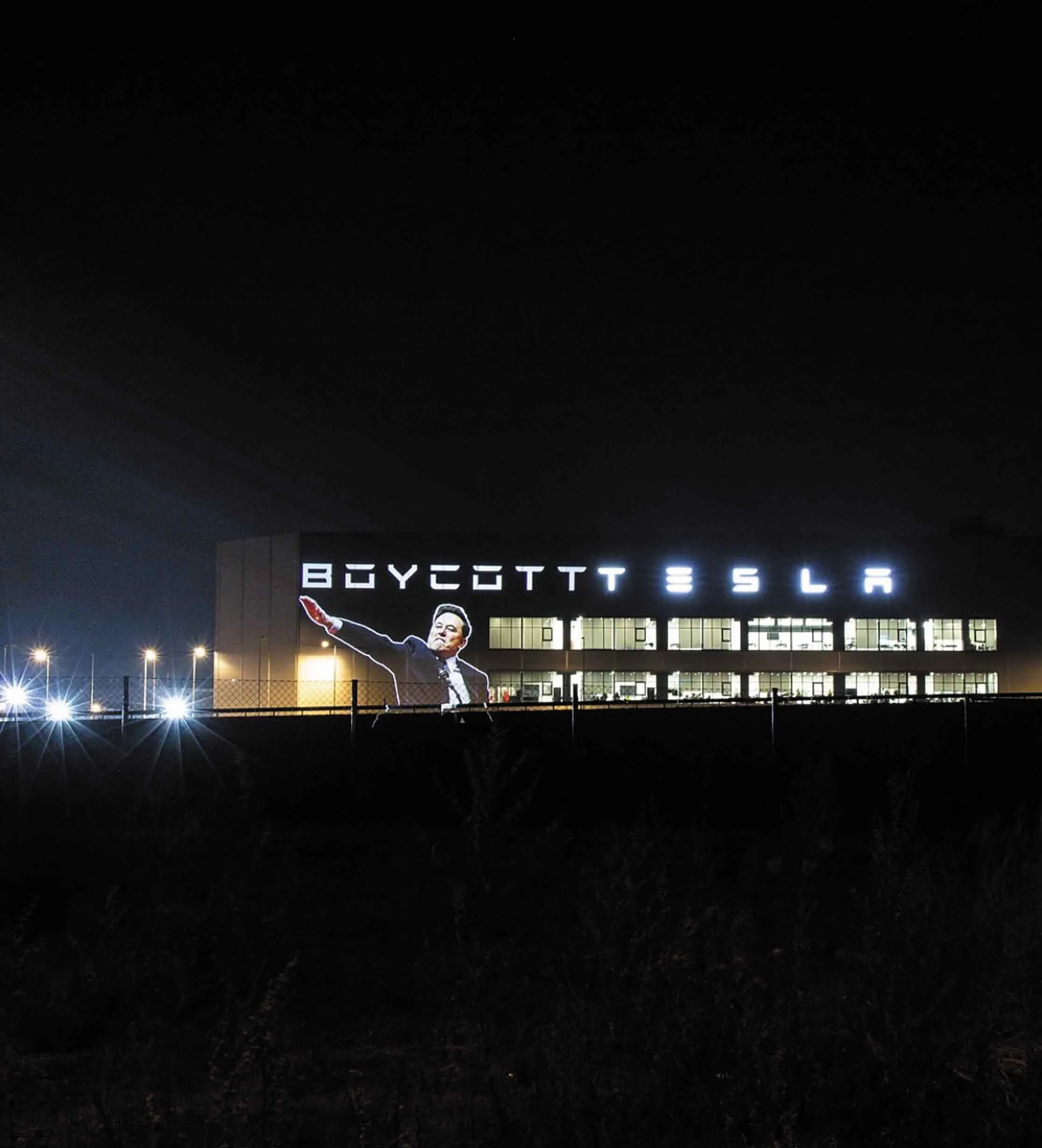
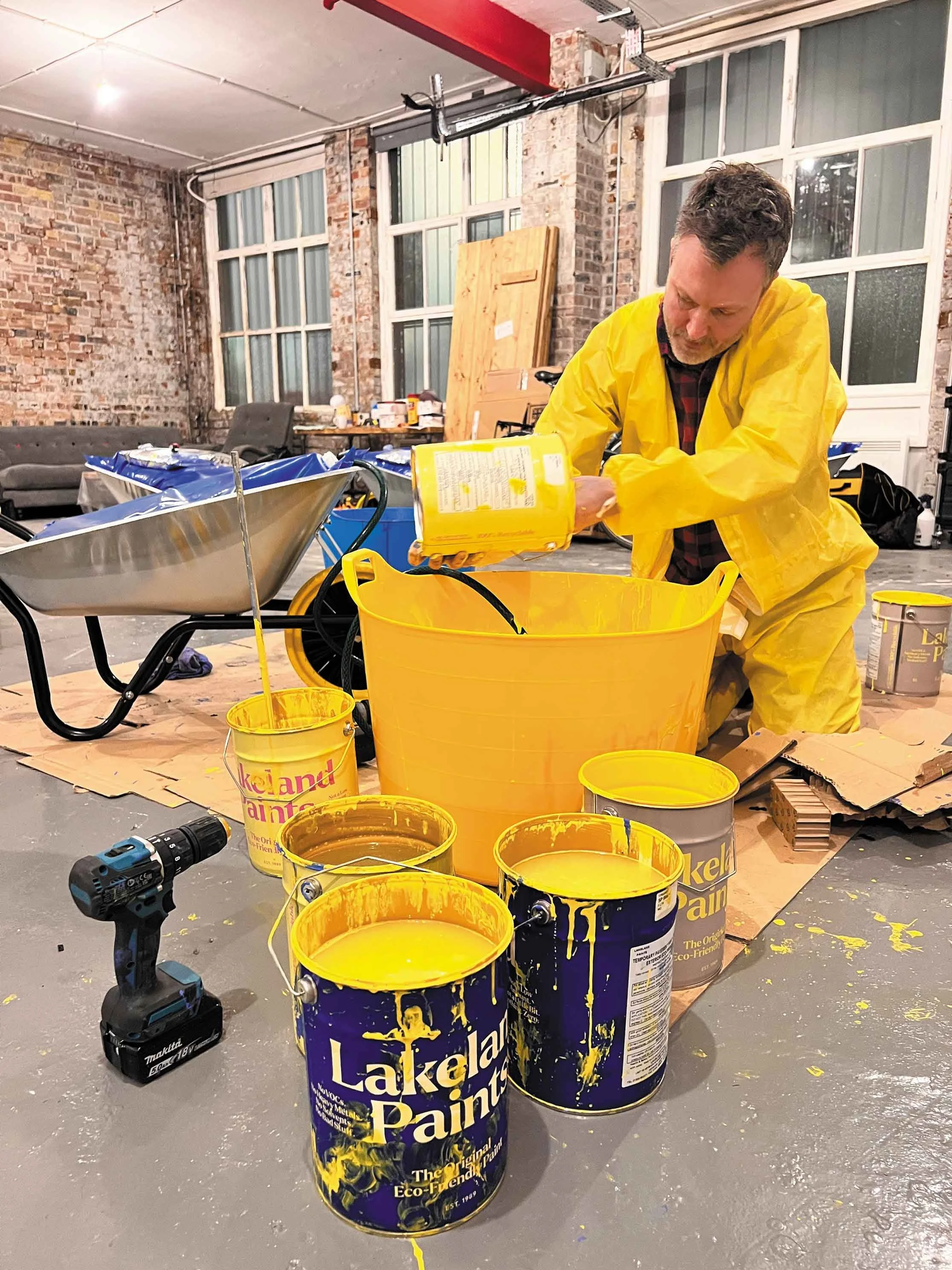
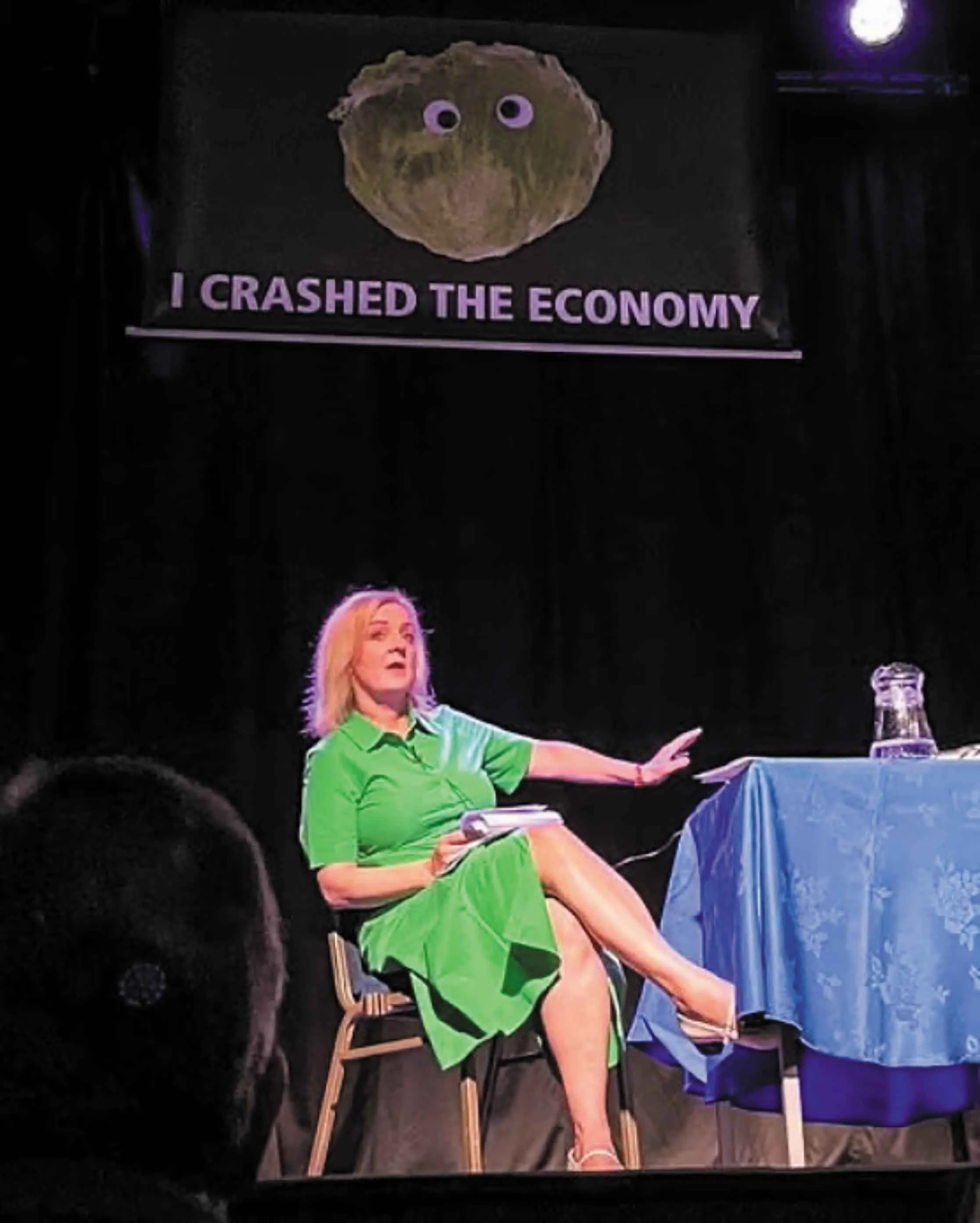
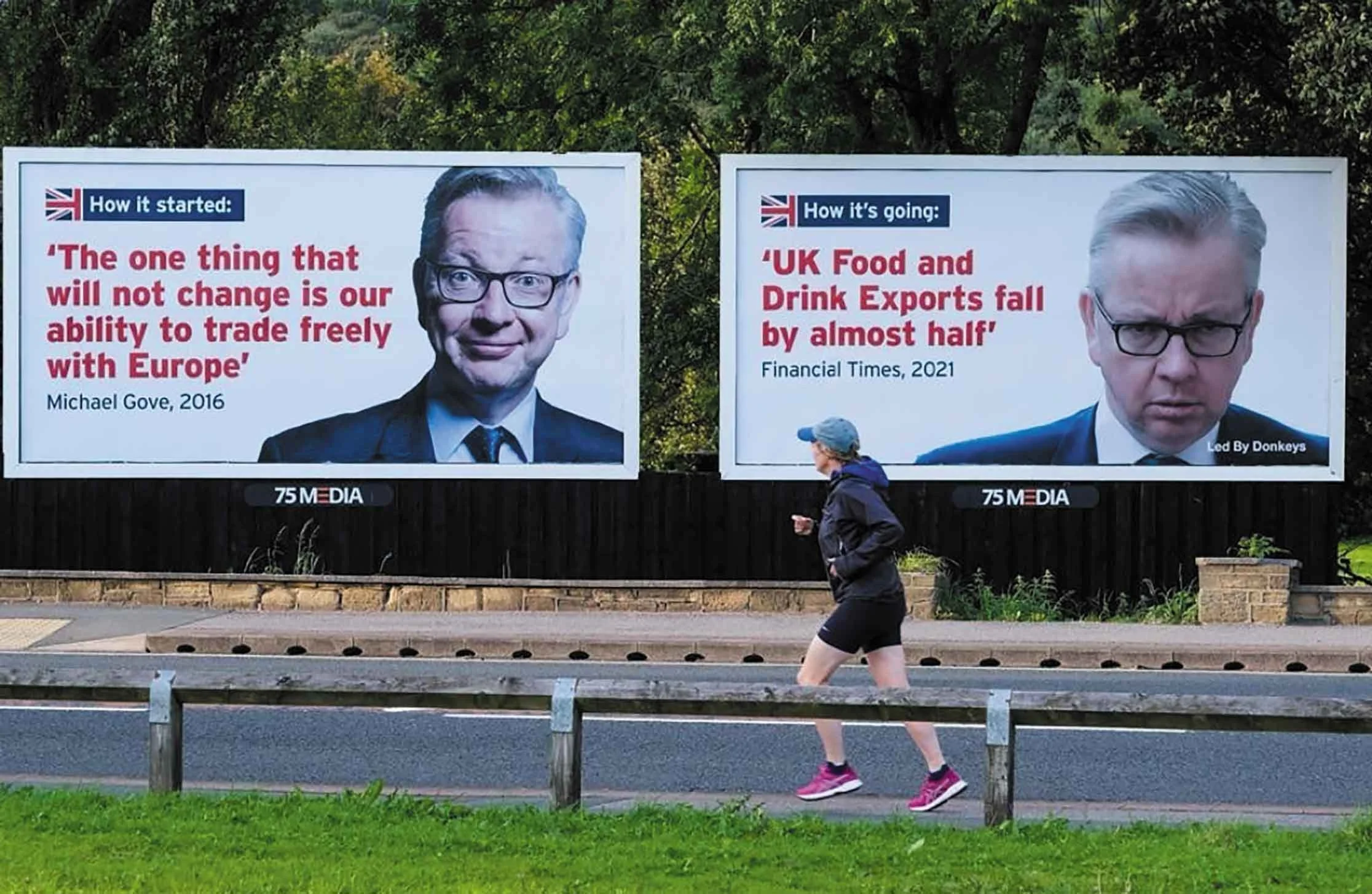
You already know the work of the Led By Donkeys team. Whether it is the symbolic crushing of a Tesla car by a Sherman tank from World War Two, renaming Michelle Mone’s yacht, the unfurling of the ‘I crashed the economy’ lettuce banner at Liz Truss’s talk, or the emotive video of kids’ clothing on Bournemouth beach highlighting the child victims of Gaza, they’re hard to forget.
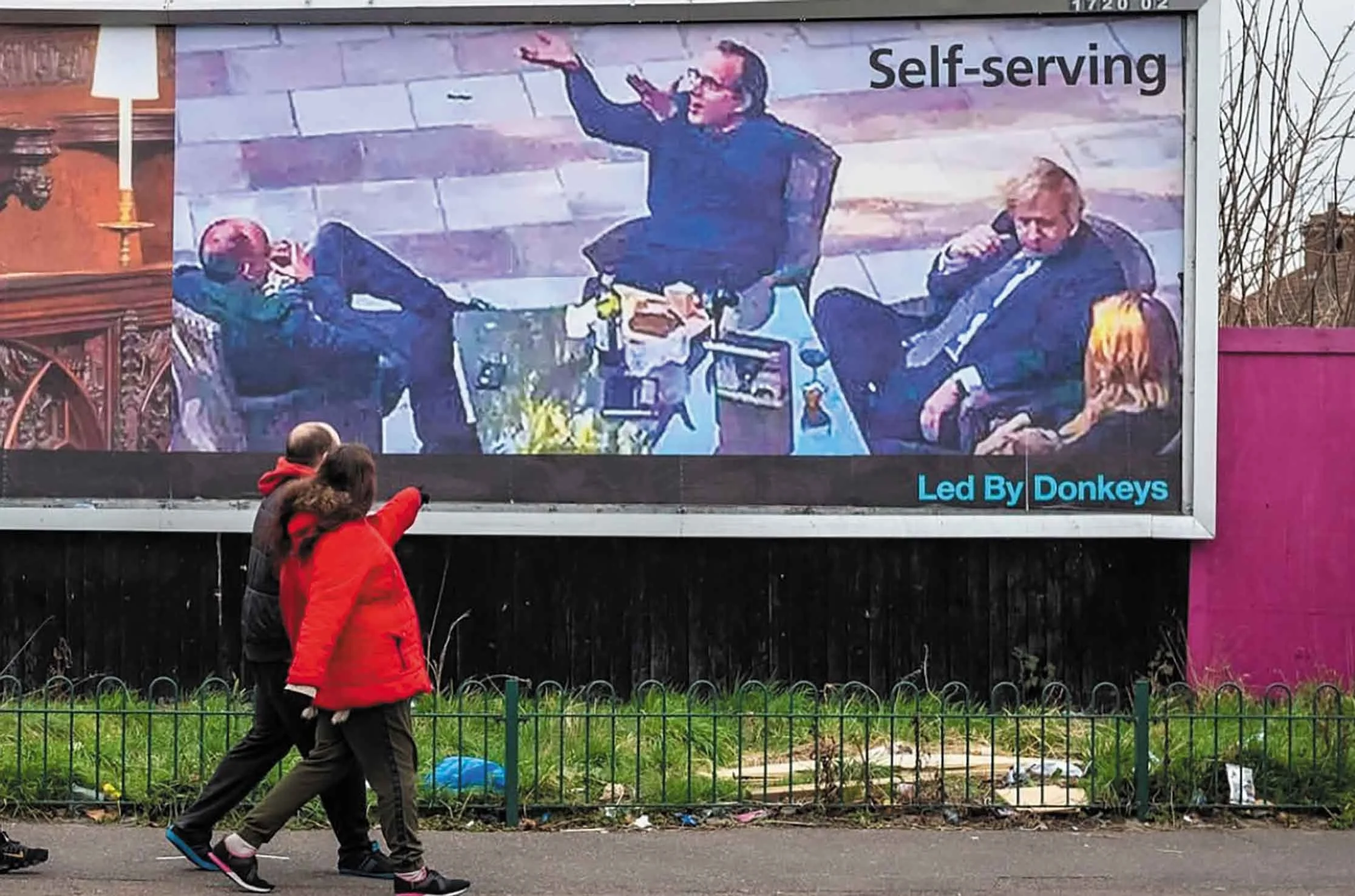
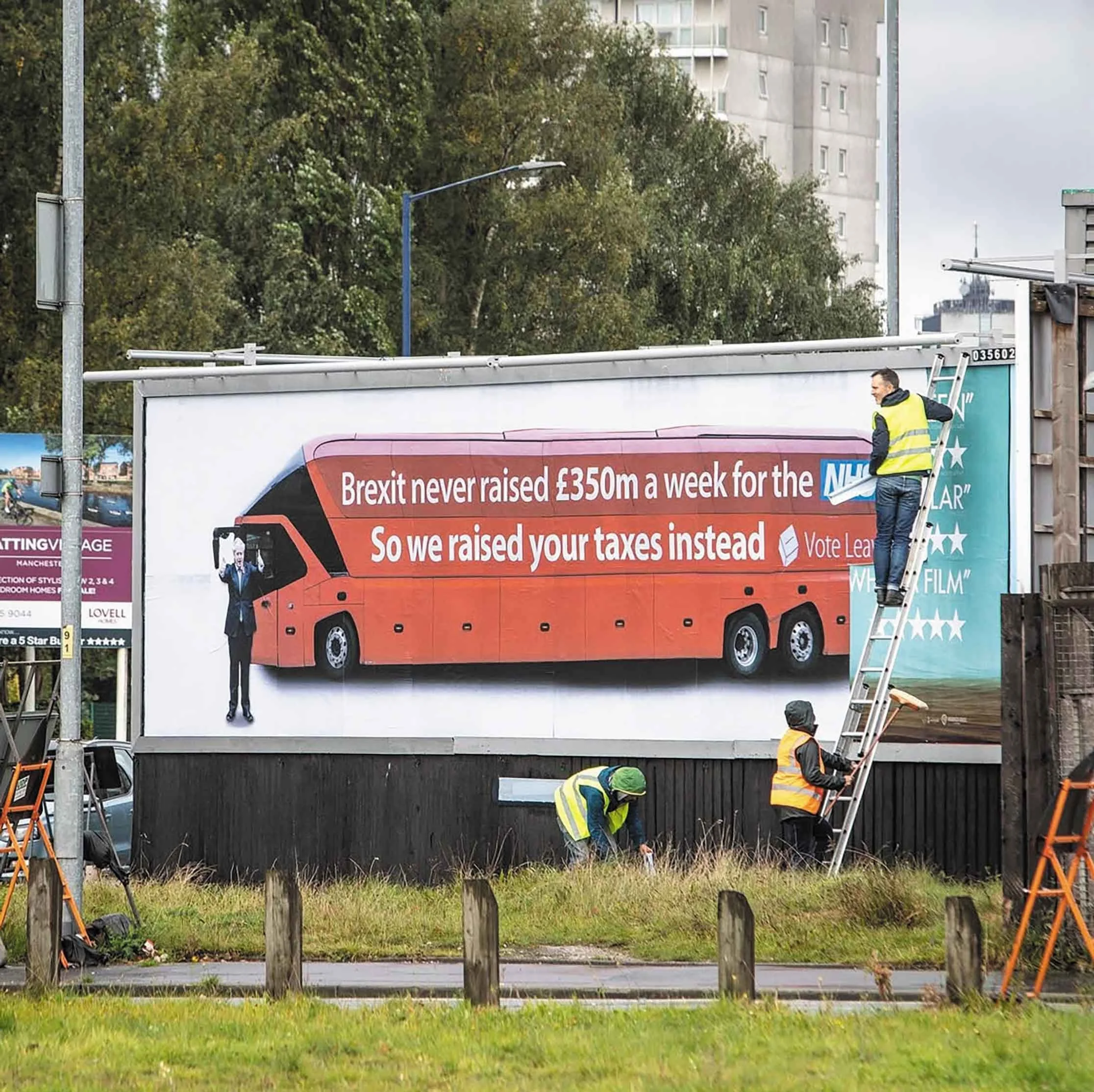
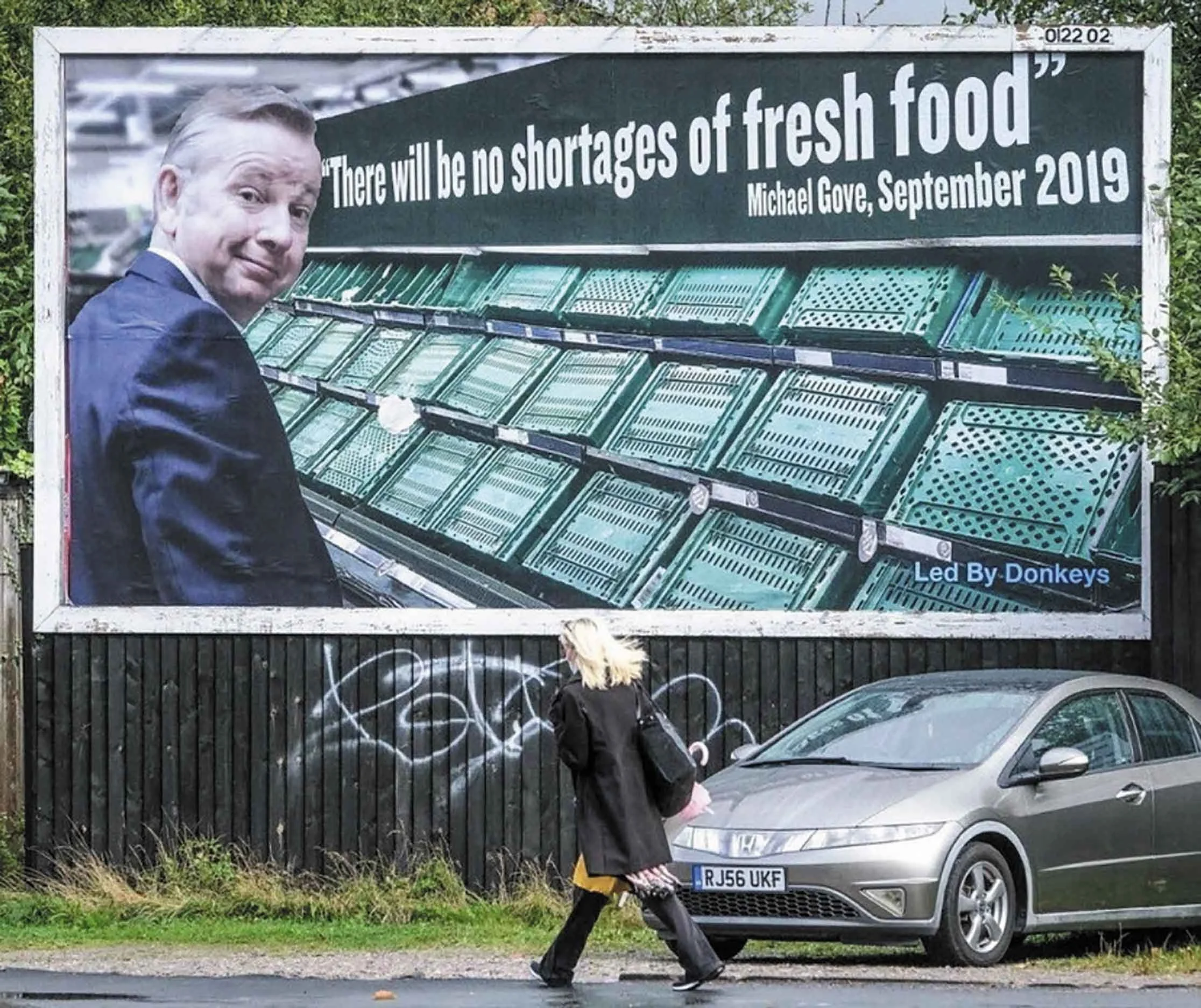
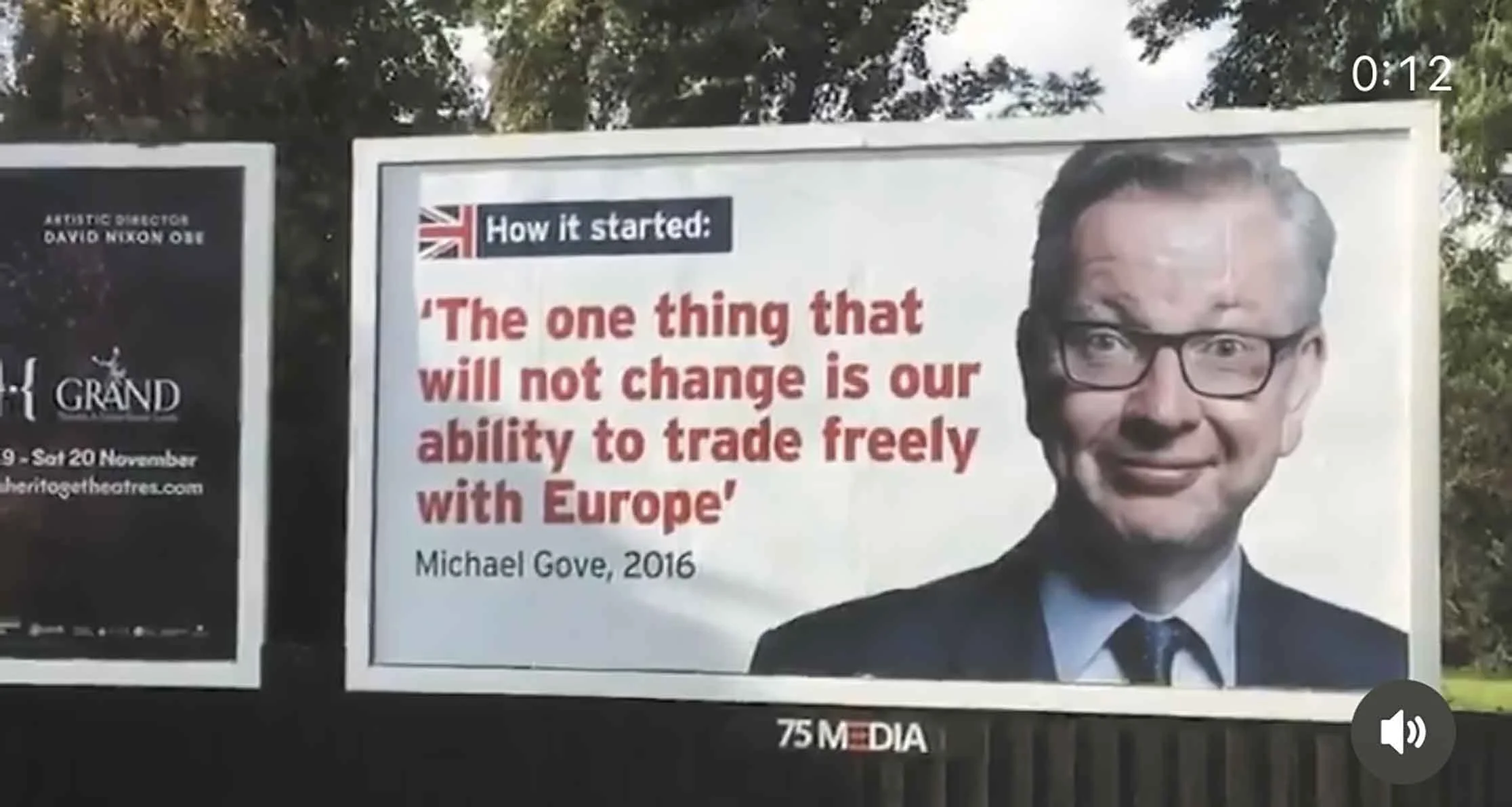
Using clever imagery, guerilla tactics and memorable slogans, Led By Donkeys is a political accountability project started by Ben John Stewart, James Sadri, William Rose and Oliver Knowles. Bound by their history of work for Greenpeace, the group have come together to create actions and spectacles around Brexit, the Covid pandemic, government corruption and sewage in UK waters. They get the public talking and engaging in serious issues that affect all of us.
After revealing their identities, the notoriety of their campaigns and number of followers and supporters has grown. We sat down with founding member and former Ashford resident Oliver Knowles to find out more.
What was it like no longer being anonymous and what was the reasoning behind the decision to become named people?
Anonymity worked really well in the first part of the campaign and it gave the whole project a kind of an edge in going out to take on these Brexit bandits who were lying and exaggerating. And, if you remember, there was a lot of political energy and anger in the country. The idea that there were these anonymous caped crusaders going out to put up these posters really resonated with people who didn’t feel represented by mainstream politics and could see the chaos of Brexit unfolding. So when we arrived, that anonymity felt right. But when the project started to grow and we piled on followers and supporters and there was more media interest, the anonymity started to wear thin - we could see that what was emerging was a political accountability project. It was talking about Brexit, but we were already starting to think about other issues that we could use the platform for. When you’re an accountability project, anonymity is a difficult tool, so in a way I think we were quite relieved when the moment came and we could say ‘Look, this is who we are - there are no secrets’.
The right-wing blog site Guido Fawkes were instrumental in outing us and thought they had a massive scoop but actually found out that we’d all been connected to Greenpeace and in effect their story amounted to campaigners campaigning.
Nonetheless, we thought we’d get ahead of the curve and spoke to The Observer, who did a really nice piece on who we were and what the campaign was all about and that sort of busted Guido’s story.
Have you noticed a difficulty in executing your plans since then? Are you on a watch list?
I don’t know that we’re on a watch list. Definitely the space for protest and certainly direct action and confrontive direct communication, which I think is what we do, that space is limited and has been closed down by recent home secretaries. And you look at what Suella Braverman did to the right to protest and disappointingly so far Labour hasn’t moved to kind of reopen that space. So the risks I think of pushing the boundaries of communication and campaigning, pushing over that line where you’re breaking the law, taking direct action, civil disobedience, the risks are greater. And look at what’s happening: peaceful protesters are going to prison for what they’re doing - climate protesters or Palestine protesters. And that’s a real concern. But I think the response to that is not to be cowed or intimidated. It’s to reimagine new ways to deliver protest. You’re in a fight to keep that space open both for your own message and your own campaign but for other campaigners as well. Protesters and campaigners generally have great imaginations and if we apply ourselves to that challenge, I think there’s every chance we can find ways to continue delivering great protest and great communication and we have to do that.
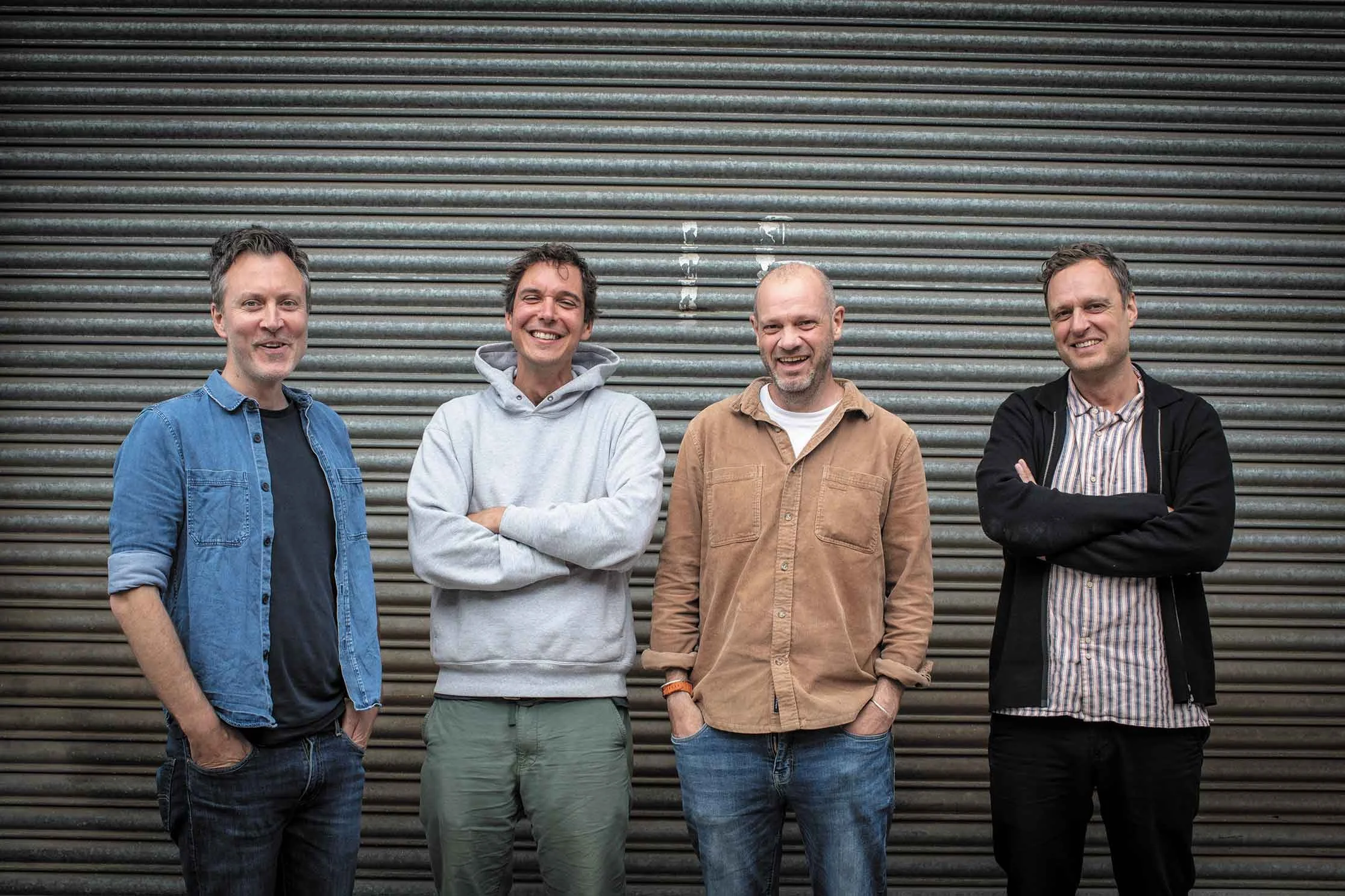
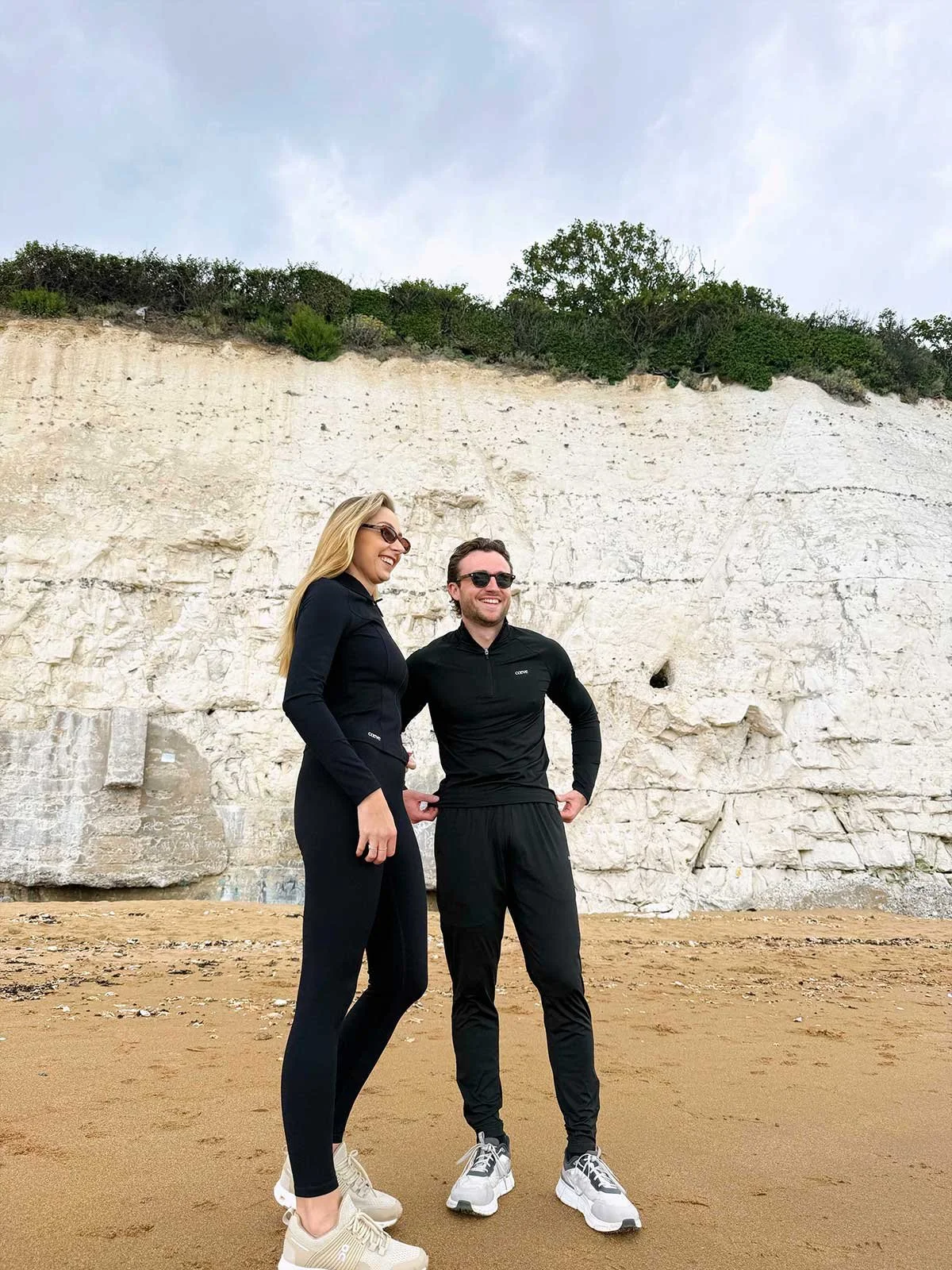
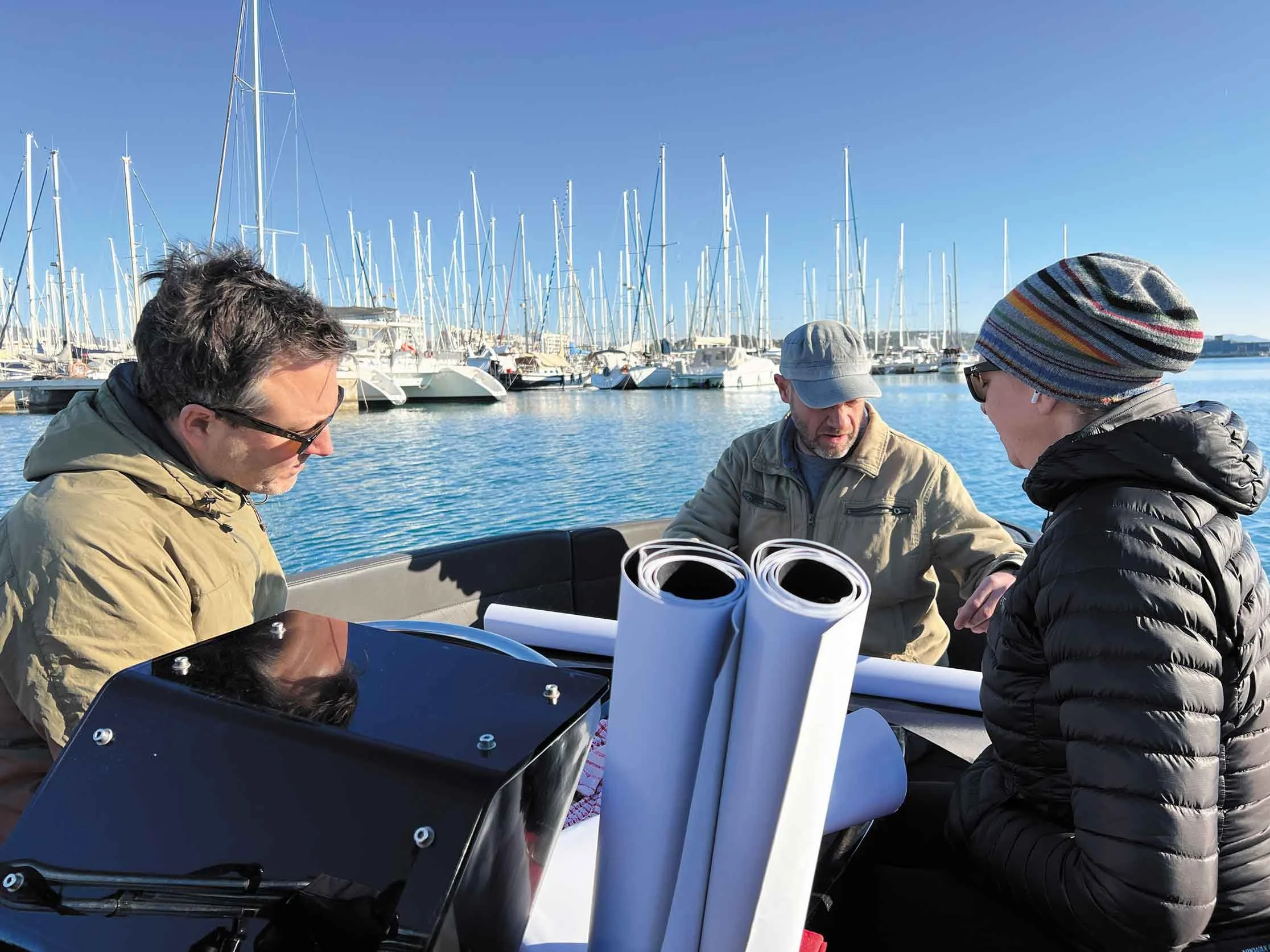
L-R / Oliver Knowles, James Sadri, Ben Stewart and Will Rose
Have the things that you’ve harnessed, particularly in terms of social media or using projections that are not directly affecting the public in terms of stopping traffic or climbing buildings, allowed you to continue without the worry of the handcuffs knocking?
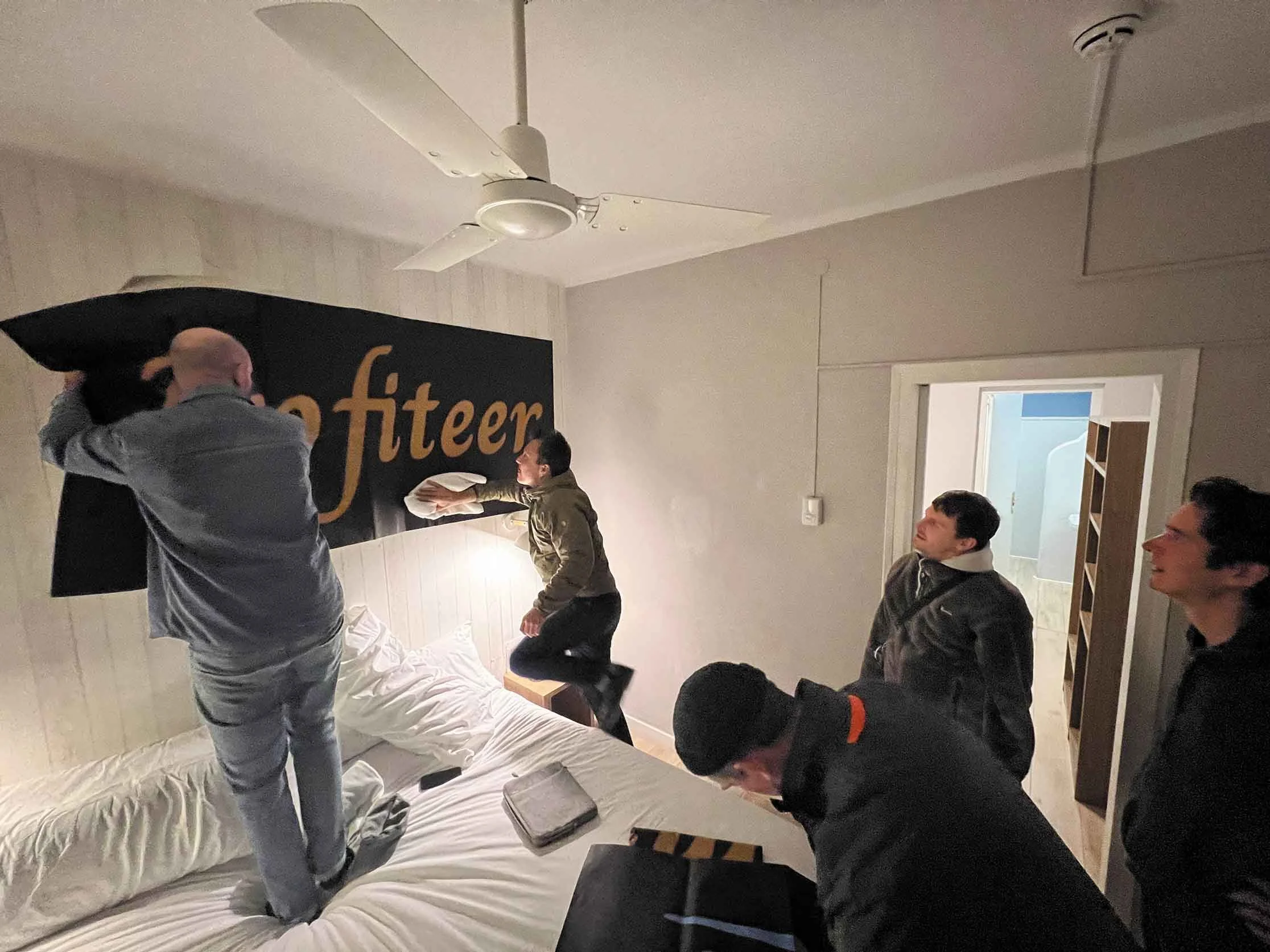
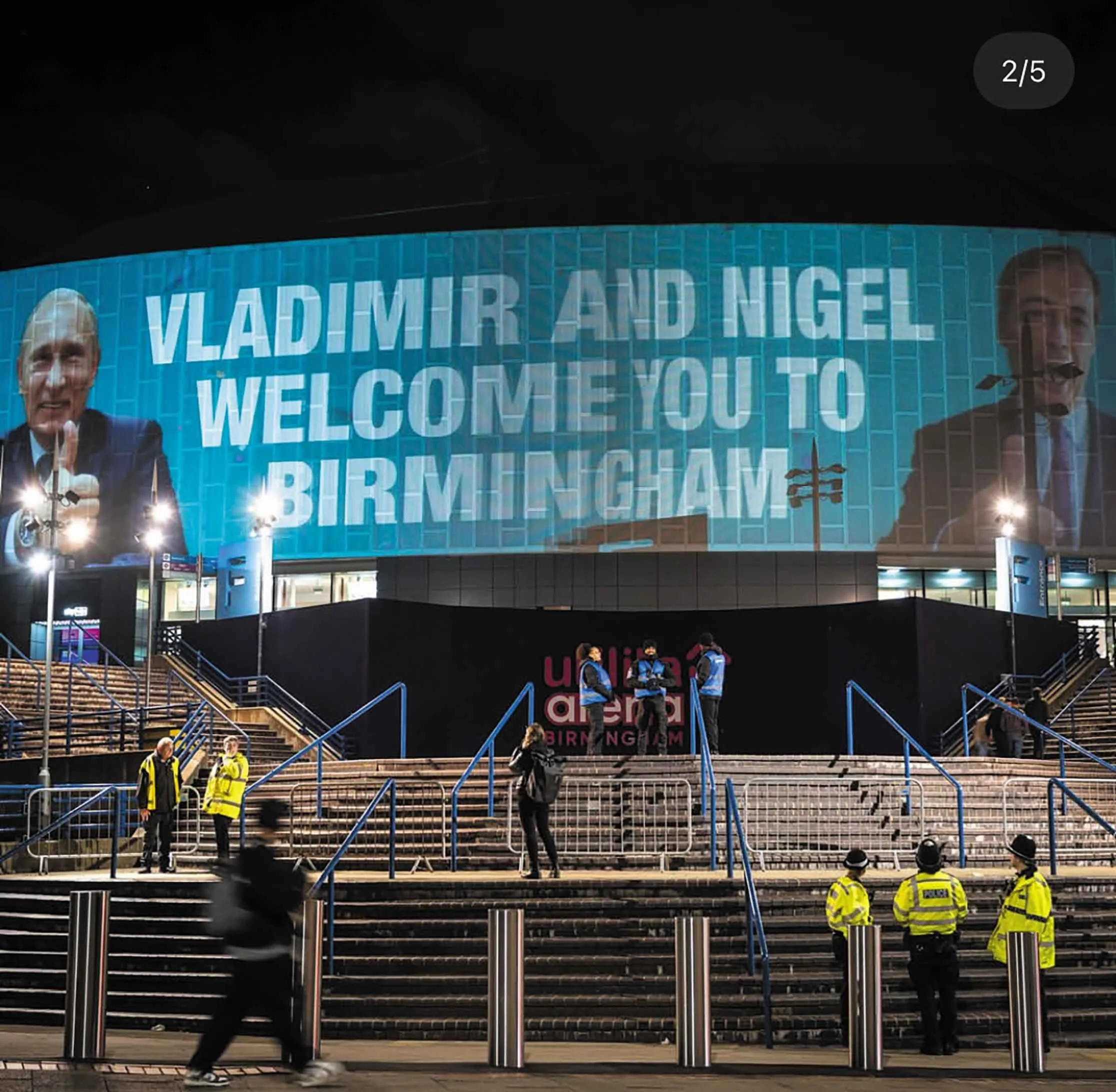
We try to design our interventions in a way that the legal risks are minimised, but I think there’s a time and a place for direct action where you are more clearly breaking the law and it’s more confrontive and I think that’s an important tool and an important tactic. But we try to think creatively about how we can find ways to deliver interventions that are really impactful, and the Farage one was interesting. We found a business conference centre over the opposite side of the canal that was renting rooms. So we rented a room and got our kit in and spent the day in there with the blinds down setting up our projectors and when it was time for the show the blinds came up and the projectors came on. But if we’d set the projectors up on the street in front of the police it wouldn’t have worked. So you’ve got to sort of think on your feet and that’s the challenge. But look, it’s worth saying as well, we are four mostly white guys. James is half-Iranian. It’s worth saying that because it has an influence on the project, too. And there’s a privilege that comes with that and I think there are definitely times when we’re out on the street and we’re projecting in London when we get much more licence with the police - we get an opportunity to try to talk to them down from arrest. And there are other protest groups and different communities in our country that do not have that privilege. And that is worth properly noting as well.
How do you plan ahead for things like the projections?
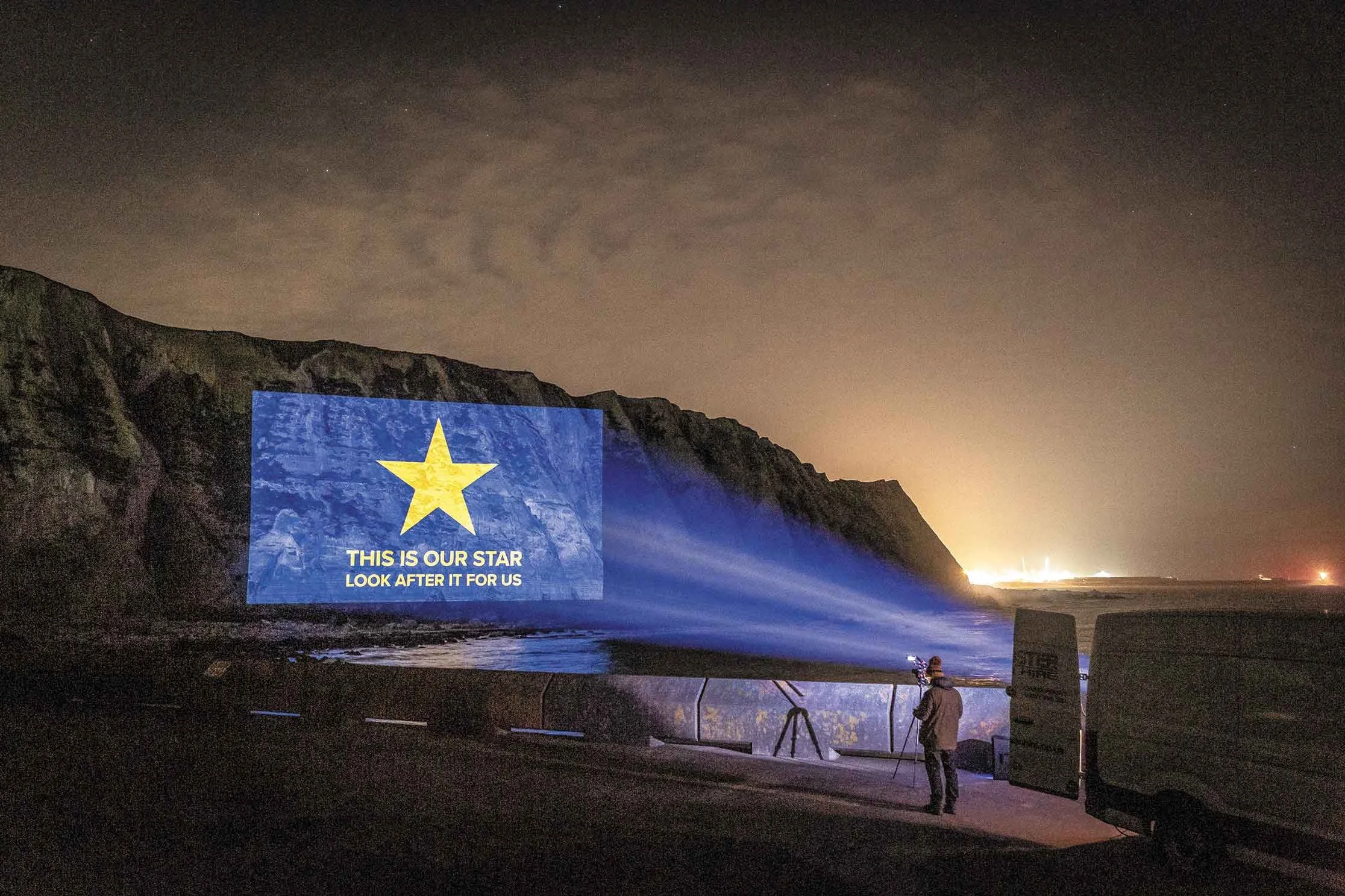
I shouldn’t give away too many trade secrets, but I’m happy to say this - we obviously take care to recce before we go up. So we’re taking quite careful measurements of the space that we’ve got to project on and the distance that we’re projecting from. There’s always an anxious window with the projection where you go through a process of mapping your art on to the building, which is a much lower brightness. And during that window you’re hoping you’re not spotted by the police and that you get it done quickly because generally the race is on. Once you’ve got your projector light coming out, you’re identifiable.
It’s a bit of a cat-and-mouse game, but that’s the art if you like, that’s the challenge.
It’s interesting that you said ‘art’ there. With what you do, is the art and the activism one and the same?
Are they inseparable? I don’t know. The way I view it is, good campaigners have a lot of tools in their campaigning toolbox and artistic treatments of ideas is one of the tools that can really help. Our kind of theory of change is that politics exists downstream of culture. We shape our politics through our art and the expression of our ideas, whether that’s a stage play or a film or a painting or a street art or art in the landscape. These are the expressions of our emotions and our feelings that begin cultural conversations.
And if you can be in that space and you can be in that space effectively, and by effectively I mean deliver ideas that travel and that people talk about, then I think you have a good chance of influencing and shaping politics downstream of that. That’s why I think with campaigning and art, we should keep the doors open to very different expressions, and whether that’s graffiti or fine art or street theatre or opera at the Coliseum, keep the doors open to these different expressions - don’t close them down.
And particularly when you’re going through, as we are globally, I think, times of crisis, actually the expression of ideas, the expression of concerns about the world through art becomes really important. They are the way we partly reassure ourselves, but they are also ways in which we find solutions, sharing ideas, talking about ideas, that’s how we get from problem to solution.
Does that come as a double-edged sword for you guys, using social media to spread your messages?
When Musk kind of came off the rails, we decided we would use Twitter less. We don’t have a blue tick, so we’re not paying Musk any money. And that means the algorithm is not preferential to us. So, even though we kind of grew up on Twitter and that’s really where Led By Donkeys exploded, it’s definitely not where the energy is now. We’ve taken care now to move on to lots of different channels. So we’re on most of the big social media channels, but yeah there is a sort of dance with the devil, right?
They are not owned or run in the interests of users, and when you go on and think of them as harmless places to share information and news with friends and family, I think you’re making a big mistake and we have to keep that in mind. But this all said, look, the technology is out there. There’s no putting the genie back in the bottle. But is it beyond the wit of humankind to imagine a way in which we could use social media and use it well? No, I don’t think so. But in a way the technology of social media evolved so quickly that it completely outpaced governments and their ability to regulate it and their power grew so quickly.
Is everyone fair game? Do you have an ideology that you sit somewhere on that political spectrum, or is it easier to not have one?
Do we have an ideology? I don’t know that we do, really. Led By Donkeys is non-party-political, and obviously we’d spent a lot of time focused on the Conservative party because they’d been in power for 14 years and immediately after the election there was a lot of pressure on us, people asking ‘Why aren’t you going after Labour?’. Our view was they need a bit of time after 14 years to demonstrate to us that they’re going to drive progressive change. I don’t think the signs are great for Labour right now. And we definitely have an interest in doing some projects on Labour and how it’s performing and have been having conversations about doing that. So I think that’s coming.
Our politics is kind of left of centre, but more than we would put ourselves on a political spectrum I think we would sit down with almost anybody, people who are serious about ideas that might make our society fairer and kinder and sort of more compassionate, in a way. And if people are serious about the ideas, then we’ll have a conversation with them.
And I actually think that kind of thinking is less about where you sit on a left-right axis. We’re facing these really serious problems and what it needs is people coming together to say ‘Forget where you are left or right, let’s sit down and get serious about progressive solutions’. The climate crisis demands that, the urgent need to kind of repair our democracies demands that. Let’s get serious about the ideas and making progress again because we’ve got some catching up to do.
Is the political space something any of you guys would consider moving into?
We do get asked that a bit, especially when we come out to the book events. The short answer is ‘no’. I don’t think we would move into that kind of overtly political space. I think we’re more interested in the ideas space and helping open up space to allow more progressive politicians to step into the political realm and to be effective. But I don’t see Led By Donkeys becoming a political party, at least not yet.
Have you had a moment when you were about to do a stunt or whatever that you’ve been nervous about and almost pulled out?
Sometimes it’s pretty nerve-racking. We’ve done a couple of really big crowd banners. The first one, it was a big Brexit demonstration back in 2019. But we had a huge banner that we pulled out in Parliament Square and I think doing that was really scary because we just had no idea whether it was going to go well or wrong. Does half come out? Do people get trapped under it? Do you just end up in a kind of big knotted ball of chaos? But in the end it came out and it was great. It worked really well. But definitely we all get nervous. I think it’s a sort of nervous energy that keeps us on our toes and also keeps us kind of innovating. We’re keen to keep experimenting with new protest and demonstration tactics. There’s that kind of opening the space again, when it’s under so much pressure.
What are your ties to Kent?
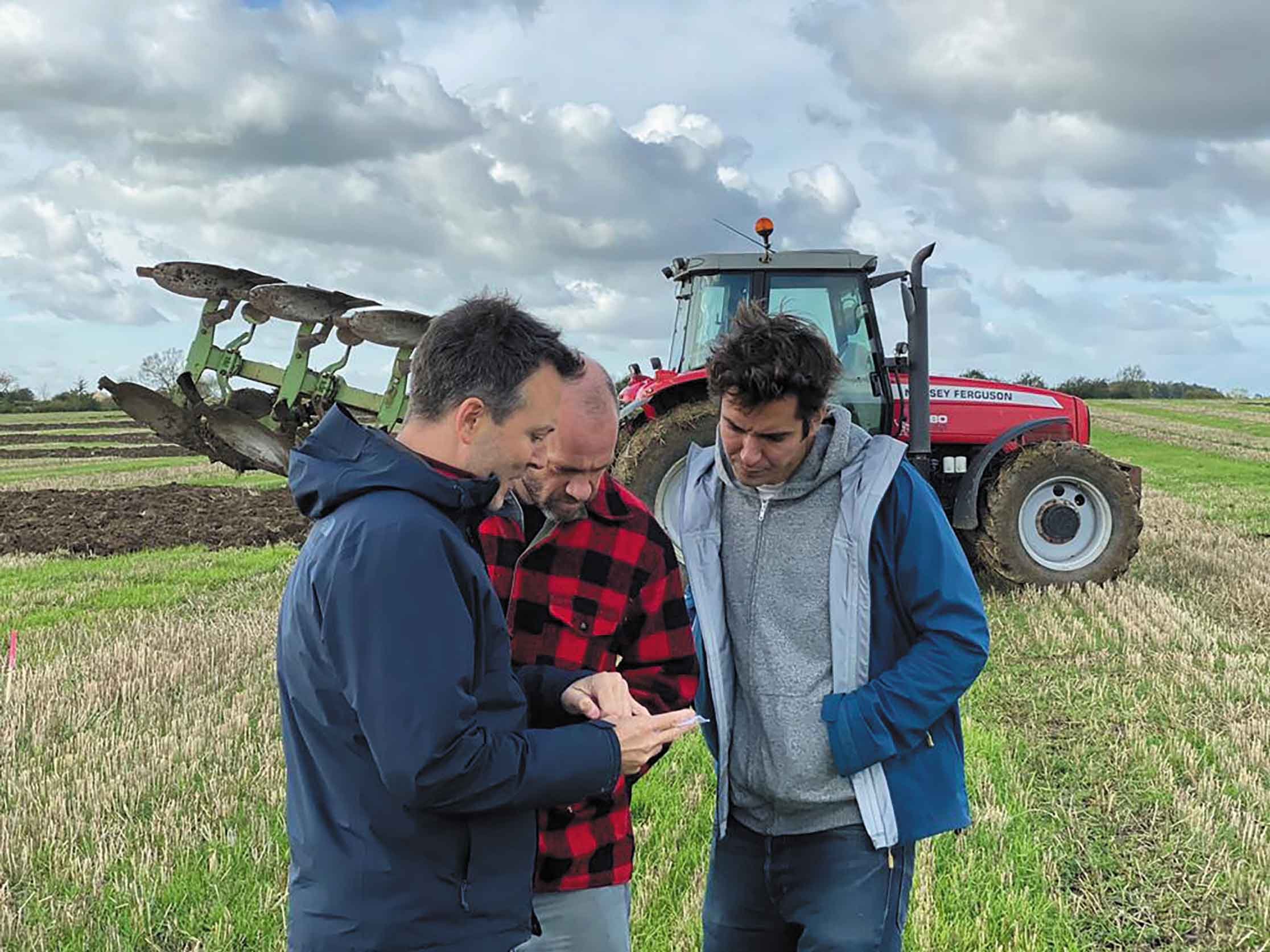
I grew up in Ashford and spent a lot of time in the country lanes of Kent as a young protest activist, a hunt saboteur. That’s kind of where I cut my political activist teeth. Kent has a big place in my heart. It’s a great place and it’s been really great to see over recent years the sort of cultural renaissance that’s taking place in places like Faversham and Margate and Folkestone and these sort of other seaside towns. Certainly when I grew up in Ashford, it was a long time ago, it was a bit of a cultural dead zone and I know there’ve been some efforts made to improve that.
You need some local energy, but councils have a lot of responsibility for helping create space for a good cultural art scene. The big lift and responsibility kind of lies with them, but it’s worth saying your kind of magazine is also really important because creating a sense of kind of community connection, and pride in your community, is actually one of the things that really is very often missing. And I think magazines like yours really help do that and get people excited about the cultural offering their community has.
With the challenges we face from the far right that feed on a lack of community and a lack of pride in your community, tools like your magazine and the cultural renaissance you’re seeing, with people coming out supporting arts events or even going to the local restaurant, participating in the civic local culture of their place is really important. That can’t be understated, so keep up your good work as well.
Thank you! Could you also tell us about the projection down on to the White Cliffs of Dover?
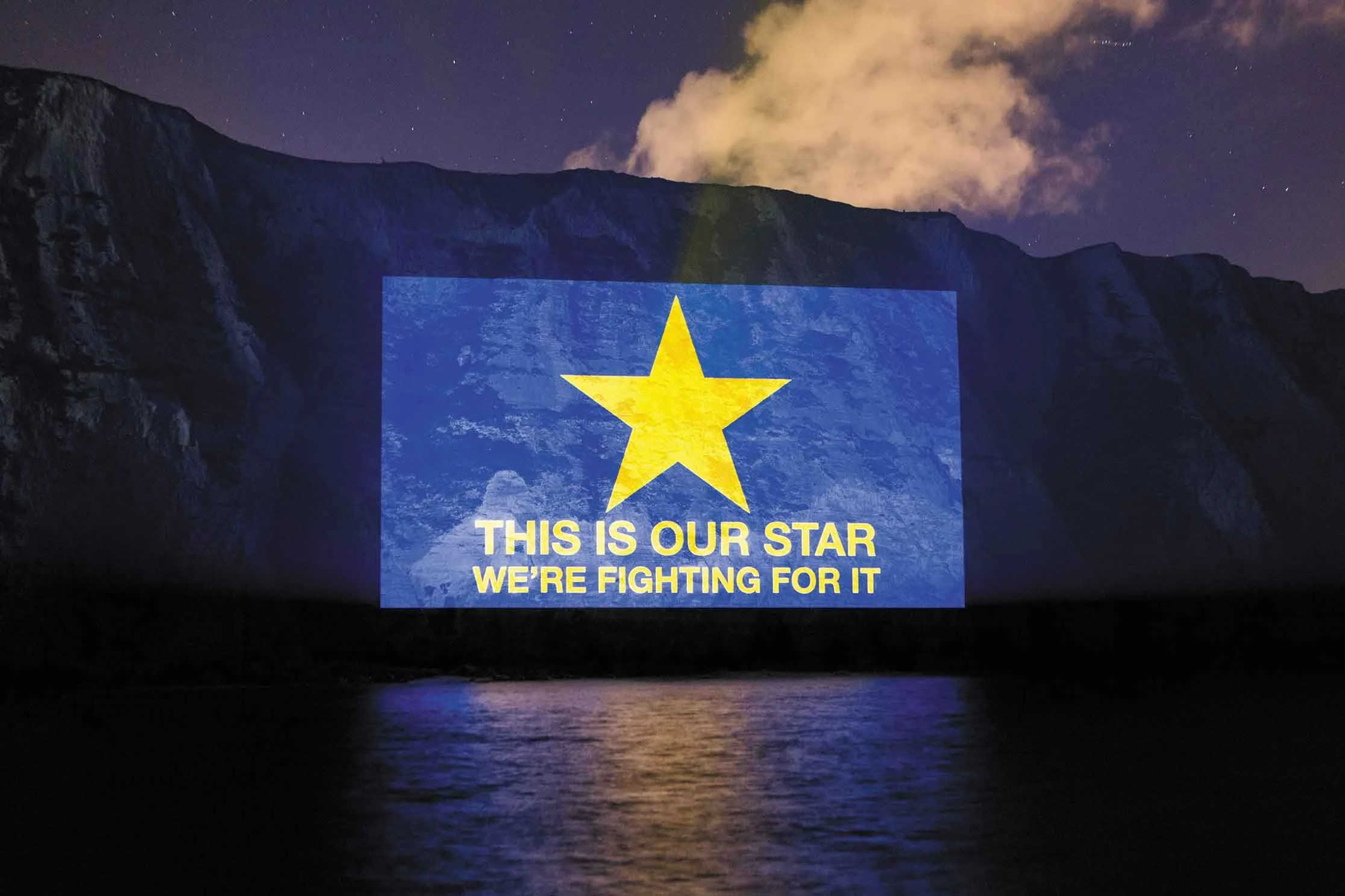
We’ve done two or three down on the White Cliffs now, but there was an early one, This is Our Star in spring 2019, so quite early in the project but a good one because the White Cliffs talk to the whole of the country. It’s very definitely a Kent landmark, but they talk to a whole national identity. And there have been a couple of things we’ve done down there where we felt that projecting on to the White Cliffs is a national canvas because the cliffs are so iconic. And one of the projections we did down there was to have two World War Two veterans talk about their sadness leaving the European Union because they effectively felt that’s what they’d been fighting for in the war. To kind of put their first-hand testimony up on the cliffs and then be able to share that with the country felt an important thing to do.
It’s not the only time you’ve worked in Kent, though…
No. Because of all the queues that had been forming because of the Brexit chaos, we took an ad-van down there and made a film of the leading Brexiteers talking about how there were never going to be problems with the border, that it was all Project Fear, and we just parked it up in the queue.
And it’s all funded through donations?
Yes, it’s all individual donors and capped at a maximum of £1,500 a year so that nobody has any kind of undue influence over the project. Really, most of the donor bases are people giving three quid or five quid a month - it’s the small contributions that make it work.