CHARACTER FORMING: Folkestone illustrator Jenny Davis
Jenny Davis on taking the freelance plunge and finding balance in the world of illustration
There are few more recognisable illustrations than those featured in classic stories by Roald Dahl. Created by Kentish icon Quentin Blake, characters from The BFG, The Witches, George’s Marvellous Medicine, The Twits and Matilda are etched into the memory of most people of a certain age.
For Folkestone illustrator Jen Davis, landing a project connected to Roald Dahl was as much a career-defining moment as an exercise in keeping a very exciting secret.
“The brief came through my agency, and it was a dream brief,” she says. “They are a dream client. They were so nice to work with.”
Unfortunately, that is just about as much as she can reveal, with the project set to remain under wraps for up to a decade.
And despite strict confidentiality preventing her from sharing the artwork publicly, Jen still lights up when talking about the experience of working with a literary world she grew up loving.
“I loved all of the stories growing up,” she says. “I loved Quentin Blake’s illustration style.”
The commission also offered a fascinating insight into the relationship between Dahl and Blake, whose artwork became inseparable from the author’s stories.
For an illustrator whose career has been built on adaptability and experimentation, it was the kind of project that reinforced just how far Jen had come since leaving agency life and taking the leap into freelancing.
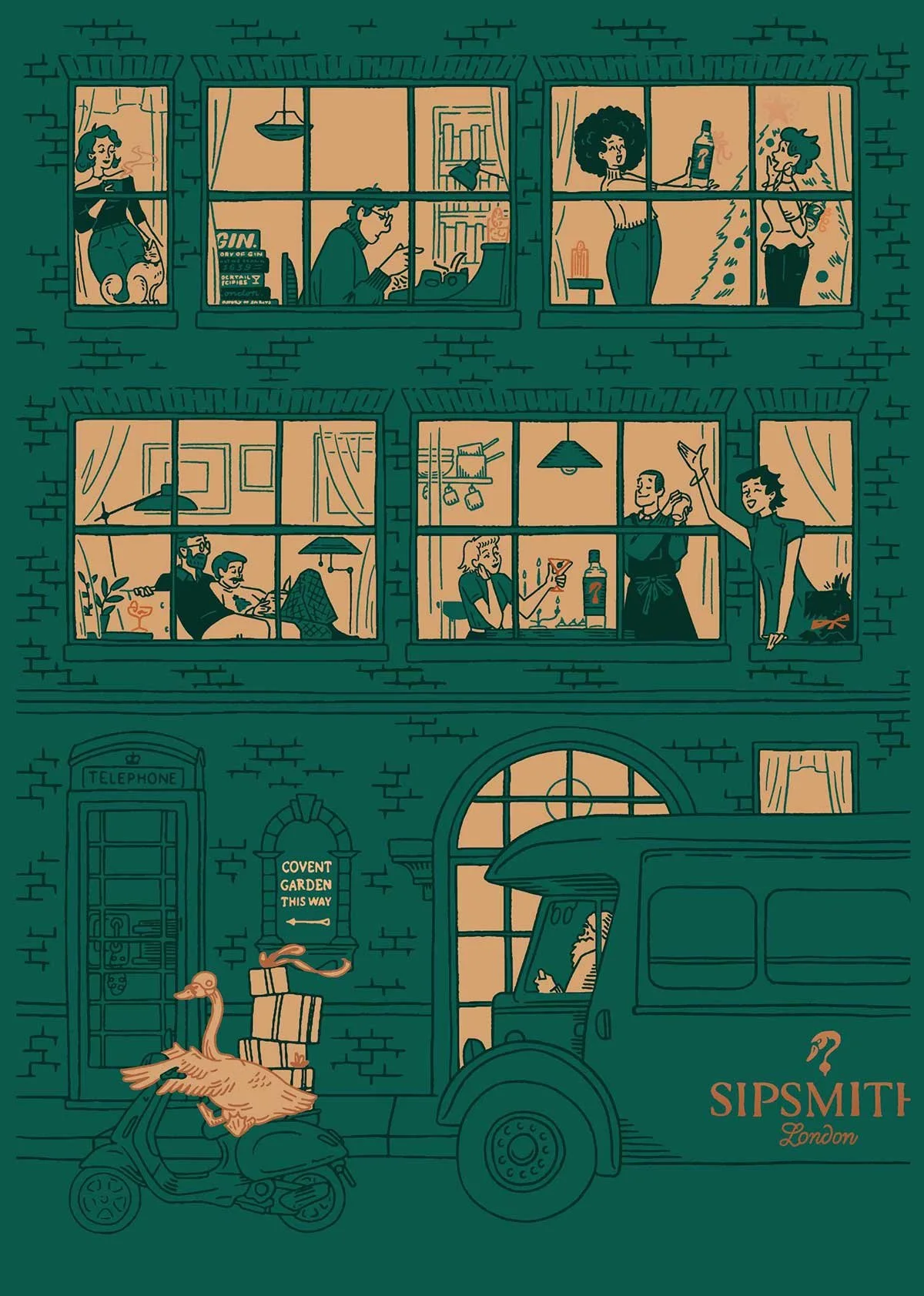
Today, she works with clients ranging from independent businesses in Folkestone to globally recognised brands including Sipsmith Gin, Bombay Sapphire, Evian, Eurostar and the NHS. They are illustrations that many of us will recognise instantly. Yet her path into freelancing was far from straightforward.
Her career began in commercial design studios, where she quickly became known as the person eager to tackle any illustration brief that came through the door.
“You never know what projects, big or small, will get you noticed and lead to more opportunities”
That enthusiasm led to an unusually broad creative education. Working in agency environments meant adapting to whatever clients needed, whether that was watercolour artwork, vector illustrations, animation assets or entirely new visual approaches.
“That sort of background forced me to develop a bunch of different styles,” she says.
At first, she worried that versatility might be a weakness. Looking at successful illustrators with highly recognisable aesthetics, she felt pressure to discover a singular style of her own.
“When I went freelance properly, I was in a bit of a panic,” she recalls. “All my favourite illustrators have a defined style. I never did, and eventually I just let that whole idea go.”
The move into freelancing itself came unexpectedly. Rather than being driven by a long-held ambition to run her own business, it was prompted by burnout on a conveyor belt of client briefs. A worry that a push to take lead on creative projects would shuffle her career towards management roles rather than artistic was the last push needed.
“The creative part was the part that I enjoyed,” she says. It was time to jump in. Fortunately, freelance opportunities arrived almost immediately. One of her first major clients was Sipsmith Gin, where she was entrusted with developing the brand’s existing illustration style.
“They had this quite old style and the swans looked very serious,” she says. “They were like ‘It’s too serious. Make them a bit more fun’.”
The project highlighted one of the biggest differences between agency life and freelancing. As an independent illustrator, clients increasingly trusted her judgement and creative expertise.
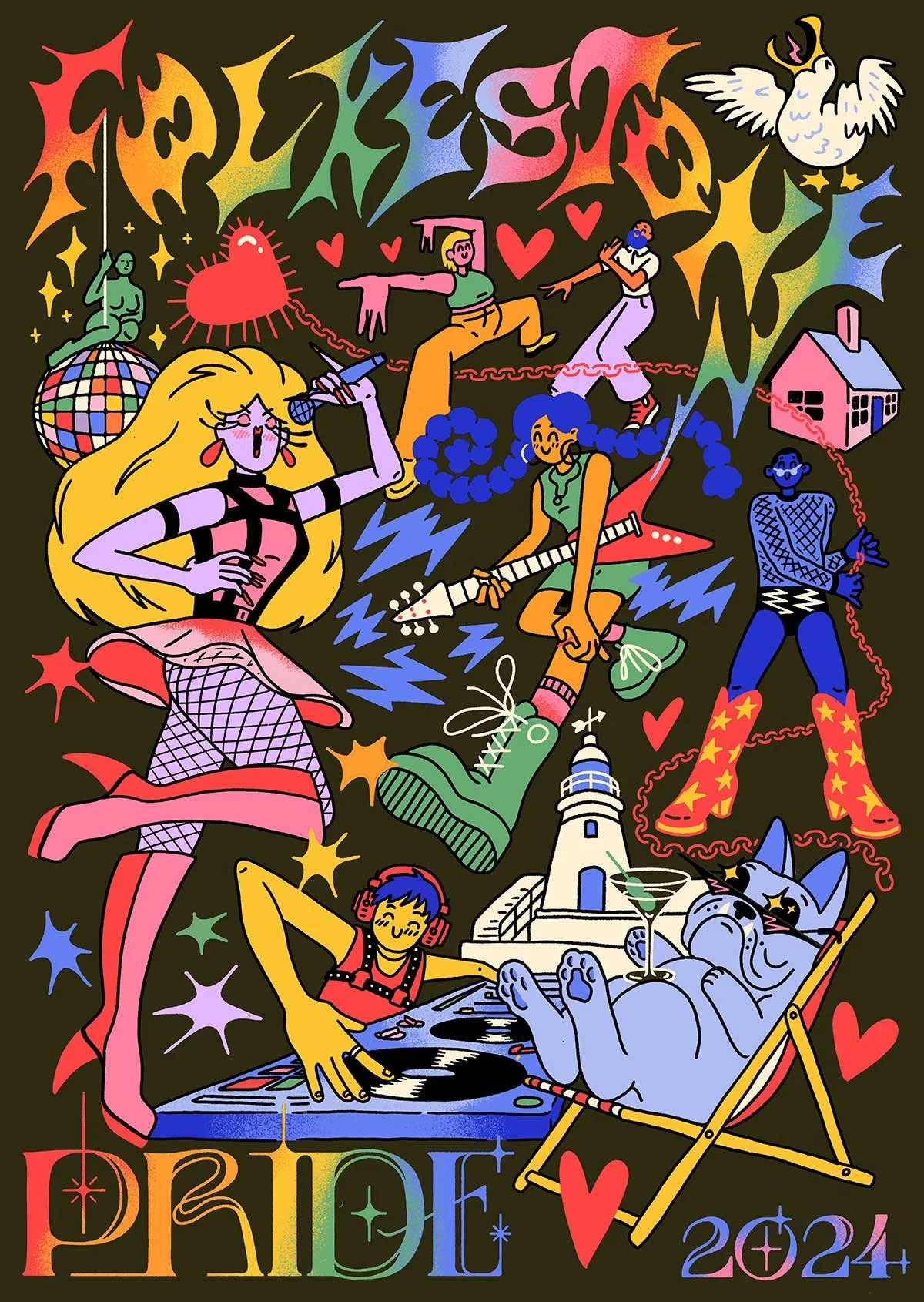
“People are hiring you for your knowledge and they respect that knowledge so much more,” she says. That trust has grown steadily, leading to a client list that now spans everything from multinational brands to beloved local organisations such as The Folkestone Bookshop and Folkestone Pride, which allows for more creative freedom.
“The bookshop love all the work I do and I know that anything I do for them, they’re going to be like ‘Amazing. We love it. Let’s do it!’.”
The relationship has also demonstrated how unexpected opportunities emerge. Merchandise she designed for the bookshop was spotted by a brand manager from Voltarol, leading to a commission creating merchandise for the London Marathon.
“You never know what projects, big or small, will get you noticed and lead to more opportunities,” she says. “I like to balance out my time and income between commercial clients and non-profit or community projects,” she says. “The non-profit and community projects are hugely important to me as I feel it’s an area where I can have a positive impact.”
That philosophy is particularly evident in her work for Folkestone Pride, a project she describes as her favourite.
“I love doing Pride,” she says. “It’s so nice to be involved in the queer community and have my face out there. I love that work. It feels really important.”
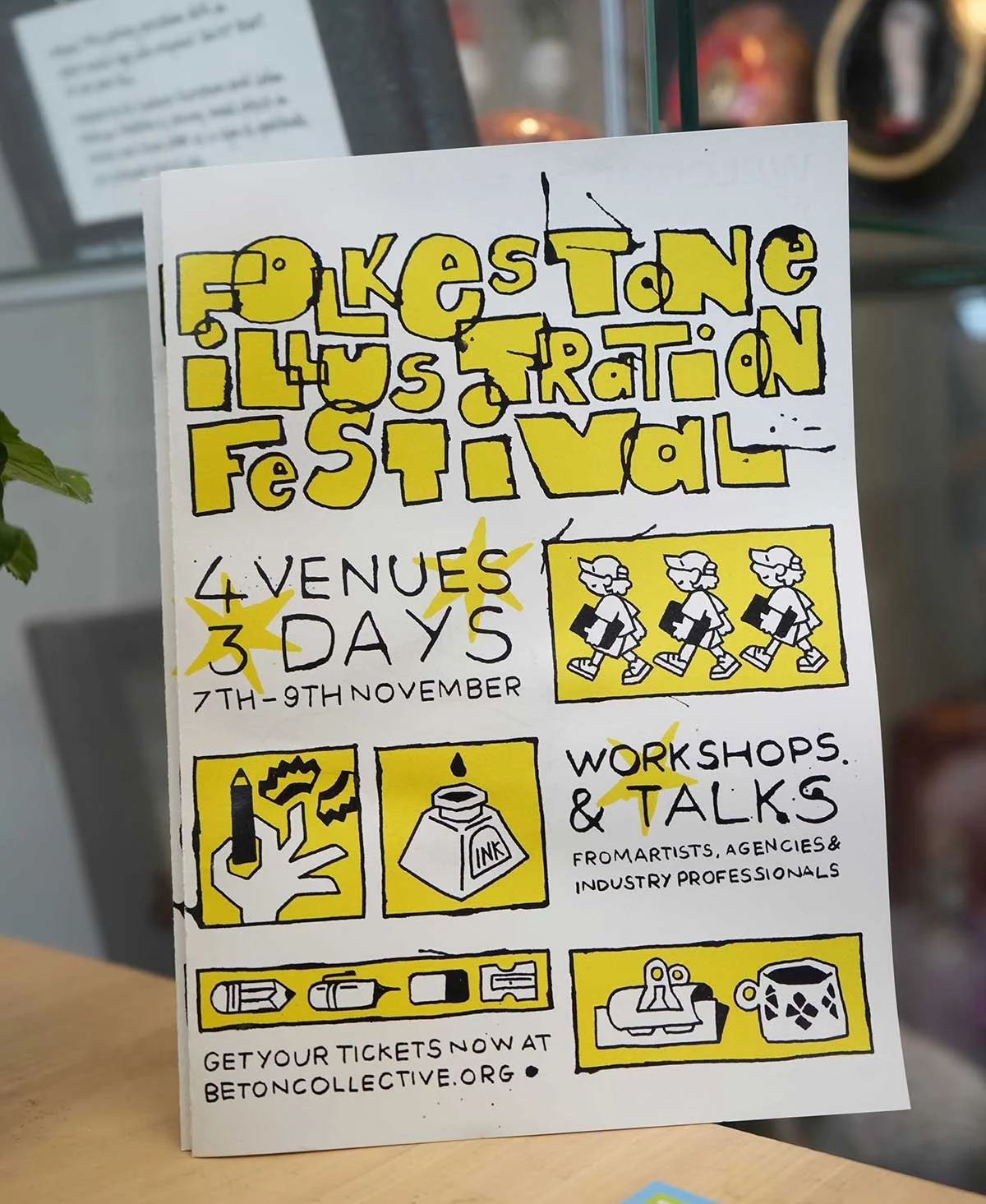
This includes being part of the organising team behind Folkestone Illustration, which returns this year, running from 30th October - 1st November.
Recently, Jen has entered another new chapter in her career after securing her first publishing agent. The move followed a chance opportunity to create copy art for a friend’s graphic novel, opening the door to publishing projects and eventually work connected to the Roald Dahl estate.
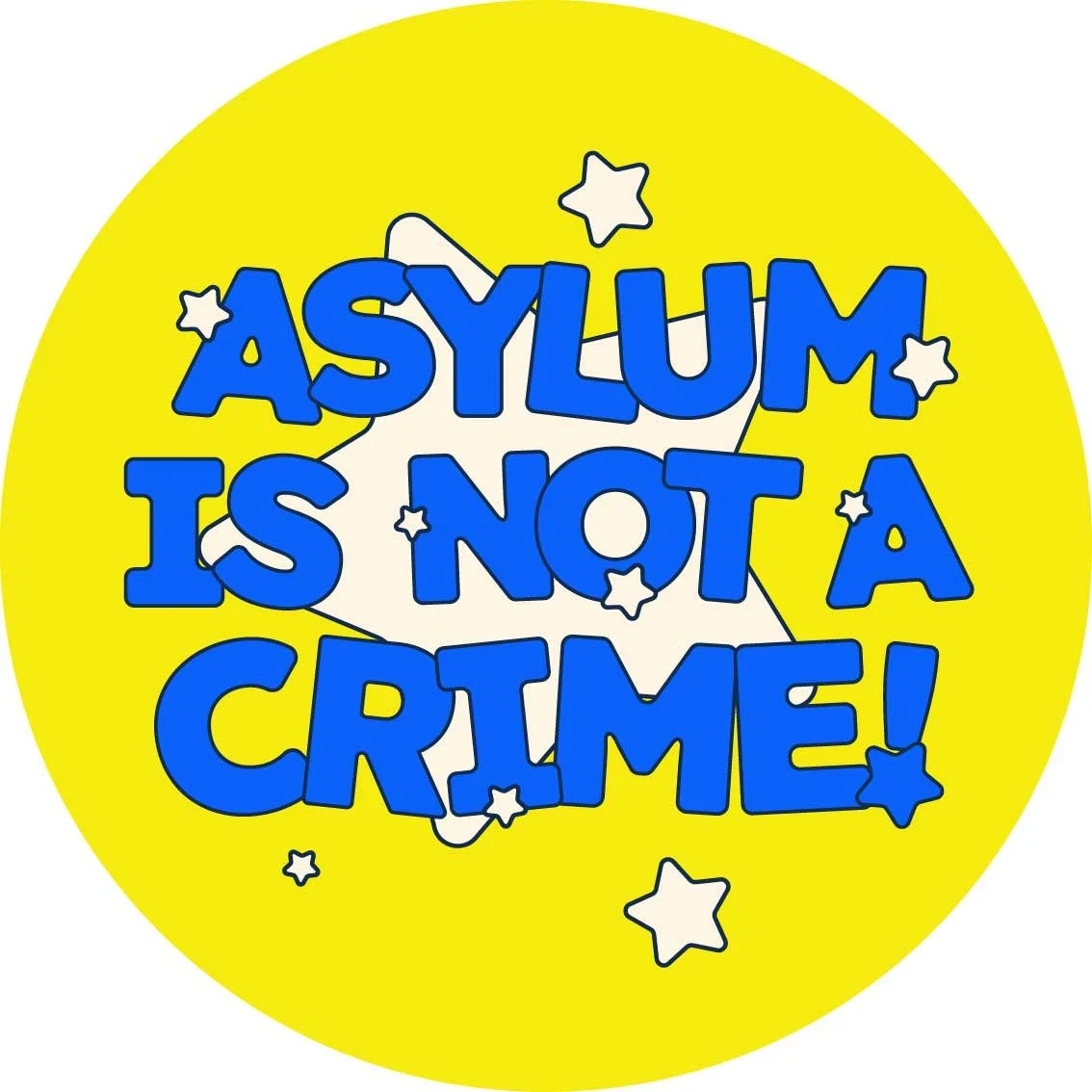

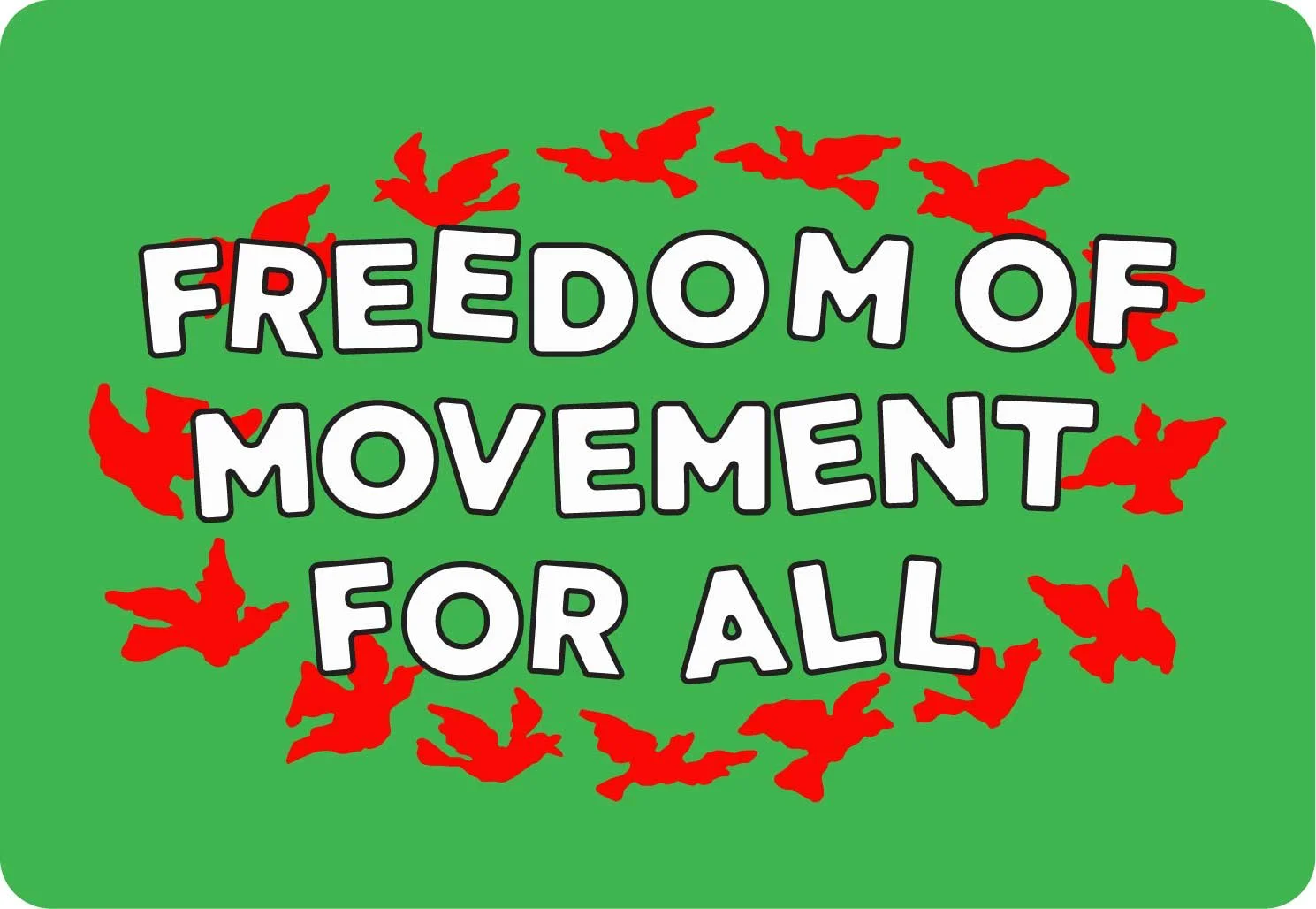
Alongside publishing, she continues to experiment with new techniques, including collage, paper-weaving and handmade processes. In an era increasingly shaped by artificial intelligence, she believes human creativity matters more than ever.
“The human part of my work goes into everything from the initial idea to every tiny detail,” she says. “I love leaving Easter eggs, lots of little stories inside my work. AI doesn’t do that.”
That commitment to originality, combined with a willingness to embrace uncertainty, underpins the advice she offers aspiring creatives.
“I know it’s cliché, but fake it till you make it,” she says. “If an opportunity sounds scary but exciting, just do it scared. There’s a lot of fear of judgement and rejection in the creative world, and this fear holds a lot of people back. It’s really important to ask yourself what have you got to lose. And what could you gain?”
For Jen, it is a mindset that has carried her from studio illustrator to trusted freelancer, proving that sometimes the best careers are built not through certainty but through courage, curiosity and simply keeping moving forward.