Columnist Zahra Barri speaks with author and therapist Liz Bentley about punk Charles Dickens, the F word and ‘normopaths’

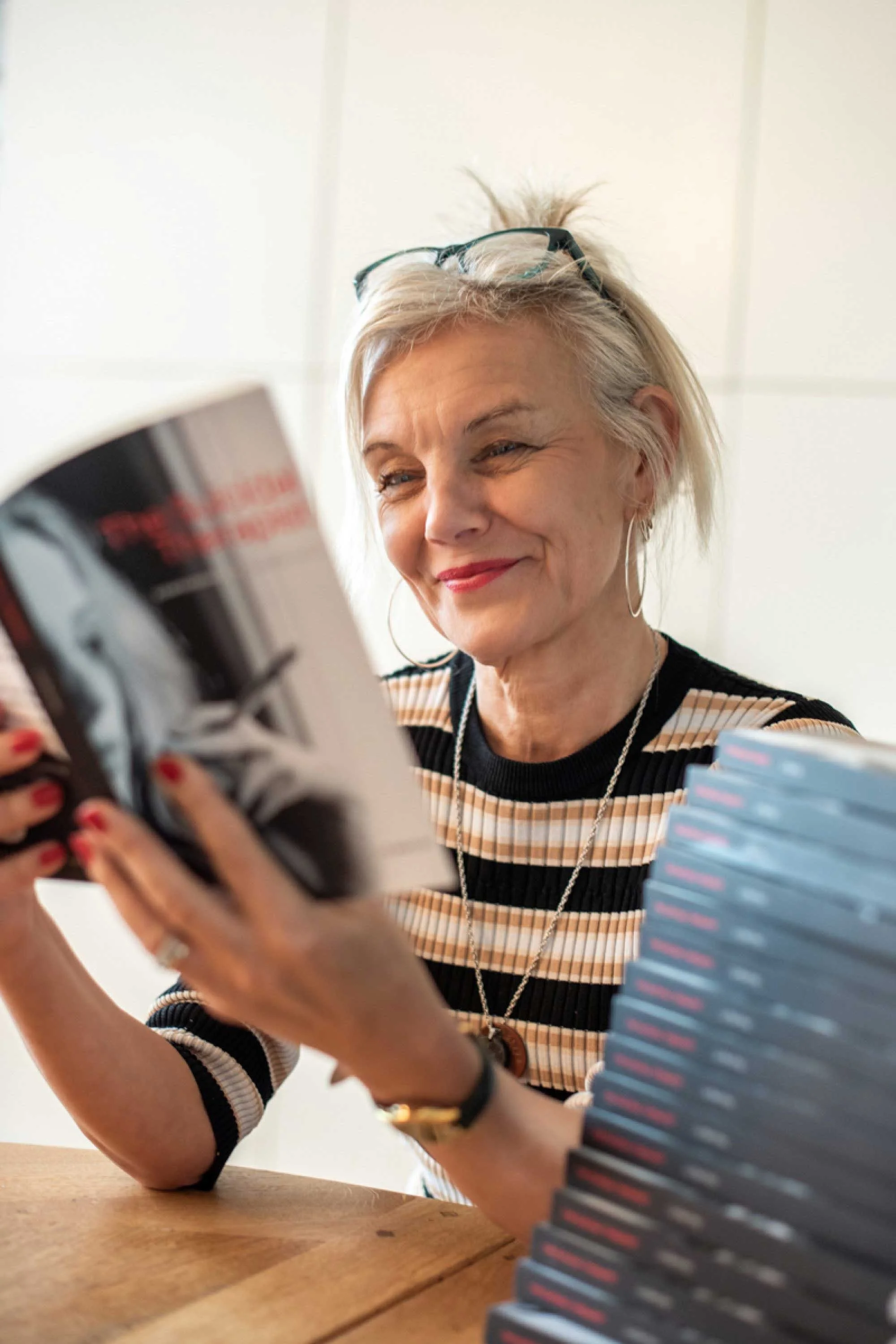
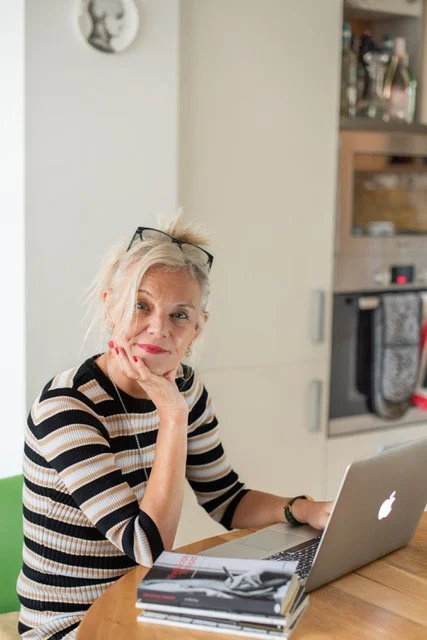
The name Liz Bentley could be mistaken for a character in a Jane Austen novel, for it conjures images of petticoats, decorum and polite talk over tea.
Nominative determinism is a psychological term that renders your name: your fate. There are more Dennises who become dentists, for example - I read it in a Malcolm Gladwell book. My name Zahra in Arabic means flower and I am nothing but a delicate little petal, as these columns concur.
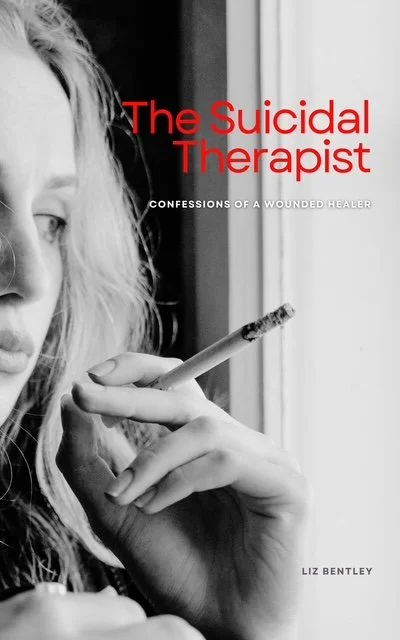
However, Liz Bentley is NOT as Austentatious as her name suggests. For Liz Bentley is a living, breathing trigger warning. Her memoir, The Suicidal Therapist, is a riveting rollock of a read that makes the scientific subject of psychoanalysis sexy! And I’m not talking in that weird parental Freud way that grosses everyone the heck out. I’m talking about non-oedipal promiscuity! (The best kind.)
Yet it’s heartwarming, healing and hellish, too. Bentley is drawn to the body-mind connection and is full of nuggets of wisdom, such as her MS numbness being a manifestation of her inner numbness. Here’s our chat.
1. The Suicidal Therapist - the title feels like an oxymoron. I thought therapists were trauma-free? How did this book begin?
I certainly have been therapized. I wrote a blog ‘From Essex to London in 101 Boyfriends’, publishing two boyfriends a week. What started as comedy became something more. I was shortlisted for the Arvon/Jerwood mentoring prize. Fellow comedian-author Rosie Wilby helped shape the book into how it reads today.
2. The memoir spans from childhood to your therapeutic career. How was that journey?
It starts in London 1992 with me going into therapy, just before I begin training. My boyfriend has been in prison and is a heroin addict. I’ve been diagnosed with MS, I am bulimic, promiscuous, homeless, drunk a lot of the time. And I am a Samaritan volunteer. I joke ‘I’m more suicidal than my Samaritan callers’. The middle takes us back to Essex 1974. Here we see my childhood. The final part, back in London 1994, has more revelations. It says a lot about the impact of childhood trauma and how the wounded healer needs as much care as our clients.
3. You balance darkness with humour. Your extensive use of the F word feels like talking to a mate! How important was writing it in this style?
When you talk with your mate you are authentic. I try to write authentically. I took half of the F words out. I kept the ones in where I really couldn’t find a better word. For example, ‘F…ing MS’ - what could I say, ‘Darn MS’? I’m glad there are still lots of Fs in. I have always written in short sentences. I don’t know many big words and I don’t like reading books with endless descriptions of stuff. I’m an undiagnosed ADHD person. My daughter has autism. Why do we need these labels? It’s because we’re not ‘normopaths’ (more on this term later).
4. There’s a LOT of sex in the book! How did you find writing about it so candidly?
There isn’t enough! Isn’t it great writing about the stuff that is usually private. We all do it, and when we don’t, aren’t we curious? Writing the blog helped me with this. I hope talking about it takes away from the shame. I found when publishing the blog that many had experienced similar relationship struggles. Especially people brought up in the 60s to 90s. No one talked about anything.
5. Each chapter begins with a psychotherapy terminology - one of my faves was ‘normopath’ - “a pursuit of conformity and social acceptance at the expense of individuality”. This resonated with me - perhaps you can psychoanalyse me? I wonder if this pressure to conform is prominent in creatives.
I would be very happy to analyse you. On stage with an audience? Some live-art psychotherapy! Normopathy came originally from Joyce McDougall, a psychoanalyst who I love - check out her book Theatres of the Body: Psychoanalytic Approach to Psychosomatic Illness.
I wonder whether it is less common in creatives as they already know they are creatives. It could be argued that we are all ‘creatives’ and the non-creative’s unique self is repressed in preference to a practical/materialistic life.
Education funnels us into normopathy. As do our systems and politics. Normopaths don’t stay normopaths for long when they come into therapy. It’s about experiencing something new. And not their family culture norm. What goes on behind closed doors is mimicked on the outside. Like the unconscious drives for power or subservience. Hence the psychos running the planet. When will the lunatics take over the asylum?
6. What even is ‘normal’? Rick Rubin said that creative geniuses can be detected in so many children but by adulthood this halves... creativity is literally drilled out of us by so-called normal systems of conformity. Psychotherapy is rational, logical with obvious ties to the neurotic. But being a writer is more of a creative neuroticism - how are writers and psychotherapists similar?
The blank page could be compared to the blank screen in the therapy room. Something has to be blank before a creation can begin. Like, a depression comes before a breakdown - with help, it leads to a breakthrough, leading to expression. Creativity.
7. Yes! Picasso said “Every act of creation is first an act of destruction”! You mention the psychotherapy book A Road Less Travelled, by M Scott Peck. Are there any others that have shaped you?
Anything by Prof Brett Kahr, like Sex and the Psyche… Brett is not just a great writer and analyst but is the kindest of men and helped me greatly with this book.
9. Finally, what’s your favourite Kent literary fact/activity/thing?
I am a Dickens fan; my memoir has been described as “like a 1980s punk Charles Dickens”. Miss Mary Pearson Strong’s cottage in Broadstairs is so cool. I am obsessed with health and disease - the history of Margate’s Royal Sea Bathing Hospital is fascinating. I worked at the Elizabeth Garrett Anderson Hospital when Tracey Emin was there. I admire Tracey’s writing and I cannot wait for her new space in Westbrook Bay. The Turner skies, sunsets. Stunning. That might become my favourite place to read and write.
The Suicidal Therapist, Confessions of a Wounded Healer
survivorsvoices.org/product/the-suicidal-therapist-confessions-of-a-wounded-healer/
Zahra Barri’s Daughters of the Nile £9.99 Wilton Square