
Nina Shen’s four-year portrait of a Kent mining village fighting to keep its carnival alive


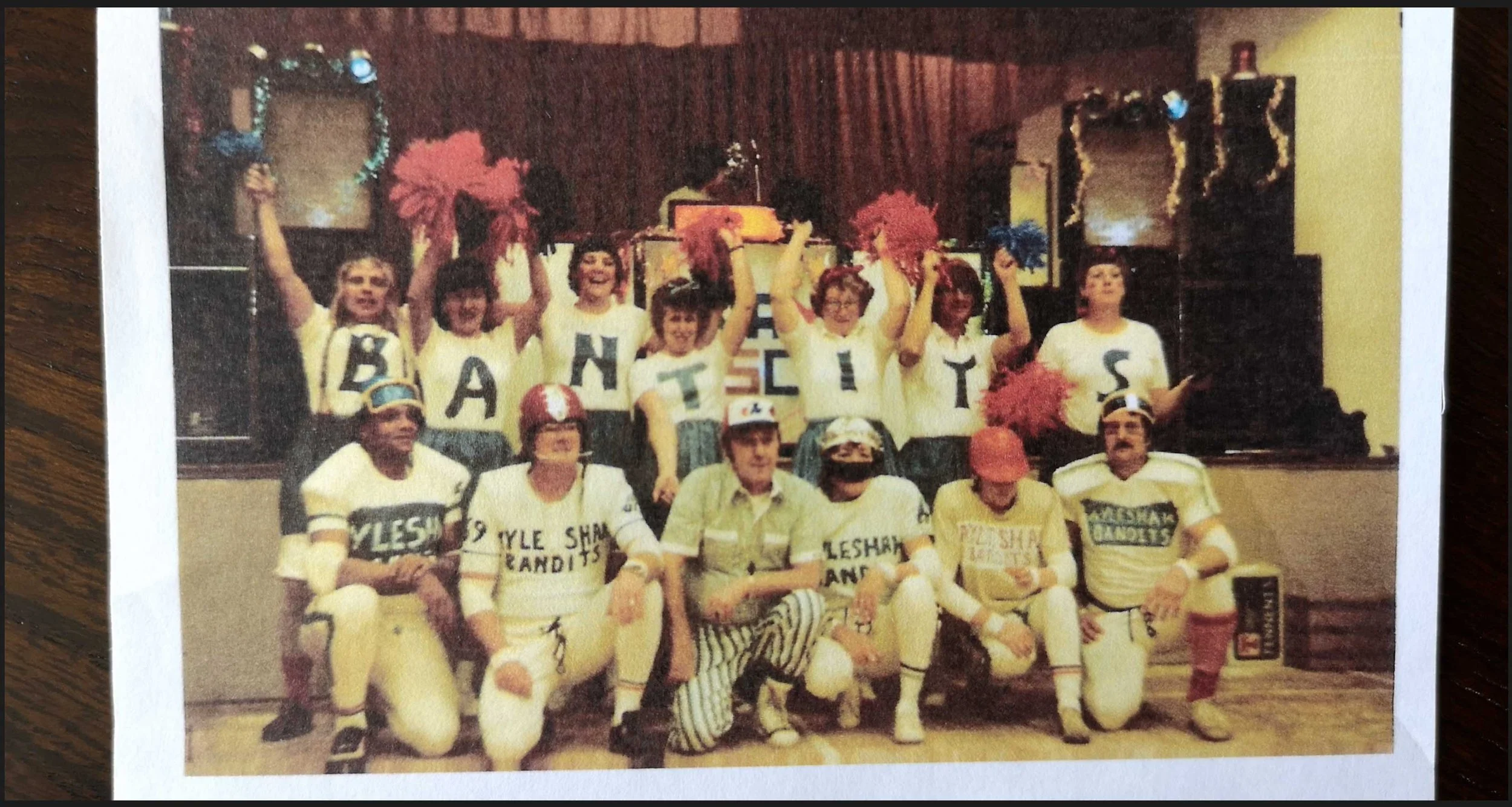
For more than a century, communities across England have used carnivals, fêtes and local celebrations to mark the rhythms of village life.
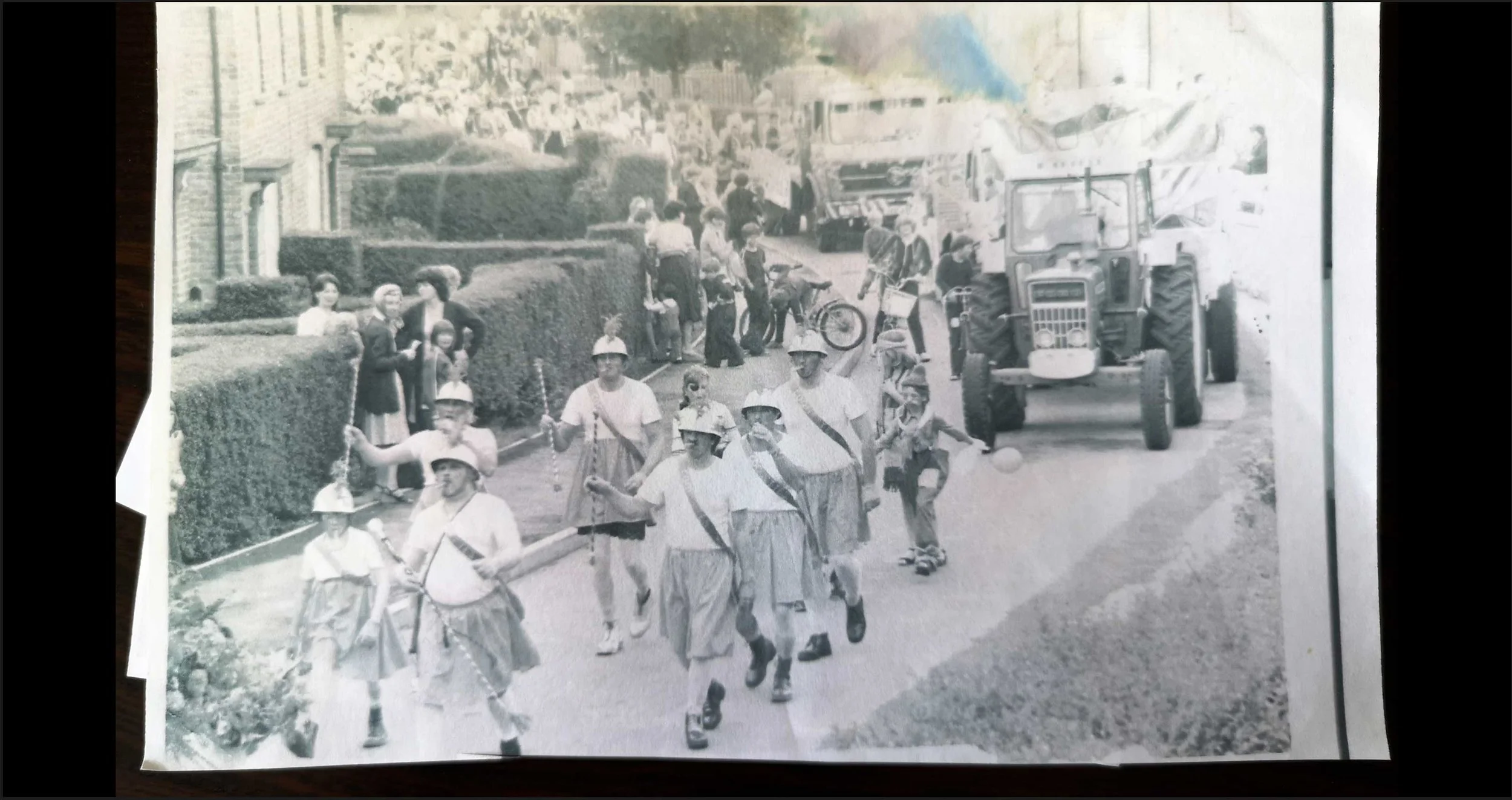
In Aylesham, a former coal-mining village in Kent, the tradition has become something more: a living thread connecting generations of women, a reminder of the village’s industrial past and, increasingly, an act of collective preservation.
It is this world that Folkestone artist and filmmaker Nina Shen has spent four years documenting.
Her resulting trilogy of documentaries forms the centrepiece of Reel England: Class, Power and Beauty, an exhibition at CT20 Projects in Folkestone.
The three films - Aylesham Remembered by Sheila, The Court of Aylesham and Kerry’s World - approach the village from different generations and perspectives but together build a portrait of a community undergoing rapid change.
Nina’s starting point was not the carnival itself but Aylesham’s mining history.
Developed in the 1920s as a mining village, Aylesham became closely associated with the coal industry and later with the stoic resistance of the 1984-85 Miners’ Strike. Women played a significant role in sustaining communities during the strike, organising support and helping families withstand the prolonged dispute.
“I was allowed to bear witness to a group of people who had helped to shape a community, and how they have been shaped by it…”
For Nina, the history was intriguing partly because it is not widely known outside the area.
“I was actually initially fascinated with the mining heritage in Aylesham because it’s quite unusual,” she says. “A lot of people I spoke to were very, very surprised to discover that there was actually a mine, a coal mine, actually in Aylesham.”
Her interest eventually led her to the Aylesham Carnival Association. The carnival had stopped during the Covid pandemic and returned in 2021, when Nina began filming. Her first encounter was memorable for all the wrong reasons: the carnival was almost cancelled by torrential rain, which damaged her equipment.
“The whole carnival almost got cancelled because it was such horrible weather,” she recalls. “It was quite a remarkable storm.”
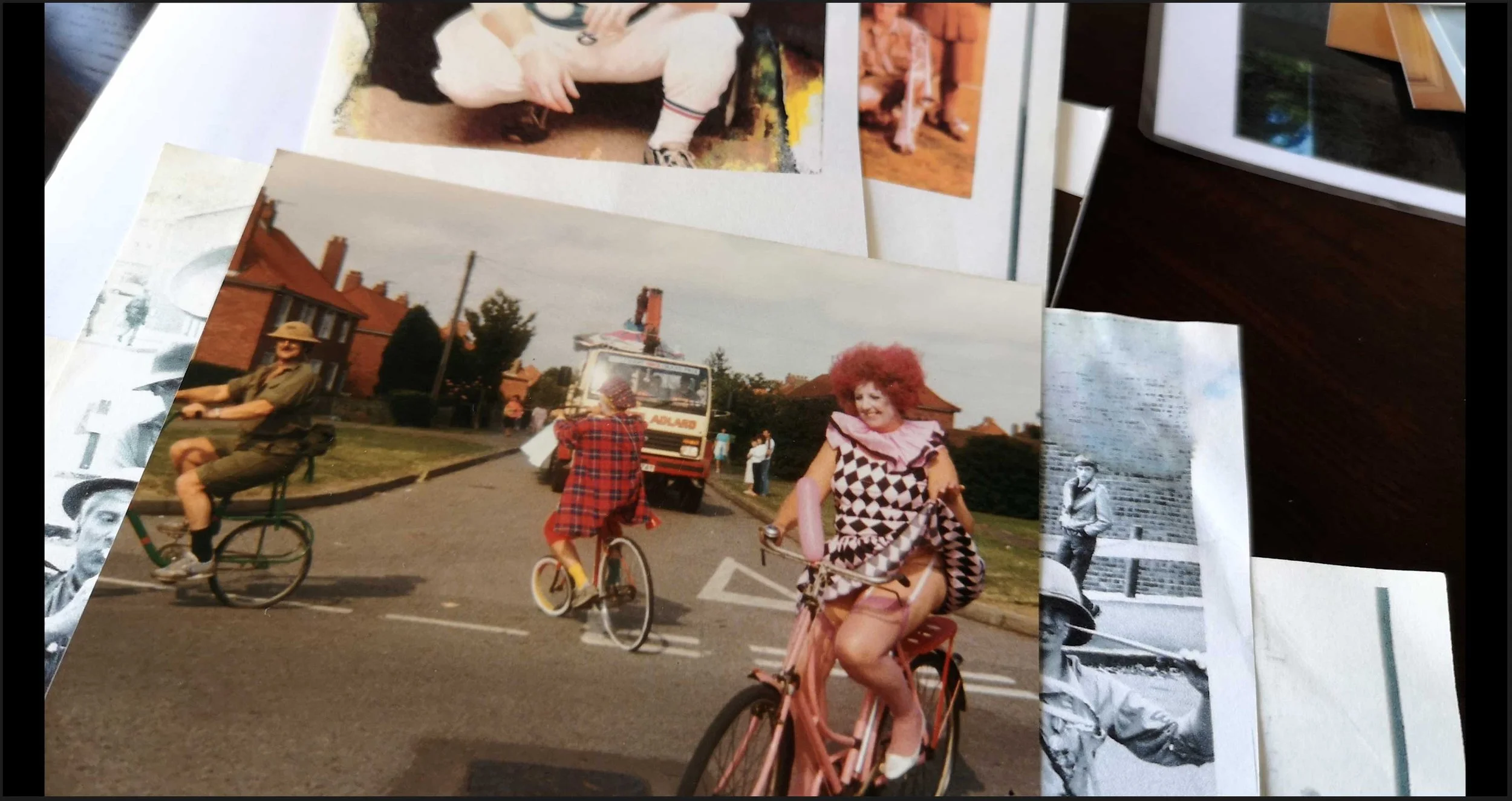
Yet the event went ahead, with the steel band playing through the rain. It was an early glimpse of the persistence that would become central to her films.
Aylesham’s mining heritage is not simply a historical backdrop. For Nina, it provides a way of understanding the social bonds that have survived after the pit’s disappeared.
She describes arriving in the village as encountering a place “on the cusp of change”. Today, that change is particularly visible as major housing development expands the population and alters the character of the community.
Across four years, Nina began to see the carnival as more than an annual spectacle. It was, she says, “the glue that holds the heart of the working-class community” and one of the last remaining institutions connecting the village’s multiple generations.
“I was allowed to bear witness to a group of people who had helped to shape a community, and how they have been shaped by it,” she says.
That access was not automatic. Nina acknowledges she was initially viewed with some suspicion, but she sought permission through the carnival committee and gradually became a familiar presence. “After a while, I just became part of the furniture,” she says. “You know, just this camera woman who hangs around.”
That long-term relationship is crucial to the trilogy. Rather than treating Aylesham as an object of observation, Nina’s films emerge from sustained contact with the people she films.
Three films, three generations
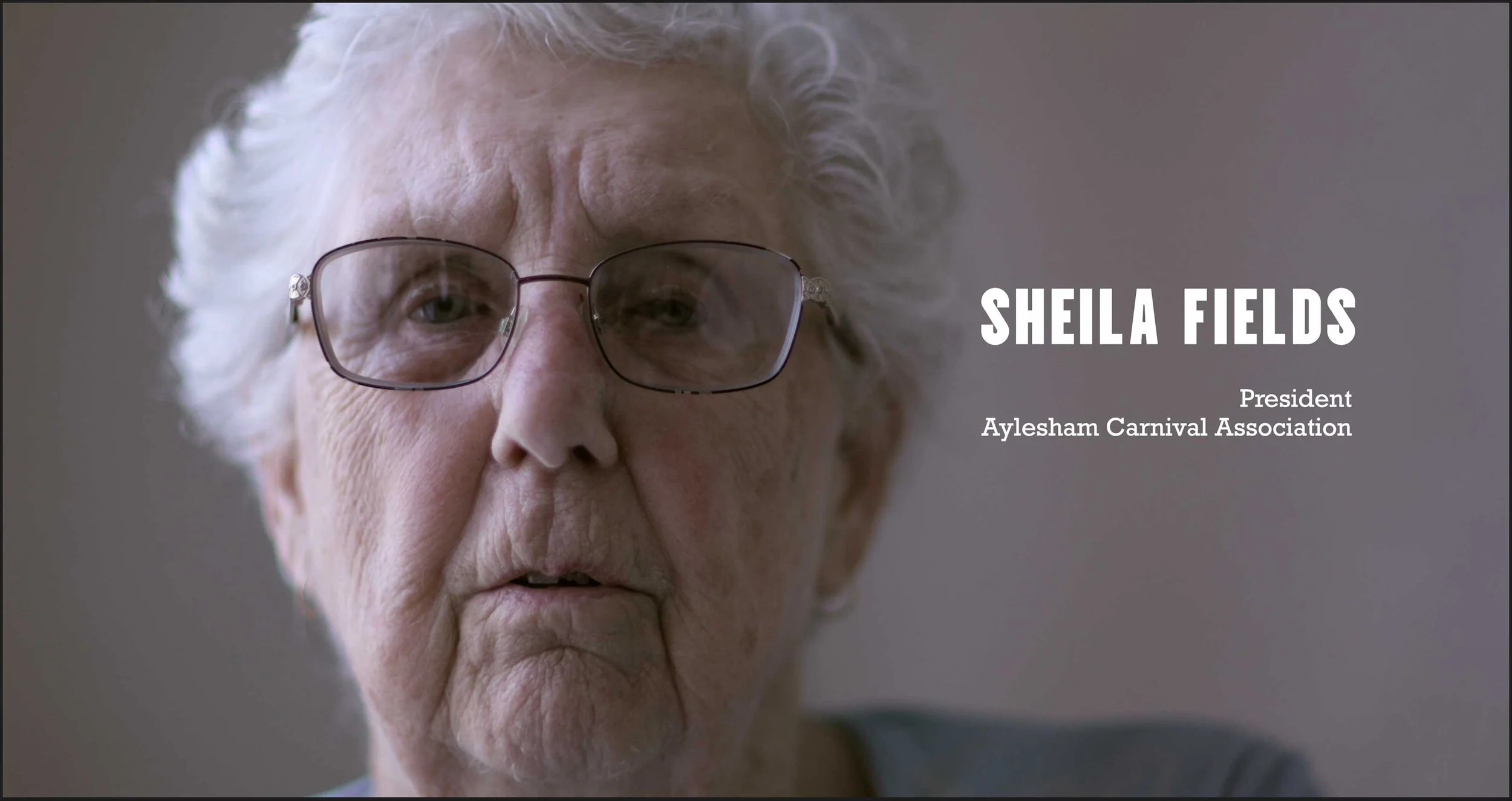
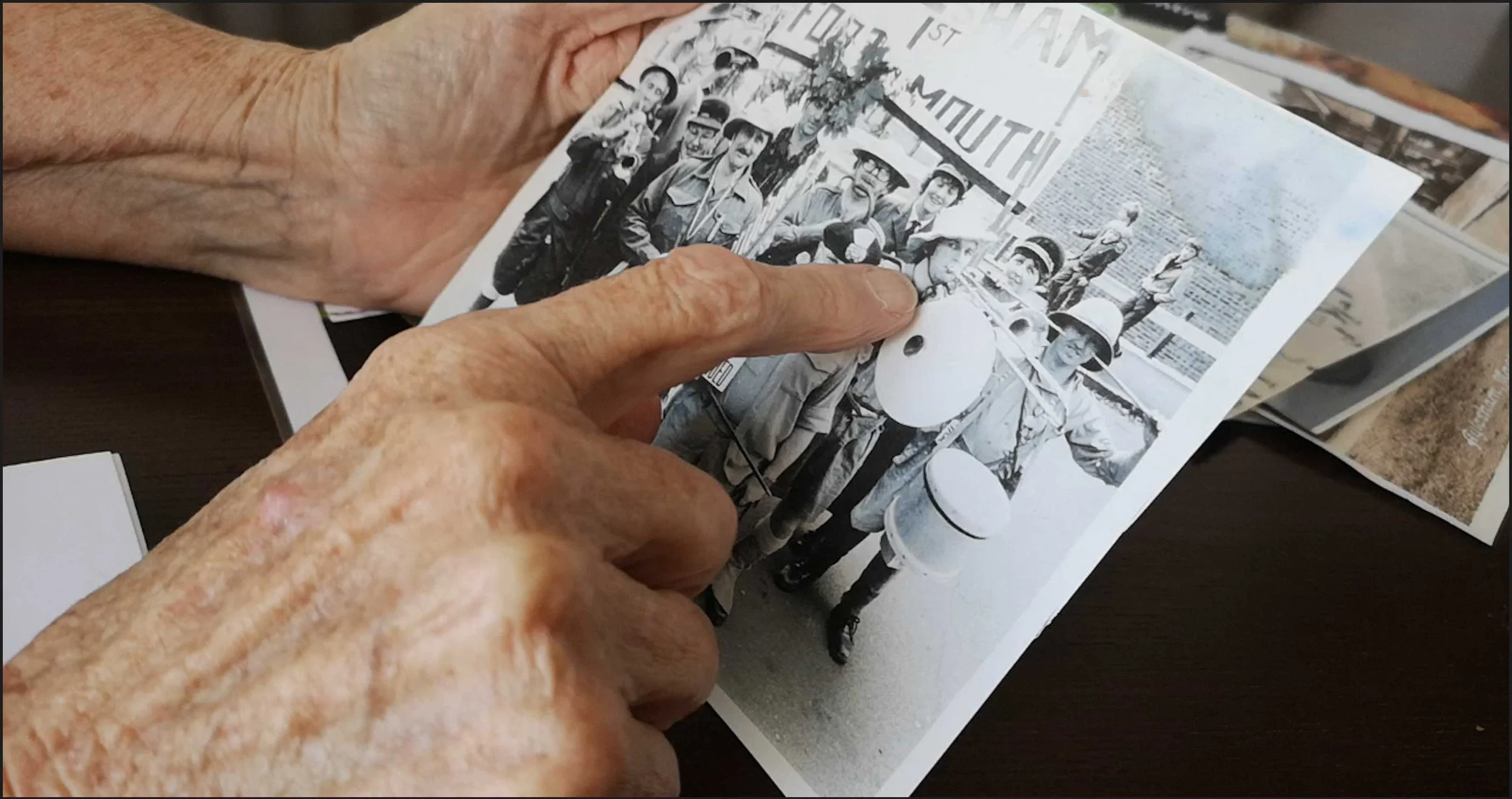
The first film, Aylesham Remembered by Sheila, centres on Sheila, now in her eighties. The daughter of a miner and one of the women involved in restarting the carnival, Sheila represents a direct link to Aylesham’s mining generation.
Through her recollections, the film moves between childhood, working life, mining culture and the humour and spectacle of the village carnival.
Nina describes Sheila as “wonderful” but also notes a characteristic that runs through the community: an ability to recount hardship without turning it into solemn mythology, instead with humour and a light touch.
The second film, The Court of Aylesham, moves to the younger generation. It follows the girls and young women selected for the carnival court over the course of a year.
The court is a traditional feature of carnivals in parts of Kent. Girls can apply to join, with junior and senior courts and a queen who represents the group. Members attend carnivals and events in other towns and villages, fundraise and act as representatives of their community.
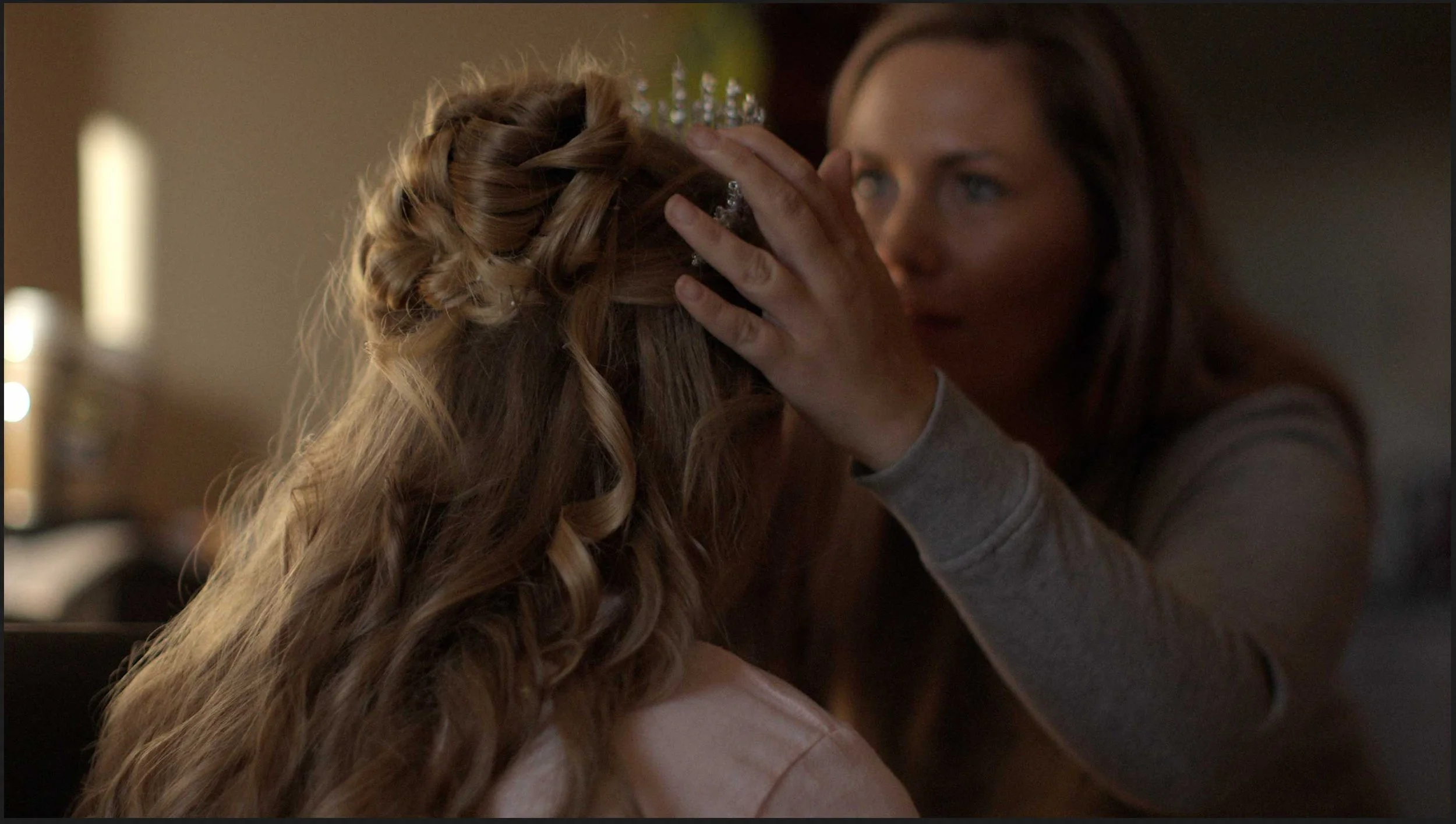
Behind the elaborate dresses and public ceremony is considerable work.
Nina’s camera follows the girls as they prepare, travel and participate in events, revealing the friendships and care that make the tradition possible.
“It’s completely volunteer-led and it’s quite a lot of work,” she says. During the busiest months, members can find themselves attending events almost every weekend.
The film therefore asks what it takes to maintain a tradition that can appear effortless from the outside.
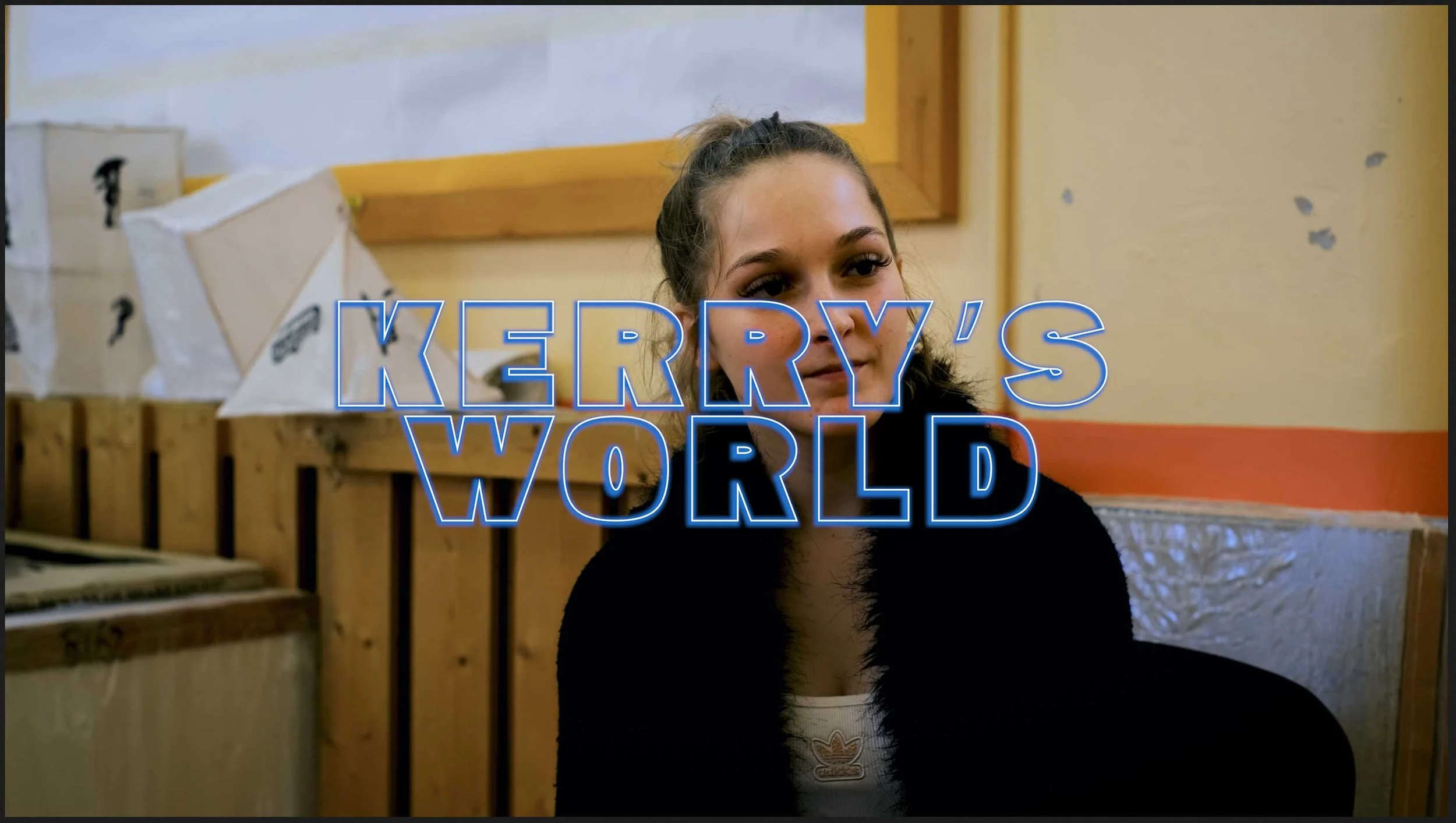
The third film, Kerry’s World, follows a former carnival queen whose life has moved from pageantry into bodybuilding. Her story provides another perspective on what the carnival can give young women: confidence, friendship and a sense of identity that can travel beyond the village.
“The town can feel like a little bit of a safety net,” she says, while describing the carnival as something that can help young people “grow their confidence and get to leave the town”.
The films also document an uncomfortable reality: the carnival’s future is not guaranteed. Like many volunteer-run traditions, Aylesham’s carnival depends on a relatively small number of people willing to give their time. Changing populations, ageing generations, regulation and questions about audiences all put pressure on the institution.
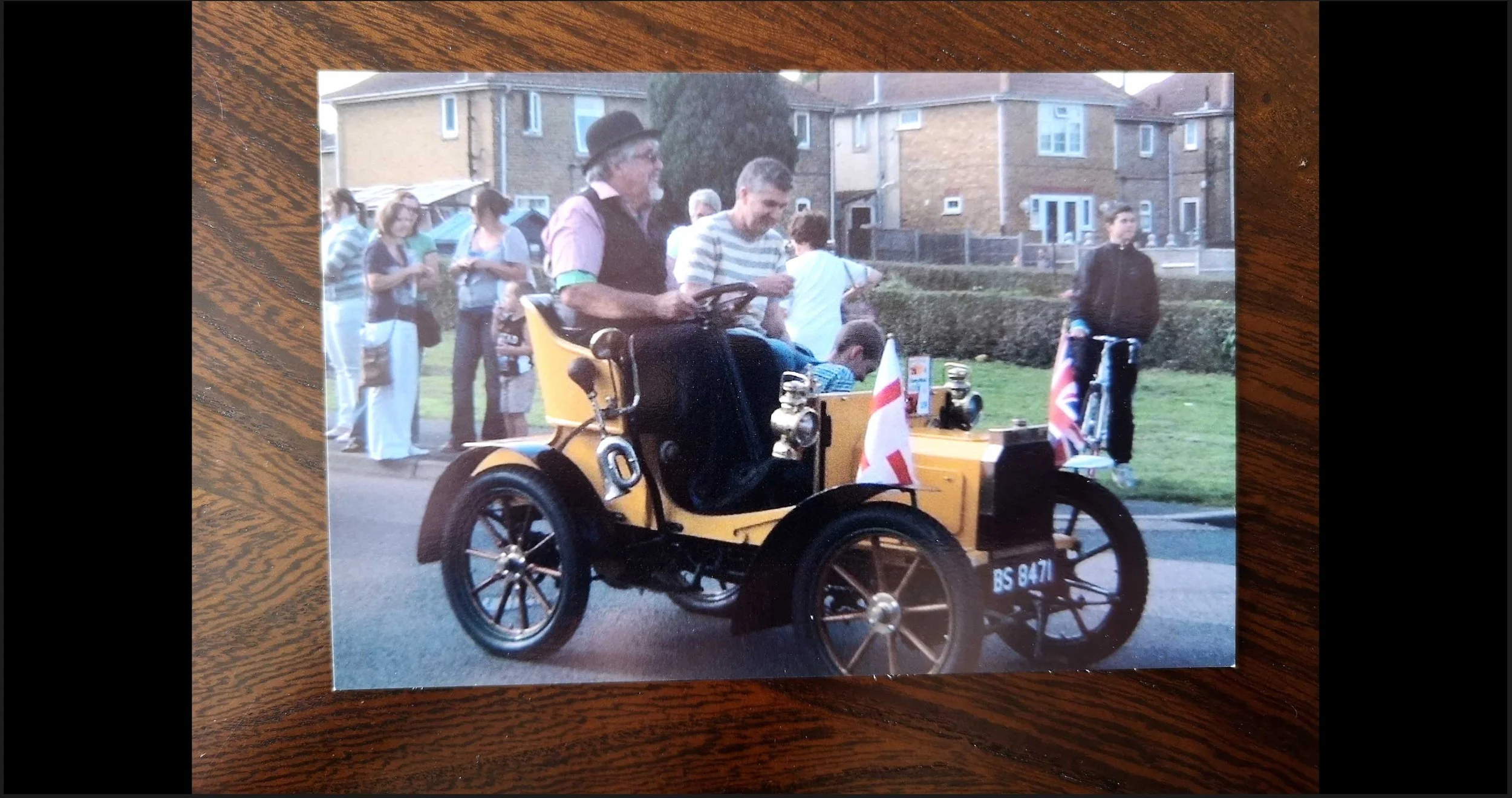
“It’s very, very fragile, really,” Nina says. As new housing changes the population, the challenge is not necessarily to resist change altogether. Instead, Nina sees the community negotiating how much of its heritage can survive while the village evolves.
But the films are not an attempt to freeze the village in an idealised past. They are a record of people trying to carry something forward.
Nina hopes the trilogy will draw attention to forms of working-class culture that she believes are often overlooked.
“I hope that the films communicate that resilience and a people who are always fighting to achieve something,” she says.
For Nina, Aylesham offers a wider story about communities across England confronting economic and social change while trying to retain a sense of belonging.
“I think in some ways I feel that they’re kind of archetypal of a community that is still struggling but still fighting to survive,” she says.
The carnival, then, becomes more than a procession or an annual celebration. It is a place where generations meet, traditions are carried forward and where a community’s industrial past remains present in its social life.
As Aylesham changes, Nina’s trilogy captures that moment of uncertainty - not as nostalgia but as testimony.
The programme will then be available online from 19th October to 29th November this year and be taken to other festivals in 2027.
INFO: www.ct-20.org


We talk about the 6AM crew, not having a genre and leaving things to the last minute…