SEEING MORE: Margate photographer Chris McAndrew
From Yorkshire pitheads to celebrity portraits

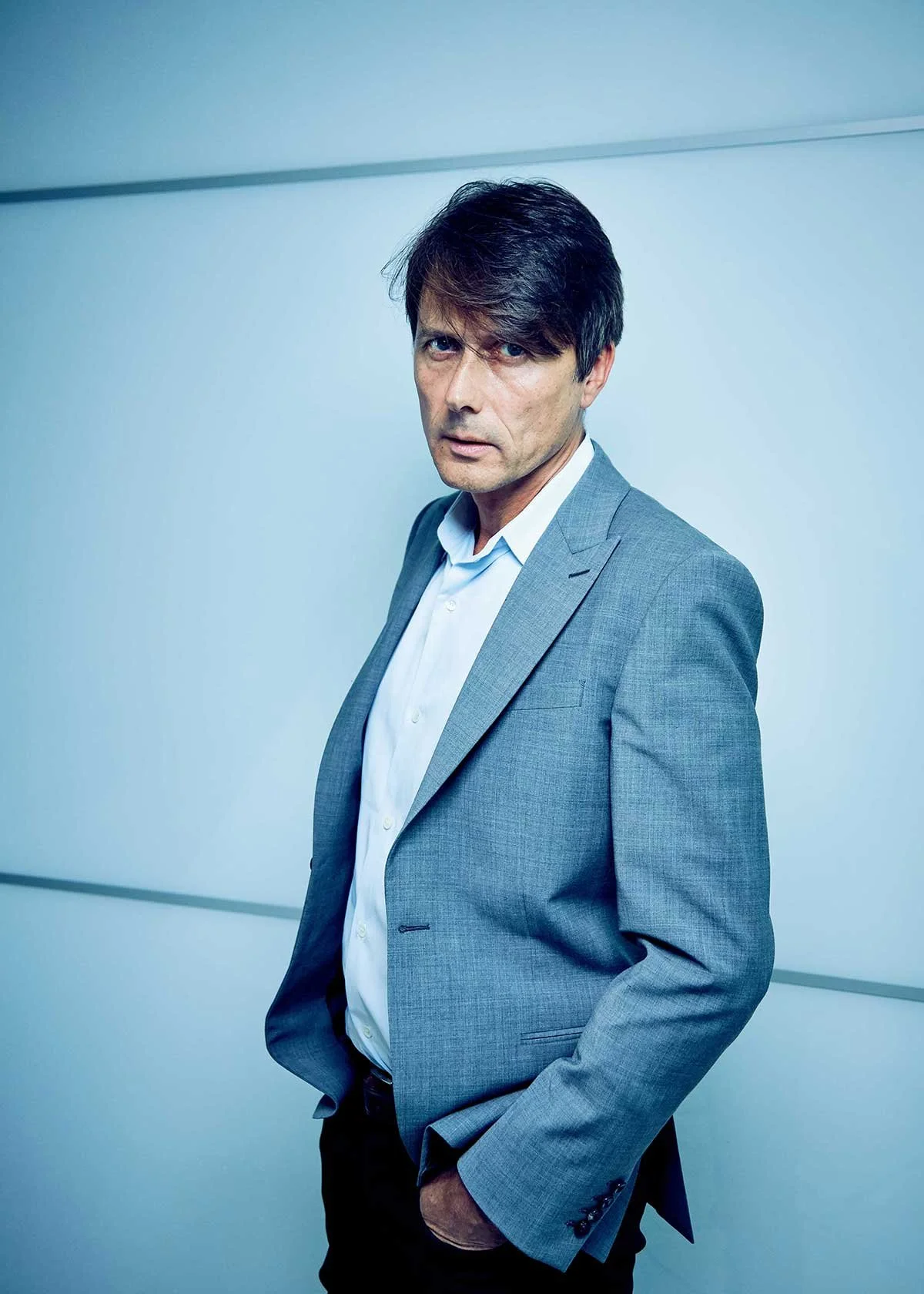
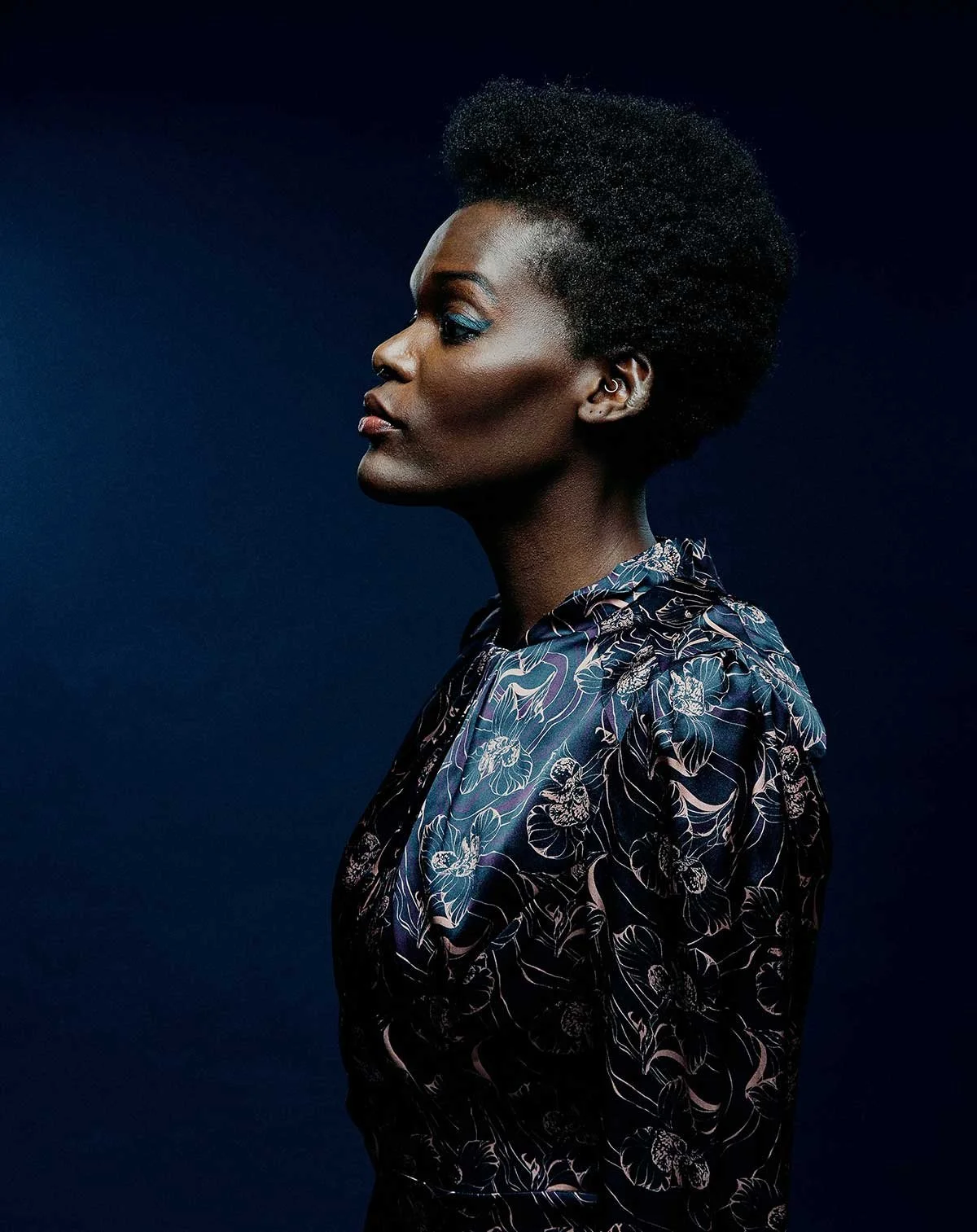
Long before he was photographing internationally famous musicians, actors and cultural icons, Chris McAndrew was a boy wandering the industrial landscapes of Yorkshire with a camera slung over his shoulder.
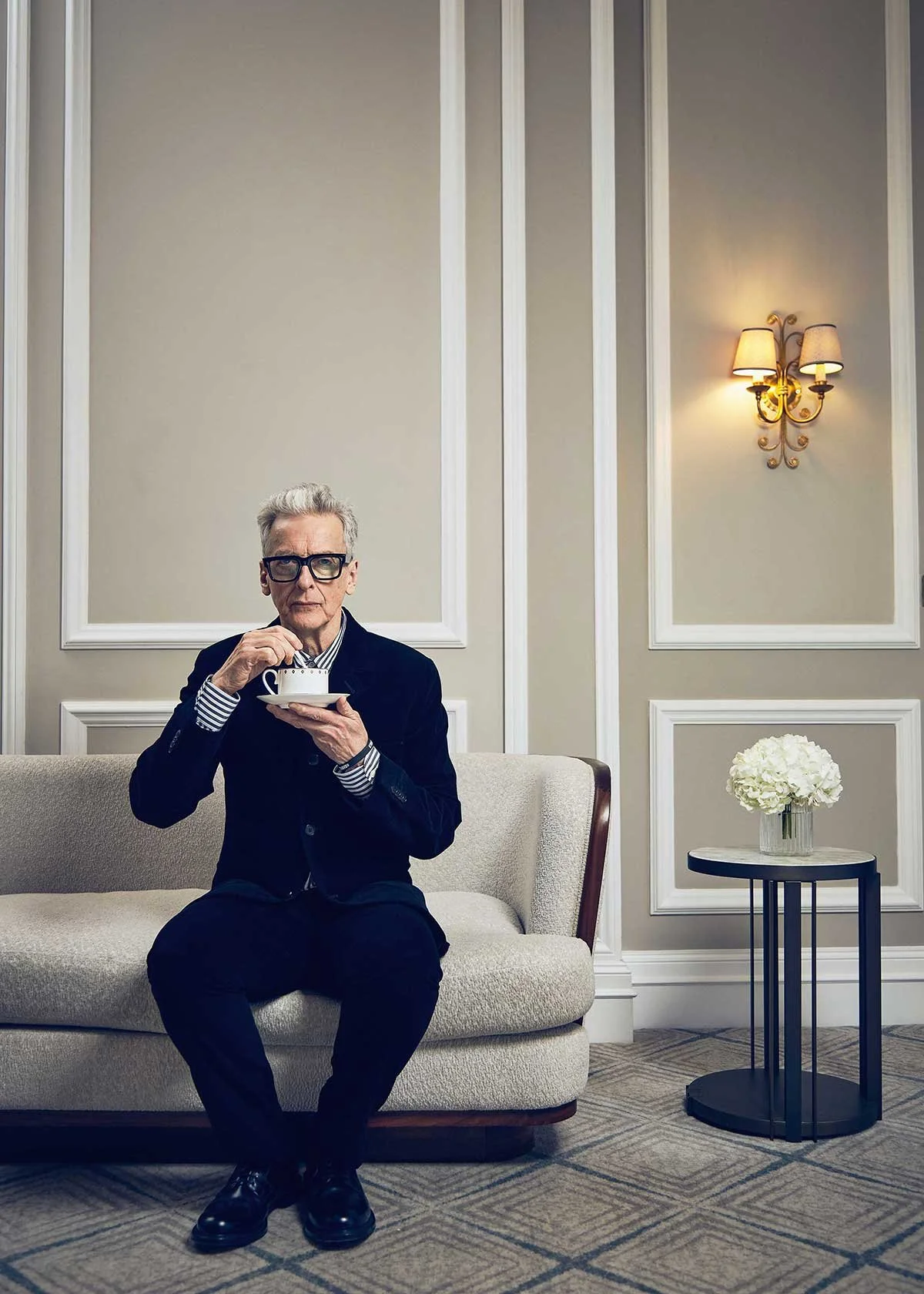
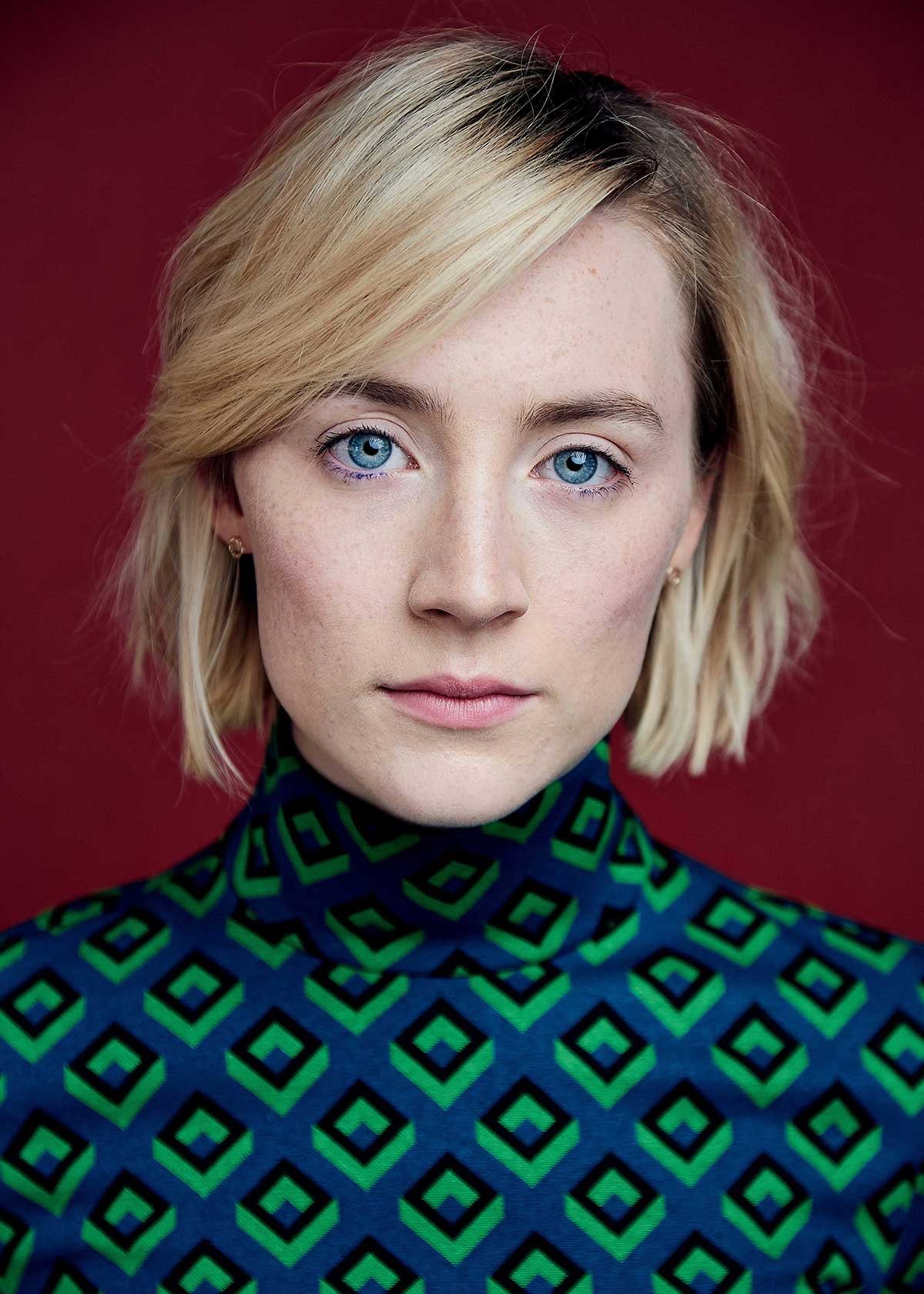
Today, the award-winning portrait photographer is known for capturing everyone from A-list celebrities to emerging talent. His images appear regularly in national publications, record-label campaigns and commercial commissions. But the foundations of his career were laid far from London’s media world, amid the former coalfields of northern England.
“Originating from deep within the Yorkshire Rhubarb Triangle”, as he puts it, Chris bought his first serious camera at the age of 10: a second-hand Minolta X500 from Bradford Camera Exchange with every penny of his pocket money.
Unlike many childhood hobbies, photography never faded.
“I didn’t pick it up and put it down. I was quite obsessed with it,” he recalls. By his early teens, he was already processing his own work. A supportive art teacher transformed a school storage room into a makeshift darkroom, allowing students to experiment with developing and printing photographs.
“By the time I was 12 or 13, I was printing and developing my own black-and-white stuff,” he says.
What set Chris apart wasn’t simply his technical curiosity. Even as a teenager, he was searching for stories.
Growing up in post-industrial Yorkshire, he became fascinated by the abandoned collieries and hardware that surrounded him. While many photographers his age might have pointed their cameras at friends or family, Chris spent his weekends exploring the remnants of Britain’s mining industry.
“I used to go and get permission to go into the yards of these old pits and stuff, and go take pictures of all the machinery rusting in the yards.”
The landscapes carried personal significance. “This is post-Thatcher. That was part of my upbringing. All those pits were very close to where I lived and a lot of my friends’ parents worked in that industry."
Looking back, he recognises that his interests extended beyond simply documenting what he saw.
“It was all going into my work at the time,” he says. “I found loads of old sketchbooks when I was probably 15 or 16, which were full of photos and drawings and notes. I’d forgotten I was that obsessive.”
He would disappear for entire days with a camera, later extending his range after learning to drive. “I borrowed my mum’s car and I used to just disappear off.”
“Everybody wanted those pictures, and everybody used those pictures”
That early fascination with narrative and meaning would eventually become one of the defining characteristics of his portraiture.
He was drawn south by a place at Chelsea School of Art to study fine art painting, but photography quickly began to eclipse painting as his preferred form of expression. His degree show ended up being largely photographic, signalling the direction his future career would take.
After graduating, Chris worked at a picture agency, balancing retouching work with assisting established photographers and pursuing his own commissions. Eventually the juggling act became unsustainable.
“They allowed me to go part-time at the place of work before it became a bit of a problem,” he says with a laugh. “Eventually you have to take the plunge, and I did take the plunge.”
His first major assignment was a portrait of a pre-television Gordon Ramsay for the Scottish Sunday Herald magazine. Lacking professional equipment, Chris borrowed his boss’s Hasselblad camera and spent the night before the shoot practising how to load the film.
The magazine had a clear brief: position Ramsay on one side of the frame to allow room for text.
“So I did all the shots like that,” he says. “But I’d forgotten that when you look through the viewfinder, it’s mirrored.” Every frame was reversed.
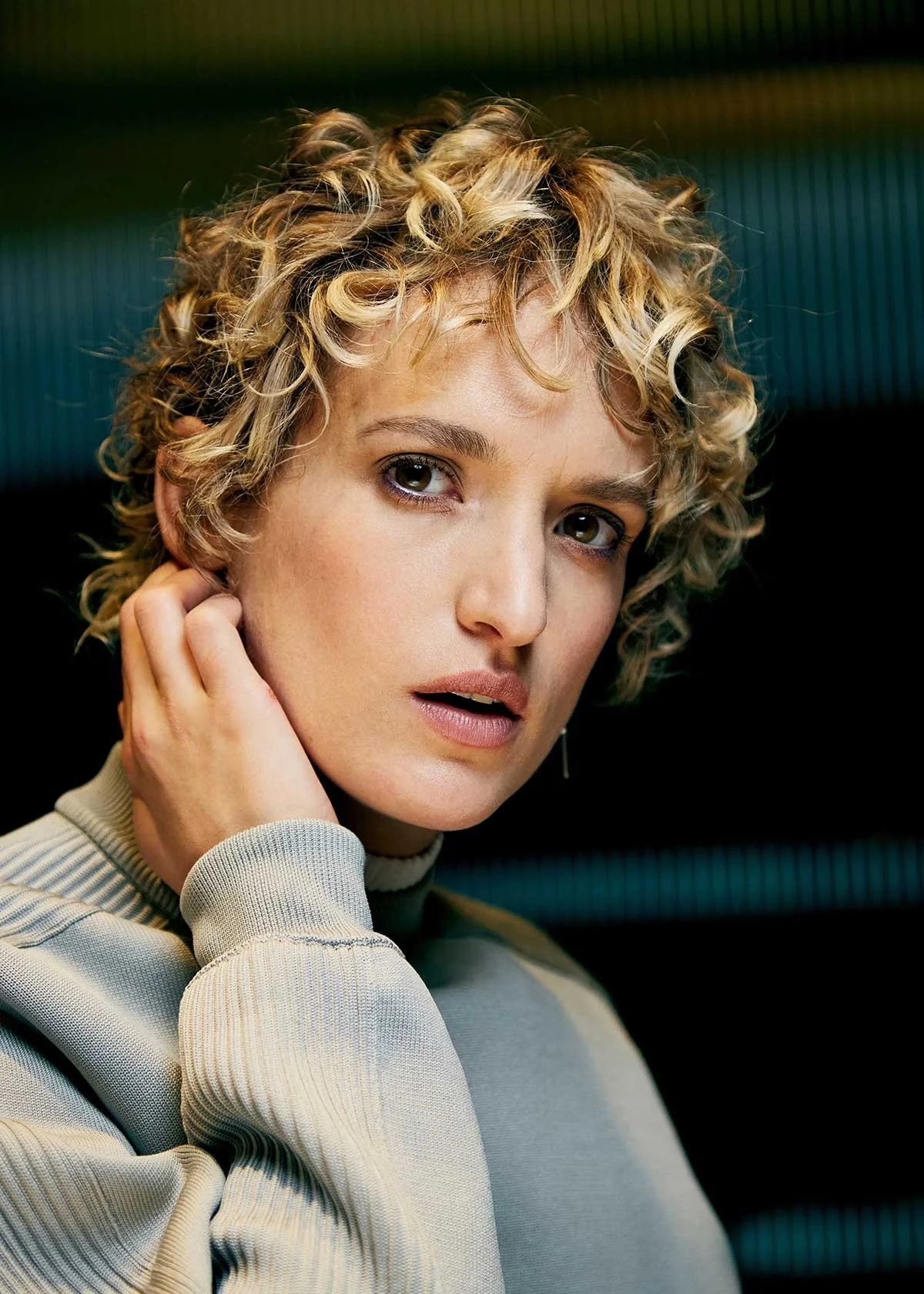
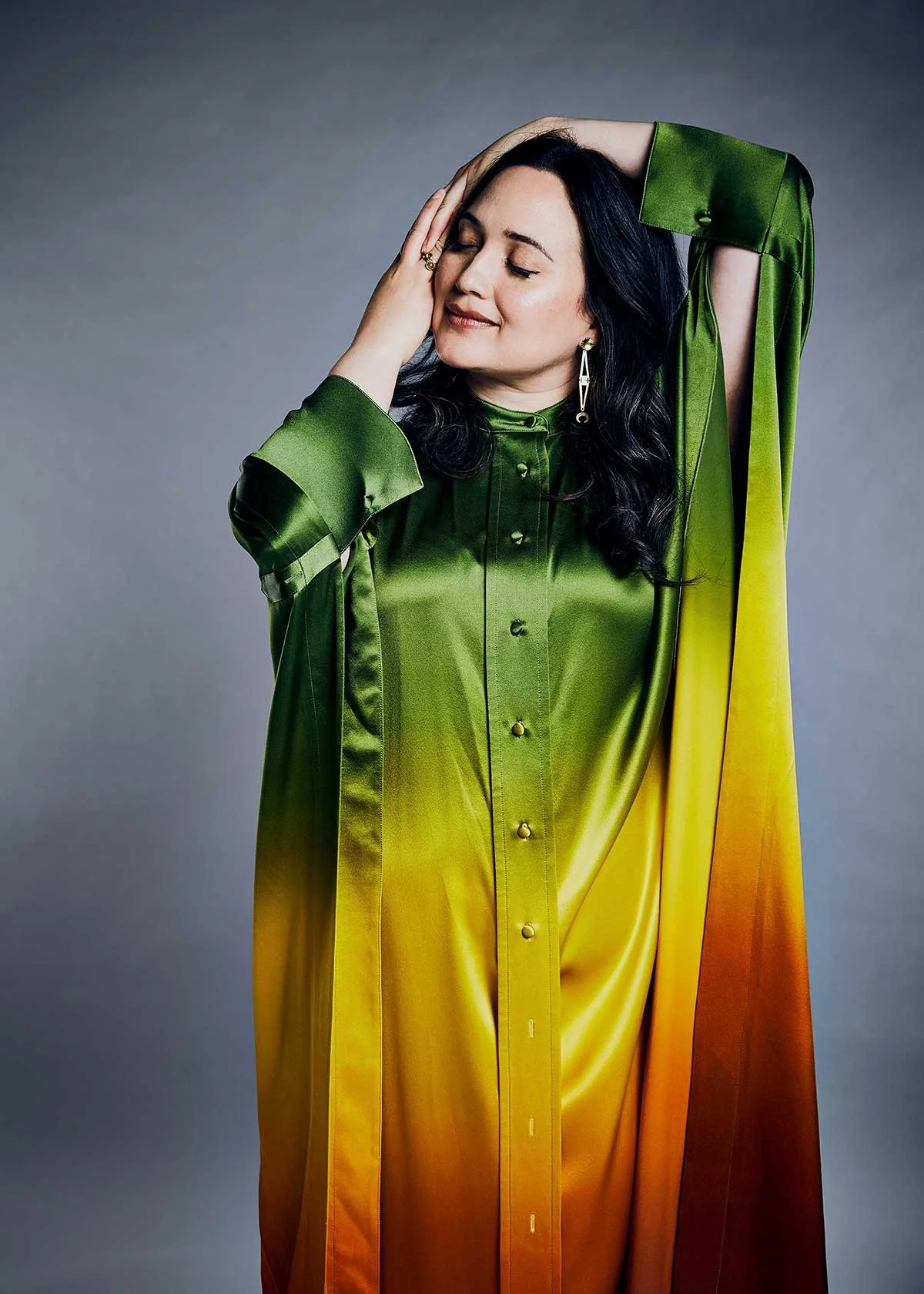
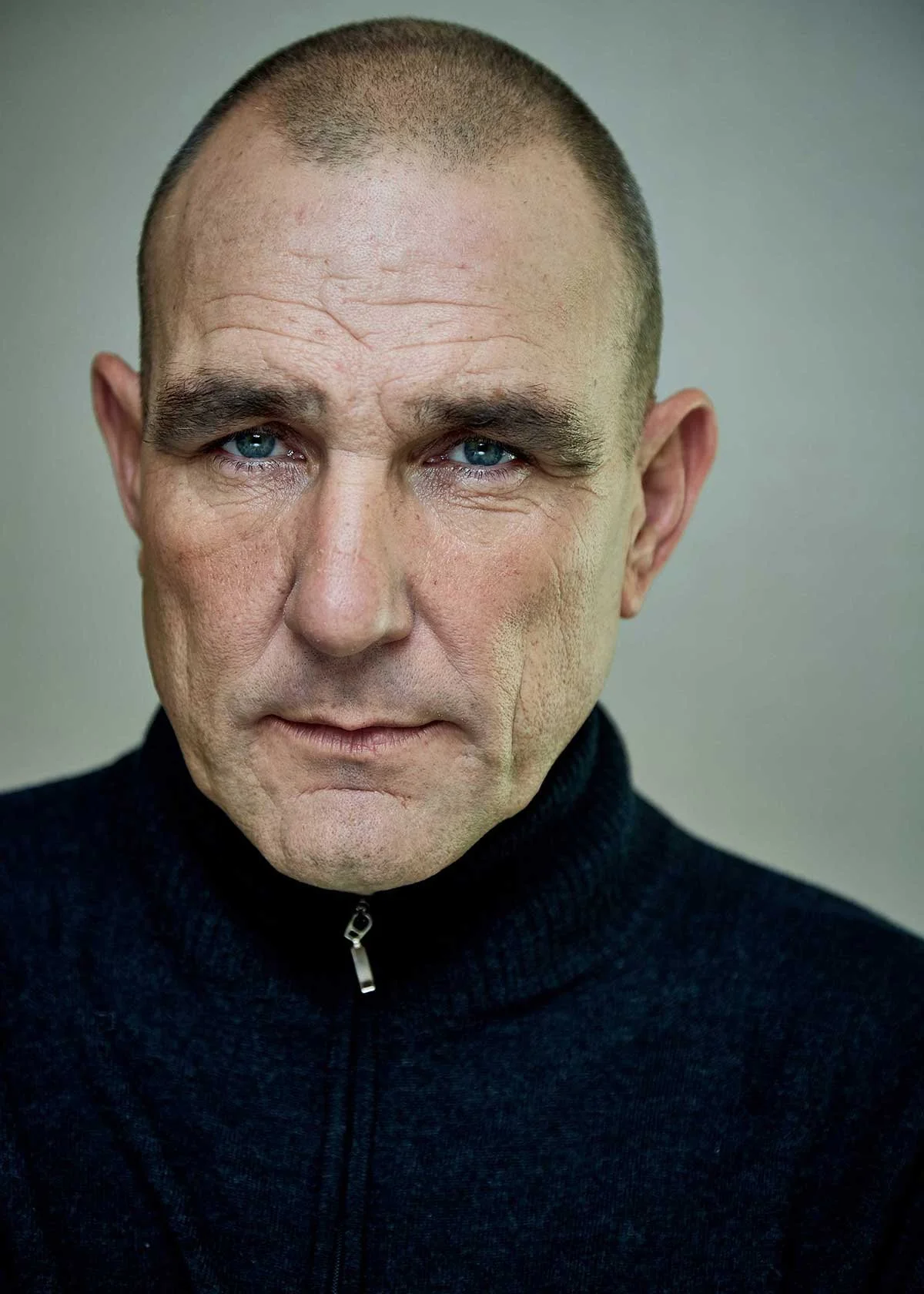
“I remember getting the contact sheets back from the lab and looking at them, and they were all the wrong way round, and I was like ‘Oh f***ing hell!’.”
The publication managed to salvage the images by flipping them, but the experience taught an important lesson. “You learn the hard way sometimes when you’re sort of winging it, really,” he says. “But if you say no, you’ll never do it.”
Over the years, Chris became known for portraiture, a discipline he believes is often misunderstood. While technical skill matters, he argues that photography is ultimately about human connection.
“A lot of it is getting on with people,” he says. “The bigger the celebrity, the less time you get and the more entourage they have.”
The pressure can be intense. With only minutes to create an image, there is little room for error.
“You’ve got to put them at ease and you’ve got to make them feel like they want to work with you. That’s part of the job.” His secret is remarkably simple.
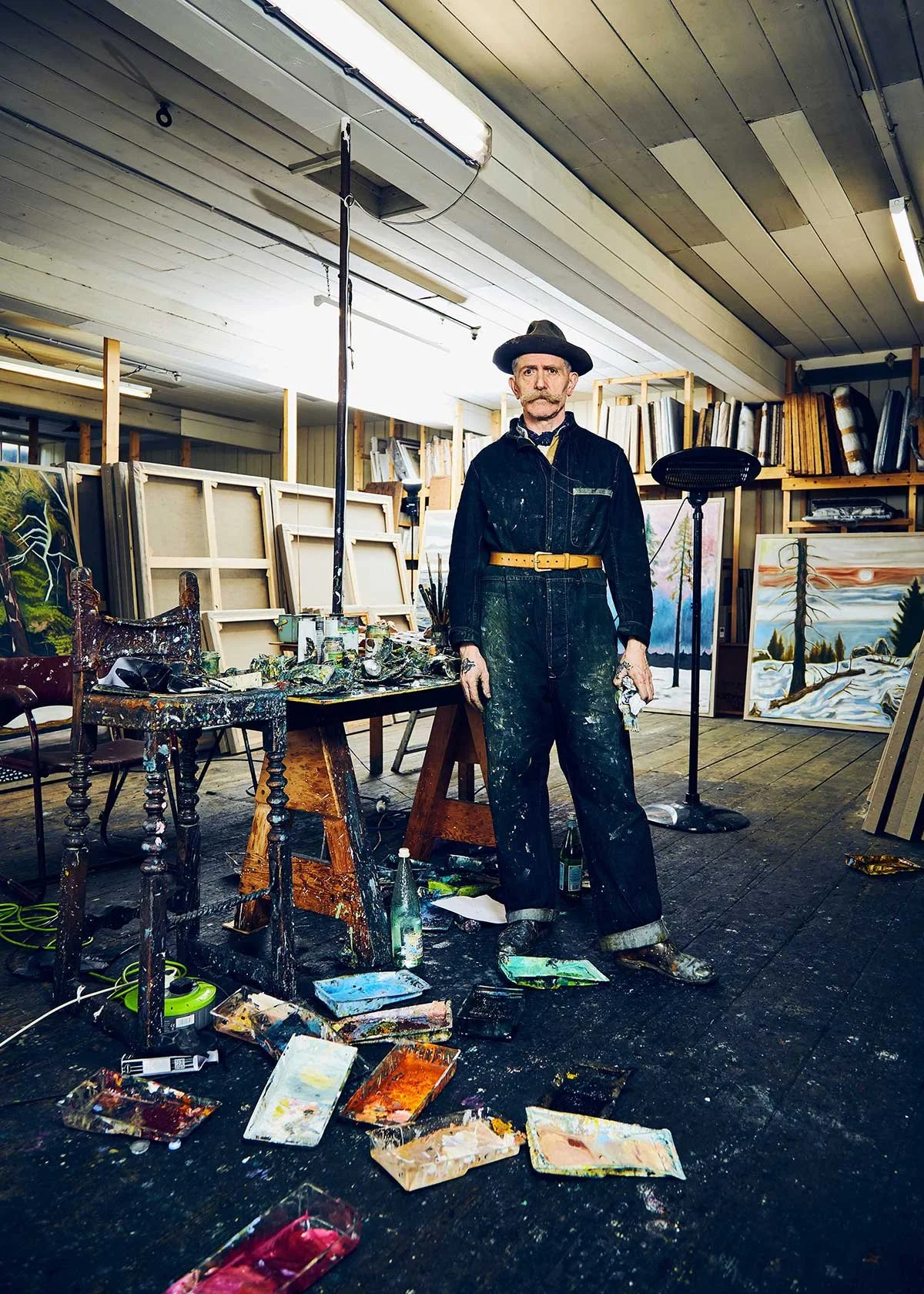
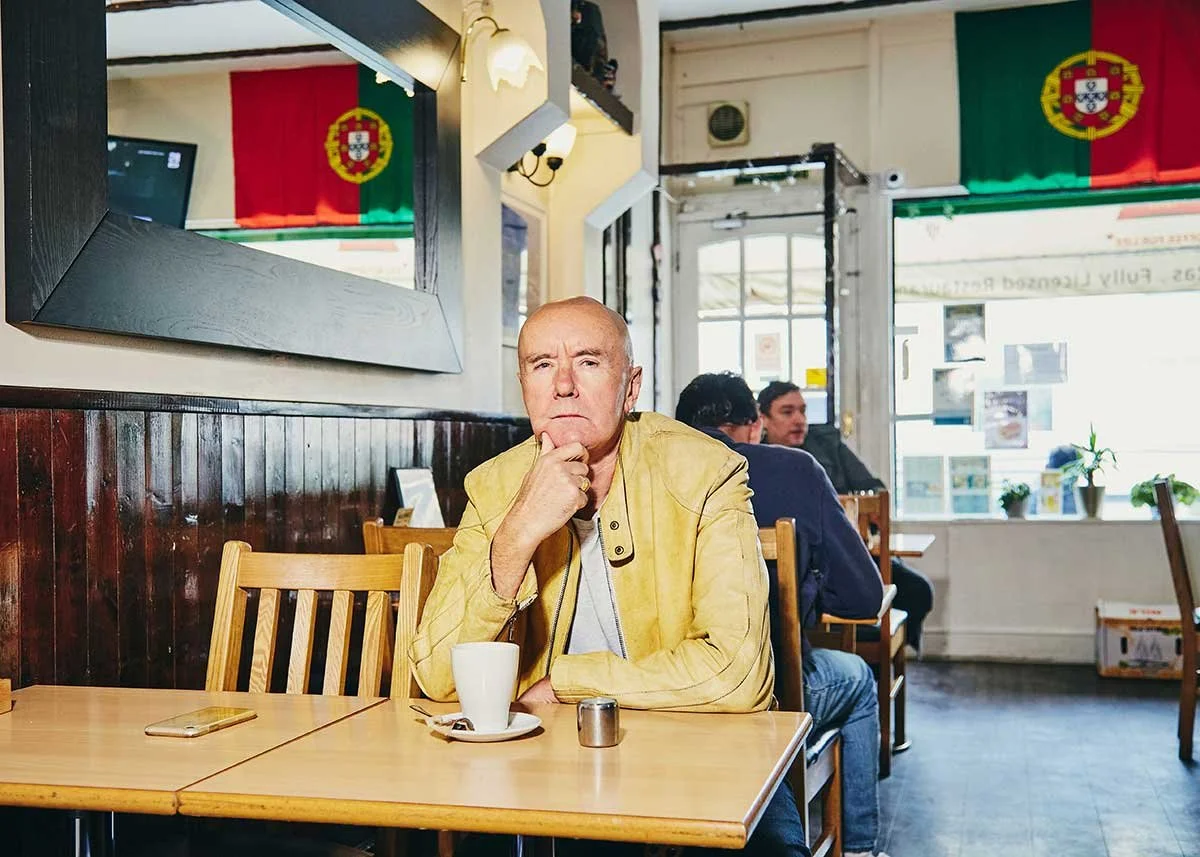
MEDWAY’S BILLY CHILDISH BY CHRIS MCANDREW
“People always say to me that what I do is treat everybody completely normally,” he says. “People find that quite disarming because they’re so used to others fussing around them. I think they quite enjoy it.”
The approach has helped him create some of his most memorable work. One breakthrough came in the early days of Florence + The Machine. Shortly after the band’s debut album was released, Chris travelled with them to Greece for a shoot.
“We were on the same flight, in the same hotel, all paid for by the PR and the music execs,” he recalls.
The resulting photographs exceeded even his own expectations.
“I knew when I came back that I’d got something really quite special.”
The images quickly became associated with Florence Welch during a pivotal stage of her career.
“Everybody wanted those pictures, and everybody used those pictures,” he says. “The record company bought them and they preferred them to the stuff they’d already paid for.”
Another memorable relationship developed with Benedict Cumberbatch. Chris photographed the actor early in his career and then again years later after global fame had transformed his life. During the second shoot, Chris reminded him of their first meeting.
“I said, last time we were together, it was just me and you, and you offered me lunch.” To his surprise, Cumberbatch remembered. “He goes ‘Yeah, I remember it. I remember the whole thing’.”
The contrast was striking. Their original session had been an intimate encounter over lunch in a Soho hotel. This time, they were surrounded by an entourage.
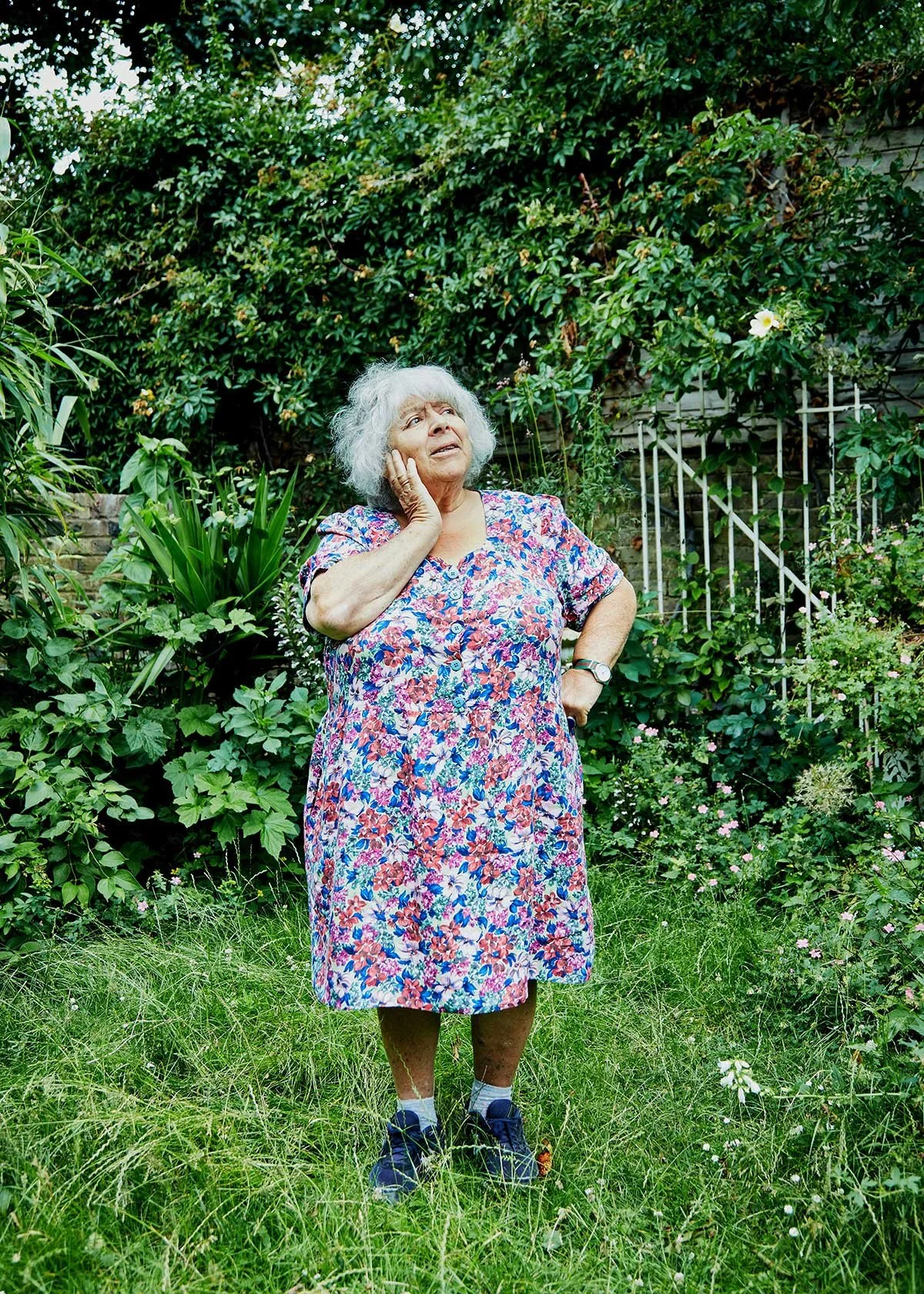
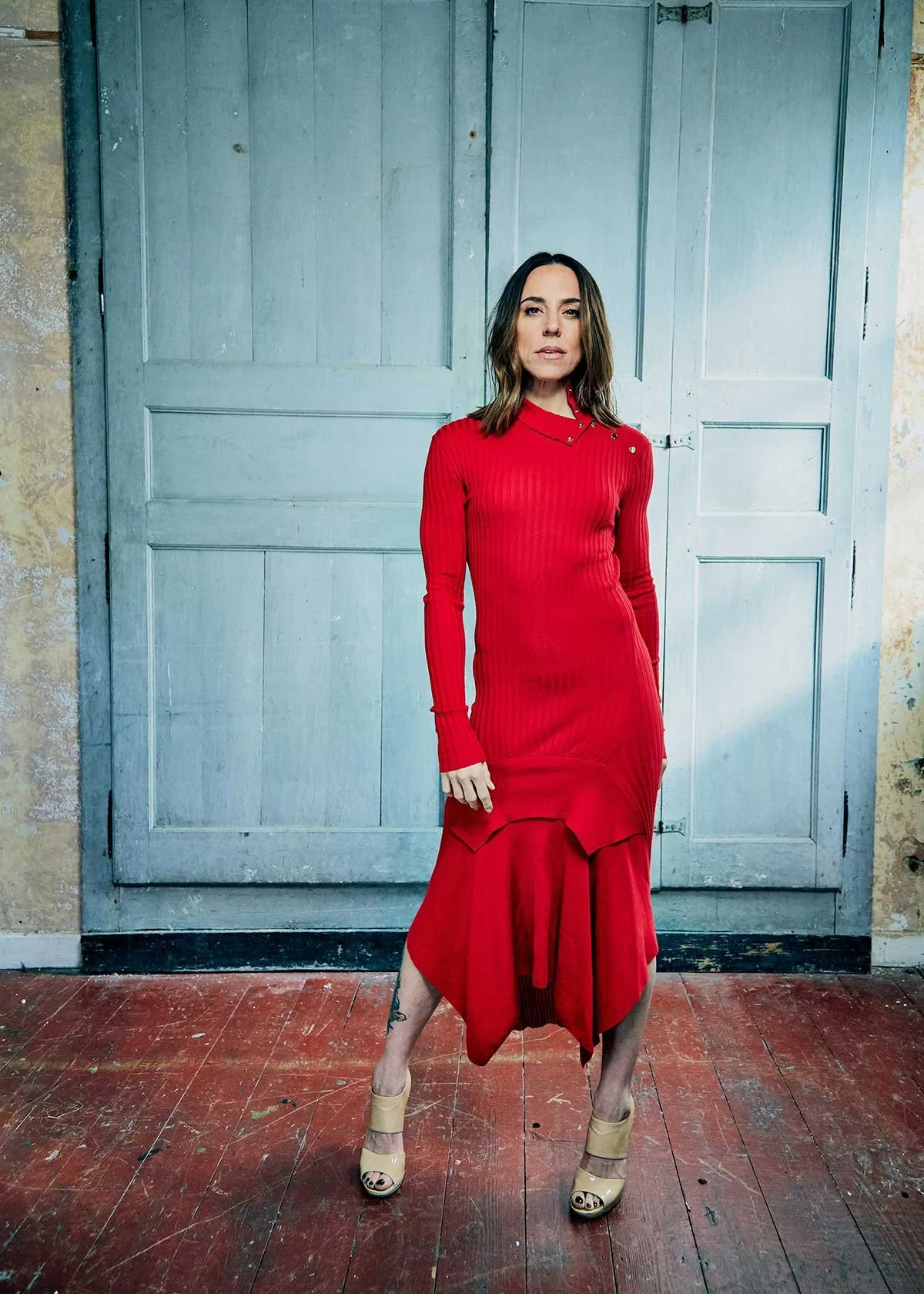
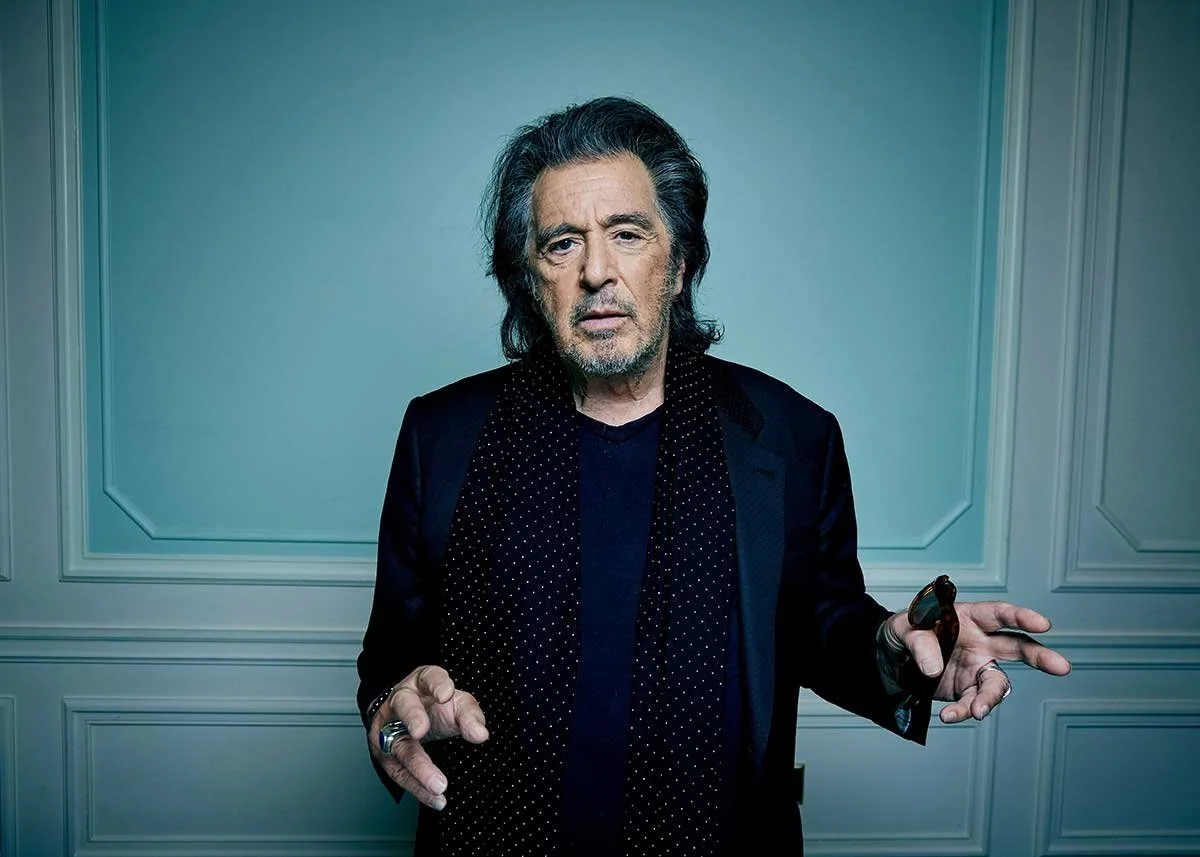
“I said to him, last time there wasn’t all these people in this room with us. He nodded and said ‘Yep’.”
One of Chris’s most surreal assignments involved Snoop Dogg in Amsterdam.
“He had a whole floor of a hotel,” Chris remembers. “You had to have the key to get up to the level in the hotel.”
When the lift doors opened, the atmosphere was unforgettable. “It was literally like a fog.” You can imagine why.
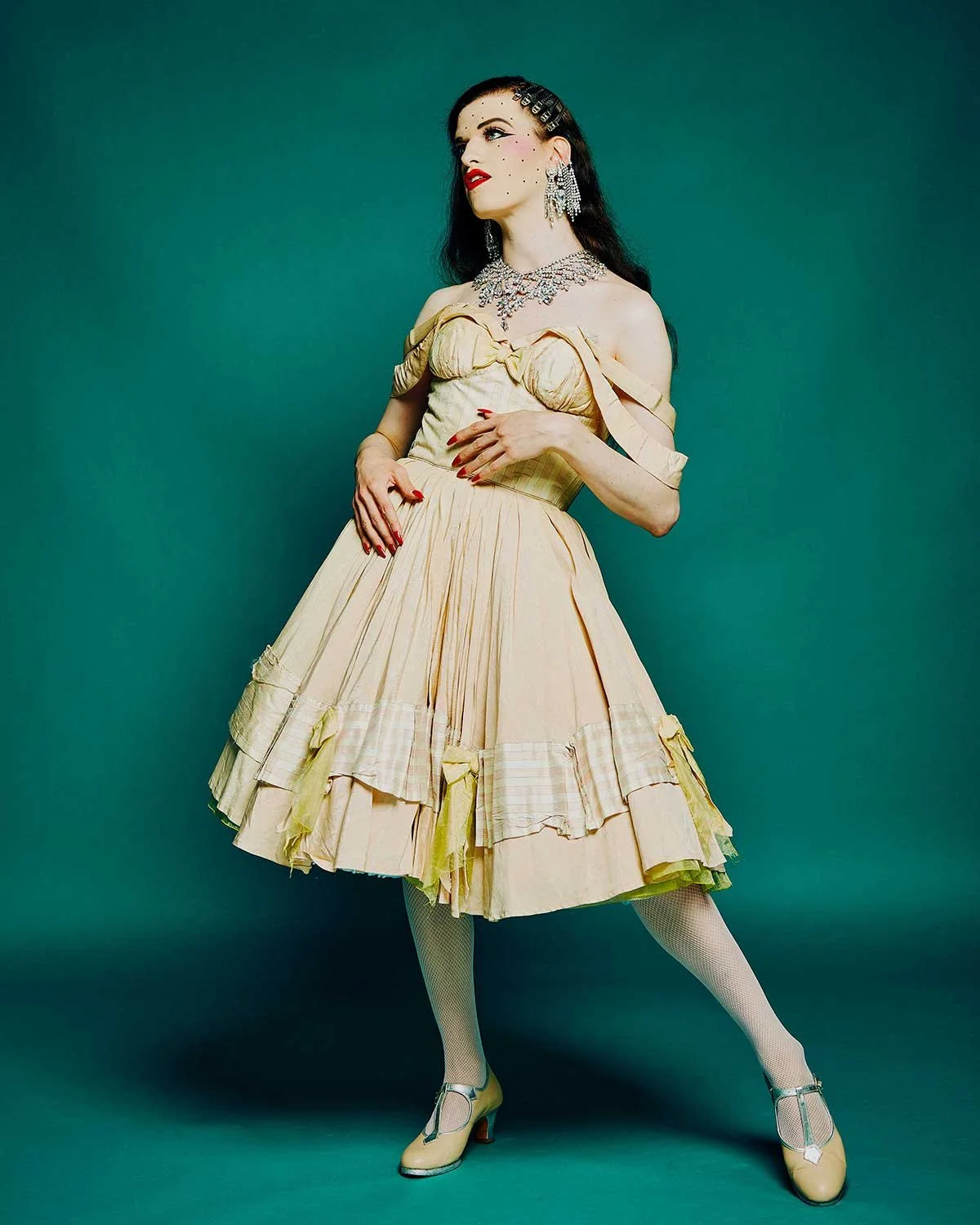
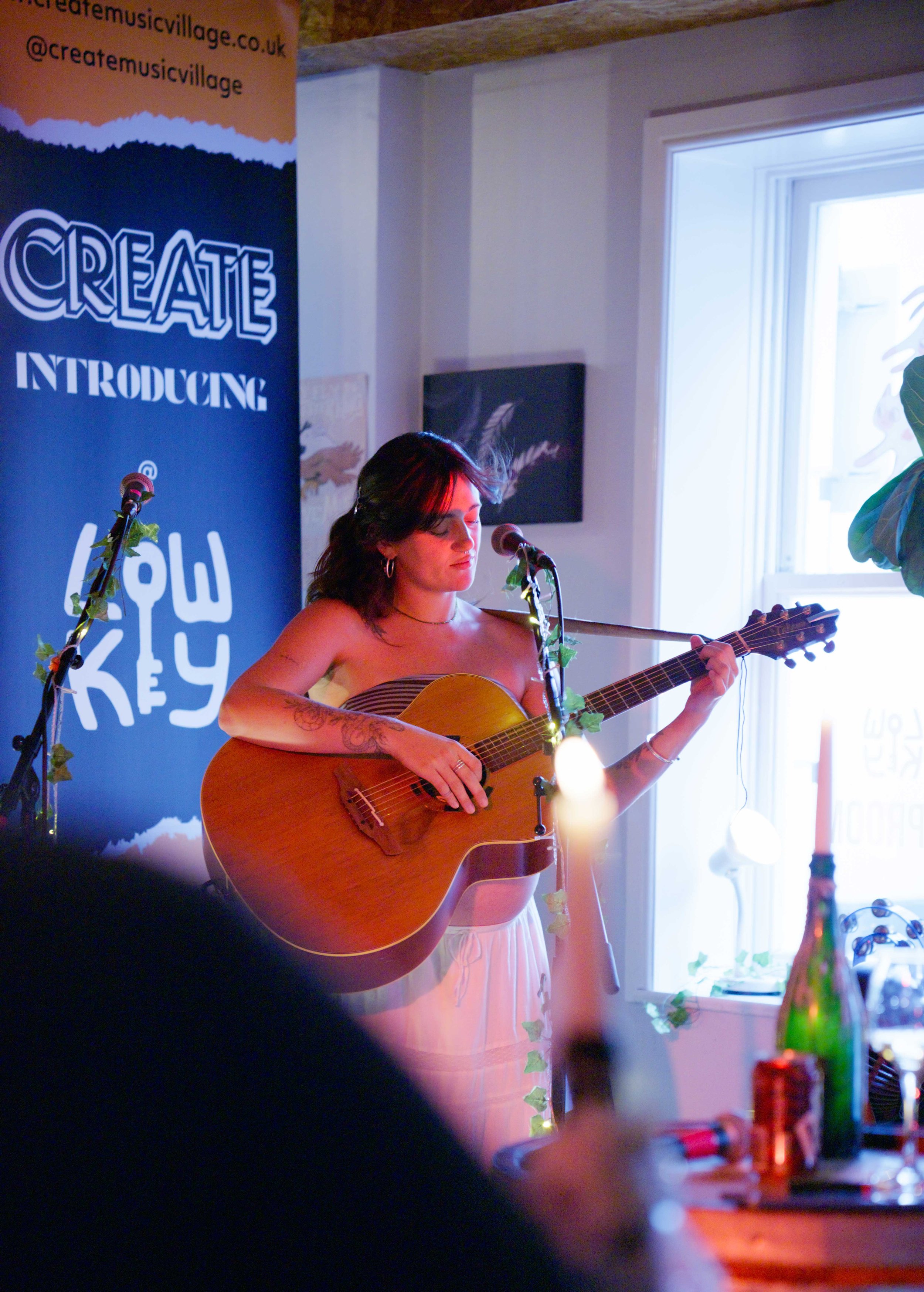
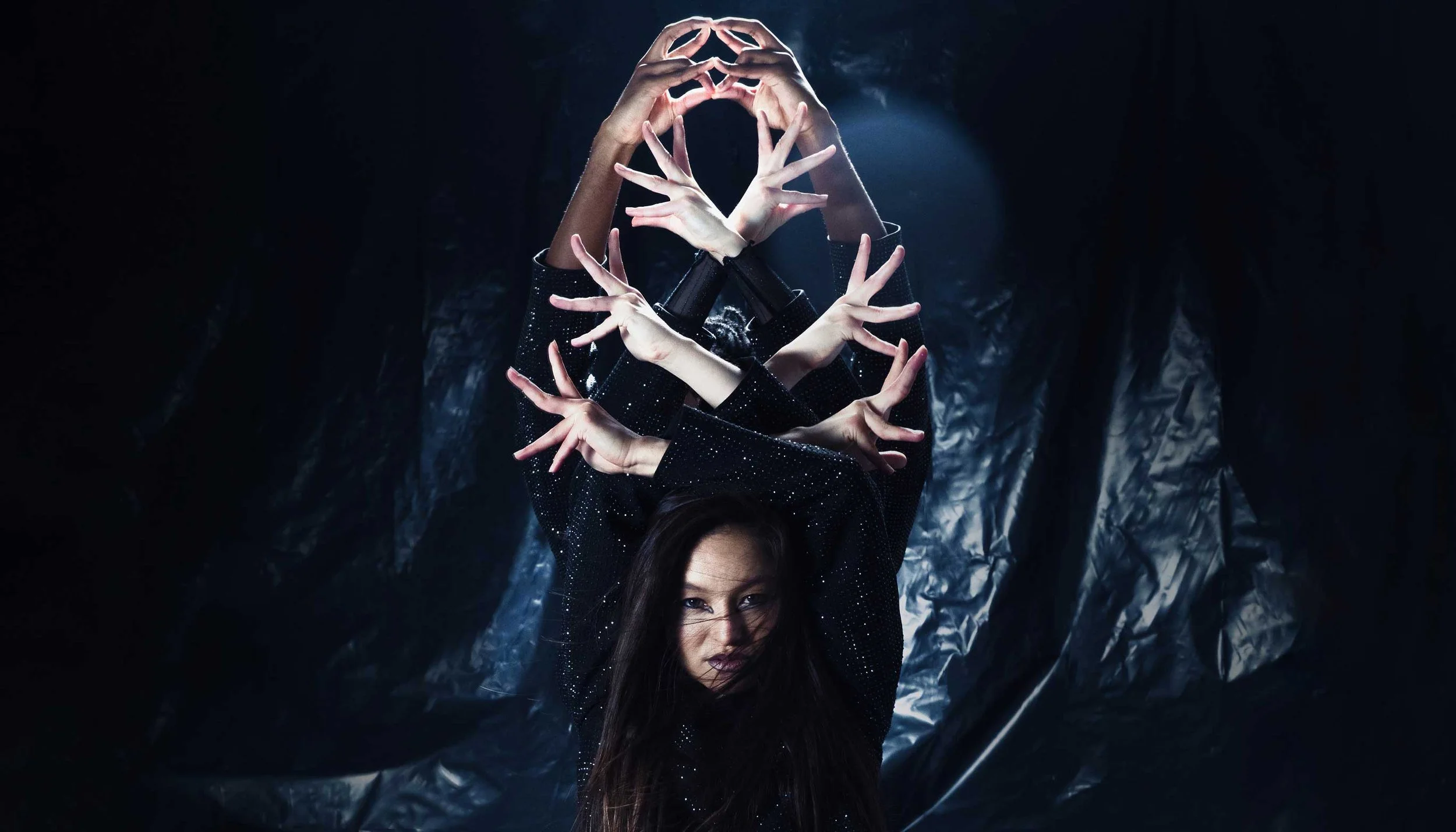
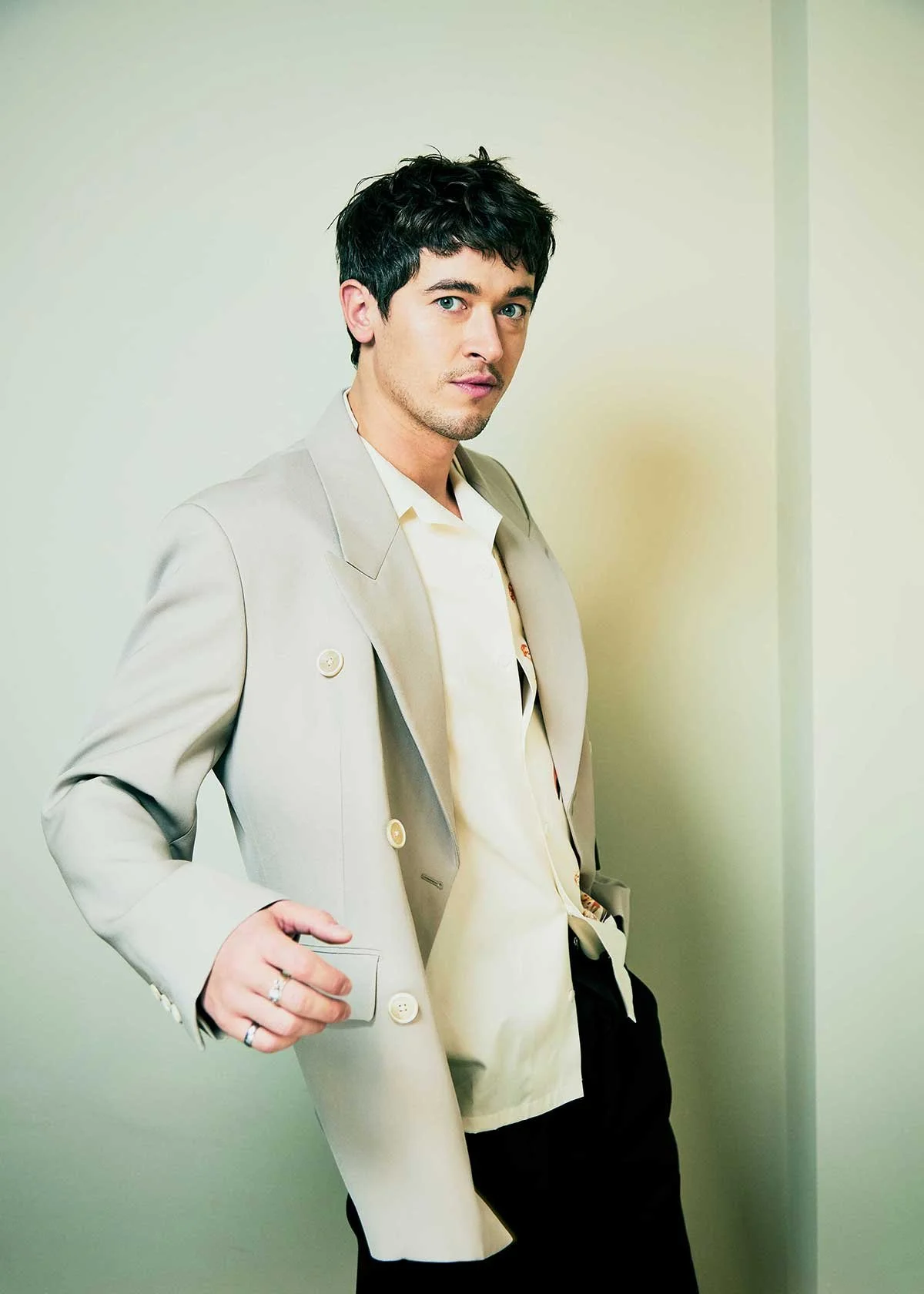
Alex Margo Arden, The Times, Sky Arts Awards, September 2025, by Chris McAndrew
After photographing the rapper, Chris joined a motorcade that whisked the entourage directly to a concert venue. “It was a really good day,” he says simply.
Despite embracing digital technology, Chris still believes his education in film photography shaped the photographer he became.
“I learned on film, and I learned that if I took a picture it had to be right,” he says.
The discipline of film demanded certainty and precision long before Photoshop offered endless opportunities for correction.
Today, Chris lives in Margate with his partner Carrie, having moved from London in late 2024, attracted by the town’s flourishing creative culture.
“Everyone seems to have their fingers in pies of some kind of creative process,” he says. “Be it printing or photography or singing.”
What he values most is the sense of collaboration. “It’s a real community, isn’t it? Everyone starts to know each other.”
For a photographer whose career has been built on connecting with people, it feels like a natural fit.
INSTA: @cmcandrewphoto
INFO: mcandrewphoto.co.uk