WINEROCKS: Kent terroir, Maidstone megalodons and snappy food pairings
Kent wine communicator Natalia Suta on summer drinking with a bite



Every self-respecting wine-lover knows the importance of terroir. We nod emphatically when someone else brings it up, we drop it into small talk at dinner parties, we say it with an aggressive French accent to sound clever in front of a date. But for all the times it gets thrown around, the concept of terroir is still largely misunderstood. Is it the soil? The climate? The winemaker’s philosophy? All - or none - of the above? Ask around and you’ll get a different answer every time.
Terroir 101
Terroir, stripped of its mystique, is simply the idea that wine tastes like where it comes from. Technically speaking, it encompasses everything from the soil in which the vines grow to the weather they endure, the altitude, the drainage, the angle of the slope and even the winemaker’s microbiome (you didn’t see that one coming, did you?). It’s why a Burgundy Pinot Noir tastes different from an Oregon Pinot Noir, even when both are made from the same grape by equally talented winemakers. Blame the limestone. Blame the latitude. Blame the winemaker’s gut bacteria.
Kent’s terroir has been building a reputation for the better part of two decades now. The county is patchworked with microclimates from the hilly terrain of the High Weald to the chalky slopes of the North Downs, each promising something ever so slightly different in the glass. I’ve tasted through a plethora of these local terroir expressions over the past few years and began to assume I knew Kent’s peculiarities rather well… until I stumbled across a vineyard whose terroir begins not with chalk or clay but with prehistoric sharks.
The Shark in the Room
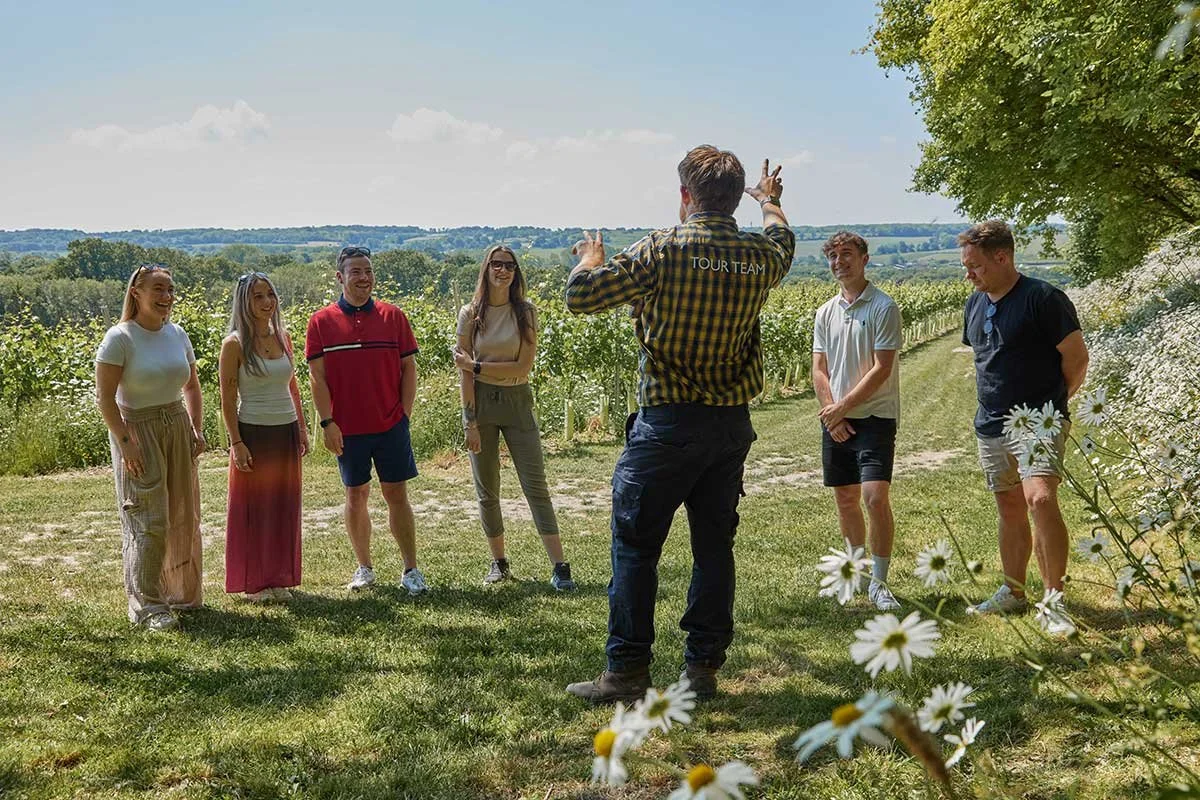
Wildshark Vineyard sits in the Harrietsham countryside, tucked into the North Downs near Maidstone. The name certainly grabs your attention and, let’s be honest, suggests some edgy branding dreamt up to stand out on a crowded shelf. But the sharks are real. Or rather, they were. Fifty million years ago, this patch of Kent lay at the bottom of a vast ocean where megalodons and white sharks cruised in serious numbers. When the waters finally receded, they left behind layer upon layer of viticultural potential.
“The site offers a unique layering of soils that contribute to the character of our wines,” says vineyard manager Adam Barton. It’s a modest way of describing what is essentially a geological layer cake formed across “three ancient seabeds” during the Cretaceous period. At the vineyard’s highest elevations sits chalk - the classic foundation for elegant, mineral-driven wines. Move downhill and the soils transition into Gault clay, which adds depth and structure. Lower still, you reach greensand, prized for its drainage and warmth. And if you’re lucky, you might stumble across an ammonite fossil.
This isn’t just geological trivia. The diversity of soils means Wildshark can grow different grape varieties in exactly the conditions they prefer, coaxing out distinct expressions from a single estate. Chalk for finesse. Clay for body. Greensand for ripeness. Where many English vineyards work with one soil type and make the best of it, Wildshark has a palette to play with and it cultivates it like it means it. The estate is farmed without synthetic pesticides or herbicides, with wildflowers encouraged between vine rows and thousands of trees planted to nurture biodiversity. “We are committed to carefully balancing nature with the precision needed to grow exceptional fruit,” Barton explains. It’s the kind of approach that lets terroir do the talking.
The Summer Trio
If you are wondering what all this geological drama tastes like, here are my three picks to get you started. Consider this your summer drinking sorted.
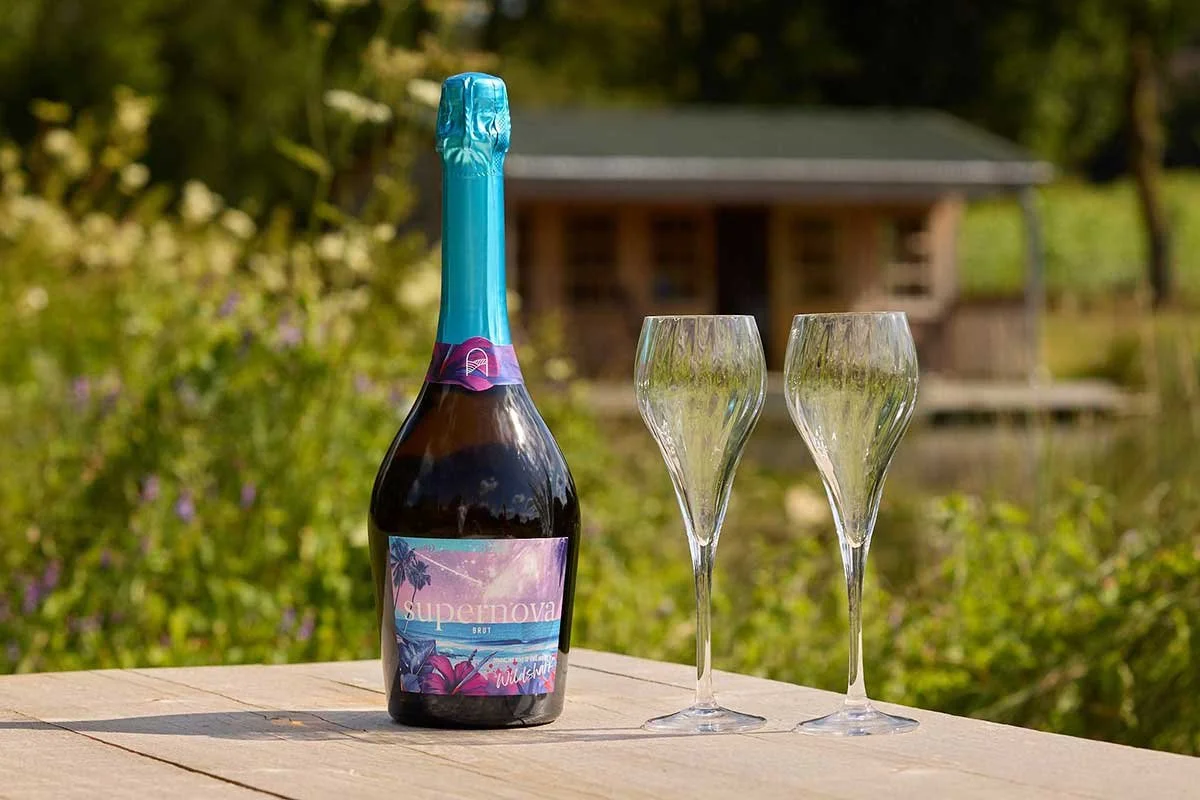
Supernova Brut, 12%, £21.95
Made from all five of the estate’s grape varieties - Chardonnay, Pinot Noir, Pinot Meunier, Pinot Gris and Bacchus - this English sparkling wine leads with notes of green apple and pear, followed by white florals and crunchy stone fruit. Pair it with oysters if you’re feeling fancy, a bowl of salty crisps if you’re feeling honest, or simply pour it as an aperitif and let it set the tone for the evening ahead.
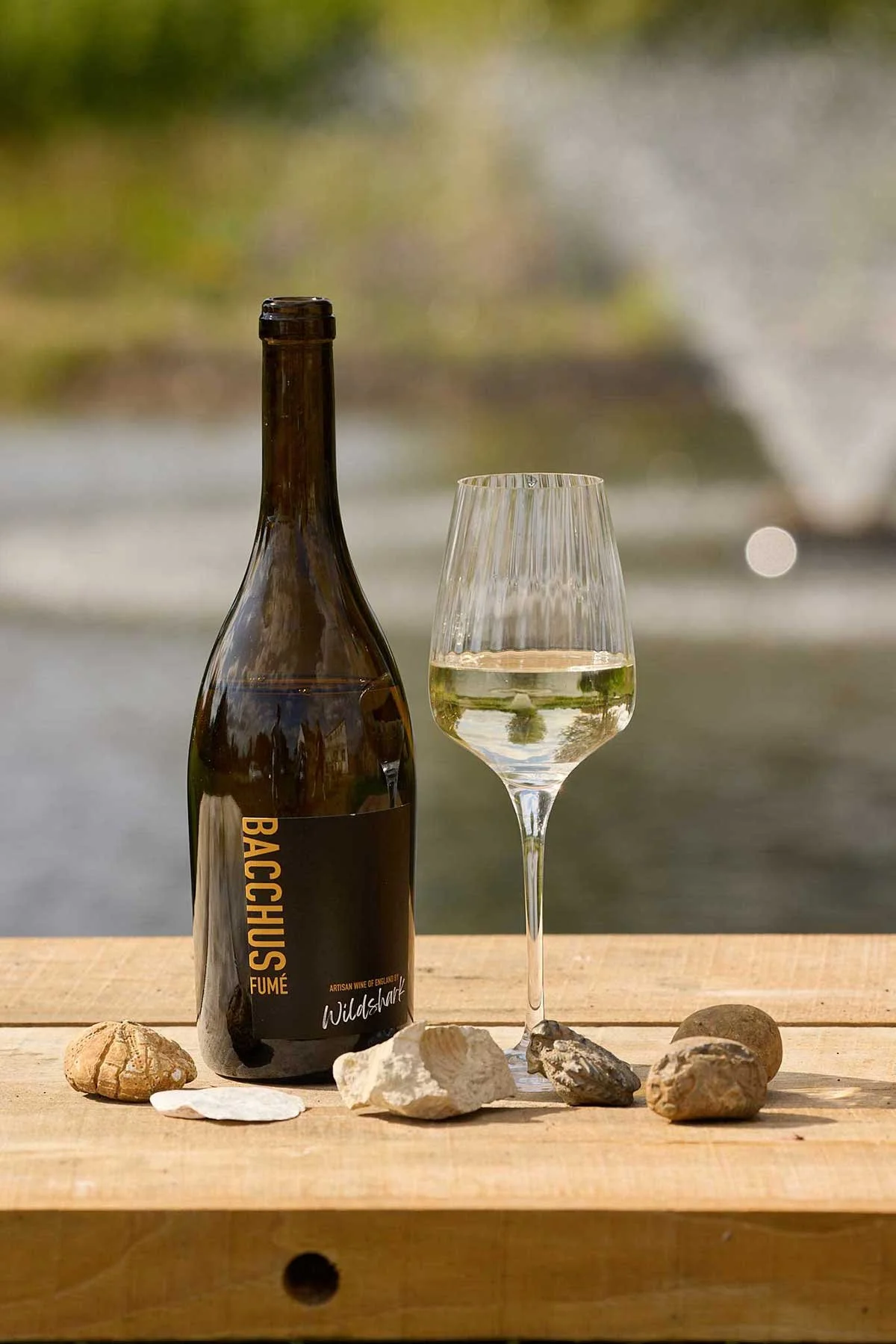
Bacchus Fumé, 12.5%, £18
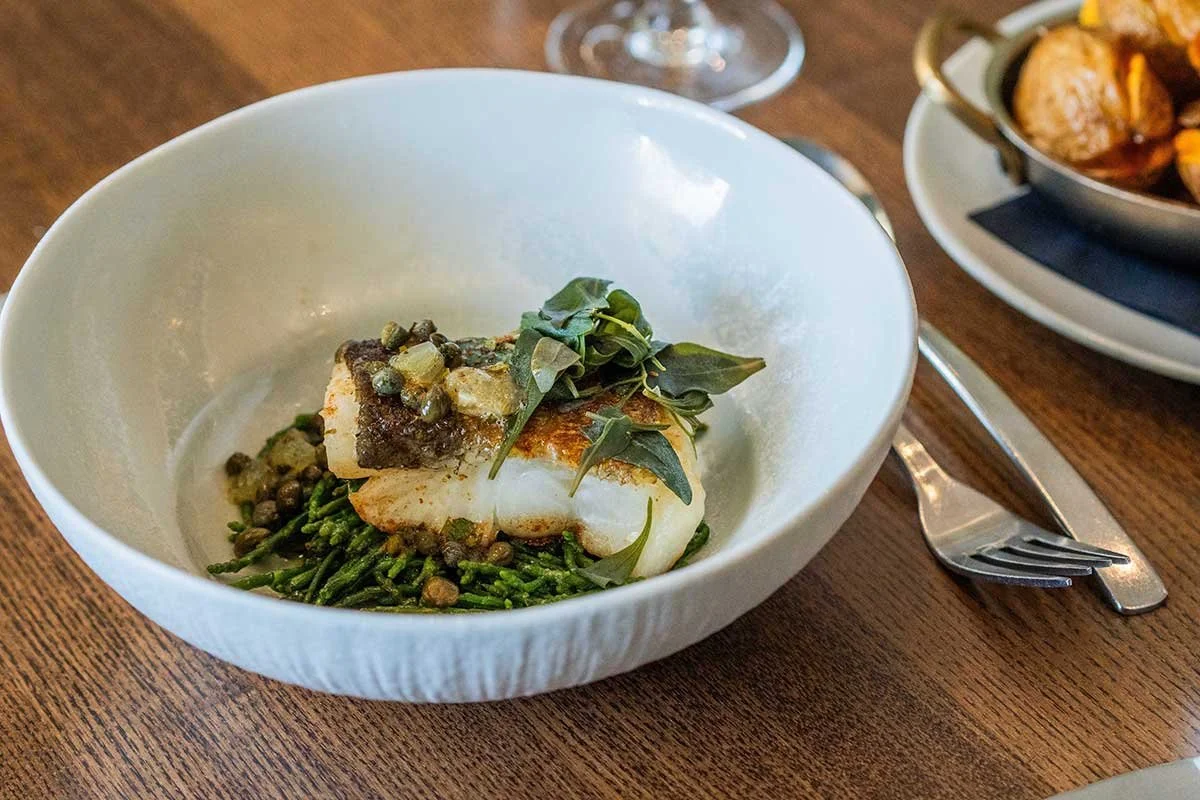
This isn’t your typical English Bacchus. About 20% of the wine is aged in French oak, lending a layer of sophistication that sets it apart from the crowd. Orange blossom and elderflower drift from the glass, giving way to vanilla and a chalky, mineral finish. Pair it with grilled sea bass, creamy burrata or cheese and charcuterie in generous quantities.
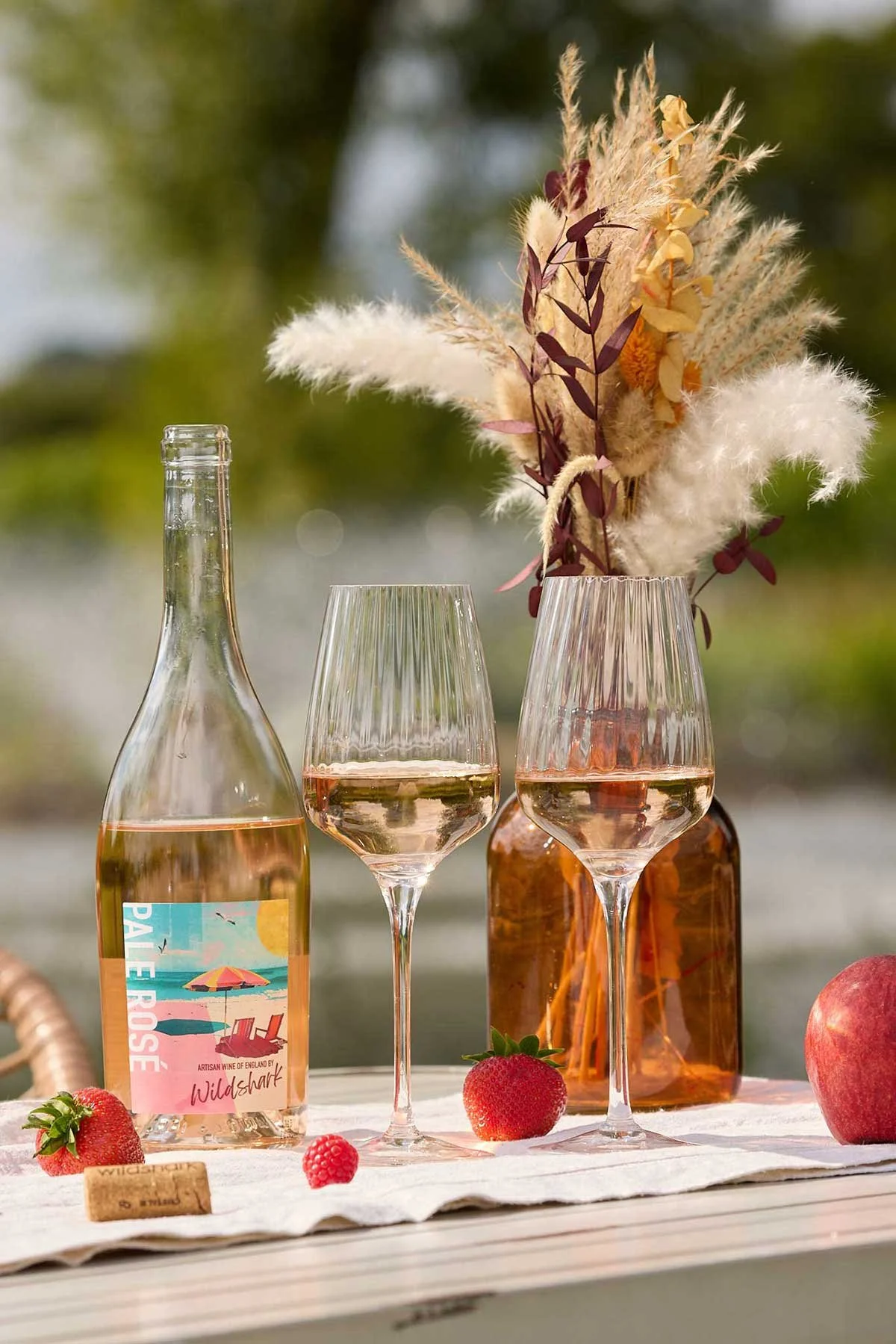
Pale Rosé, 11.5%, £17
A delicate blend of Pinot Noir and Pinot Meunier, this pale rosé is pressed gently to achieve its soft salmon hue. In the glass it offers strawberry and redcurrant, layered with rose petal and a hint of peach. At 11.5% it’s dangerously easy to drink. Pair it with grilled prawns, a classic Niçoise salad or whatever the sunshine inspires.
INSTA: @_winerocks_