Fashioned by Beth: Folkestone social-media maker on crocheting
With more than 15,000 Instagram followers, 3,500 YouTube subscribers and videos that regularly reach into tens of thousands, Beth has secured a foothold in a craft community that continues to flourish.
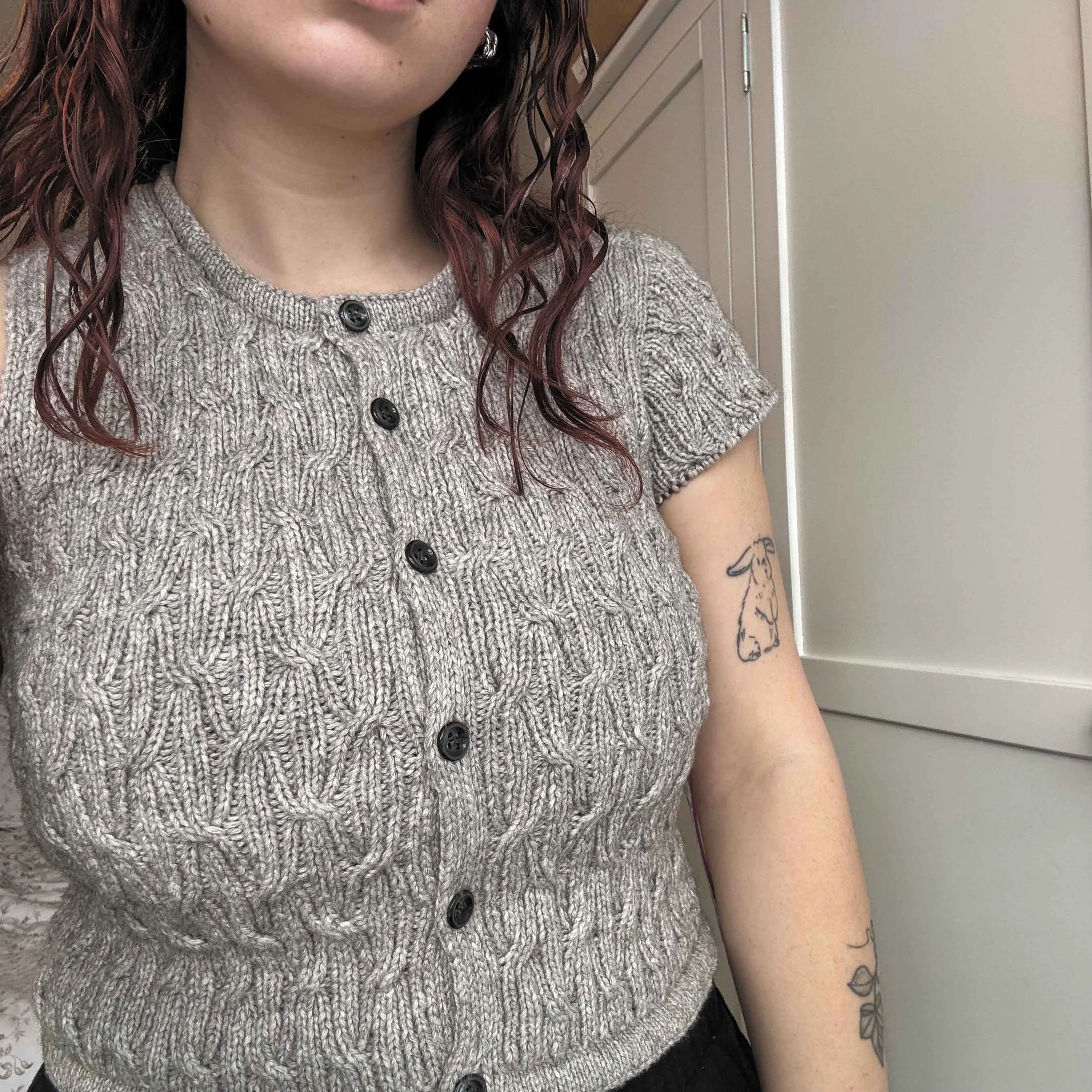
Fashioned by Beth started with a long summer in Folkestone. Having grown up in the seaside town and attended The Folkestone School for Girls, expectations would have been for Beth Glover (@fashionedbybeth) to go the ‘academic route’ after finishing grammar school.
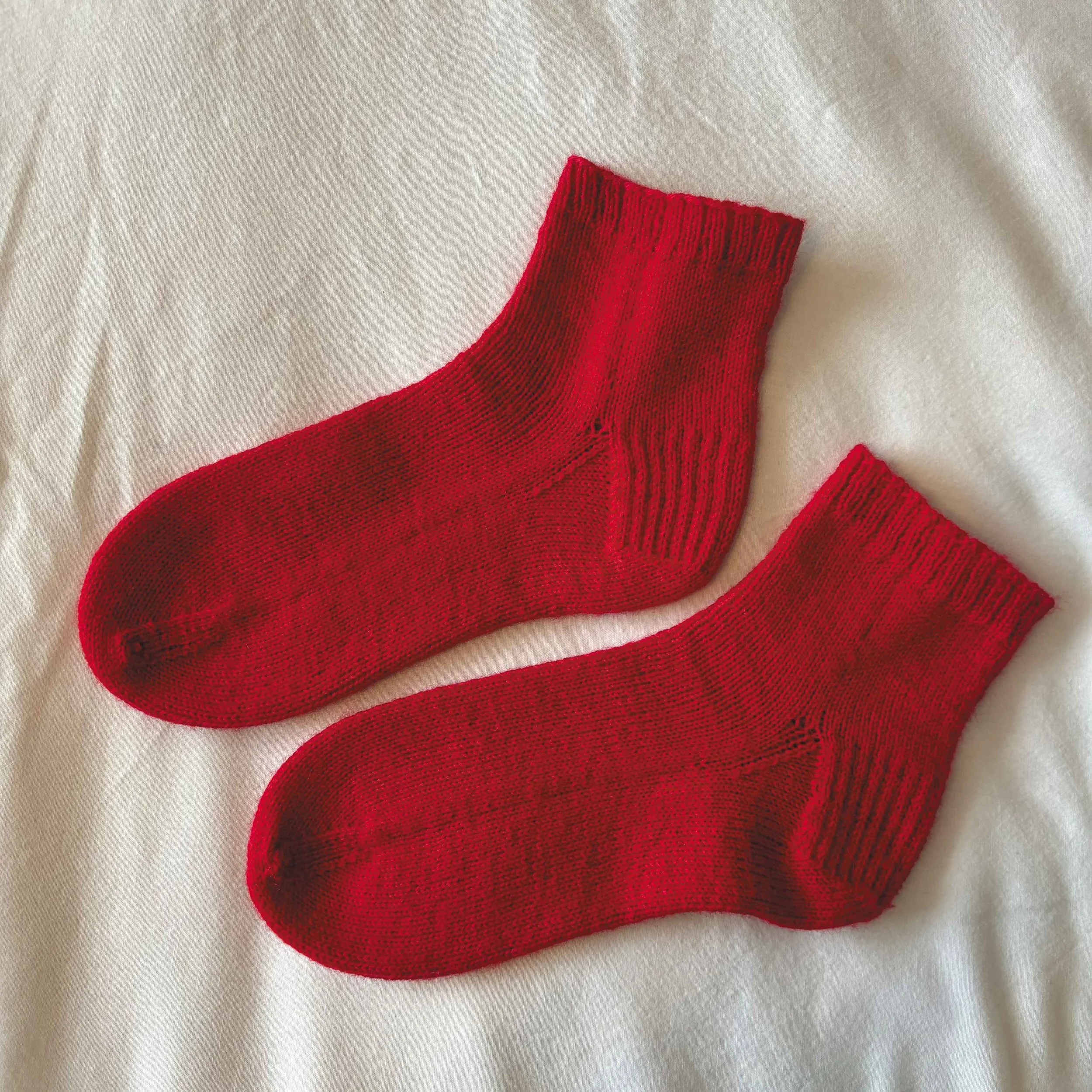
But after finishing her A-levels and facing months of downtime, her trajectory shifted. With nothing else to occupy her hands, she returned to crochet - something her nana had once taught her but that she admits she “couldn’t remember how” to do.
Craft was beginning to trend online and Beth found herself swept up in the early rise of makers sharing their work on social media. It was a gentle re-entry into creativity for someone who had already taken fine art at school. Opting for a foundation course at UCA in Canterbury, Beth’s initial foray into studying ‘visual communications’ was changed after an induction session on a sewing machine.
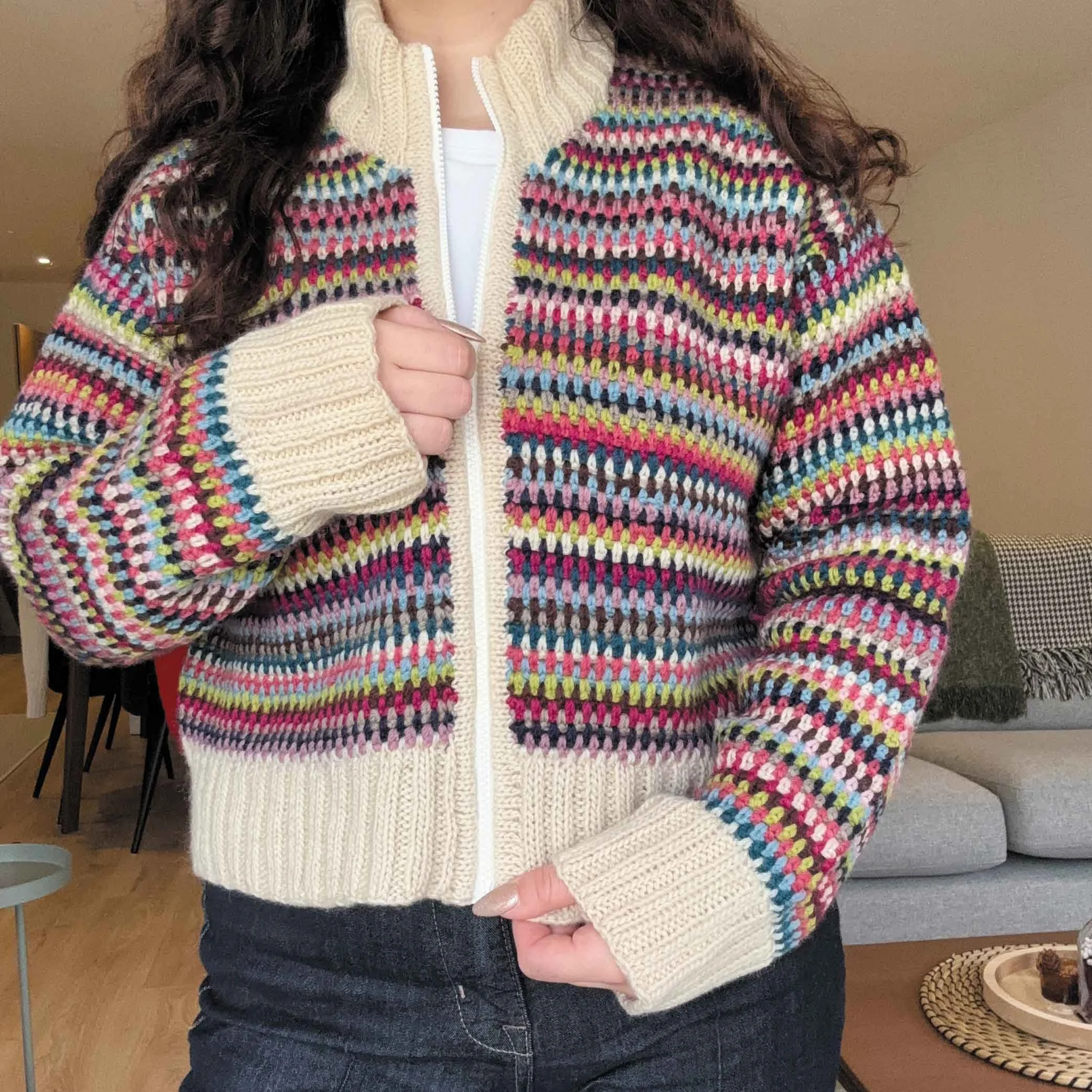
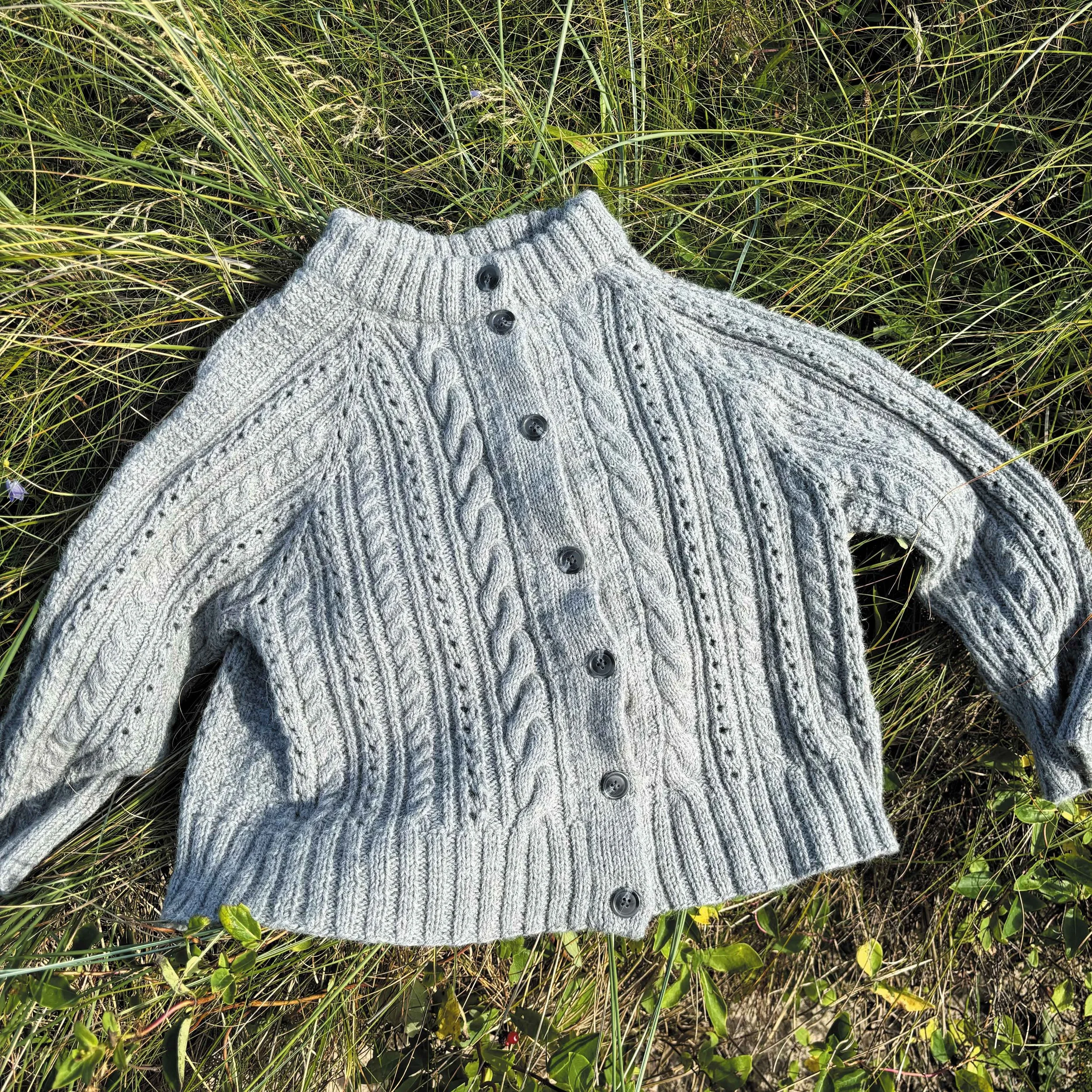
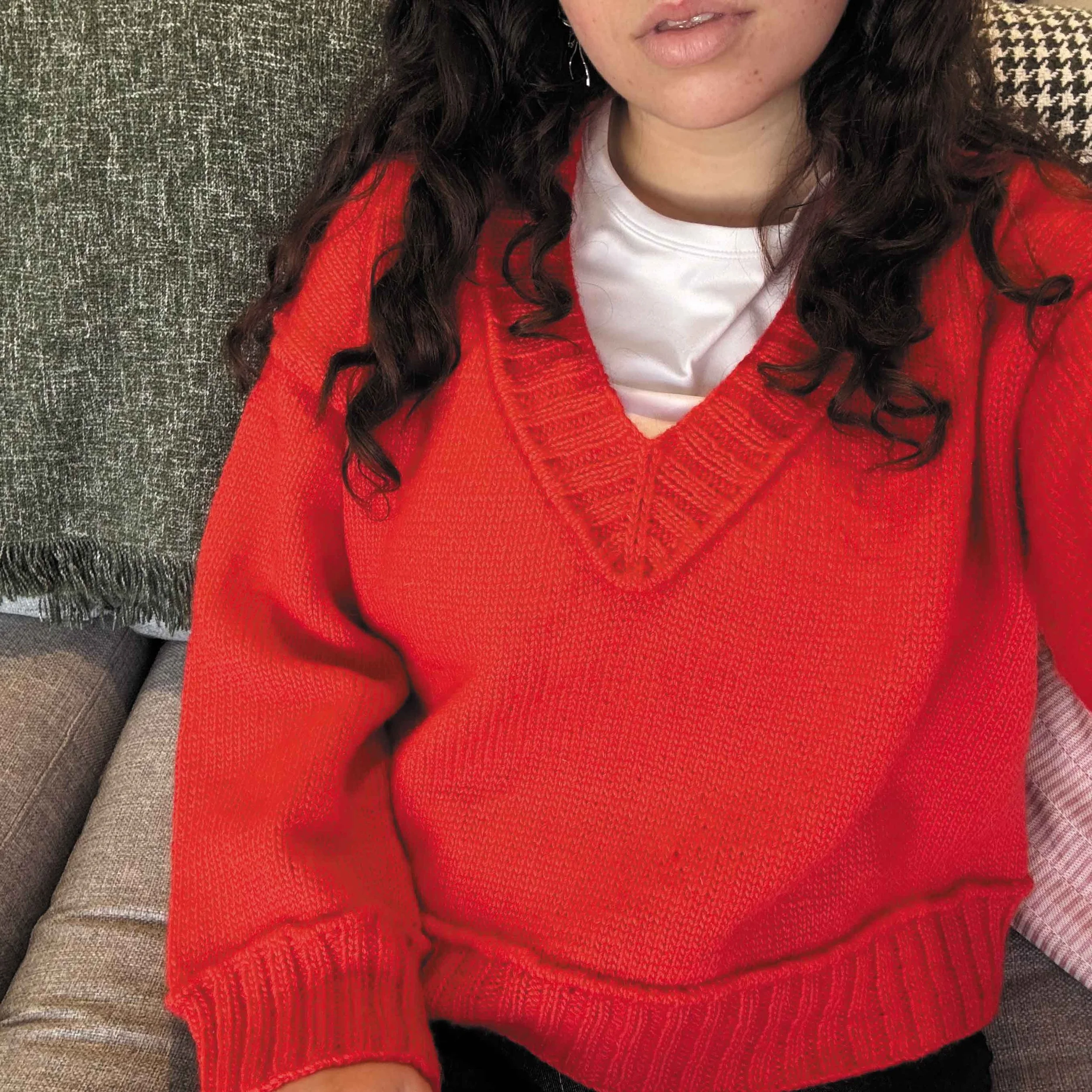
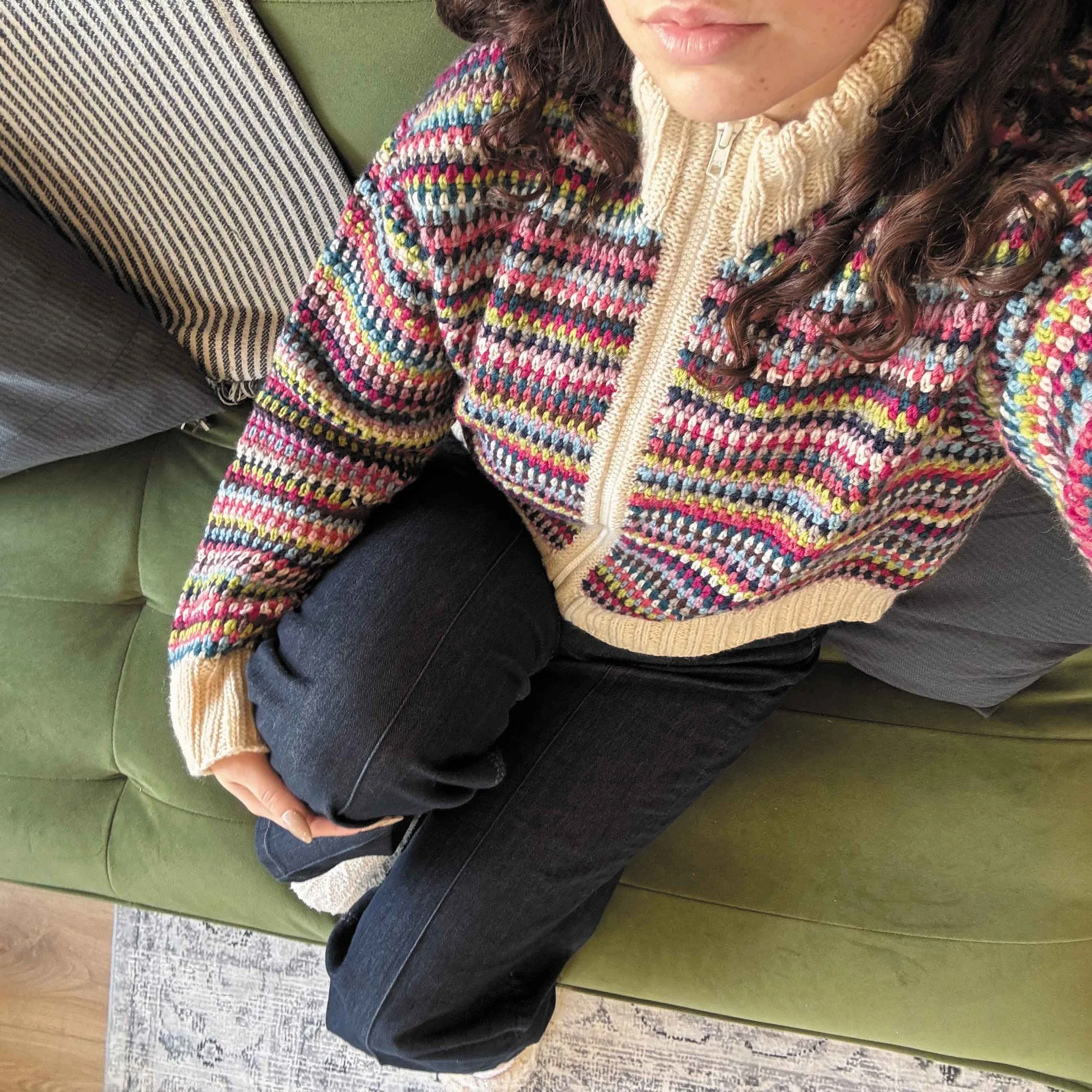
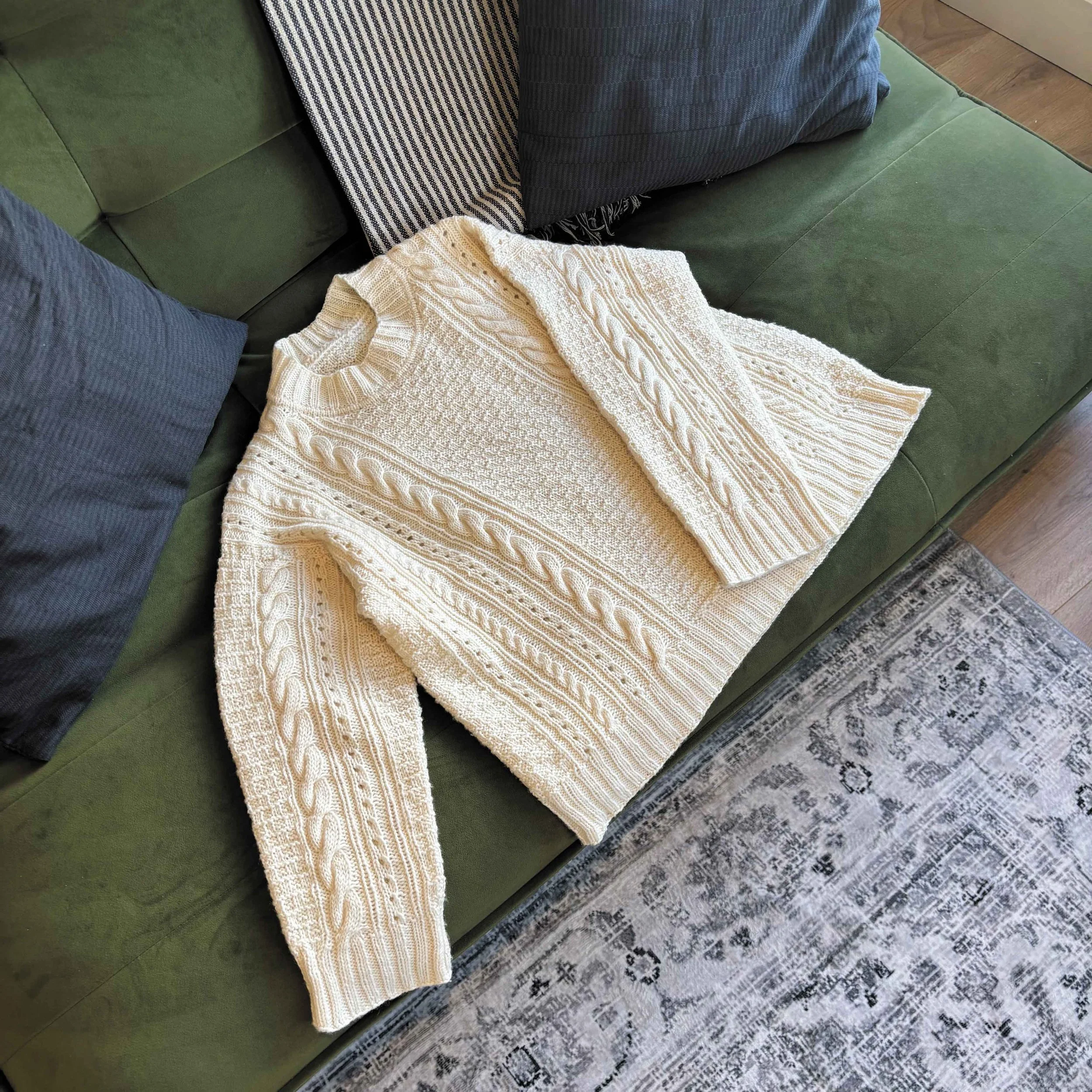
She remembers it as the instant that changed everything, prompting her to pivot fully into fashion. It was all new territory: “I had never touched a sewing machine before or anything, but it felt right, like ‘Yeah, I could do this’.”
As the pandemic lockdown kicked in during 2020, her new skills were front of mind and the Fashioned by Beth account was born.
“I think at first it was just a really good way to connect with other people that, you know, enjoyed the same thing as me”
“I honestly can’t even remember why I even started the account,” says Beth. “I think in lockdown, especially, people picked up more craft - knitting and crochet got absolutely huge. I felt like, in that case, it was kind of just at the right time. My Instagram grew quickly.”
Beth began by selling physical pieces, later adding patterns as followers asked how she had made particular designs. When they wanted to know what pattern she’d followed, the answer was almost always the same: “Well, actually, I made it myself.”
After completing a fashion-design degree in Rochester, she stepped into a job as a visual merchandiser for Deichmann. Though not design-focused, it left room for her side business to grow. Later she spent more than a year as a repairs and alterations seamstress, a role that sharpened her technical instincts. This past October, she took on a new challenge: a niche job developing accessories for people with Type 1 diabetes. She now designs specialised bags from scratch, cutting, sewing and sourcing every component herself.
Meanwhile, her online presence kept accelerating. With more than 15,000 Instagram followers, 3,500 YouTube subscribers and videos that regularly reach into tens of thousands, Beth has secured a foothold in a craft community that continues to flourish.
There is something calming and sensory about watching the videos, while Beth herself understands the hypnotic draw of craft. She describes knitting and crochet as repetitive rhythms that help people decompress, saying “I do think… it is just a really good way to wind down, self-regulate, after a long day at work,” says Beth.
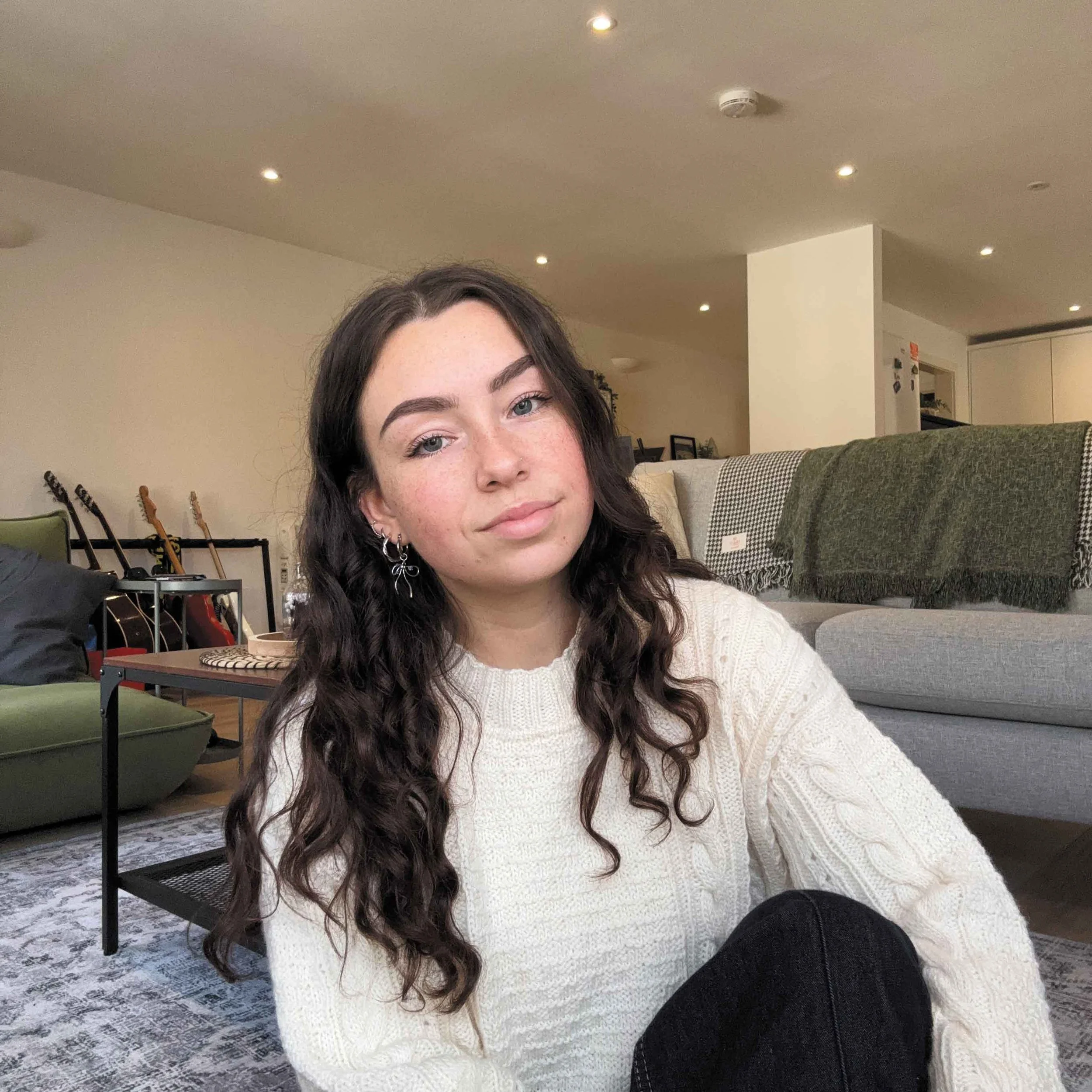
“It is a niche and you wouldn’t necessarily know unless you’re kind of in it, but there are some knitwear designers who are absolutely huge. It is one of those things you could do, like a whole deep-dive into. But I think as well, for me especially, I find it very relaxing. Yet despite her growing profile, Beth focuses mostly on selling patterns rather than finished garments.
She explains that knitting a single jumper can take about 70 hours, while factoring in labour makes the garment prohibitively expensive. Beyond that, she says candidly: “It also really hurts your hands. You can only go for so long before the cramps start.”
Patterns, on the other hand, create a sustainable balance: affordable for customers, manageable for Beth and far more accessible since makers can substitute yarns to match their budgets.
Pattern-writing is exacting work. She grades all her designs across 10 sizes, calculating stitch counts, construction steps and yarn requirements - turning each item into what she describes as something “just like… a recipe”. Before release, every pattern goes through a structured testing phase, with two people knitting each size and offering detailed feedback. Though issues are typically resolved before launch, she still receives occasional questions - like a recent message from someone wanting to reduce sleeve width for a better fit.
Even as the hobby grows, Beth is aware of the financial strain facing the wider fibre-arts industry. Rising costs have put pressure on small yarn shops, independent dyers and pattern designers. Some creators with far larger followings than hers have taken part-time jobs to stay afloat. Yet she remains optimistic, noting that more people than ever are discovering knitting and crochet. One friend, training as a psychiatrist, uses crochet to decompress between emotionally demanding study days.
A shift from physical garments to patterns also reflects a change in her audience. She points out that in earlier years, when she sold crocheted clothes, her followers were more likely to buy pieces from her. Now the audience includes a lot of fellow makers.
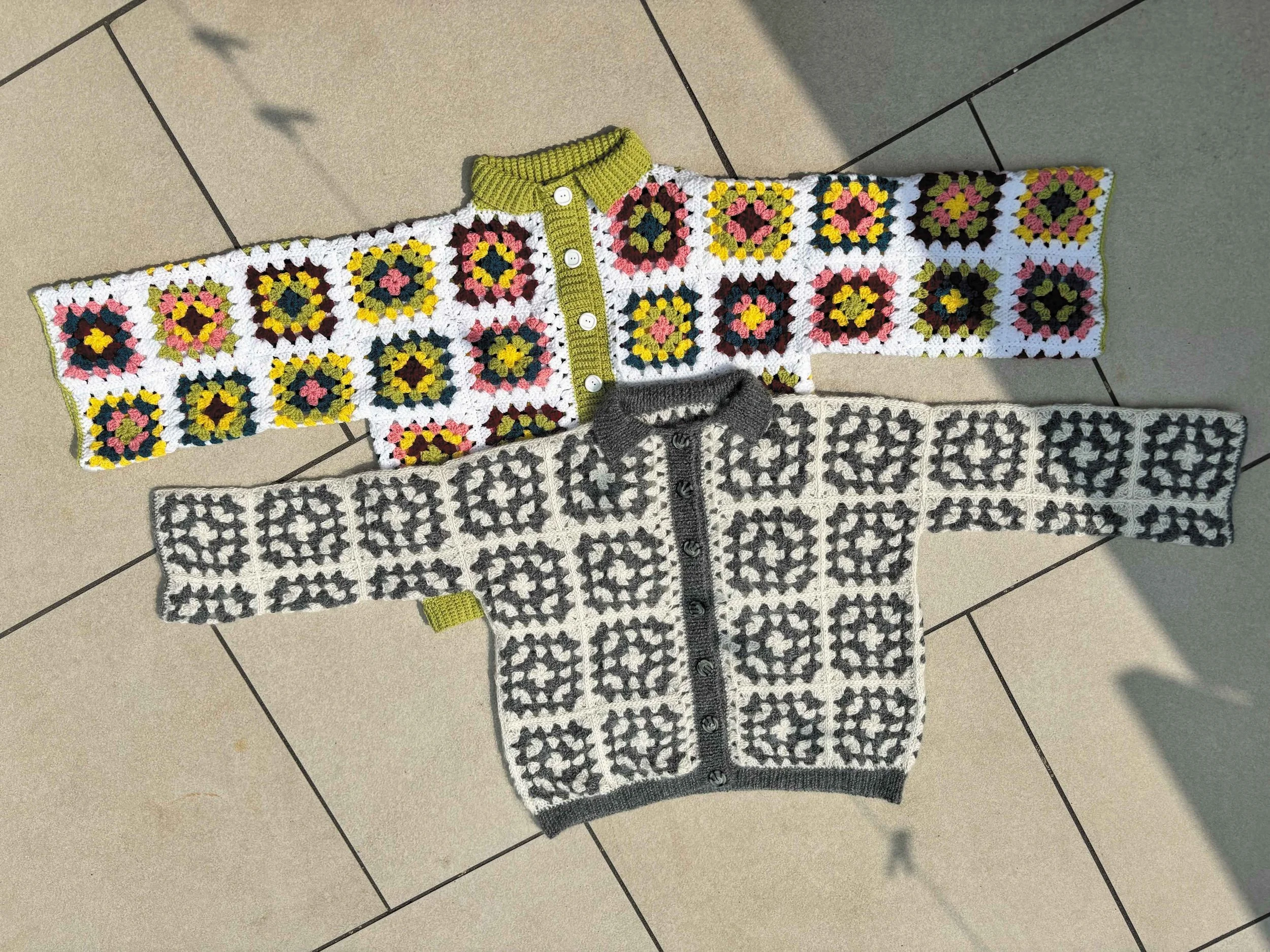
“I think at first it was just a really good way to connect with other people that, you know, enjoyed the same thing as me,” she says. “As my platform grew, and because I’ve always designed the stuff that I’ve made myself, I had people asking about the patterns. That’s why I started selling them. I didn’t start it as a business or anything, it was a bit of a byproduct from doing it. But I can’t complain!”
Of all her platforms, YouTube has become the one she enjoys most. Instagram, she says, often feels too polished and performative; every post requires ideal lighting and careful staging. YouTube, in contrast, allows for a more natural connection. “I just turn on the camera, chat rubbish and it’s quite nice to connect with people in that way.”
Viewers message her frequently - sometimes even offering solutions to issues she mentioned during a vlog. Ultimately, the heart of Fashioned by Beth isn’t financial. It’s communal. It’s the community, the creativity and - above all - the pleasure of making something slowly and beautifully that drives her forward.
“It is just for the actual joy of doing it.”
INSTA: @fashionedbybeth
INFO: www.fashionedbybeth.com