
Lily Heywood on her favourite images and why they don’t necessarily need a literal translation


At ‘cene magazine, we have always been drawn to photographs that leave us with more questions than answers. What is the image really trying to say? Who is the person within it, and what might they be thinking? Photographer Lily Heywood’s work embraces that sense of mystery, creating images that invite us to pause, look again and find our own meaning.
With a background in fine-art painting, Lily has developed a distinctive approach to photography, using distortion, colour and a sense of visual reverberation to translate the way she sees the world. Her practice sits comfortably between photography and fine art, exploring how an image can provoke an emotional response without necessarily offering an explanation.
“I have a passion for photography in all its forms and am interested in exploring how images can provoke a feeling or reaction without offering a literal translation,” she explains. It is an approach rooted in curiosity and an openness to different ways of seeing.
Her relationship with image-making began early. “For as long as I can remember I have been interested in making images, everything from drawing, painting and photography.” She has carried a camera since childhood and continues to find excitement in the process of creating and developing photographs.
That sense of discovery has remained throughout her career. Lily particularly recalls developing her first photographs in a darkroom, describing the experience of watching an image appear on paper as something she is still excited by today.
More recently, her photographic project A Place I Almost Remember led her into portraiture, an area she had historically found challenging. Working with participants who shared personal thoughts and memories became an unexpectedly privileged experience, informing the resulting work.
Lily is also part of Kent photographic group That.Collective, who exhibit together and offer exchange, discussion and experimentation that continue to shape her practice. We got in touch and asked Lily to tell us about some of her favourite photographs.
INFO: lilyheywood.com
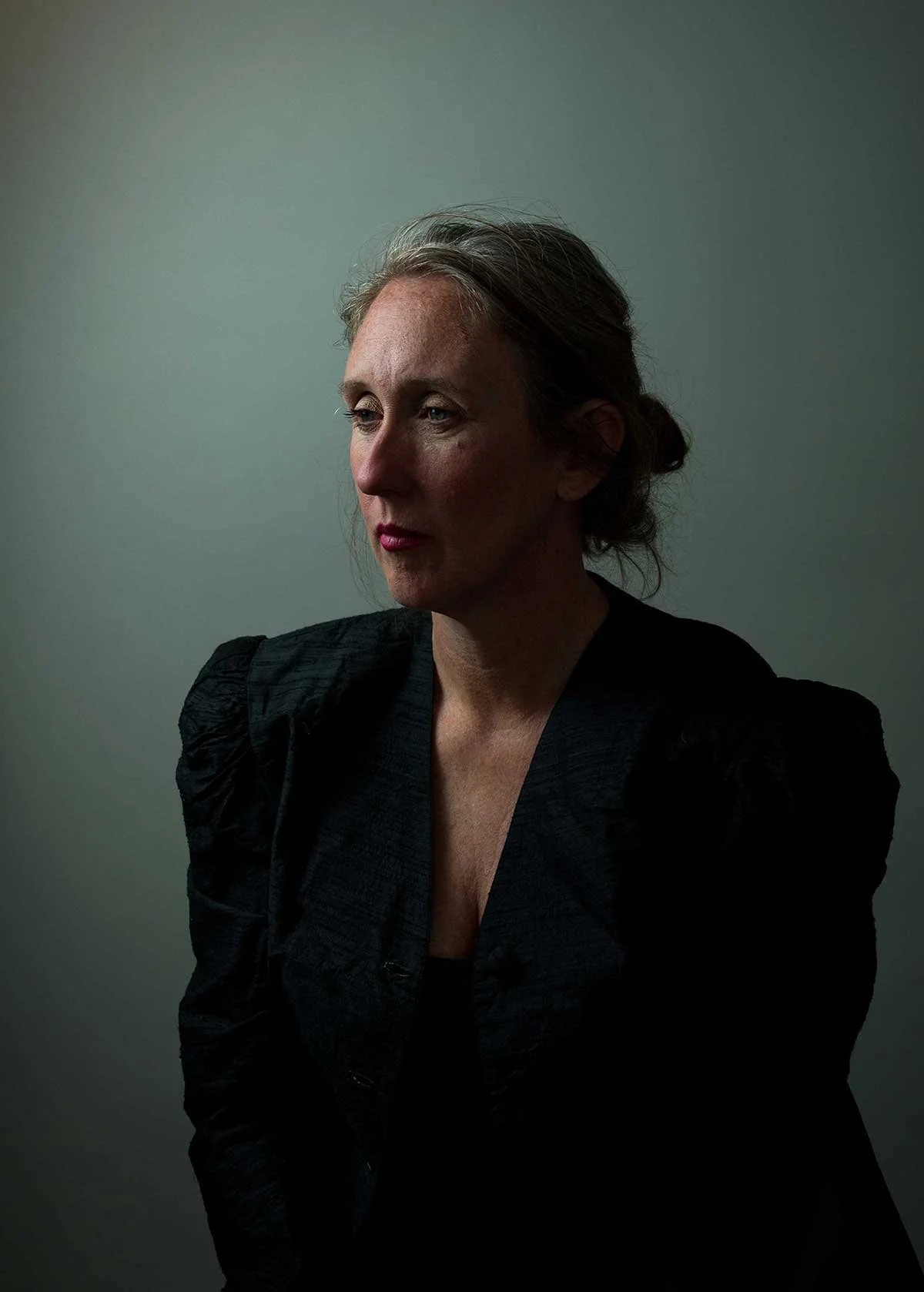
1. IMOGEN - This image was a key moment for me. I think portraiture is incredibly challenging - to expose shared fragilities and quiet tensions that we all feel and experience as human beings.

2. IONA - This image is part of a recent series, A Place I Almost Remember, which explores memory as something unstable, shaped as much by emotion as fact. Photography is often understood as a record of reality, a marker of time. My aim with this project was to unsettle that assumption and ask the viewer to inhabit the ambiguity between what is seen, remembered and imagined. The image encourages the viewer to be self-reflective - to take us somewhere else in our mind.
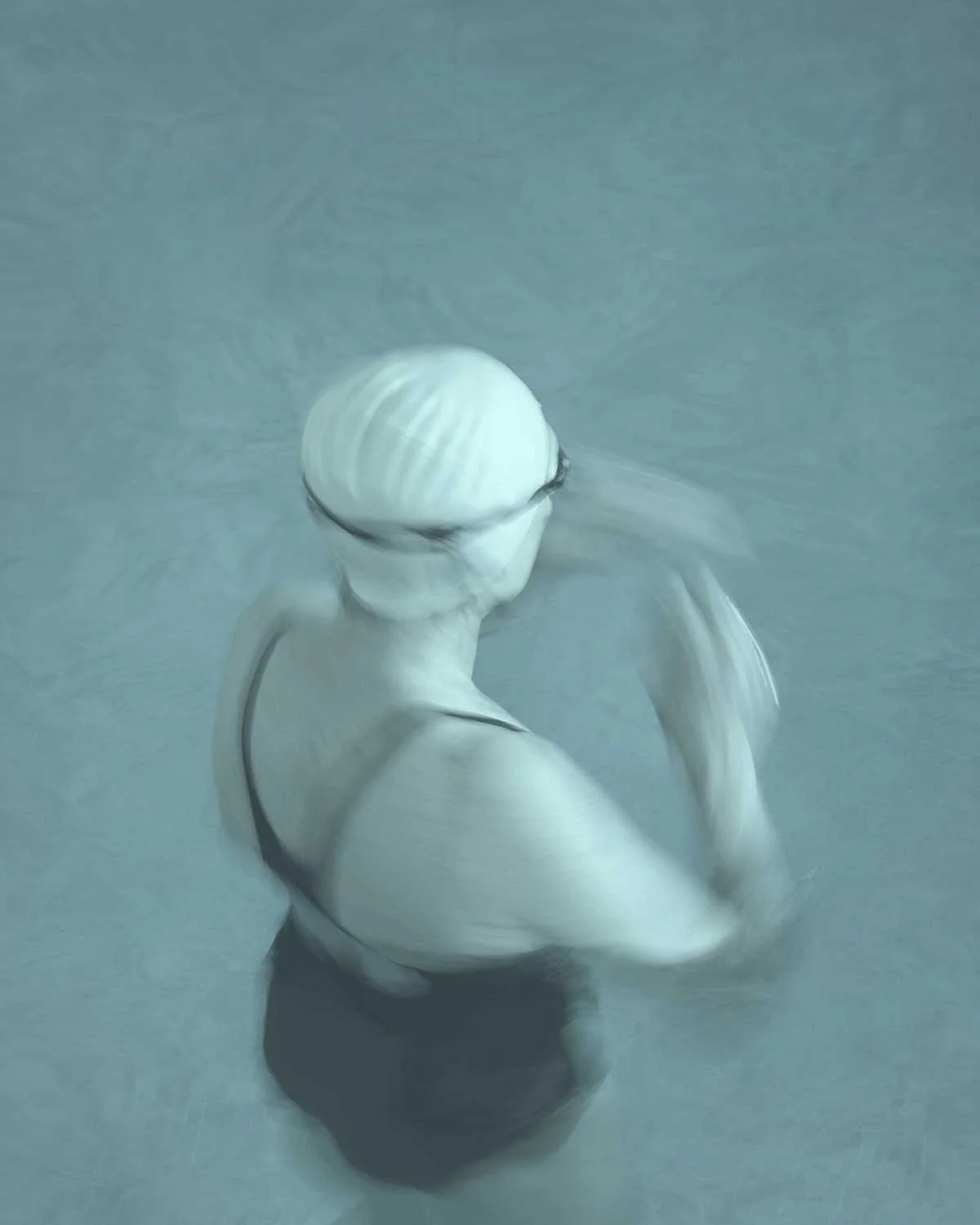
3. I am drawn to emotional landscapes that shape how we perceive the world. Images #3 and #4, are part of a series of work where gesture is suggested through the fluidity of the water, creating a tension and ambiguity within the images.
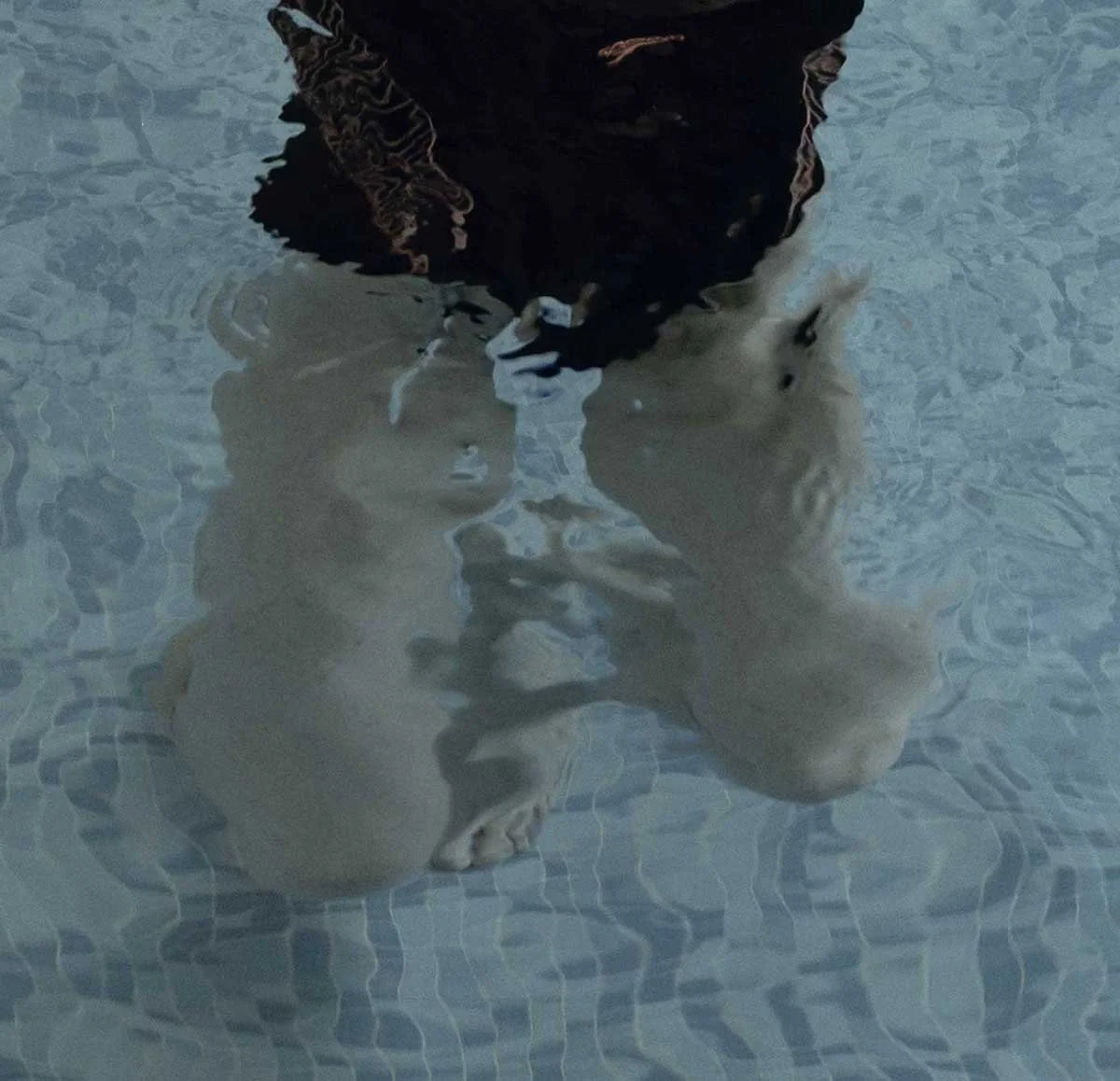
4. Each photograph becomes a space for quiet contemplation, subtly altering our thoughts and perceptions. They serve as vessels of time, both lived and imagined, inhabiting memory and opening a dialogue between past and present.
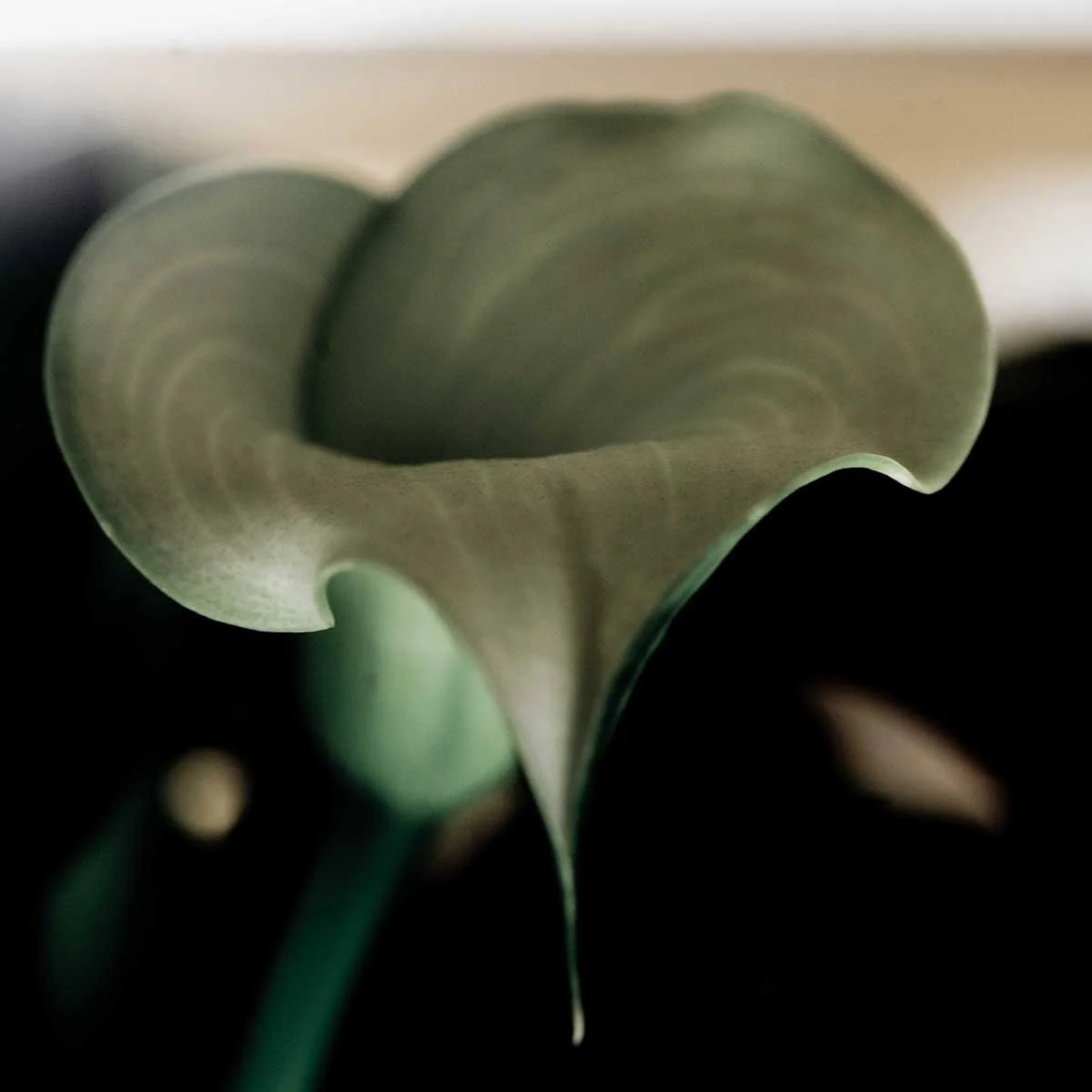
5. I’ve always had an interest in still-life photography and how it can be used to show you so much more than the object in the frame. In these next two images I have explored the Japanese concept of ‘Ma’, through the relationship between the flower and the surrounding negative space. Rather than treating the darkness as an empty background, I see it as an active element within the composition, creating a pause around the central form.
The areas that fall out of focus and recede into shadow create ambiguity, encouraging the viewer to consider what exists beyond the visible image. There’s a sense of stillness and contemplation allowing the spaces between the forms to become as important as the forms themselves. I am interested in how photography can communicate ‘presence’ and ‘absence’ simultaneously, and how the deliberate use of space can encourage the viewer to slow down and engage with the image more intuitively.
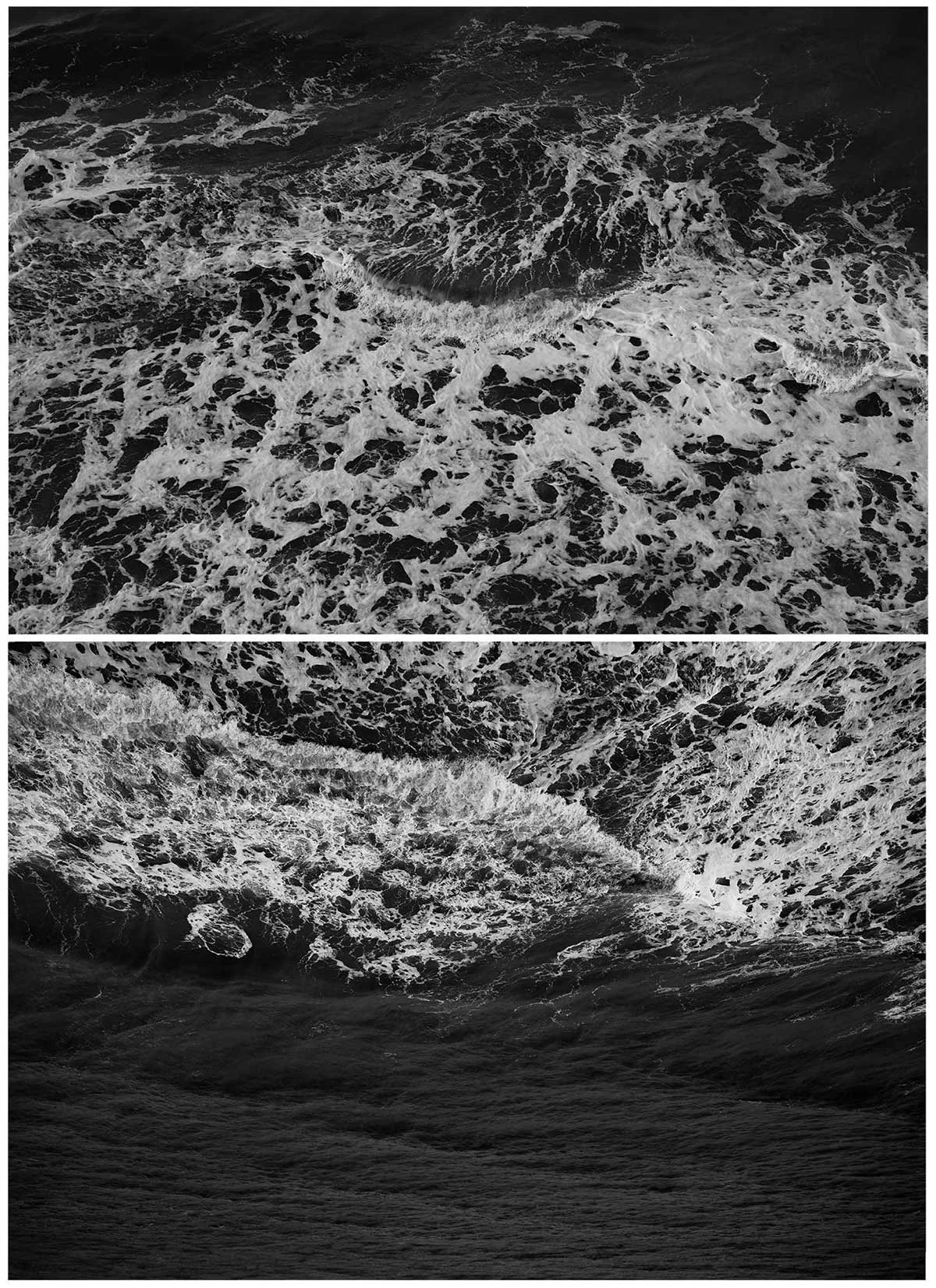
7. ELEMENTS - I regularly photograph the sea and the sky and am particularly interested in the images when the horizon is removed. This removes all sense of scale and leaves you suspended and immersed in the abstracted image.

We talk about the 6AM crew, not having a genre and leaving things to the last minute…