
Artist Maximillian Boxer on creating over selling, scratching the itch and having a taste for the unexpected

There is something fitting about Maximillian Boxer (@maximillianboxer) finding his way into art through a seaside town he never intended to call home.
Margate, with its resurgent charm and creative restlessness, has a habit of pulling people in. Max arrived for a very different reason. Originally from Hertfordshire, he had lived in places including London, Amsterdam and Hanoi, but during lockdown he came to Margate to care for his seriously ill father. Thankfully, he pulled through. Then came Covid, and with it the strange, suspended world of lockdown. Max, who had always been more comfortable with mathematics, science and technology than creative pursuits, found himself looking for something to do.
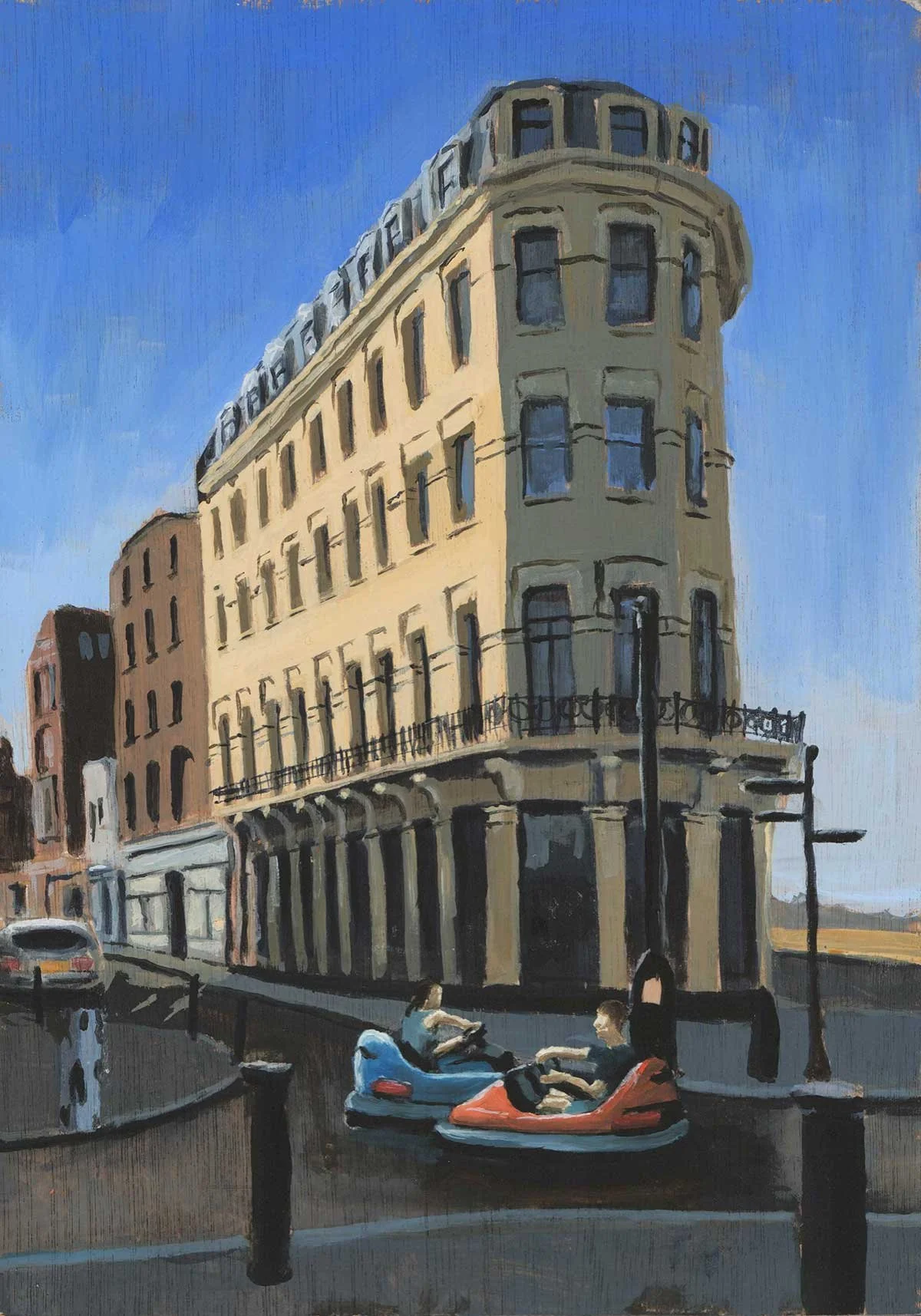
Art arrived almost accidentally, through plein air painting tutorials online - artists simply going outside and attempting to capture what was around them. The idea was revelatory.
“He just goes out and sketches places, and I was just enamoured,” he says. “It was just pure, pure magic. It’s witchcraft that someone can actually capture a scene better than a photograph.”
He picked up a watercolour set and started sketching. It was, initially, an excuse to leave the house. “I just went out and gave it a go and fell in love with it.”
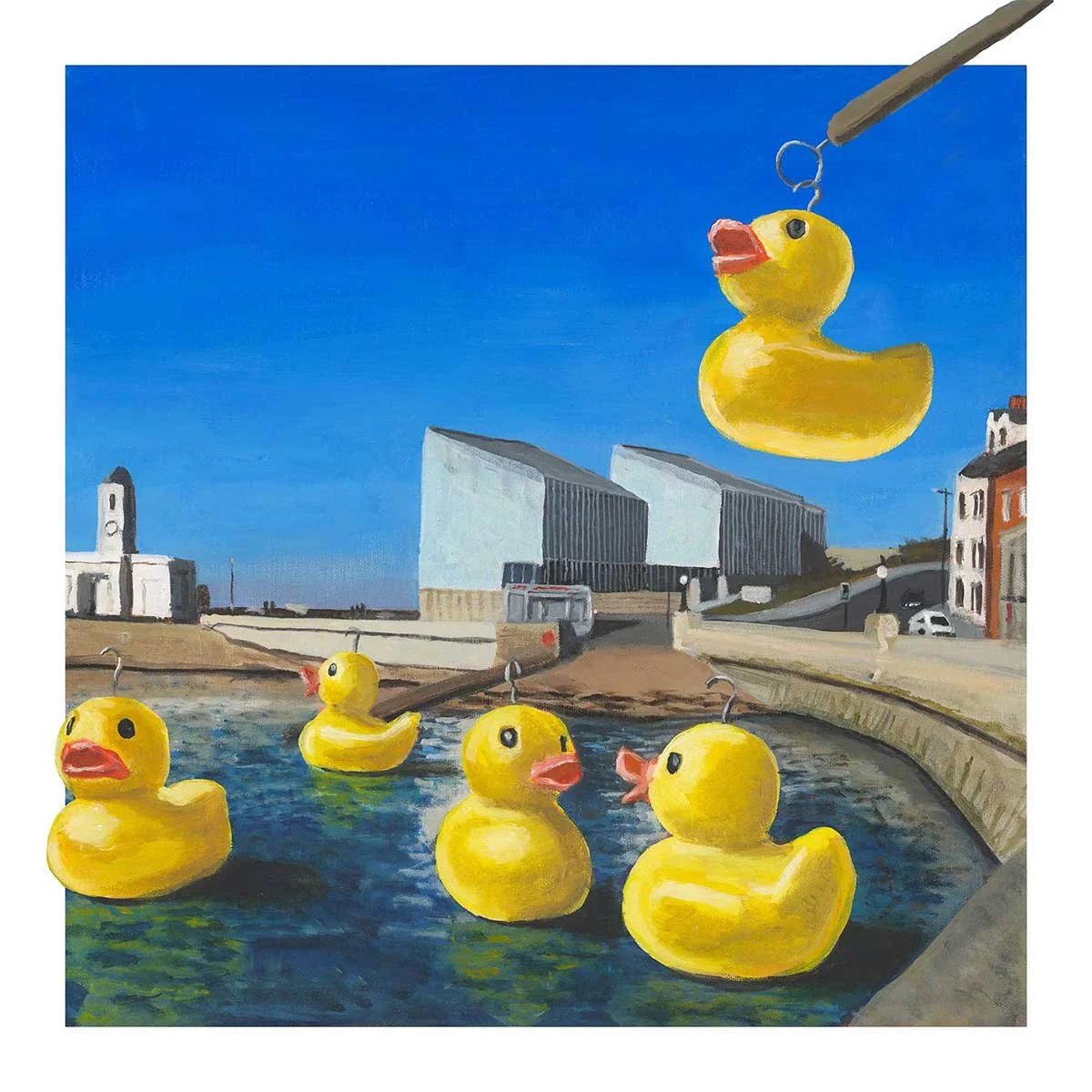
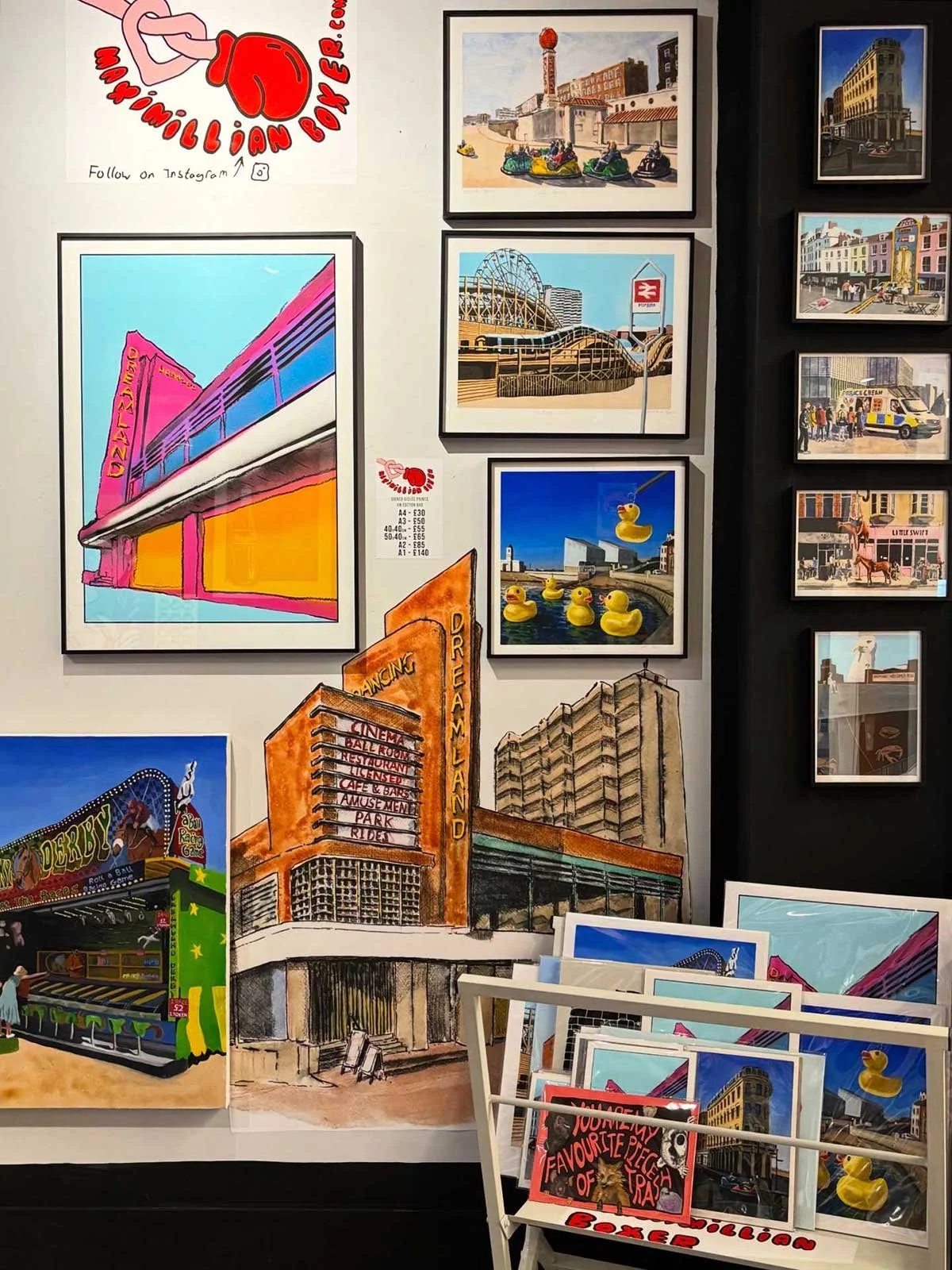
That first tentative step has since turned into a restless, shape-shifting practice. Max is not an artist set in a signature style, yet you kinda know it’s his.
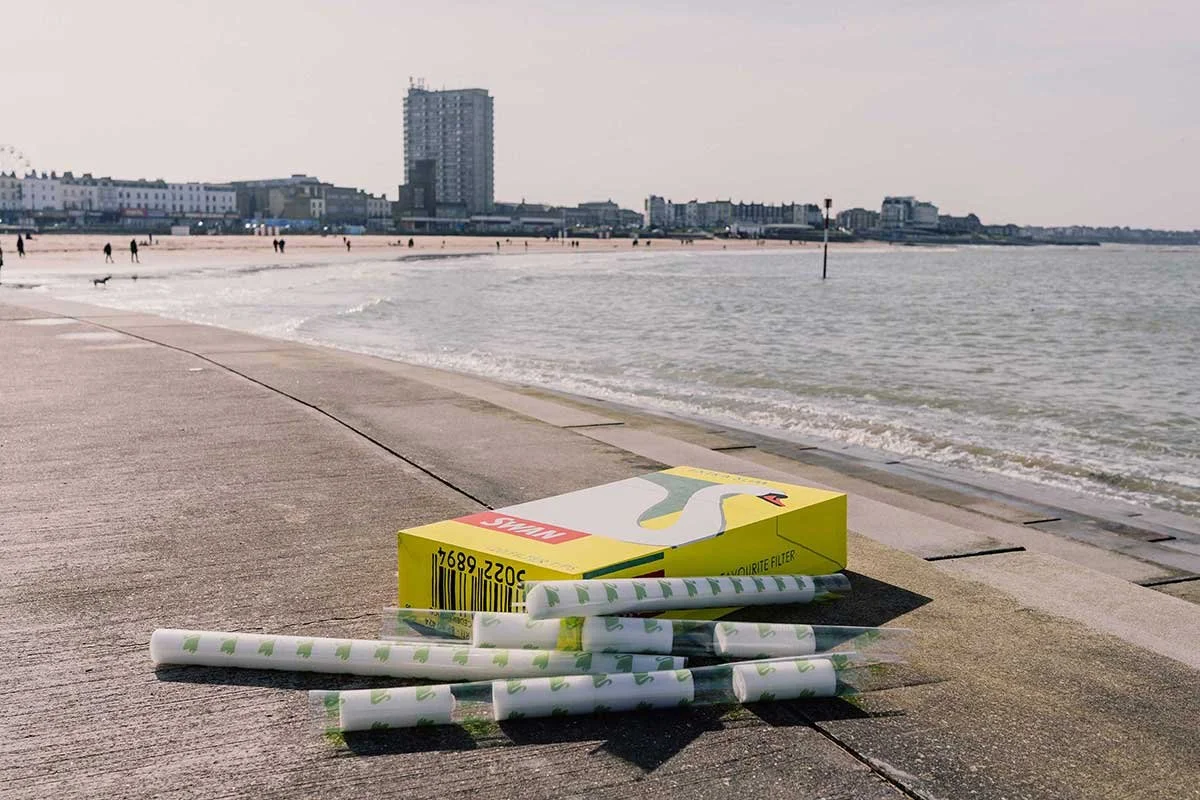
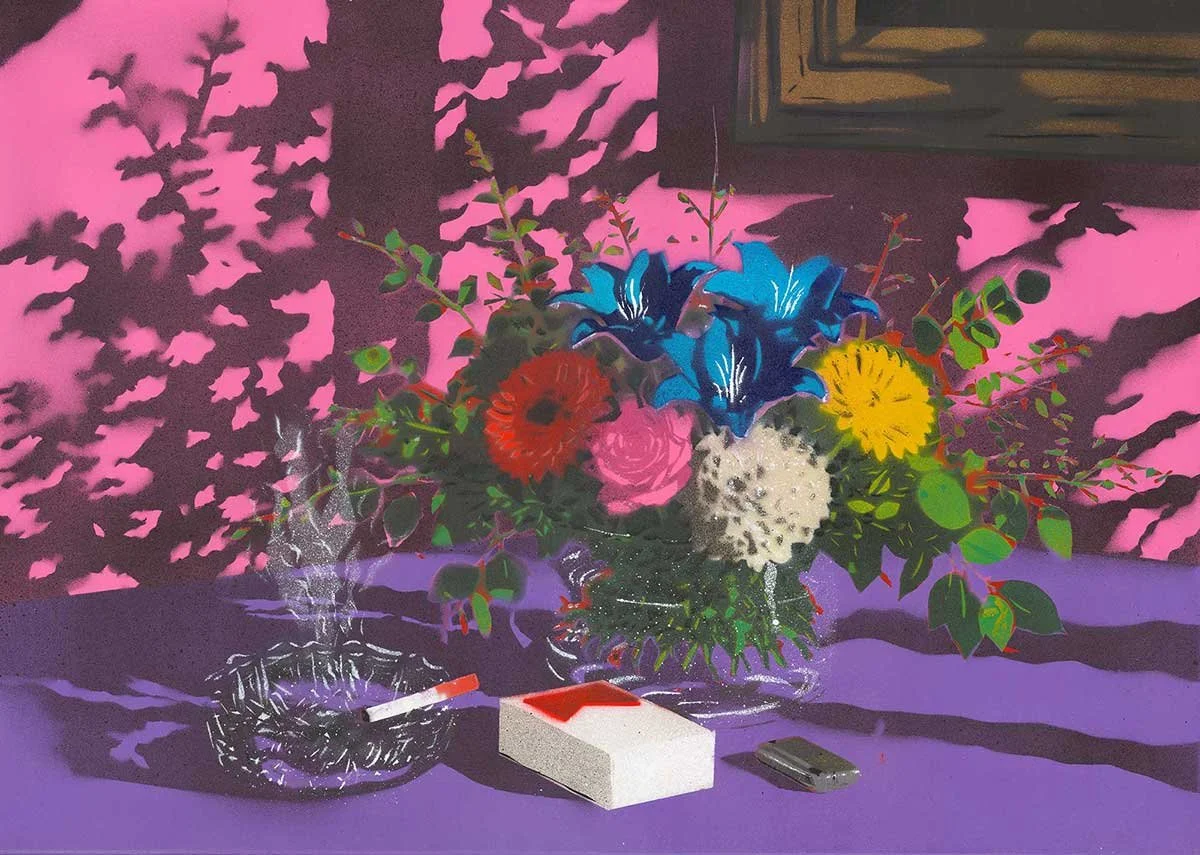
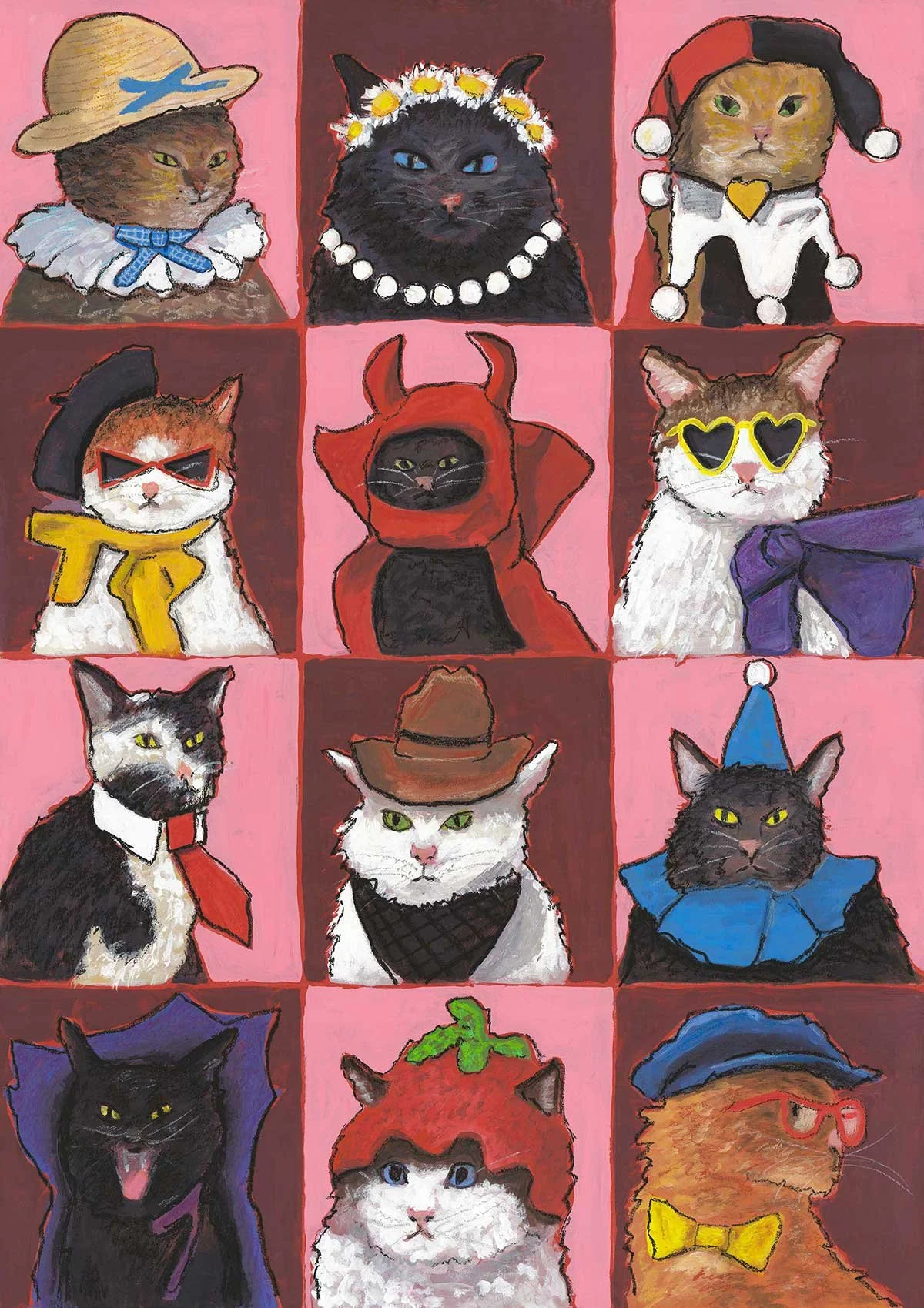
Work moves between illustration, watercolour, spray paint, stencils, graffiti and pop-art imagery. Nostalgia is a recurring thread, as are popular cultural references and a taste for the unexpected.
“I haven’t found a particular style or discipline,” he says. “There’s nothing fixed that I want to be doing. I just continually like to play with different things and explore different ideas.”
At the moment, he is fascinated by spray stencils. Unlike drawing, where the image develops freely beneath the hand, stencilling starts with something already fixed. The pleasure comes from breaking it down, simplifying it and then relinquishing some control.
Max likes the deviations.
“You don’t have a lot of control over it,” he says. “And then enjoying all the mistakes and misregistration that happens when you’re spraying something.”
“I’d make it even if nobody ever saw it. I’d make it if it never ever sold.”
It is an approach that says something about Max himself. He is curious, easily distracted by a new idea and suspicious of anything becoming too polished.
“I do not revisit and rework or refine anything,” he says. “It is what it is and I think polishing something would lose the urgency of it.”
The finished artwork is almost incidental. The real thing happens while he is making it.
“The actual art piece is just a byproduct,” he says. “The actual art is the experience of me doing it.”
That philosophy has also allowed him to remain relatively immune to the pressures of producing what might sell. Art is not his only job, and perhaps that is precisely why he can afford to experiment.
“I’d make it even if nobody ever saw it,” he says. “I’d make it if it never ever sold. It’d be exactly the same.”
His other career has, ironically, helped propel his artistic one. Max founded Archival Print initially as a lockdown project, using a flatbed scanner to archive his late grandfather’s maps. Artists began asking whether he could reproduce their work. Demand grew until the side project became a business.
Two years ago, he taught his final maths lesson and went full-time into art reproduction.
The job has placed him in the middle of Margate’s artistic network, working with artists and galleries and seeing their work up close. Margo McDaid, David Shillinglaw, Lyndon Hayes, Lily Mixe and others have passed through his studio, alongside working with galleries including Kill Me Now, Deadly Prey and The Margate School.
“Every single one made me think ‘I want to give that a go. I want to try that’,” he says.
Margate itself has become part of that education.
In his own words, the town “has shaped my career shift”. Without its art scene, he says, “I would no doubt still be teaching”.
The sheer density of creative activity still amazes him.
“Where else can you go to a life drawing every day of the week?” he asks. “A place with more galleries than off-licences.”
There is a sense that Max is still slightly surprised to find himself here. Staying, however, was entirely different.
“It was only once I was here for a little bit that I fell in love with it,” he says. “Why would I want to go anywhere else?”
ENJOYING THE PROCESS
His own contribution to the town’s creative landscape extends beyond his artwork. Alongside his fiancée Cake, there is Don’t Blink, a hybrid of vintage clothing and contemporary art prints. The space celebrates the things Max is drawn to himself: nostalgia, graphic imagery, kitsch and alternative culture.
There have been increasingly visible milestones, too. Solo shows including Carousel at Projects Kavel Rafferty and Fleur et Fumée at Don’t Blink have been followed by group exhibitions, collaborations and his curating of the Festival of Rats, which brought together more than 30 artists. And then came television.
Last summer, Max received an Instagram message asking if he wanted to take part in a TV series filming in Margate. His first response was to ignore it.
“I thought it was a scam, obviously.”
It turned out to be The Big Deal with Steph McGovern, an Apprentice-style show centred on artists and selling their work. The Margate episode featured Max alongside nine local artists at Dreamland.
The experience delivered an unexpected boost. Max finally stopped procrastinating over building a website and, when the show aired, prints began selling.
“I couldn’t believe it,” he says.
One sale particularly amused him: a print travelled to the Isle of Wight, destined for a manor house.
“Wow, it’s just basically a big spray of a horse that’s going to go in their dining room in this manor, crazy.”
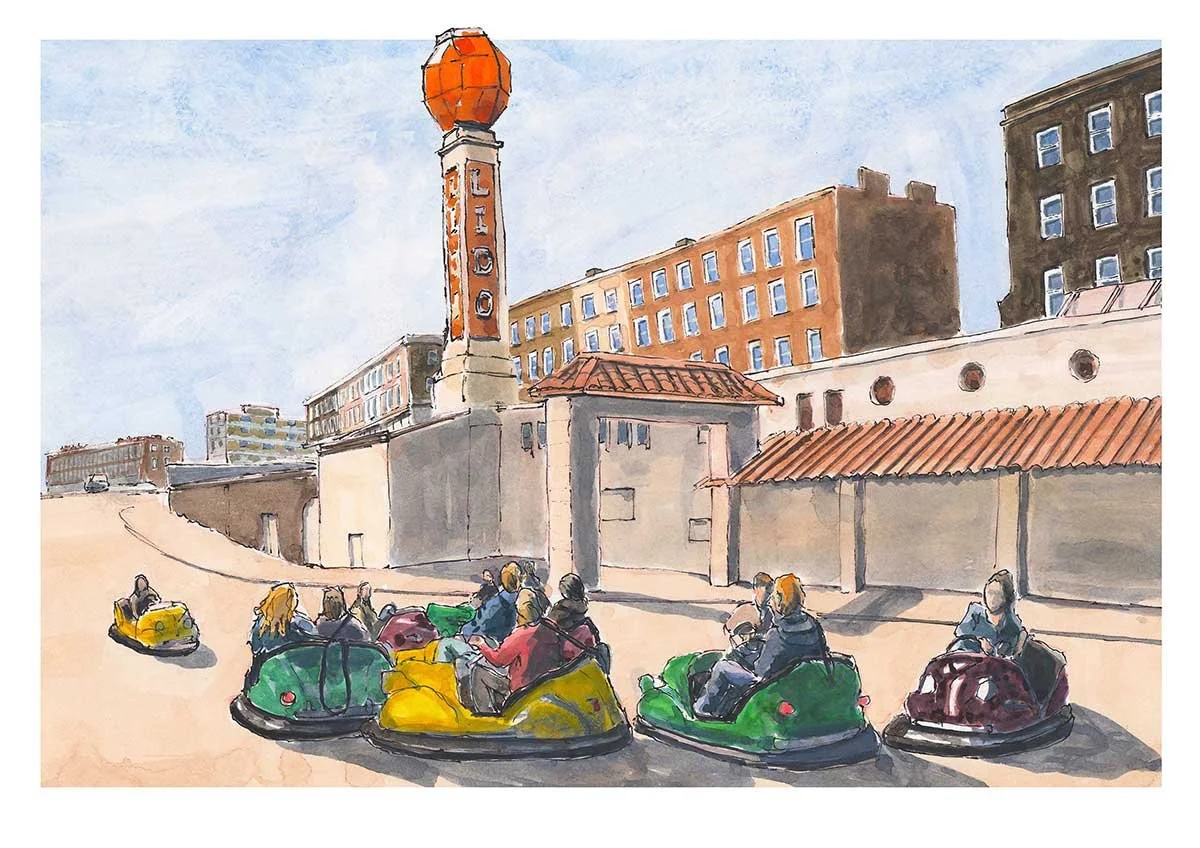
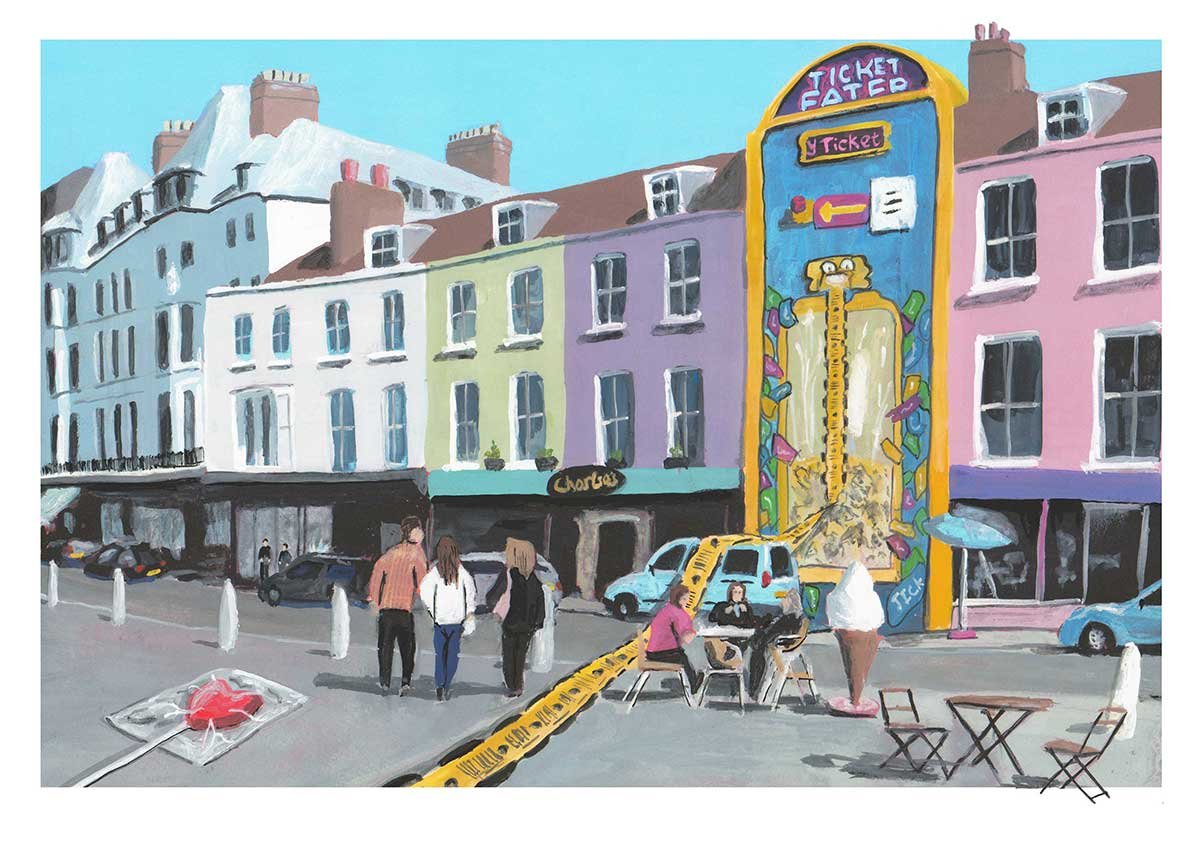
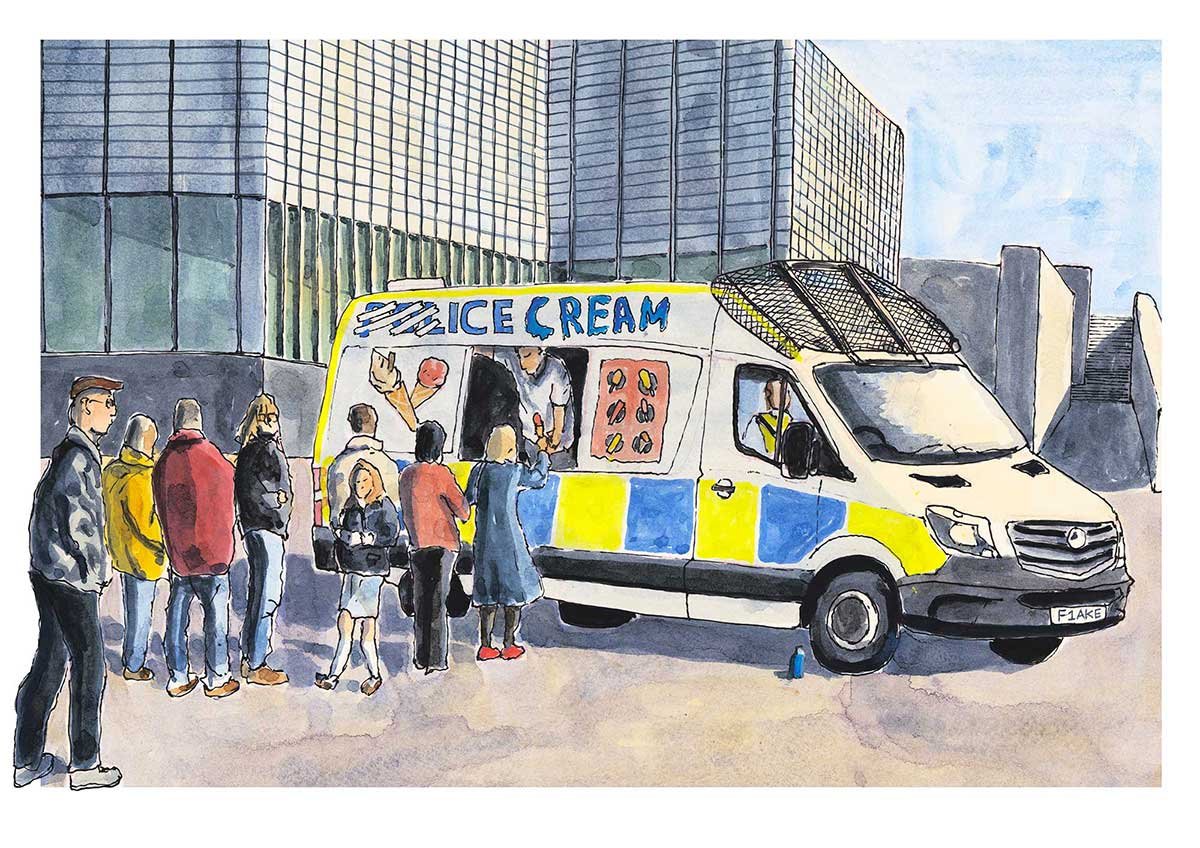
The money, he insists, is not really the point.
“It’s about people actually liking it enough to buy it,” he says. “It’s the real special thing that they want it enough that they’re going to put it in their house.”
Other milestones have followed: representation by London gallery KellArt, collaborations with local businesses and festivals, and invitations to exhibit. Yet Max remains slightly uncomfortable with the language of success.
During the filming for The Big Deal, he remembers sitting in a pub alongside artists he considered firmly established.
“I’m like, I shouldn’t be here right now.”
It is perhaps the most revealing thing about Max’s trajectory. He entered the art world as an outsider - without formal training, without a fixed medium and without an ambition to become an artist in the first place. Now he is embedded in it.
Margate might have brought him here by circumstance, but art has kept him moving. And if his practice continues to mutate, that seems entirely deliberate.
“There’s been lots of little moments of, well, I wouldn’t even call it success,” he says. “It’s just pushing forward things that spur you on.”
For an artist who describes the urge to create as “a nervous tic and an itch to scratch”, there is unlikely to be much danger of him standing still.
INFO: maximillianboxer.com
We talk about the 6AM crew, not having a genre and leaving things to the last minute…