Blending mediums, immersion and helping viewers feel present
‘Has it arrived yet?’ A phrase uttered by holidaymakers contacting home enquiring about the postcard they sent almost two weeks ago.
While the visual storytelling that a traditional postcard could offer leaves a lot to be desired, that feeling of sending a piece of your trip home hasn’t changed. For Canterbury photographer and videographer Charlie Newton, known as Gnarly Newton, finding his own way to tell the story of his travels has been a driving force behind his career.
That tale began with a camera that belonged to his nan.
“I think it was a 1100D or DSLR, you know,” he recalls. At the time, Charlie was studying film at sixth form, riding motocross and running his own clothing company, Hüme Streetwear. The camera quickly became another way of showcasing his passions and documenting the world around him.
He took his clothing brand to London, travelled through France and Belgium with motocross friends and made a short film of his trip for a sixth-form project. This would prove significant - Charlie went on to study film at Canterbury Christ Church University because it was, he says, “the only thing I was really passionate about”. He invested in a small Sony mirrorless camera and gradually began picking up work from filming friends’ weddings and joining a Canterbury videography agency before taking the leap of going freelance.
He has now spent about five years working independently, with his first major client coming off a Facebook post. Boxer Alex Branson Cole from Faversham became Charlie’s focus, creating a promotional film around Cole’s move into professional boxing and beginning a relationship that continued throughout the boxer’s career.
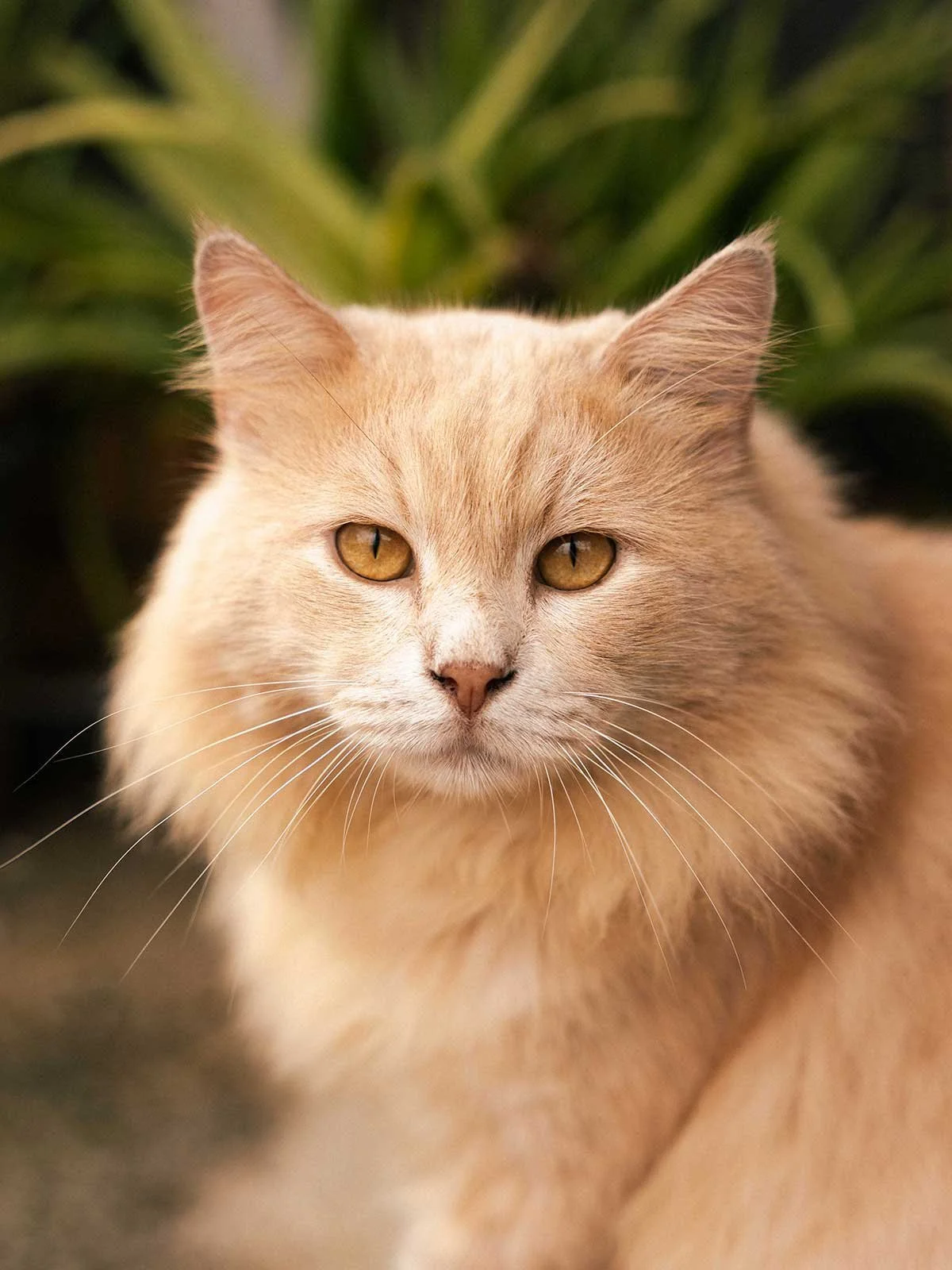
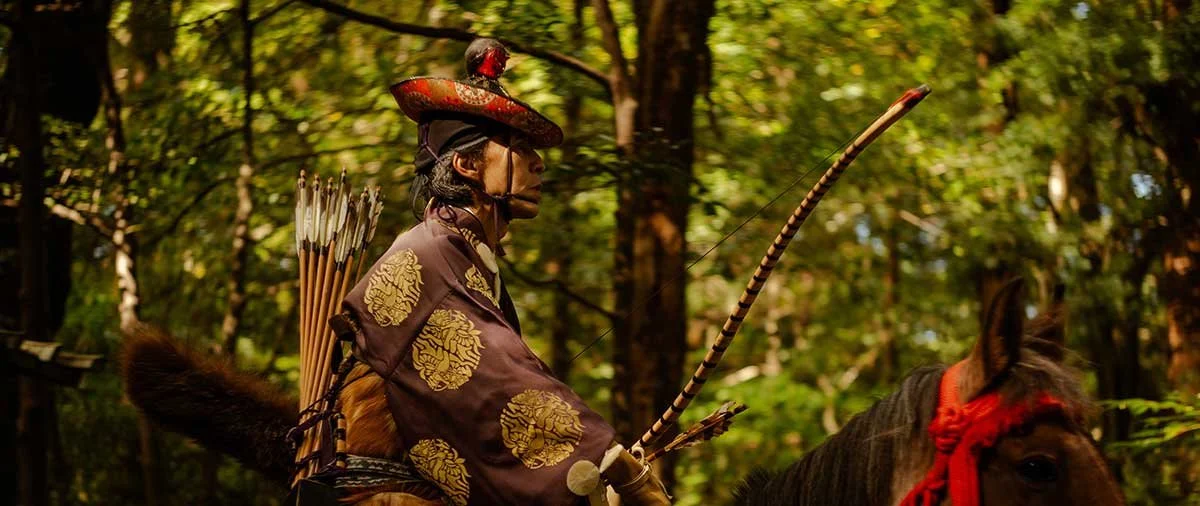
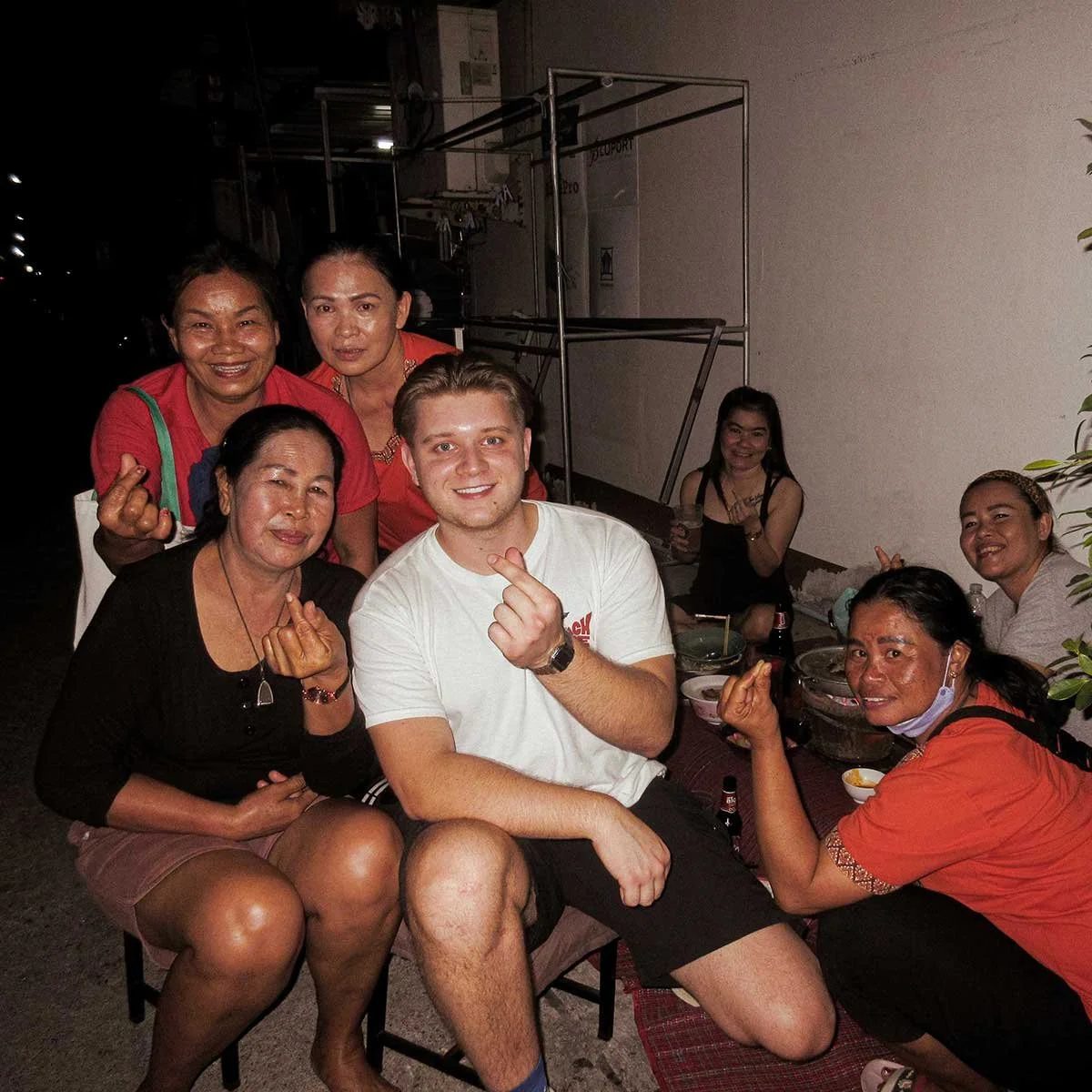
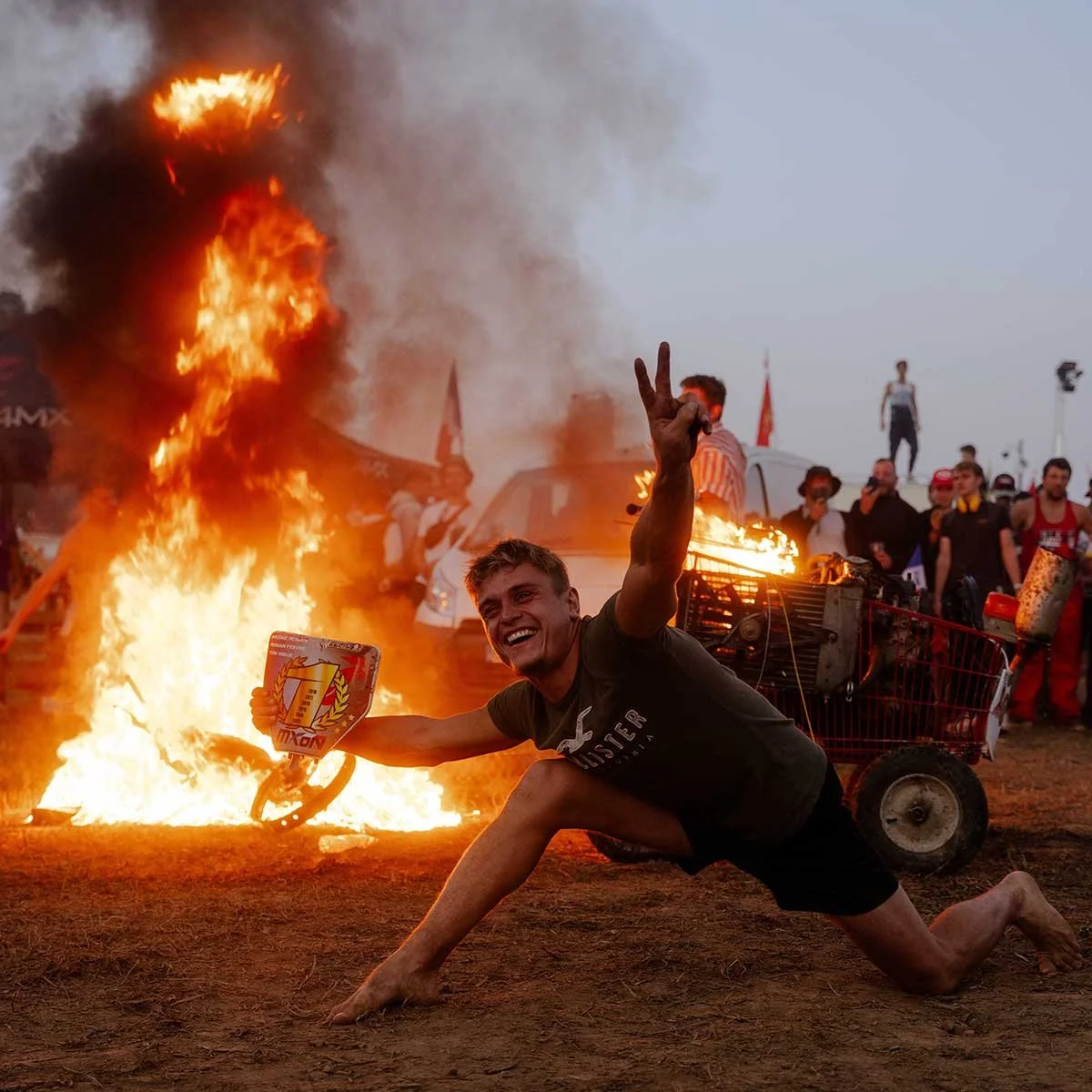
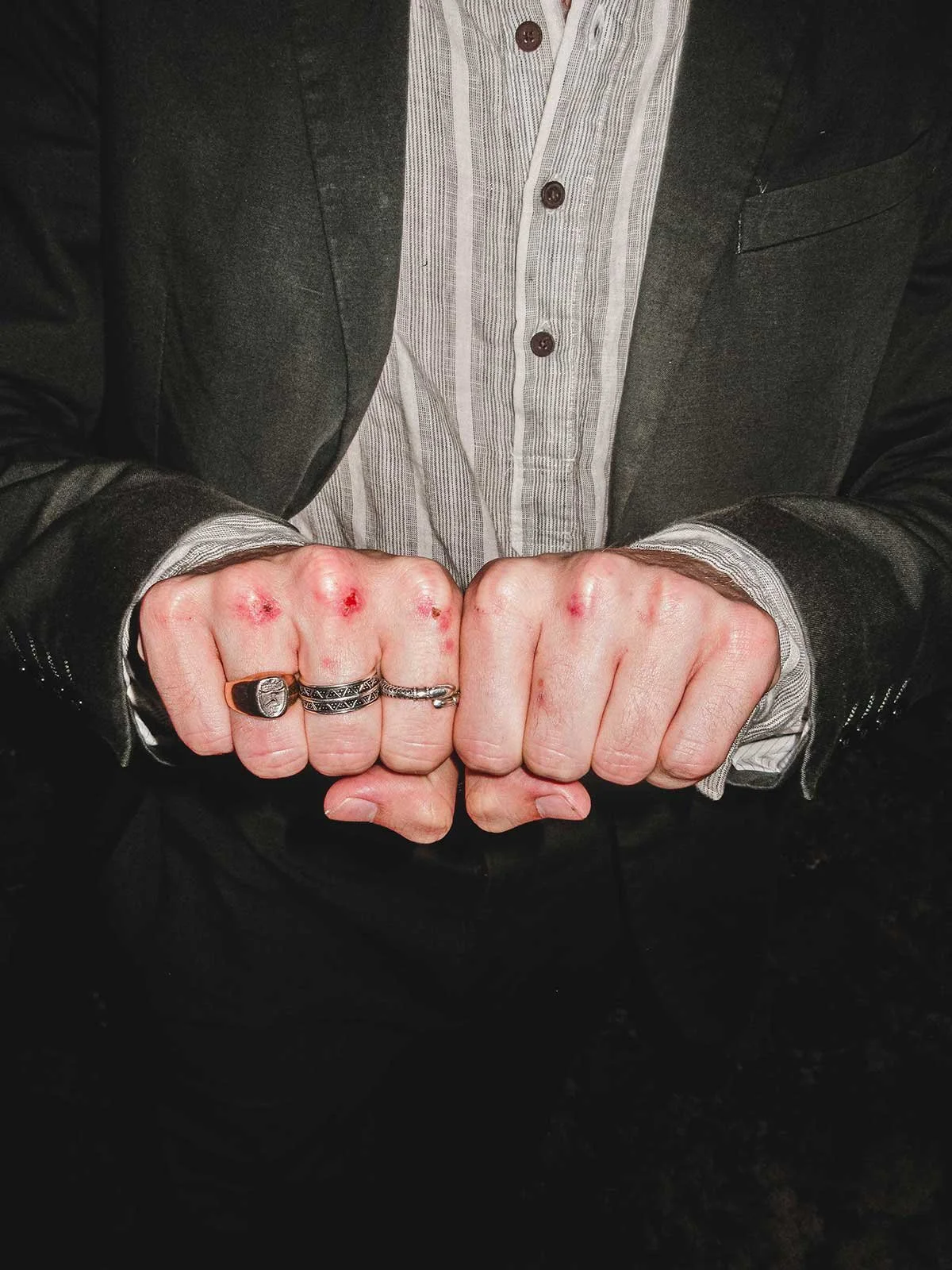
“We made a really cool video to begin with,” Charlie says. “He was the first professional boxer from Faversham in 60 years, so there was a lot of history to it,” adding that the project developed into something much more personal as he went on to film Cole’s fights and became a friend to his family.
Other work followed, largely through word of mouth, including projects with vegan creators and the food brand Bosh! Meanwhile, huge brands have also sought out his skills, and projects for the likes of Cano Water, Wagamama, UFC and London Fashion Week have all been delivered.
But while video became the dominant part of his professional life, Charlie’s real love is probably photography.
“I am predominantly a videographer or video producer - like 80% of the time. But it started with photos, and I still love photos. In many ways, I prefer taking photos.”
That tension between still and moving image has become central to Charlie’s work. He initially believed that creating a polished video was more impressive than producing an album of photographs, while the growing demand for video pushed many photographers in the same direction.
But the individual shot still has a particular attraction. “I really enjoy that single-frame composition. I really enjoy colour-grading an image.” Unlike video, where scenes and backgrounds constantly change, a still image gives him greater control over atmosphere.
His photographic instincts can be traced back to an early trip around Europe. Armed with a 50mm prime lens, Charlie decided to experiment with street photography. In Amsterdam, he found his inspiration not in famous landmarks but in ordinary people: cyclists, dogs in baskets, striking outfits and fleeting expressions.
“I really quite liked the candid voyeuristic style of those photos,” he says. “And for some reason, that has stuck with me for 10 years now.”
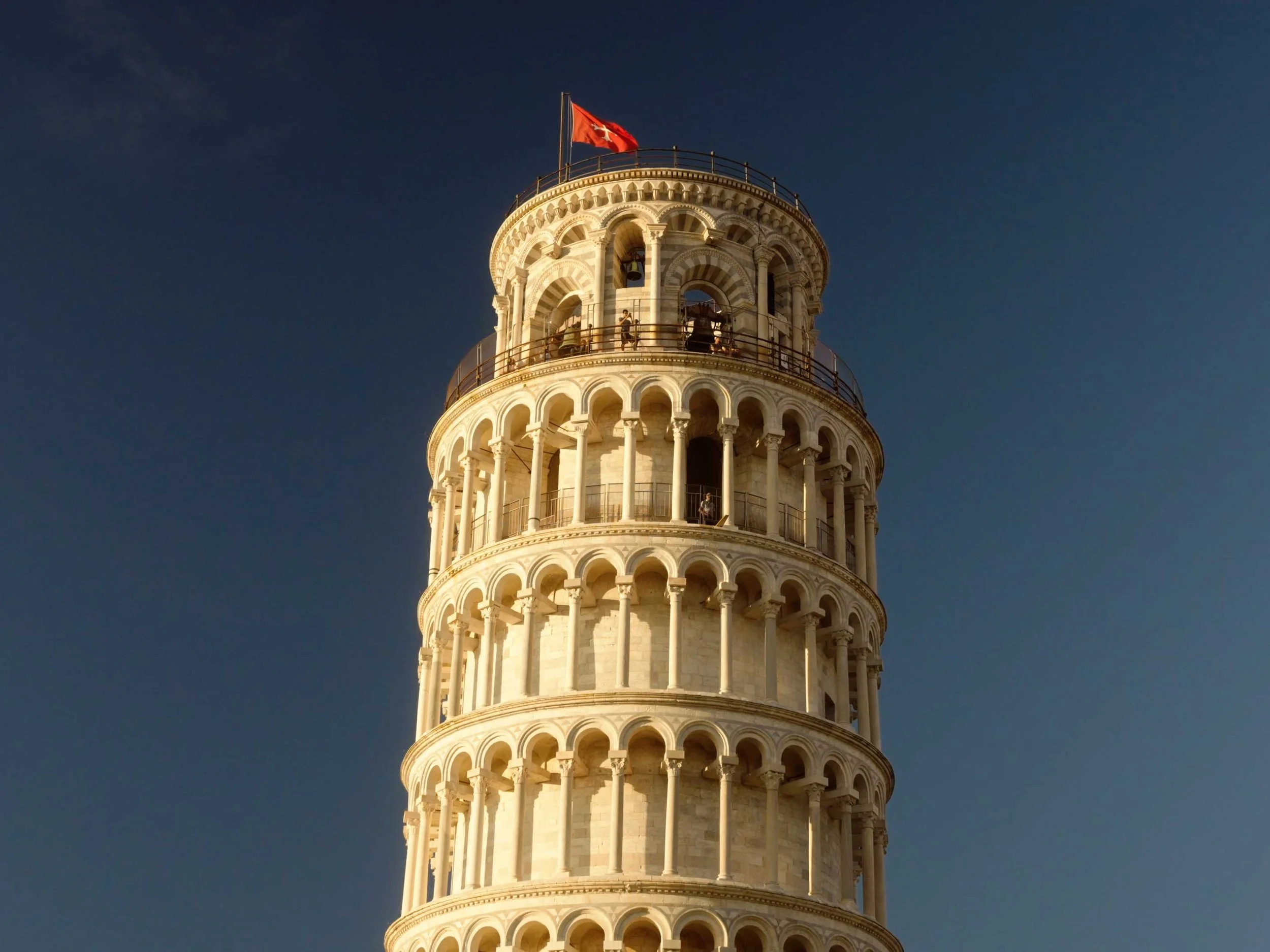
As he travelled more, however, Charlie began looking for a way to combine the immediacy of photography with the atmosphere of film. The result is what he calls his “postcard style”.
“The postcard style is all about capturing a scene in its fullest potential, its fullest form. You can hear it, you can feel it, you can see it,” he explains.
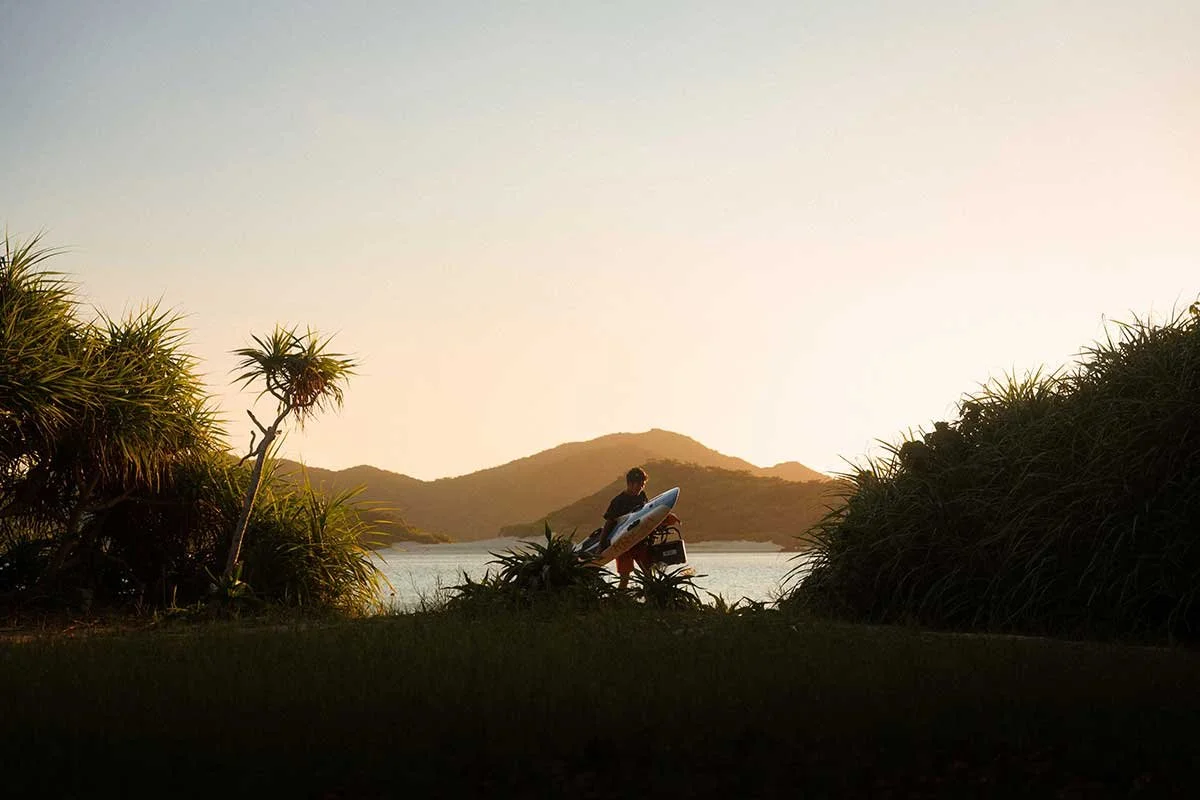
The films deliberately avoid the frenetic movement and high-energy aesthetic often associated with social media. Charlie might simply stand still, hold his breath and record for 10 seconds. Within that apparently simple frame, movement continues: a boat crosses a golden sunset, people walk through a street, or a flag flutters in the wind.
“It is like the next progression of a photo,” he says. Sound is just as important. Charlie often builds soundscapes into his postcards, sometimes enhancing sounds to recreate the experience of being there.
“If you’re not there, I'll try to get you there as best I can through my lens and through my editing and through the style of colour grading, framing, sound design.”
The ‘postcard’ is therefore more than a short video. “It’s almost like a modern-day painting that someone can sort of step inside.”
That desire to make viewers feel present has taken him around the world, including work commissioned by overseas tourist boards. He has been paid by Copenhagen to visit and create films in his own style, while his travels have also taken him to places such as Malaysia, where he worked with The Doctor’s Kitchen by Dr Rupy Aujla on a project that would take the most famous dishes in Asia and try to recreate them slightly healthier.
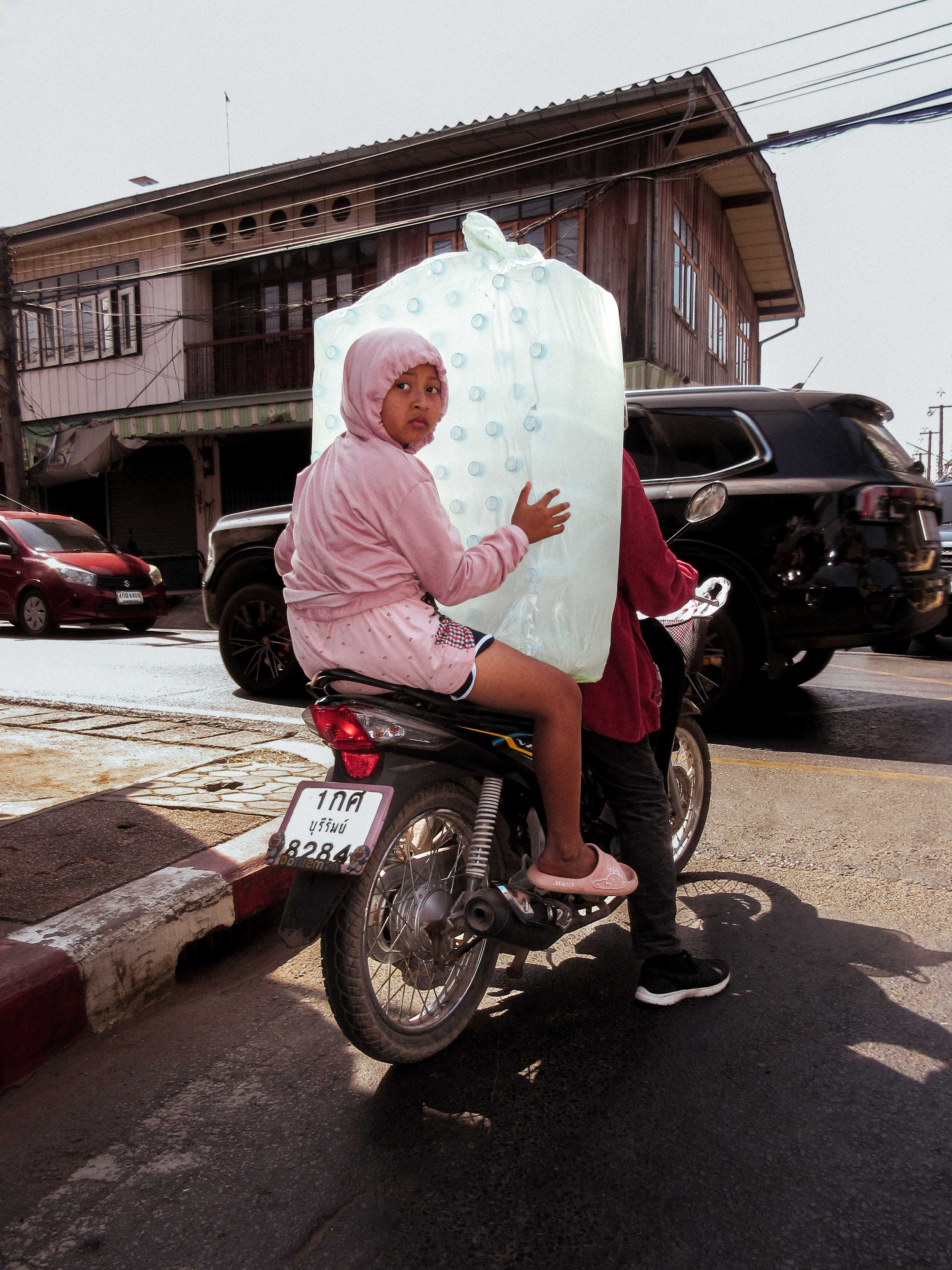
This is significant because immersion is key to Charlie’s approach. He deliberately looks beyond conventional tourist imagery, heading “down the back streets a little bit to try to find a bit of realness”. In Malaysia, he was struck by people simply going about their lives, an experience that helped shape his postcards.
“It was so eye-opening. There’s a lot less fear of, I suppose, fear of embarrassment… they’re stood on a street corner, just being themselves. They’re sitting in a very small food court, just being themselves, and that’s what inspired those postcards, really, just seeing people stand out as interesting characters.
“And that’s what it’s about. It’s about being involved with the community as well. Wherever I go, learning a little bit more about the culture there.”
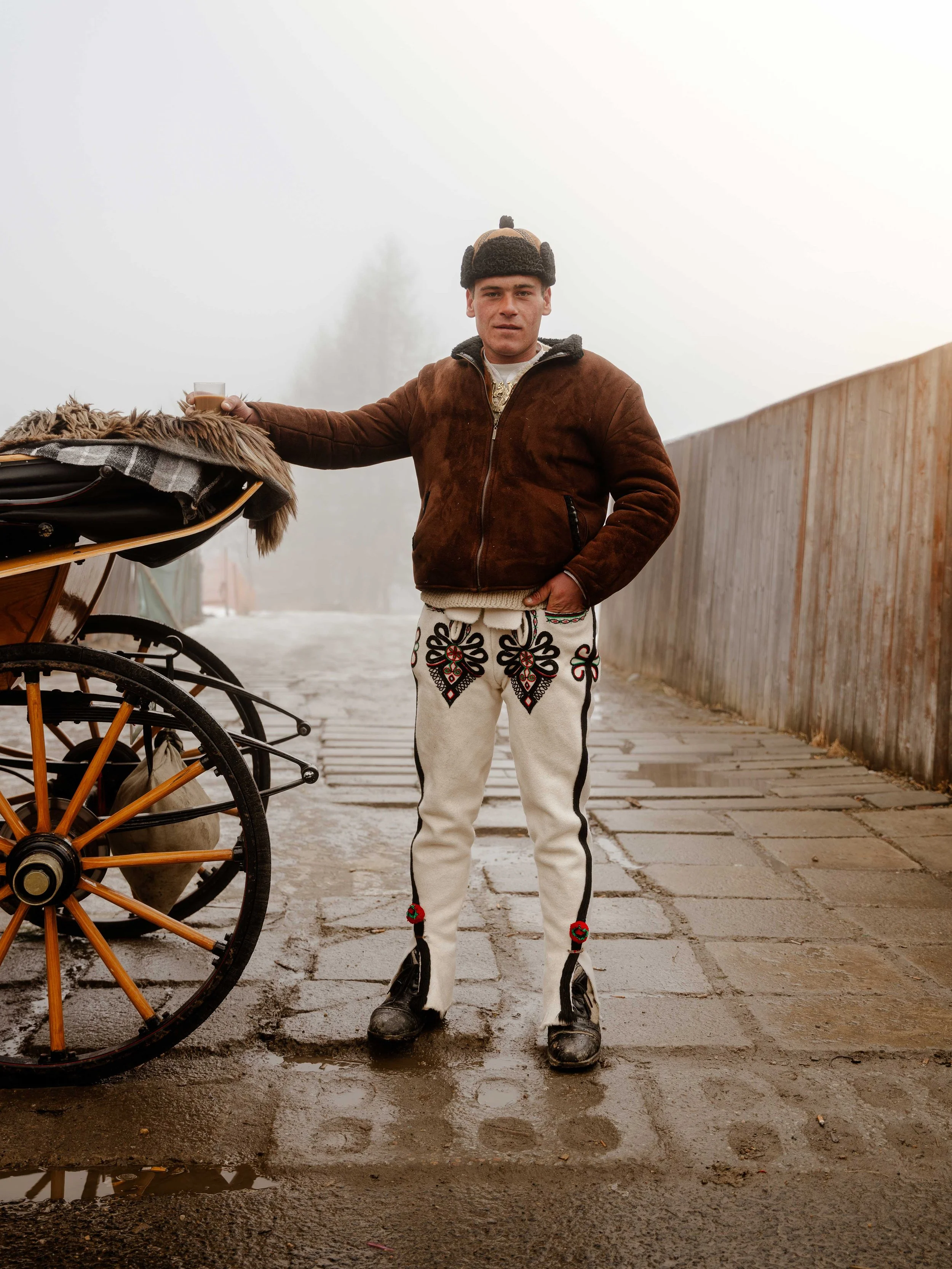
Whether photographing a stranger wearing traditional dress in Poland or capturing a street scene in Asia, Charlie is chasing the same thing: a fleeting moment that can transport somebody somewhere else.