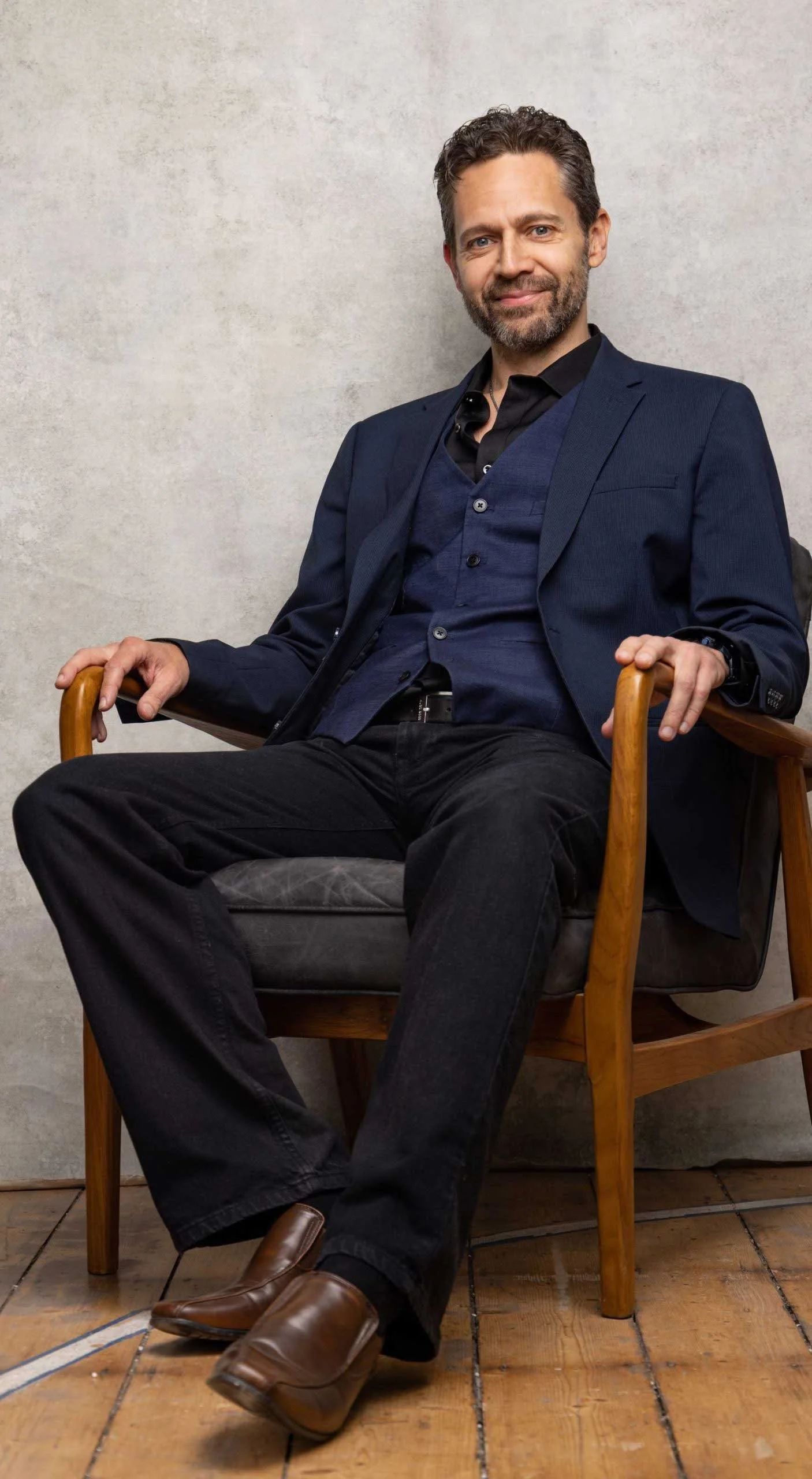
“Sometimes I think I’ve been teleported, you know, from the 17th century…”

“If I could spend all day writing verse, I would.”
By day, Ryan J-W Smith is a respectable talent agent. By night, he becomes something rather more unusual: a poet, playwright and self-styled Rogue Shakespeare, filling notebooks with sonnets written in the strict rhythms of Shakespearean verse.
If it sounds as though he might have been born several lifetimes too late, Ryan agrees. “Sometimes I think I’ve been teleported, you know, from the 17th century,” he says. “What the hell am I doing trying to sell books of poetry in 2026?”
Originally from Dartford, his family moved around every four or five years while he was growing up. He credits those relocations with giving him what he calls his “wanderlust”: the habit of packing up, saying goodbye to one group of friends and starting again somewhere new.
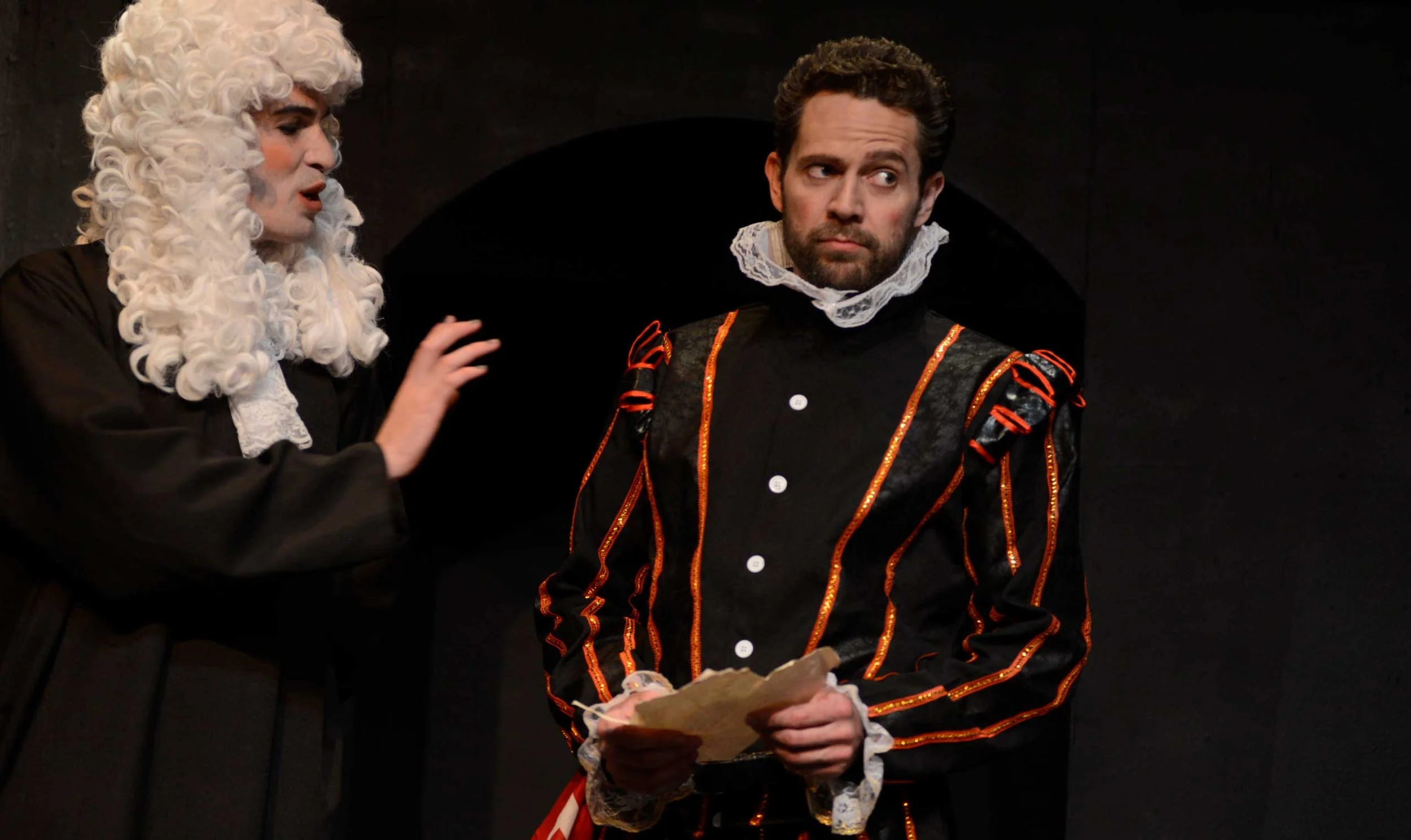
Image by Annie Lesser
But the foundations of the Rogue Shakespeare were laid much closer to home. His older brother, six years his senior, trained as an actor and began teaching the young Ryan pieces by the famous bard. On family car journeys, his brother would teach him Hamlet’s soliloquies.
The words and rhythms lodged themselves in his mind and acting followed naturally. As a slight detour, Ryan also developed a formidable competitive streak through tennis, beginning at the age of five and dreaming of winning Wimbledon with a claim of also beating future British tennis star Tim Henman in straight sets when they were both teenagers. The sport, he says, taught him “the dedication... the resilience and the absolute will to win”.
Eventually, however, theatre won.
As a young actor, Smith decided one summer that he wanted to become the sort of actor who genuinely understood and loved Shakespeare. He read a history, a tragedy and a comedy cover to cover, looking up every unfamiliar word. By the middle of the second play, he says, “I was fluent”. At Trinity College Dublin, where he immersed himself in drama and theatre studies, he found himself absorbing everything from tutors who had published books on their specialist subjects.
His first professional acting job was Francis Flute in A Midsummer Night’s Dream, performed outdoors to audiences of some 500 people a night. It proved transformative. “I fell in love with verse,” he says - not merely Shakespeare but writers including Molière, Marlowe, Webster, Whitley and Ford.
Then came an audacious thought: “If Shakespeare’s plays were considered among the greatest ever written, why not write new ones?”

“Everybody laughed at me,” Ryan recalls. “I was like, right, I’m going to give it a go.”
Around 1998 he wrote his first verse play, Sweet Love of You. He admits he can barely read it now, calling it “a disaster”, but audiences embraced it and the play was subsequently produced in America. By his third play, Love Labour’s Won, he had found considerably firmer ground. The 2005 production received Arts Council funding and was performed at the Edinburgh Fringe for two consecutive years, earning strong reviews. It was around this period that the sonneteer began to emerge.
Ryan started writing sonnets in 2006, first as entertainment for BBC Radio Leeds. The weekly feature, Good News Bard News, gave him roughly an hour to transform laughable tabloid stories into a Shakespearean sonnet, which he would then perform live on the airwaves.
The exercise sharpened a skill that has since become his calling card: writing a complete sonnet rapidly, apparently from almost nothing.
But what exactly is a sonnet? Ryan has chosen to work predominantly in the Shakespearean form. It consists of 14 lines written with a prescribed rhyme structure. Iambic pentameter is essentially a rhythm of five iambs per line - each iamb being an unstressed syllable followed by a stressed one. “It’s a bit like a heartbeat.” Get it? Sort of.
It is a demanding form. But Ryan has nevertheless made it a daily habit, writing sonnets as naturally as another person might keep a diary. His great project began as something far less calculated than a literary record. “It was accidental,” he says. “I wasn’t trying to prove anything or do anything. It’s literally just my diary that I just happened to be writing in verse.”
That diary eventually became 500 Shakespearean Sonnets: The Diary of a Poetic Quest for Truth, published in 2012. The collection was critically praised.
The scale of the project has since become extraordinary. Ryan has now written more than 3,370 personal, spiritual, political and prophetic sonnets. That would make him the most prolific sonneteer in recorded history, surpassing Shakespeare’s 154 sonnets and Wordsworth’s roughly 600, and overtaking even the prolific Spanish poet Lope de Vega, who wrote about 3,000.
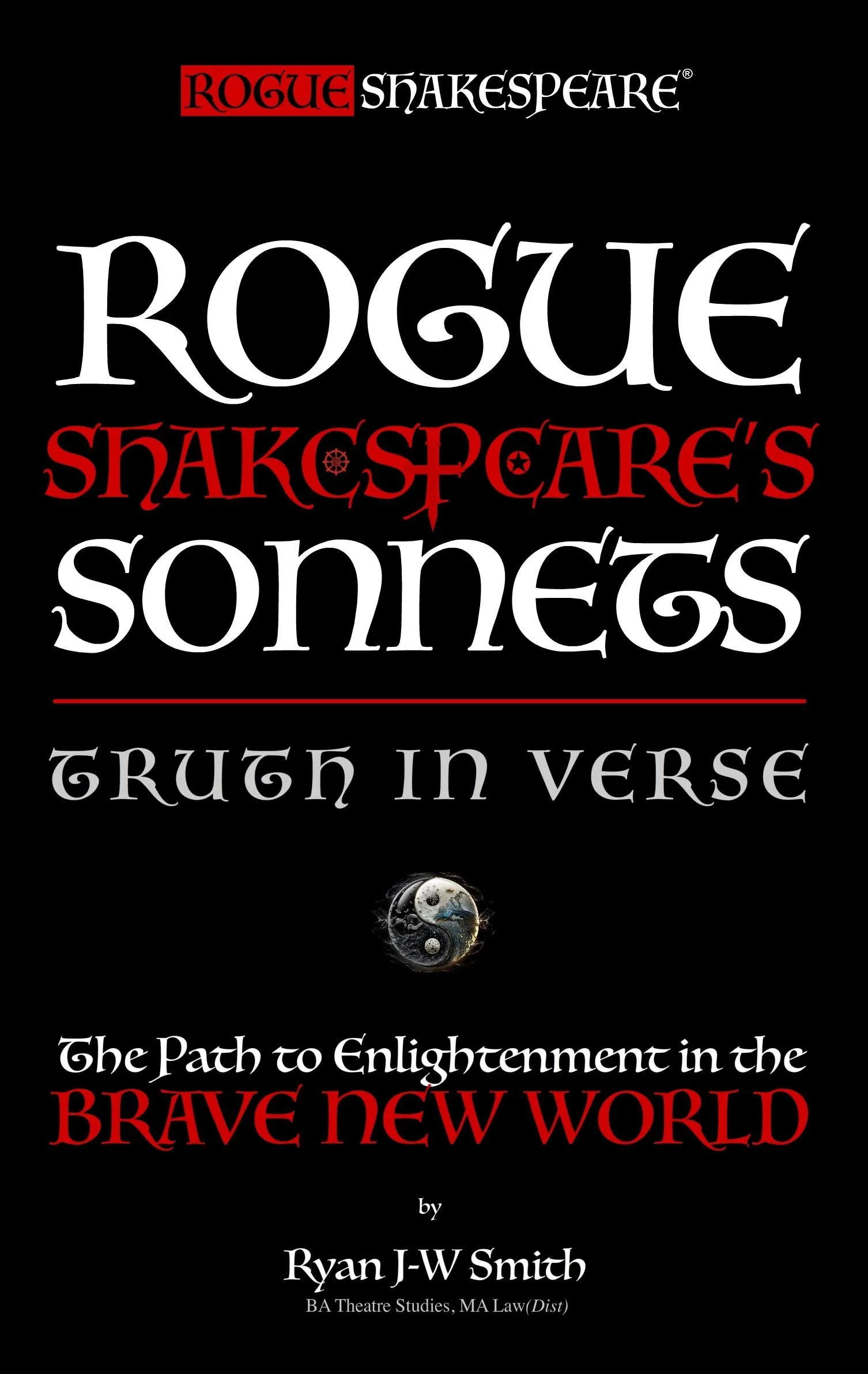
His latest publishing project makes that achievement tangible. Rogue Shakespeare’s Sonnets - Truth in Verse - Part I: The Path to Enlightenment in the Brave New World, released in July 2026, contains the first 1,000 sonnets. Parts II and III are planned for December 2026 and summer 2027.
There is a darker personal reason Ryan eventually decided his vast poetic diary had to see the light of day. In 2022 he experienced a near-death experience that left him in intensive care. “I accepted I was dead,” he recalls. He had said goodbye to family members and left voice messages, believing that was the end. “So it was as much a surprise to me as to the doctors when I bounced back.” But the moment has left Ryan with a drive to make sure his works are published. And who could blame him?
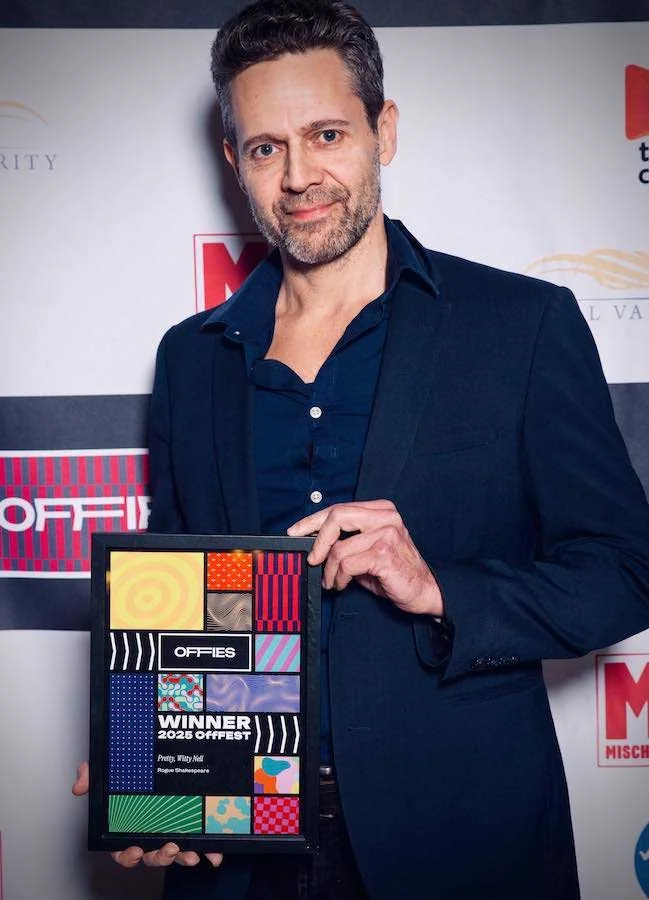
His verse has already earned substantial recognition beyond the sonnets. His plays have won an OFFIES Award, two Hollywood Fringe International Awards and two Encore Producers’ Awards, while his accolades and nominations also include recognition from Amnesty International, the Gandhi Foundation and The Observer.
And yet the day job remains. Ryan created the British Talent Agency, which he has run for about a decade, acknowledging the financial realities of a life devoted to verse. “You don’t make much money out of poetry,” he says. The agency provides the stability that allows him to continue writing.
“I always say by day I’m a respectable talent agent and by night I’m a rebellious poet,” he says. “So yeah, sounds a bit like Batman... without the billions.”
Perhaps ‘Batman in a ruff’ is the better description.
Because Ryan has now taken his extraordinary facility with verse onto the stage in The Rogue Shakespeare Experience. Part performance, part comedy, part poetry game show, he divides audiences into teams and teaches them the basics of poetry before challenging them to come up with lines of their own.
Then comes the finale. A volunteer is invited to reveal a problem they want solved. As they explain it, Ryan begins writing. The audience watches while, in real time, he constructs a Shakespearean sonnet around the person’s predicament.
The ability is impressive precisely because the process is so public. There is no hiding behind a manuscript: the poem is created in front of the audience, line by line, within minutes.
It is the culmination of everything that began with a brother teaching a boy Hamlet in the back of a car. The actor became a playwright; the playwright became a sonneteer; the sonneteer became a poet-diarist on an almost epic scale. And yet Ryan’s ambition remains remarkably simple. He says: “If I could spend all day writing verse, I would.”
INFO: www.rogueshakespeare.com